The video provides a striking visual record of human adaptability, yet its framing of "strangeness" risks reducing deep cultural heritage to a mere spectacle for outsiders. It highlights the difficult balance between documenting indigenous traditions and perpetuating exoticized stereotypes.
Install our extension to search inside any video instantly.
20 Of The Strangest And Most Unique African Tribes In The World – Rare PeopleAdded:
Across Africa, amid deserts, towering mountains, and endless savas, exist tribes with strange customs, mesmerizing dances, and survival arts preserved for centuries. From the Messiah Adumu jumps, where every leap demonstrates strength and warrior spirit to the Hamar bull leaping rituals marking youth's courage and responsibility. From the mystical masks of the Dogen telling stories of the cosmos and ancestors to the resounding runi drums echoing across the land, each detail teaches lessons of resilience, endurance, and cultural identity. Which story amazes you most?
Comment, like, and subscribe to continue exploring these extraordinary cultures.
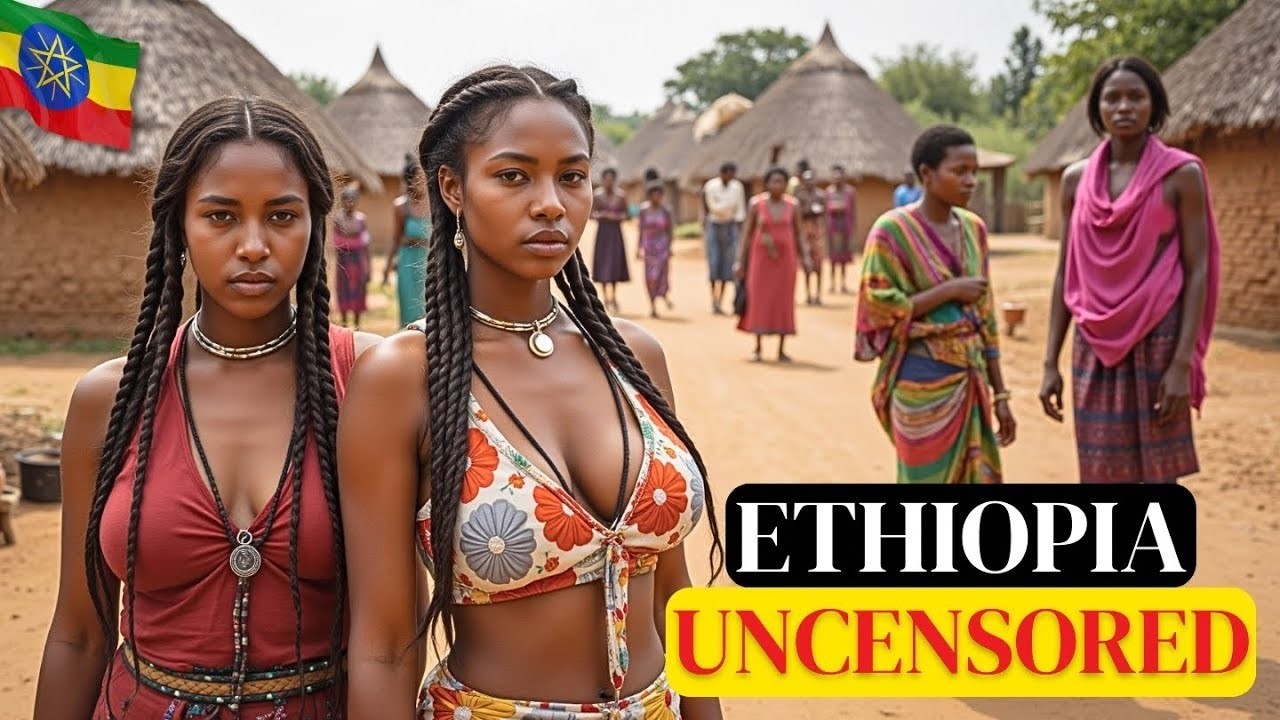
In the dry regions of Ethiopia, the Bana people stand out for cultural traditions passed down through generations. Some members of this community are known for using tall stilts during livestock related activities, demonstrating remarkable adaptation to their unique environment. In addition, body decoration using natural light colored mineral materials reflects a distinct cultural identity. For the Bana, these customs are not merely daily habits, but a way of preserving ancestral memory, community spirit, and pride in their heritage. Their story reminds us that people everywhere find creative ways to live in harmony with nature while building a strong sense of identity.
What makes the story of the Bana people inspiring is not their outward differences, but the message of adaptation and cultural preservation in a rapidly changing world. What may seem unusual to outsiders is often the result of history, living conditions, and traditions shaped over generations.
Instead of judging differences, we can see them as opportunities to better understand humanity's rich diversity.
The Bana people show that progress does not always require abandoning one's roots. Sometimes the greatest strength lies in adapting to life while preserving the values that define an entire community.
The Turkana tribe is one of the oldest pastoralist nomadic communities in Kenya, boasting a rich cultural history.
They rely primarily on seasonal livestock hering, a flexible survival method adapted to the extremely aid and harsh climate. The life of the Turkana people is a vivid picture of harmony between humans and wild nature. Through generations, they have developed unique survival skills, transforming a barren land into a sustainable home for their community.
It is within this harsh survival space that they skillfully crafted distinctive highlights through a unique language, distinct customs, and powerful hand-crafted beadwork.
Resilience and self-reliance are core qualities shaping the independent identity of each local inhabitant before environmental changes. This educational story of a self-sufficient lifestyle is not only entertaining for exploring world cultures but also deeply inspires a strong message about the intense vitality of humanity.
The Mercy people of Ethiopia have long been recognized as one of Africa's most visually distinctive indigenous communities. The large lip plates worn by some Mercy women have become a well-known cultural symbol in documentaries and historical accounts.
Alongside this, the art of scarification has also been part of their long-standing traditions where the body may serve as a space for expressing identity, social standing or cultural beauty according to local beliefs. These customs reflect the rich diversity in how communities around the world define beauty and cultural identity.
At first glance, mercy traditions may seem unfamiliar to many people, but a deeper look reveals stories of history, community, and cultural preservation across generations.
Every culture is shaped by its own living conditions, beliefs, and experiences, which is why standards of beauty can differ so widely. What matters is not judging differences through our own familiar lens, but approaching them with respect and understanding. Communities like the Mercy remind the world that human culture is vast, colorful, and filled with fascinating stories worth exploring.
The story of the Mercy people offers a meaningful lesson about preserving identity in an age of rapid modernization.
As many traditional values around the world gradually fade, some communities continue working to maintain cultural markers connected to their ancestors.
Even as the world changes, the desire to remain connected to one's roots remains powerful across many societies. The Mercy show that identity is not only found in language or customs, but also in how a community tells its own story through unique cultural symbols passed down for generations. Moving into the more sacred aspects of spiritual life, this tribe is highly renowned for its exquisite mask art and vibrant community dances. The unique masks meticulously crafted from natural materials are not only popular art pieces offering high entertainment value, but also contain deep educational significance regarding their roots and spiritual world. Each step and rhythm in the festival ceremonies acts as a sacred bridge between the past and present, binding all tribal members together.
Alongside those splendid festivals, their social structure operates based on an ancient system of chiefs and lords that has sustainably existed for millennia. These traditional leaders play a supreme role in governing society, allocating pastures, resolving internal conflicts, and preserving strict tribal order. The perfect combination of folk art and ancient feudal authority creates a cultural tapestry that both carries mystical colors and demonstrates an intense enduring vitality.
Continuing the proud cultural flow of the black continent, the Rundi people of Burundi possess an invaluable spiritual heritage with the drummers of Burundi ritual, also known as the worldbeloved ancient drumming of East Africa. This is a pinnacle performance art renowned worldwide. Seamlessly combining pounding rhythms, skillful dance moves, and vibrant traditional costumes with high entertainment value. The drumming not only carries deep educational value regarding national pride, but also serves as a sacred symbol showing the strength and unity of an entire nation.
Leaving the bustling drums to arrive in West Africa, the Sombra tribe is highly renowned for their genius architectural thinking through unique Tata Somba houses likened to miniature earthn fortresses. The special feature of this popular structure is the clever combination of family living quarters and livestock pens right within the same enclosed layout. Not stopping there, they also possess a tradition of building fortified ramparts and sturdy defensive rings around the entire village to safely protect the community.
Continuing the journey of exploring great civilizations, the Ashanti Kingdom emerges with immense majesty, renowned for its distinctive royal culture, deeply focused on power and a highly structured society. The pinnacle of this dignity belongs to the Ashanti king who sits upon the sacred golden stool, a treasure regarded as the ultimate symbol of power and the nation's soul. Not only that, they also gifted the world the craft of Kente cloth weaving with its intricate pattern making art becoming a global cultural icon alongside traditional drum music and highly rich court rituals.
Look at the primitive wooden arrows that can bring down targets from dozens of meters away. That is the sole survival weapon of the Hodza tribe in Tanzania.
They are known as one of the last remaining hunter gatherer groups in today's modern African world. Standing on the margins of rapid technological development and urbanization, these people resiliently choose a primitive self-sufficient lifestyle, completely independent of agriculture or livestock farming. Their life resembles a vivid documentary film, fully preserving the earliest memories of humanity's evolutionary journey.
Can you believe an adult can read the footprints of every animal in the sand and know exactly which blade of grass can save their life deep in the forest?
This immensely deep treasury of nature knowledge is the master key helping the Hodza survive extraordinarily across generations. They thoroughly understand the habits of all creatures, memorize every underground water source, and master the uses of each plant. Instead of destroying, they choose smart harvesting to never deplete resources, creating a symbiotic relationship full of respect and absolute peace with the natural world.
If one day modern civilization completely vanishes, are you confident that you possess enough courage and resilience to survive self-sufficiently amidst the wild world? The story of ancient tribes is a powerful reminder of the resilient vitality and infinite potential hidden inside each of us. In your opinion, which primal lifestyle deserves to be preserved the most before today's wave of urbanization? Leave a comment to join the discussion. Give this video a like if you feel inspired and click subscribe to the channel to continue walking with us on the path of decoding world cultural mysteries.
Amidst the majestic and arid Bondiagara escarments of Mali, earthn stilt houses with pointed thatched roofs rise proudly as a challenge to time. This is the home of the Doon tribe architectural masters renowned for building houses perched on treacherous terrain to optimize living space and protect families. This unique stilt house structure is not just an ordinary popular construction, but reflects genius geometric thinking, helping them adapt perfectly to the harsh natural conditions of the West African region.
If you look at how they arrange their villages in the shape of a human body, you will realize an incredibly deep and complex belief system hidden behind every brick and pathway. The Doon people possess highly mystical ancient astronomical knowledge, especially their reverence for the Syria star, which they believe is the source of life. This powerful spiritual connection shapes the entire worldview code of conduct and social structure of the tribe, turning each daily activity into a profound philosophical educational journey about the balance between the universe and humans.
As night falls and the battle drums begin to pound heavily, giant wooden masks standing meters high appear and move continuously in mesmerizing ritual mask dances. These mystical dances are not merely for popular cultural entertainment, but serve as a sacred moment to connect the souls of great ancestors with the current community.
Dressed in brightly colored straw costumes, the dancers reenact ancient mythological stories with intense vitality, strongly inspiring national pride and a tight bond of community cohesion across many centuries.
Imagine an army of tens of thousands stomping their feet on the ground, creating thunderous sounds that shake the vast South African savannah. This is the proud spirit of the Zulu, one of the largest and most influential tribes in popular African history. Their reputation is etched deeply into time thanks to generations of legendary warriors under the brilliant leadership of the great King Shaka Zulu. With genius military thinking and unparalleled courage, he united scattered tribes, building a powerful empire with a resilient fighting spirit that stood unyielding against any foreign invaders.
Each color and pattern on the warriors cowhide shields was not just for going to battle, but found a fascinating parallel in the exquisite handcrafted beadwork art of this tribe. For the Zulu people, vibrantly colored beaded strands are not merely popular beauty accessories, but a special communication language hiding profound messages about love, social status, and traditional educational values. Each knot and color combination is embedded by artisans with distinct cultural stories reflecting peak aesthetic thinking and intense national pride across many generations.
When heroic musical melodies resound, the entire community immerses themselves in powerful traditional dances with immensely high cultural entertainment value. The high-kicking steps and decisive stomps combined with elegant singing not only reenact the grand atmosphere of the warrior era, but also serve as a tight spiritual bond between modern people and the souls of great ancestors.
This fiery performance style brings deep educational value regarding solidarity, strongly inspiring global audiences with a rich cultural identity that always burns with a desire for freedom and intense vitality.
Have you ever witnessed a world where men must spend hours before a mirror meticulously applying every stroke of makeup and dawning their most splendid jewelry to wait for women to choose them. Welcome to the Wuhab tribe in Niger, a nomadic community that while not too large in size, possesses traditions unique in the world. Amidst the arid Sahel desert, their lifestyle completely reverses conventional notions of beauty, turning a man's elegance and grace into criteria for survival and continuation of the lineage, creating an astonishing highlight in the tapestry of human culture.
The most splendid centerpiece for this unique lifestyle is the Gowal Festival.
Home to a one-of-a-kind beauty pageant dedicated exclusively to local young men. During this colorful, popular festival, Wab men use natural colored powders to paint delicate lines on their faces, aiming to highlight their pearly white teeth and large round eyes. They dawn intricately embroidered attire, wear vibrant necklaces, and continuously display their most charming expressions to win over the judging panel, who are none other than the women of the tribe.
This is a cultural event of peak entertainment value, yet full of civility, honoring the free choice of women.
The rhythmic singing and yaki dance lasting for many days and nights are not only for seeking life partners but also contain deep educational value regarding individual patience and self-confidence.
The graceful dance steps require extraordinary physical endurance reflecting the young men's serious self-discipline before taking on family responsibilities.
The story of the Wuhab tribe brings a valuable cultural educational perspective on the diversity of how humans define happiness. Strongly inspiring pride in heritage amidst a modern world that is gradually becoming homogenized.
A thousands of years old rock painting in the Kalahari Desert is the timeless diary of the Sand Tribe, one of the oldest civilizations on Earth. They possess a unique language with a characteristic system of tongue clicking sounds, creating a communication melody that blends perfectly with nature. From ancient times, the Sand developed masterful hunting and gathering skills to survive extraordinarily.
Their rock art is an invaluable historical educational treasury about the sacred bond between humans and the world.
As the campfire blazes, the entire tribe enters a sacred healing dance lasting all night to connect community strength.
The rhythmic clapping of women and heavy steps of men generate a powerful energy, helping masters dispel illness and bring harmony. This safe ritual carries deep spiritual educational value regarding love among members. The story of the sand people strongly inspires an enduring vitality reminding the modern world of the primal sacred values of humanity.
Shouts combined with buffalo horn trumpets signal that the most important day in a young man's life in the Hamar tribe of the Omo Valley, Ethiopia, has arrived. The centerpiece of this colorful popular festival is a challenging coming of age ritual where young men must leap across a row of bulls standing close together. This challenge is not merely a physical test offering top cultural entertainment value, but an important educational milestone helping them prove their courage and skill to be ready for married life and take on social responsibilities.
Overcoming fear to complete the spectacular leap amidst the wild cheering of the villagers, the Hamar man is officially recognized as a reliable pillar of the family. This safe traditional ritual is strictly organized under the serious supervision of elders containing no deception or encouragement of dangerous realworld behaviors.
The story of Hamar Courage brings a profound educational lesson about self-confidence, strongly inspiring global audiences with a unique cultural trait that honors the human will to overcome difficulties and self-reliance.
Proud long spears pointing up to the blue sky along with sturdy cowhide shields are the survival symbols of the Newair, a powerful pastoralist nomadic tribe in South Sudan and far eastern Ethiopia. For many decades, their life has been tied to the ability to self-defend and protect livestock, the trib's most precious asset, from foreign threats. Newair history records centuries long conflicts with the neighboring Dinka tribe solely for the purpose of seeking pastures and water sources. Core elements determining the survival of the entire community.
Hidden behind the resilient shell of these pastoral warriors, newer popular culture focuses deeply on community spirit and sacred kinship relations rather than unprovoked violence. This self-sufficient lifestyle brings profound educational value regarding loyalty, internal solidarity, and family love in the face of natural adversity.
The story of the newer tribe opens an authentic, completely safe cultural entertainment perspective that does not encourage dangerous behaviors aiming to strongly inspire global audiences with the desire to preserve humanity's sustainable traditional values.
At a first glance, men with unique lip plates might make you mistake them for the Mercy tribe, but they are actually a completely distinct community with countless unique traditions. Living in the remote Omo Valley, this tribe preserves highly unique cultural pieces, creating a mystical highlight in the world's anthropological tapestry. Their lifestyle is a clear testament to human diversity where traditional values are strictly preserved through generations completely independent of the rushing flow of the modern world.
The most curious highlight in their popular culture is the art of scarification or decorative scarring alongside the impressive custom of wearing lip plates among some men. These raised patterns on the skin are not merely aesthetic symbols, but contain deep educational value, marking important milestones in life and showing each individual's social status. Each scar and each plate, meticulously crafted from clay, is a silent story of national pride, reflecting an immensely powerful and original concept of body art.
Entering the period of generational transition, this tribe draws attention with the bull jumping festival, one of the community's most prominent and sacred coming of age rituals. During this vibrantly colorful festival, young men must pass the challenge of running across the backs of bulls lined up in a long row under the gaze of the entire village. This physical challenge offers high cultural entertainment value while serving as a core educational lesson in agility, helping youths forge a brave will before officially entering the adult male world.
Completing this spectacular leap safely under the supervision of elders is a powerful declaration that they are ready to shoulder the responsibility of protecting family and tribe. This traditional ritual is organized very strictly, completely avoiding any encouragement of dangerous realworld behaviors or violence. The story of their self-reliant and resilient lifestyle brings powerful inspiration to global audiences, opening a deeply human educational entertainment perspective on the human desire to assert oneself amidst wild nature.
Look at the vertical leap lifting the graceful body nearly a meter off the ground by the young men on the savas of Kenya and Tanzania and you will understand the power of the Messiah nomadic warriors. For generations, their life has always revolved around the role of guarding livestock herds and honoring the strongest, most courageous youths of the tribe. Standing firm against the wave of urbanization, these people resiliently preserve their self-sufficient lifestyle, turning each day on the pasture into a grand epic of survival. The life of the Messiah resembles a vivid symbol, fully retaining the earliest and most proud memories of East Africa.
Did you know that the Adumu dance, also known as the high jumping festival, is the most accurate measure for a Messiah youth to prove his fierce warrior spirit before the entire community. During this highly respplendant popular cultural festival, young men stand in a circle, taking turns continuously leaping into the air with a straight back without letting their heels touch the ground.
This is a ritual of peak cultural entertainment value, yet holds deep spiritual educational value regarding self-confidence and extraordinary physical endurance. The jumps not only draw the admiring glances of young women, but also serve as a powerful declaration of the maturity of the next generation.
That courage was forged through history when Messiah clans once had to fight continuously to protect green pastures and precious livestock from other tribes or predatory wild beasts. Notably, they absolutely never initiate meaningless wars. Instead, any forceful action is only activated when defending the assets and safety of the community. This highly responsible lifestyle brings a profound educational lesson about loyalty, kinship bonding, and righteous self-defense.
The story of the Messiah people is completely safe, does not encourage dangerous behaviors, and strongly inspires global audiences with a rich cultural identity that always burns with the desire to protect its roots.
The presence of tall pastoralists possessing exceptional physical strength along with masterful spear fighting skills is the first impression of the Dinka tribe in South Sudan. Living in the same region as the Newair people, these two nomadic groups have left their mark on African history with one of the centuries long disputes caused by fierce competition over green pastures and fresh water. For the Dinka cattle are revered as the most vital asset determining the survival of the entire clan, making them always ready to fight to protect their livestock from any surrounding threats.
Although the relationship between the Newair and the Dinka forms one of the longest micro conflicts on the black continent, its nature is based entirely on a self-sufficient nomadic economy rather than unprovoked social unrest.
This resilient lifestyle brings deep educational value regarding self-reliance and the perfect adaptation skills of humans in the face of scarce natural resources. This authentic cultural entertainment story is delivered safely without encouraging dangerous behaviors aiming to strongly inspire global audiences with the spirit of community cohesion and the desire to protect the trib's core life source.
Stepping into a village of the Induble people in South Africa and Zimbabwe, you will feel as if you are wandering through a highly vivid outdoor contemporary art exhibition. This tribe is immensely renowned for decorating their homes with vibrant block patterns and perfectly symmetrical geometric lines creating a very distinct popular architectural style. What makes it special is that Indabelle women handp paint these walls without any prior sketches, transforming raw earthn houses into respplendant artworks that reflect their deep pride and excellent spatial aesthetic thinking.
Not only beautifying their living spaces, Nubelle women also transformed themselves into mobile cultural icons through the art of crafting extremely exquisite beaded jewelry. The beaded attire weighing kilograms alongside thick brass neck rings are not merely beauty accessories, but carry deep educational value, clearly showing age, status, and marital standing within society. This unique and completely safe expression of identity brings an exciting cultural entertainment perspective strongly inspiring the world with the infinite creativity and enduring desire to preserve roots of African women amidst the misty towering peaks of the kingdom in the sky. Lothto, the site of local people proudly wearing their characteristic woolen hats shaped like the mocha low mountain is the unmistakable symbol of this unique rock mountain culture. Living isolated from the outside world due to treacherous terrain, they have forged an immensely resilient, self-sufficient lifestyle to adapt perfectly to the harsh alpine cold. The traditional mocha low hat is not just a popular item for sun and rain protection, but also contains deep educational value regarding national pride, reflecting an aesthetic thinking closely tied to the majestic local nature.
As sunset blankets the cliffs, the quiet space suddenly brightens with echoing coral harmony music alongside the trib's highly exquisite traditional textile weaving techniques. The intricately patterned textile blankets woven entirely by hand offer not only high aesthetic entertainment, but also serve as corewarming attire symbolizing protection and clan solidarity. This rustic and completely safe vocal art performance brings a valuable educational lesson about community cohesion, strongly inspiring global audiences with an enduring vitality full of pride amidst the vast wilderness.
The journey through the wildlands of Africa has closed, but the question of how we define life and roots always remains. Amidst a modern world full of conveniences yet packed with pressures, are we losing the resilience and original community bonds like these ancient tribes? Which tribe story touched your emotions or completely changed your thoughts on the definition of happiness? Share your deep perspective right below in the comments so we can discuss it together. Do not forget to give this video a like if you feel inspired and click subscribe to the channel to continue walking with us in the next highly educational and meaningful cultural exploration journeys.
Related Videos

She Taught Me What Most Americans Will Never Learn
JustinAlvo
259 views•2026-06-03

Native Americans in Pacific Northwest preserve salmon fishing tradition for future generations
CBSMornings
719 views•2026-05-30

Before Castles: Discovering Portugal’s Colossal Chalcolithic Stronghold
prehistoricportugal
184 views•2026-05-29

5 Mistakes Americans Make in Australia That Australian Spot Instantly
Auzura-i2e
159 views•2026-05-29

“Much Larger Than Any Man Back Home” — German POW Women Compared American Cowboys to German Men
ForgottenFronts-d6q
2K views•2026-06-01

Americans Losing Their Minds In Europe..
camkirkhambabyy
54K views•2026-05-29

Discover the survival and hunting methods of the Hadzabe tribe — Cooking in the wildest way
hadzapeopledocumentary
507 views•2026-05-28
ETHIOPIA — The Most Misunderstood Country In East Africa?
ZiAfreen
165 views•2026-05-31



