This video elegantly unpacks the historical divergence of the English lexicon, revealing the sophisticated evolution hidden within our everyday speech. It is a refreshing reminder that language is not static, but a living record of cultural and phonetic shifts.
拡張機能をインストールして、あらゆる動画内を即座に検索しましょう
Two pairs of doublets in English追加:
The Old English word for name was nama, and the Latin word for name was nomen.
If you think these sound similar, you might feel validated to know that they are indeed cognates, but they still both exist together in the English language.
That's because Latin nomen is where we get the word noun from. So, name and noun are doublets, two words in the same language which come from the same root, but don't mean the same thing. A good parallel example is Old English word and Latin verbum, which come to be modern English word and verb.
関連おすすめ

WIL in Afrikaans is not WILL in English? | Ek leer Afrikaans | Part 6
afrikaanswithannelize
229 views•2026-05-28

How Brits Say British Pronunciation
MrBranicus
1K views•2026-05-30

🎵 A to Z Kids Song | Cute ABC Animation for Children
ABC_Little_Heros
10K views•2026-05-30

basque influence uniquely different spanish
Davantsi
761 views•2026-05-31

10 German Grammar Rules That Unlock the German Language | A1-B1 | Learn German
LearnGermanOriginal
357 views•2026-05-29

How To Express Disappointment In English #english #speakenglish #languagelearning #airlearn #viral
english_w_remi
6K views•2026-05-29
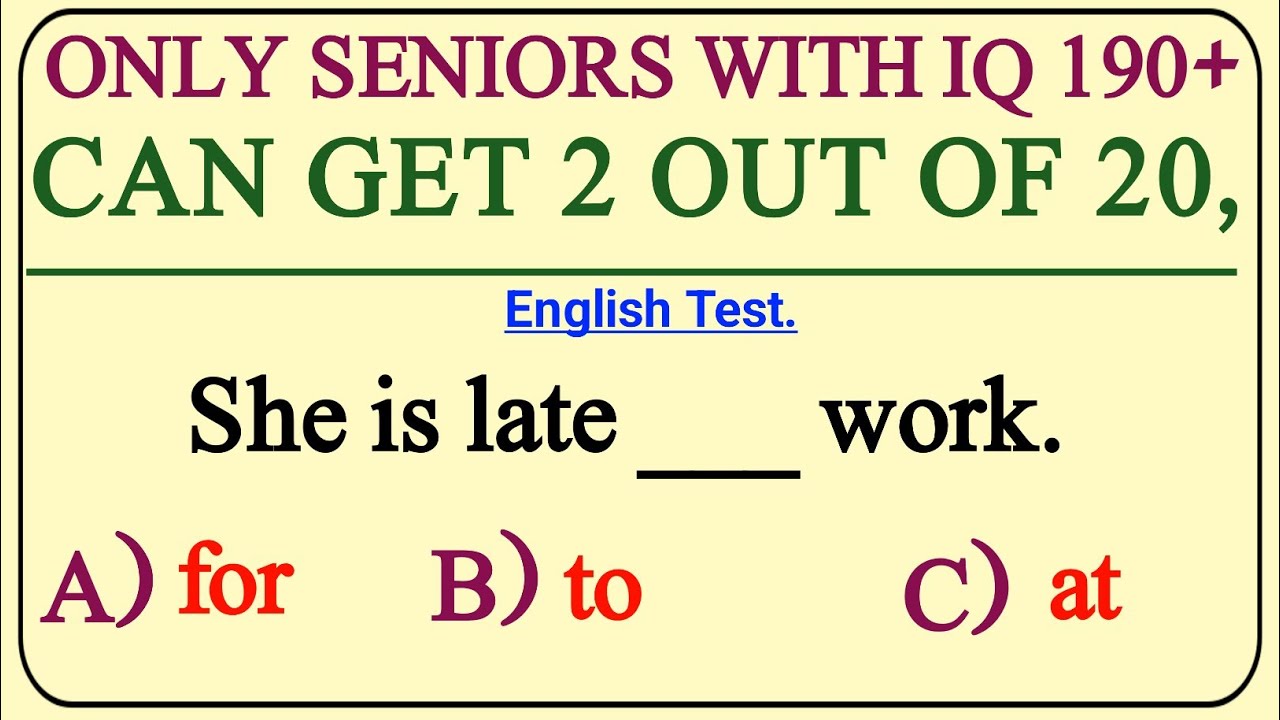
ONLY SENIORS WITH IQ 190+ CAN GET 2 OUT OF 20, | English grammar skills
EforEnglish161
582 views•2026-05-29

Why Japanese Has No Future Tense – Learn Japanese
FixBrokenJapanese
779 views•2026-06-02



