In English, we use the verb 'to be' (am, is, are) to express age, not 'have' or 'has' (e.g., 'I am 53' instead of 'I have 53 years'), which differs from many other languages where 'have' is commonly used for age.
Install our extension to search inside any video instantly.
Why English Says “I Am 53” and Not “I Have 53 Years".Added:
So, why do we say there are many people here instead of saying have many people here?
Because English uses two different structures when talking about existence and possession. There is and there are show existence. For example, there is a book on the table. It exists.
There are many people here. Having has show possession.
I have a car.
She has a dog.
If something exists, there is and there are.
If someone has possession of something, have or has.
But, here's the common mistake.
In many languages, people use have for age. I have 53. But, in English, we use to be. I am 53.
So, age uses to be.
Speak clearly and be understood.
Related Videos

WIL in Afrikaans is not WILL in English? | Ek leer Afrikaans | Part 6
afrikaanswithannelize
229 views•2026-05-28

How Brits Say British Pronunciation
MrBranicus
1K views•2026-05-30

🎵 A to Z Kids Song | Cute ABC Animation for Children
ABC_Little_Heros
10K views•2026-05-30

basque influence uniquely different spanish
Davantsi
761 views•2026-05-31

10 German Grammar Rules That Unlock the German Language | A1-B1 | Learn German
LearnGermanOriginal
357 views•2026-05-29

How To Express Disappointment In English #english #speakenglish #languagelearning #airlearn #viral
english_w_remi
6K views•2026-05-29
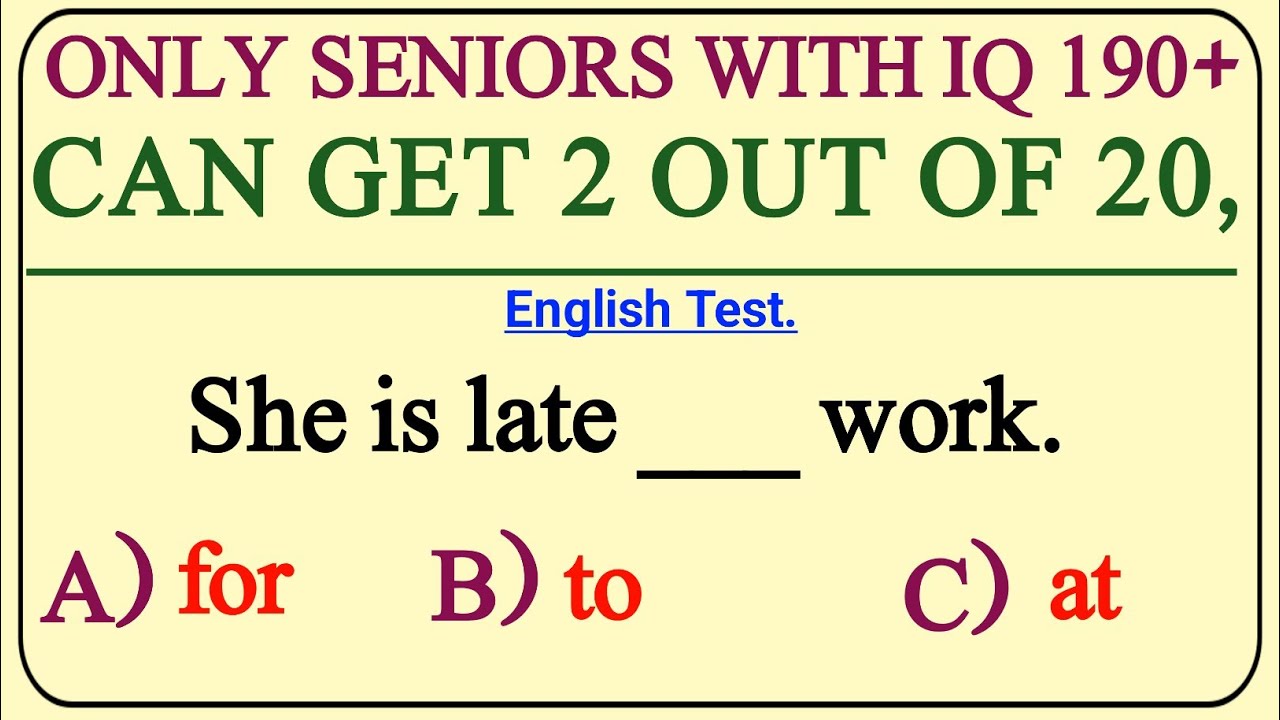
ONLY SENIORS WITH IQ 190+ CAN GET 2 OUT OF 20, | English grammar skills
EforEnglish161
582 views•2026-05-29
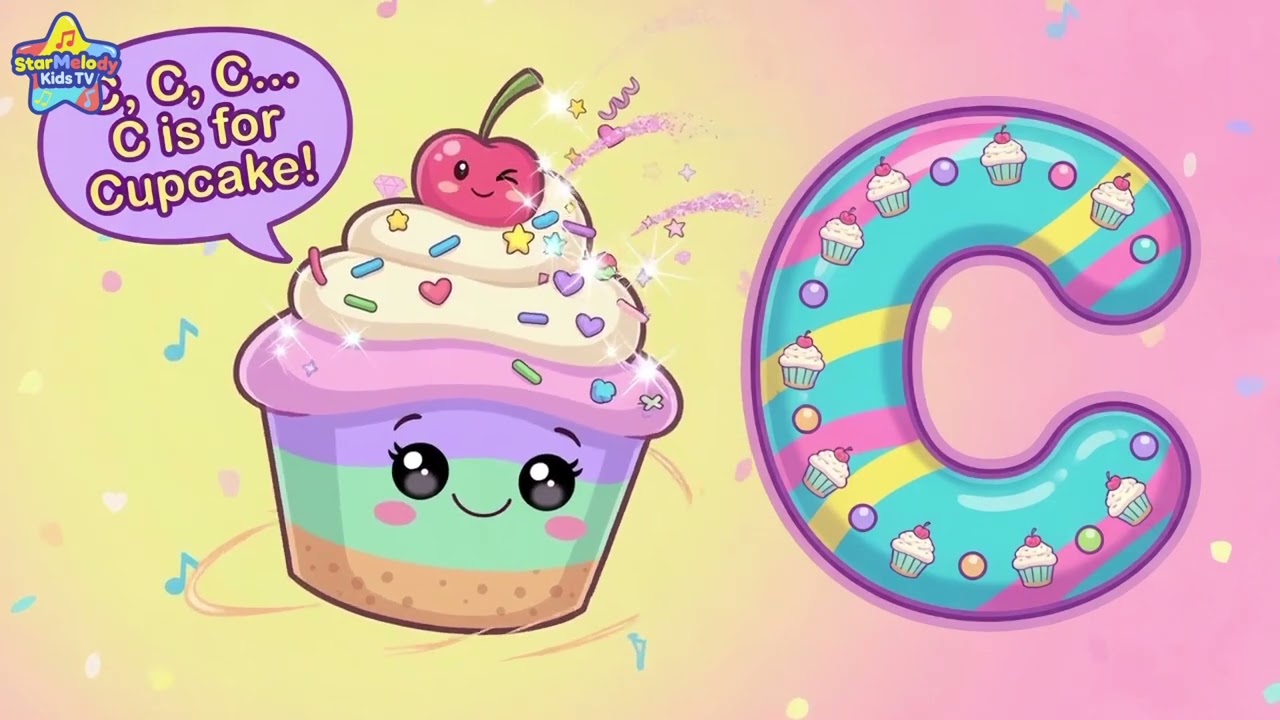
Super Fun ABC Vocabulary 🎵 | English Words from A to Z
StarMelodyKids-TV
280 views•2026-05-29



