In German, modal verbs are always followed by a second verb in the infinitive form at the end of the sentence, and the main verb must always occupy the second position in the sentence; when a sentence does not begin with the subject, the verb and subject must be inverted to maintain this position rule.
拡張機能をインストールして、あらゆる動画内を即座に検索しましょう
German Sentence Structure Secrets 🇩🇪 Where Does “Can” Go? ✅追加:
Now, I'd like to point out two things.
First, modal verbs usually come with a second verb in the sentence, and this second verb will be in the end of the sentence.
As you can see in the first example, you have the verb können and the second verb essen in its infinitive form at the end.
The second thing is that in all these examples, you can see that the verb in German always has to be in the second position. So, when you don't start a sentence with a subject, the verb and the subject are inverted.
For example, hier können Sie Briefmarken kaufen.
So, here you start the sentence with hier.
You don't say they can buy stamps. That would be Sie können Briefmarken kaufen.
But, you start with hier, which is not the subject, so you have to invert the verb and the subject.
関連おすすめ

How Brits Say British Pronunciation
MrBranicus
1K views•2026-05-30

🎵 A to Z Kids Song | Cute ABC Animation for Children
ABC_Little_Heros
10K views•2026-05-30

basque influence uniquely different spanish
Davantsi
761 views•2026-05-31

10 German Grammar Rules That Unlock the German Language | A1-B1 | Learn German
LearnGermanOriginal
357 views•2026-05-29

How To Express Disappointment In English #english #speakenglish #languagelearning #airlearn #viral
english_w_remi
6K views•2026-05-29
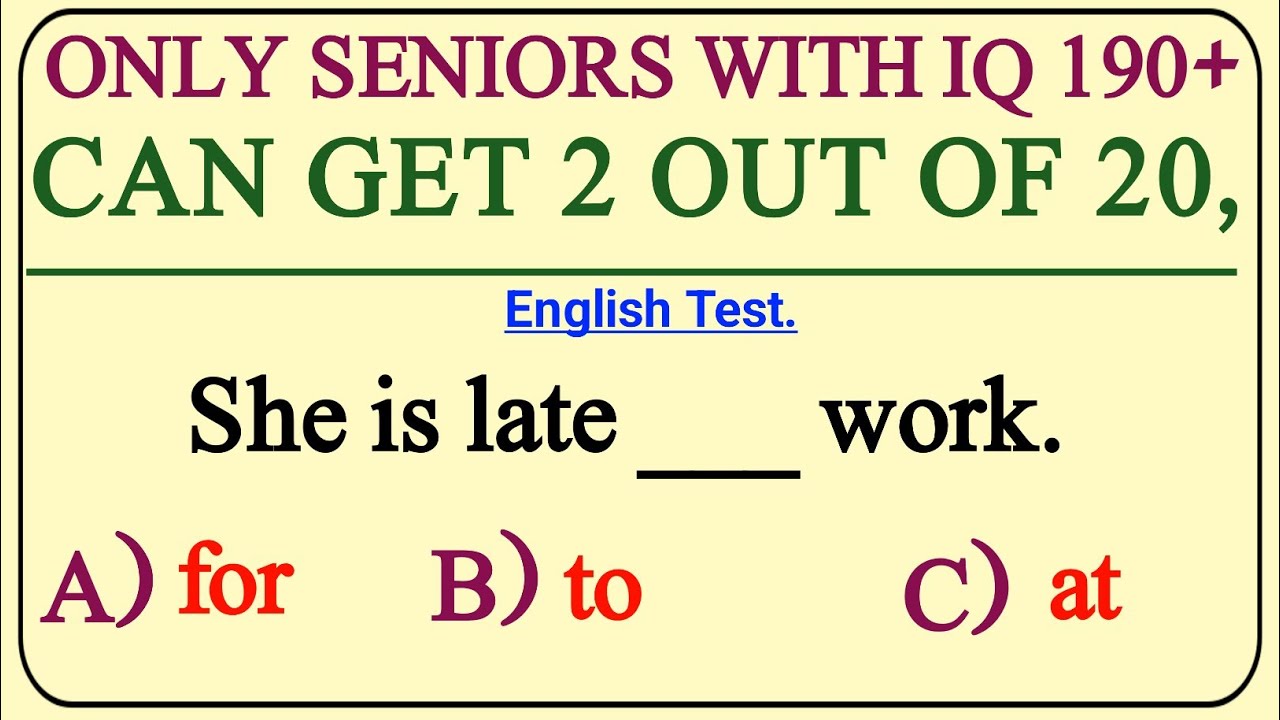
ONLY SENIORS WITH IQ 190+ CAN GET 2 OUT OF 20, | English grammar skills
EforEnglish161
582 views•2026-05-29

Why Japanese Has No Future Tense – Learn Japanese
FixBrokenJapanese
779 views•2026-06-02

Super Fun ABC Vocabulary 🎵 | English Words from A to Z
StarMelodyKids-TV
280 views•2026-05-29


