Rising housing costs, including increased rents, mortgage rates, and living expenses, have forced approximately 900,000 Americans to live in RVs, campers, vans, and cars as a survival strategy rather than a lifestyle choice, with this trend particularly affecting employed workers, seniors, and families who cannot afford traditional housing despite working full-time jobs.
Install our extension to search inside any video instantly.
It's Not Van Life — 900,000 Americans Are Sleeping in RVs Just to Survive (2026)
Added:And Mara, those RVs, the homeless, they are still there right in front of this business. The city came by with one of its care units earlier, cleaned up the trash, but a few hours later, the RVs, everything else, it's back. And then you have the business owner, the one who's been blasting out all that loud noise, disturbing noise. He's out with some video tonight saying enough's enough.
And he says the video proves his point about just how threatening it's become.
Watch this. This isn't RV life. It's survival. Nearly 900,000 Americans are now sleeping in RVs, campers, vans, and cars because they can no longer afford a home. Families, seniors, and even full-time workers are being pushed into vehicle living. And the reasons behind it are more alarming than most people realize. For years, RV living was marketed as a symbol of freedom, travel, [music] and retirement. But in 2026, that image has changed dramatically.
Across the United States, a growing number of people are living in RVs, not because they want to explore the country, but because they simply cannot afford traditional housing anymore.
Housing advocates and researchers agree that hundreds of thousands of Americans now rely on RVs, campers, vans, and other vehicles as their primary shelter, making vehicle homelessness one of the fastest growing forms of housing insecurity in the nation today. The broader housing crisis helps explain why. According to the latest federal point in time count, roughly 745,000 Americans experienced homelessness on a single night in early 2025, including more than 266,000 people sleeping unsheltered in places such as streets, tents, cars, and RVs.
Although overall homelessness declined slightly from the previous year, it remains near historic highs and well above levels seen before the pandemic began. Housing costs remain one of the single biggest drivers behind this trend. Rents increased much faster than wages in many metropolitan areas, while mortgage rates made buying a home far less affordable for average families.
[music] At the same time, the supply of affordable housing has failed to keep pace with population growth, leaving millions of lower and middle inome households financially stretched thin.
For many families, an RV becomes the last option before sleeping unsheltered.
It provides a roof, some privacy, electricity, and mobility. What once represented adventure has become an emergency housing solution for people trying to survive one of the most expensive housing markets in American history. One of the biggest misconceptions about homelessness is that it only affects people without jobs. Today, an increasing share of Americans experiencing housing insecurity are employed full-time.
These individuals often work in hospitals, warehouses, restaurants, retail stores, delivery services, construction sites, and schools. Despite working 40 or more hours every week, many still cannot afford rent in the communities where they work each day.
The problem is simple. Wages have not kept up with living costs. In many cities, even modest apartments require incomes far above what service sector or entry-level workers earn. Add rising grocery prices, higher insurance premiums, medical expenses, [music] student loans, or child care costs, and many households have little financial cushion left over. Missing just one paycheck due to illness, layoffs, or reduced hours can quickly lead to eviction.
Research consistently shows that housing affordability is one of the strongest predictors of homelessness.
Areas with rapidly increasing rents tend to experience larger increases in homelessness because financially vulnerable households have fewer options when housing costs spike suddenly. Real world stories increasingly reflect this reality. News reports have documented couples with steady jobs living in campers because their combined income is still not enough to qualify for or afford stable housing. Some continue working every single day while showering at gyms, cooking outside, and sleeping in aging RVs or trailers parked quietly on private property. This trend has created what many call the working homeless. These are not people unwilling to work. They are people whose earnings no longer match today's housing costs.
Their experience highlights how steady employment alone is no longer a guarantee of housing security in many parts of the United States. Today, vehicle living has become especially visible today in several high-cost states where housing affordability has deteriorated over the past decade.
California remains the most prominent example because of its extremely high home prices, expensive rental markets, and large unsheltered homeless population.
Cities such as Los Angeles, San Francisco, San Diego, Oakland, and San Jose have seen thousands of people living in cars, vans, [music] campers, and RVs. California is not alone. Washington, Oregon, Colorado, Arizona, Nevada, Texas, and Florida have also experienced rising housing costs combined with rapid population growth.
In these states, many workers have relocated seeking jobs, only to discover that rent has risen much faster than incomes. Vehicle living is especially common in urban and suburban industrial areas where workers can stay closer to employment opportunities.
Large warehouse districts, transportation corridors, and commercial zones often become informal overnight parking locations for RV residents searching for a safe place to rest.
Local governments have responded differently to this trend. Some cities have introduced designated safe parking programs, while others have adopted stricter parking enforcement or anti-amping ordinances. San Francisco, for example, has moved toward tighter restrictions on oversized vehicles parked on city streets while also expanding outreach and transition programs for some residents. Communities continue debating how to balance neighborhood concerns with the reality that many RV residents simply have nowhere else to go. In several Bay Area communities, stricter enforcement in one city has often resulted in vehicle dwellers moving into neighboring jurisdictions rather than finding permanent housing. The growing number of RVs parked in industrial districts, [music] side streets, and commercial lots has become one of the clearest visual signs of America's ongoing housing affordability challenge.
For many Americans, purchasing a used RV has become a financial calculation rather than a lifestyle choice. In numerous housing markets, monthly rent for a one-bedroom apartment now exceeds the combined monthly cost of financing an older RV, paying insurance, and renting a campsite or parking space each month. A modest apartment in many major metropolitan areas can easily cost well over $2,000 per month before utilities.
By comparison, some older used travel trailers or motor homes can be purchased for a fraction of that cost with monthly loan payments that are significantly lower. Although RV owners still face expenses for maintenance, propane, fuel, repairs, registration, and campground fees, the total can sometimes remain below local apartment rents. However, this comparison comes with several important trade-offs worth considering carefully.
>> [music] >> RVs depreciate quickly, require regular repairs, and provide much less living space than a typical apartment. Older units often suffer from roof leaks, plumbing failures, electrical issues, or expensive engine repairs. Access to water, sewage hookups, electricity, and reliable internet can also be inconsistent depending on where the vehicle is parked. Campground prices have increased substantially in many areas due to rising demand and monthly RV site rentals have become more expensive than many people expected.
Some parks also maintain waiting lists because long-term occupancy has increased steadily. Despite these clear drawbacks, thousands of households across the country make the same calculation. Living in an RV may not be comfortable, but it can postpone eviction, reduce monthly housing costs, or provide temporary stability while searching for permanent housing. For many families, it represents the difference between having a roof overhead and having nowhere at all to sleep. Behind nearly every discussion about homelessness, rising rents, or RV living lies one fundamental issue. The United States does not have enough affordable housing to meet demand.
Economists have warned for years that new construction has failed to keep pace with population growth, especially for lower and middle inome households.
Following the housing crash of 2008, residential construction slowed dramatically. Although building activity eventually recovered, many new developments focused on higherpriced homes or luxury apartments rather than affordable units. At the same time, millions of existing lowerc cost homes became more expensive because of rising land values, higher construction costs, labor shortages, and increased financing expenses.
Mortgage rates also changed the equation. Higher borrowing costs reduced purchasing power for firsttime buyers, forcing households to remain renters longer. Increased competition for rental housing placed upward pressure on rents, making affordability even harder to achieve. Research increasingly links rising rents to higher homelessness rates. Studies have found that when housing costs increase rapidly, vulnerable households are more likely to experience instability because they have little financial reserve to absorb unexpected expenses.
This shortage affects nearly every segment of society. Young adults struggle to leave their parents' homes.
Families compete for limited affordable apartments. Seniors on fixed incomes face rising housing costs. Workers relocate farther from jobs to find lower rents, leading to longer commutes and higher transportation costs. Until housing supply grows or costs become more aligned with wages, many experts expect affordability to remain one of the biggest economic challenges facing American families. For an increasing number of households, RV living has become an emergency response to that structural problem, not a lifestyle they intended to choose. While housing costs remain the biggest reason many Americans are turning to RVs, job loss often becomes the event that pushes families over the edge. A household may be managing high rent and monthly bills until one person is laid off. Without emergency savings, a few missed paychecks can quickly lead to missed rent, eviction notices, and eventually living out of a vehicle. Layoffs can still have devastating effects because many families have limited savings.
Surveys show that a large share of Americans would struggle to cover an unexpected emergency expense without borrowing money. The problem is worse in cities with high housing costs. Someone earning a solid salary may still spend 35 to 50% of income on rent alone. After a layoff, unemployment benefits often replace only a portion of previous wages, making it difficult to keep up with housing payments. Many people who move into RVs describe it as a temporary fix. They hope to find another job within weeks or months while avoiding complete homelessness. Some sell their homes, buy used campers, and move into RV parks while searching for new employment. Others already own an RV and use it as emergency housing after losing an apartment. Financial experts emphasize that job loss alone rarely causes homelessness. Instead, it is the combination of layoffs, high housing costs, inflation, medical bills, and debt that creates a situation where one unexpected event can change a family's living conditions overnight. One of the most concerning trends in recent years has been the rapid increase in homelessness among older Americans. Many seniors spent decades working, paying taxes, and preparing for retirement. Yet rising housing costs have left thousands struggling to afford basic living expenses.
Most retirees depend primarily on social security, pensions, or retirement savings. While Social Security benefits receive annual cost of living adjustments, many seniors say those increases have not kept pace with rising rents, property taxes, insurance premiums, prescription drug costs, and everyday necessities. As a result, some older adults are forced to choose between paying for housing, buying groceries, or filling medications.
Research shows that adults over age 50 represent one of the fastest growing segments of the homeless population.
Experts warn that the aging of the population, combined with decades of rising housing costs, could significantly increase senior homelessness over the next decade if affordable housing remains limited. Many seniors who move into RVs are not seeking adventure. Instead, they are trying to stretch limited retirement income. Monthly RV site fees can sometimes cost less than apartment rent, allowing retirees to remain independent without immediately entering shelters or relying on family members for support.
However, RV living becomes increasingly difficult with age. Maintenance, repairs, climbing steps, emptying holding tanks, driving long distances, and managing medical conditions become more challenging every year. Many older RV residents also struggle to access health care consistently if they move frequently from place to place.
Advocates argue that senior homelessness represents more than an economic problem. It is a reflection of broader challenges involving affordable housing, retirement security, health care costs, and an aging population that increasingly cannot afford traditional housing options anymore. Perhaps the most heartbreaking part of America's housing crisis is the growing number of children living in RVs, campers, vans, and cars. While many people picture homelessness as affecting single adults, thousands of families with children now rely on vehicles as temporary or long-term housing because traditional homes have become financially out of reach. The US Department of Education has reported well over 1 million public school students experiencing homelessness during recent school years under the broader federal definition, which includes children living in motel, shelters, doubled up housing, and in vehicles.
For children living in RVs, maintaining a normal daily routine can be incredibly difficult. Many families park near schools so children can attend the same classrooms. Parents often wake before sunrise to drive to work, prepare meals using portable stoves, visit laundromats, and find safe places to park overnight. Access to electricity, clean water, internet service, and quiet places for homework can vary from day to day. Children living in RVs often experience extra emotional stress, limited privacy, uncertainty about where they will sleep each night, and frequent moves can affect school performance, friendships, and mental health. Parents work hard to provide stability, but maintaining normal family life inside a small vehicle presents obviously challenges. Community organizations, [music] school districts, churches, and nonprofit groups have expanded assistance programs that provide food, school supplies, showers, internet access, and emergency housing support.
These services help many families avoid complete homelessness while working toward permanent housing solutions. For many parents, living in an RV is not about choosing a simpler lifestyle. It is about protecting their children from sleeping on the street while continuing to work toward lasting financial stability.
Although living in an RV is often viewed as a cheaper alternative to renting an apartment, many people quickly discover that mobile living comes with its own growing list of expenses. In fact, some families who moved into RVs to save money have found that costs continue rising every single year.
Fuel is one of the largest ongoing expenses, especially for motor homes that average only 6 to 10 m per gallon.
Even travel trailers require trucks that consume large amounts of gasoline or diesel. Long-d distanceance moves can become expensive quickly for families already stretched thin. Insurance premiums have also increased as repair costs rise. Modern RVs contain appliances, plumbing systems, electronics, slide outs, solar equipment, generators, and air conditioning systems that can be expensive to repair. Even routine maintenance such as tires, brakes, batteries, roof resealing, propane refills, and water system repairs can cost hundreds or thousands of dollars a year. Campground prices have increased substantially in many parts of the country. Monthly site rentals that once cost a few hundred can now exceed $800 to $1,500 in desirable locations, especially with utilities included. Some long-term RV parks maintain waiting lists because demand remains high.
Unexpected repairs create another financial challenge. A failed transmission, roof leak, [music] water damage, refrigerator replacement, or generator failure can easily cost several thousand.
For families already living paycheck to paycheck, these repairs may require loans or credit cards. While RV living may still cost less than renting in expensive cities, it is far from free.
Experts remind prospective owners that mobile housing requires careful budgeting because maintenance and operating costs continue regardless of where the vehicle is parked. One of the biggest questions people ask is this. If someone lives in an RV but cannot afford a campground every night, where do they actually park?
The answer varies widely depending on local laws, available space, and personal circumstances.
Many RV residents stay in commercial campgrounds or long-term RV parks whenever they possibly can. These locations provide electricity, water hookups, sewer connections, laundry facilities, and greater security.
However, [music] limited availability and rising monthly fees mean not everyone can secure a space. Others rely on overnight parking at local businesses that allow it. Certain truck stops, casinos, fairgrounds, and some private businesses permit overnight RV parking, although policies vary by location, and many now impose restrictions because of growing demand from RV owners.
Public lands managed by the Bureau of Land Management and portions of national forest land offer dispersed camping in many western states. These areas are popular because they allow temporary stays at little or no cost, but they often lack running water, trash collection, or electrical hookups.
Some RV residents rotate between industrial streets, church parking lots with permission, friends driveways, storage facilities, and safe parking programs operated by local governments or nonprofit organizations.
Safe parking programs provide designated locations where people living in vehicles can park legally overnight while accessing bathrooms, social services, and housing assistance.
Unfortunately, not every community welcomes vehicle living with open arms.
Overnight parking bans, time limits, towing, fines, and anti-amping ordinances have become far more common in many cities across the country. As enforcement increases, many RV residents are forced to move frequently, creating additional stress and making it even harder to maintain stable employment and steady daily routines.
As more Americans began living full-time in RVs, vans, and cars, many cities found themselves balancing two difficult priorities at once. They wanted to help people experiencing housing insecurity while also responding to complaints about sanitation, parking, safety, [music] and public space.
As a result, many local governments have adopted stricter rules on overnight parking and vehicle habitation. [music] In recent years, cities such as Los Angeles, San Francisco, San Diego, Seattle, Portland, Denver, and Phoenix have expanded enforcement against oversized vehicles parked on residential streets for extended periods. Some communities prohibit sleeping inside vehicles on public streets altogether, while others limit parking to only a few hours before drivers must move.
Supporters of these ordinances argue they are necessary to maintain public safety, reduce illegal dumping, improve traffic visibility, and prevent long-term encampments from forming.
Critics counter that these policies often displace people rather than solve homelessness. When RV residents are forced to move from one neighborhood, many simply relocate a few miles away instead of finding permanent housing.
Several cities have attempted a different approach by creating safe parking programs. These designated lots allow people living in vehicles to park legally overnight while accessing restrooms, trash collection, showers, [music] case management, and housing assistance services. Studies suggest these programs can provide greater stability while individuals search for permanent housing options.
>> And everybody's looking at fuel prices.
They're very high. Obviously, that has a direct impact on the RV sector. And it's it's your what you heard at that breakfast is if these average prices stay around 4 and a2, the impact should be muted in the RV industry.
>> The challenge remains truly enormous because housing supply has not kept pace with demand. Local governments continue spending billions of dollars every year on homelessness programs. Yet, many communities still struggle to reduce unsheltered homelessness. For families living in RVs, changing local ordinances can mean constantly searching for new places to park, making daily life increasingly uncertain and stressful.
For decades, RV parks mainly serve tourists, retirees, and seasonal travelers. Today, many have become long-term residential communities as more Americans use RVs as permanent housing rather than vacation vehicles.
Demand has increased significantly over the past several years. In many regions, monthly RV sites are fully occupied and waiting lists have become common. Some parks report that residents remain for years rather than weeks, reducing turnover and making it difficult for new arrivals to find available spaces.
Several factors have contributed to this trend. Rising apartment rents have encouraged families to seek lowercost alternatives. Higher mortgage rates have delayed home purchases for many firsttime buyers. At the same time, retirees on fixed incomes often choose RV parks because monthly costs may remain lower than apartment rents in nearby cities. This increased demand has also pushed prices upward. Monthly site rentals that once cost a few hundred can now exceed $1,000 in popular areas, particularly when utilities, internet, and full hookups are included. Premium locations near major cities or coastal regions can cost even more each month.
Many RV park owners have responded by investing in additional amenities, including high-speed internet, laundry facilities, fitness rooms, dog parks, and community centers. However, expanding RV parks has become increasingly difficult due to zoning regulations, land costs, and local opposition from nearby residents. As a result, affordable RV spaces remain limited in many areas. Families who lose a campsite often have few alternatives besides rotating between parking lots, public lands, or city streets. The shortage of long-term RV sites has become another reflection of the broader shortage of affordable housing across the United States today. Living in an RV because of financial necessity affects far more than just housing. It also places significant ongoing pressure on mental and emotional well-being.
Constant uncertainty about where to park, how to afford repairs, or whether local police will ask someone to move creates lasting stress that can persist for months or even years.
Mental health professionals describe this as living in survival mode. Instead of planning for the future, individuals focus almost entirely on meeting immediate needs, finding safe parking, accessing clean water, charging phones, buying fuel, and [music] protecting belongings.
This constant pressure leaves little energy for long-term goals such as education, career advancement, or financial planning. Families often experience additional strain, too.
Couples may disagree about finances.
Children may struggle with instability.
And parents frequently worry about keeping daily life as normal as possible. Limited living space also reduces privacy, making it difficult to relax or spend time alone. Sleep can become another major nightly issue for many people. Noise from nearby traffic, concerns about theft, weather conditions, or fear of receiving parking citations often interrupt rest.
Poor sleep contributes to fatigue, anxiety, depression, and reduced work performance over time. Social isolation is another overlooked challenge for many. Many people living in RVs avoid discussing their housing situation because they fear judgment from employers, co-workers, or friends. This isolation can increase feelings of loneliness and hopelessness among those affected. Despite these challenges, many RV residents demonstrate remarkable resilience. Community organizations, churches, [music] support groups, and fellow RV owners often provide emotional support, practical advice, and access to essential services. Even small acts of assistance can make a real difference for families working toward more stable housing. Although many people enter RV living because of financial hardship, some eventually use it as a stepping stone toward rebuilding their lives. The key difference often lies in whether the RV becomes temporary housing while working toward financial recovery rather than a permanent situation without a long-term plan. One common strategy involves relocating to lowerc cost areas where housing is more affordable.
Families moving from expensive metropolitan regions to smaller cities often find lower rents, reduced expenses, and improved employment opportunities nearby. Others participate in seasonal employment programs.
National parks, campgrounds, amusement parks, agricultural operations, and fulfillment centers frequently hire temporary workers, and sometimes provide RV sites as part of employee pay. These arrangements, often called work amping, allow people to earn income while reducing housing costs. Remote work has also created new opportunities.
Individuals with reliable internet connections may work in customer service, software development, accounting, graphic design, marketing, or other online professions while living in an RV. This flexibility allows them to choose locations with lower living expenses.
Financial counseling and nonprofit assistance programs have helped many households recover from temporary crises. Rental assistance, debt management programs, emergency grants, workforce training, and affordable housing initiatives can prevent temporary setbacks from becoming long-term homelessness.
Many families also use RV living to save money for future permanent housing. By reducing monthly expenses for a limited period, they gradually rebuild emergency savings, improve credit scores, and prepare for apartment deposits or eventual home purchases.
Experts emphasize that successful transitions usually involve multiple factors working together, including stable employment, affordable housing, manageable debt, and access to community support. Without these elements, escaping housing insecurity becomes much more difficult for struggling households. Housing economists generally agree that the affordability crisis will not disappear overnight. Although inflation has moderated compared with its peak, housing costs remain historically high in many parts of the country and millions of households continue spending a large share of their income on rent or mortgage payments each month. One encouraging sign is that apartment construction increased in many regions in recent years, adding new rental units to the market. Increased supply has helped slow rent growth in some metropolitan areas. However, affordability remains a challenge because many newly built apartments target middle or higher income renters rather than households with lower incomes. Mortgage rates continue to influence the housing market as well.
Higher borrowing costs reduce purchasing power for firsttime home buyers, keeping more people in rental housing and maintaining pressure on apartment demand. If mortgage rates decline meaningfully, home ownership could become more accessible for some households, easing competition in rental markets. Experts also point to wage growth as an important factor. While wages have increased in many industries, they have not fully offset years of rising housing costs in many high-cost cities. Until incomes and housing costs become better aligned, financial pressure on working families is likely to continue. Most analysts believe RV living will remain common among certain groups, including retirees, seasonal workers, remote employees, and individuals rebuilding after financial setbacks.
However, they also emphasized that many households living in RVs would likely choose permanent housing if affordable options became available.
The future of vehicle living therefore depends largely on whether the United States can expand affordable housing, improve income stability, and reduce the financial pressures that continue pushing families toward alternative forms of shelter. For generations, the American dream meant owning a home, building financial security, and creating a stable future for the next generation.
Yet, for a growing number of families, that dream has become difficult to achieve. Instead of saving for a first home, many are trying to keep a used RV running, searching for legal places to park and hoping they can avoid another unexpected financial emergency.
The rise of full-time RV living as a survival strategy reflects larger economic forces. Housing prices have increased faster than incomes in many regions. Rent consumes a growing portion of household budgets. Healthare, child care, insurance, and transportation costs continue to rise. Even families with steady jobs still often find themselves living paycheck to paycheck.
It is important to recognize that not everyone living in an RV is experiencing hardship. Many retirees, travelers, and remote workers choose mobile living because they enjoy the flexibility and freedom it offers. But for hundreds of thousands of others, an RV is not a dream lifestyle. it is the last affordable housing option available to them. The challenges discussed throughout this video have no single solution. Addressing housing shortages, expanding affordable housing, increasing wages, improving access to mental health services, and strengthening community support will all play important roles in reducing housing insecurity.
Ultimately, the growing visibility of RV living reminds us that homelessness is not always obvious. It can exist quietly in parking lots, campgrounds, industrial streets, and neighborhoods across America.
Understanding why people turn to RVs for survival provides a clearer picture of the housing challenges facing the country and why so many Americans believe affordable housing remains one of the nation's most urgent issues today.
Housing crisis isn't just changing where people live, it's changing the future of an entire generation.
What do you think is the biggest reason so many Americans are being forced into RVs? Share your thoughts in the comments below. And if you want to see what's happening next in America's economy and housing market, click on the next video on your screen. We'll see you there.
Related Videos
2:26
Sociology
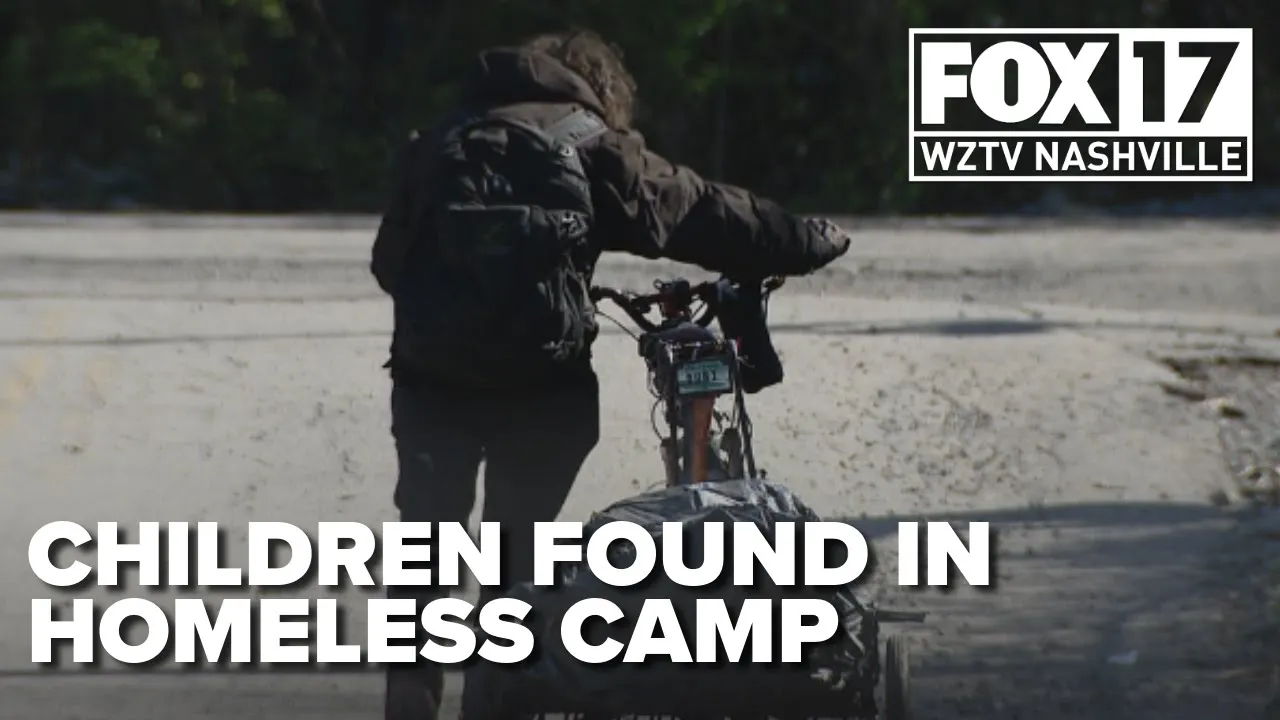
Children found neglected, malnourished in Nashville homeless camp
Fox17Nashville
1K views•2025-03-19
37:29
Sociology
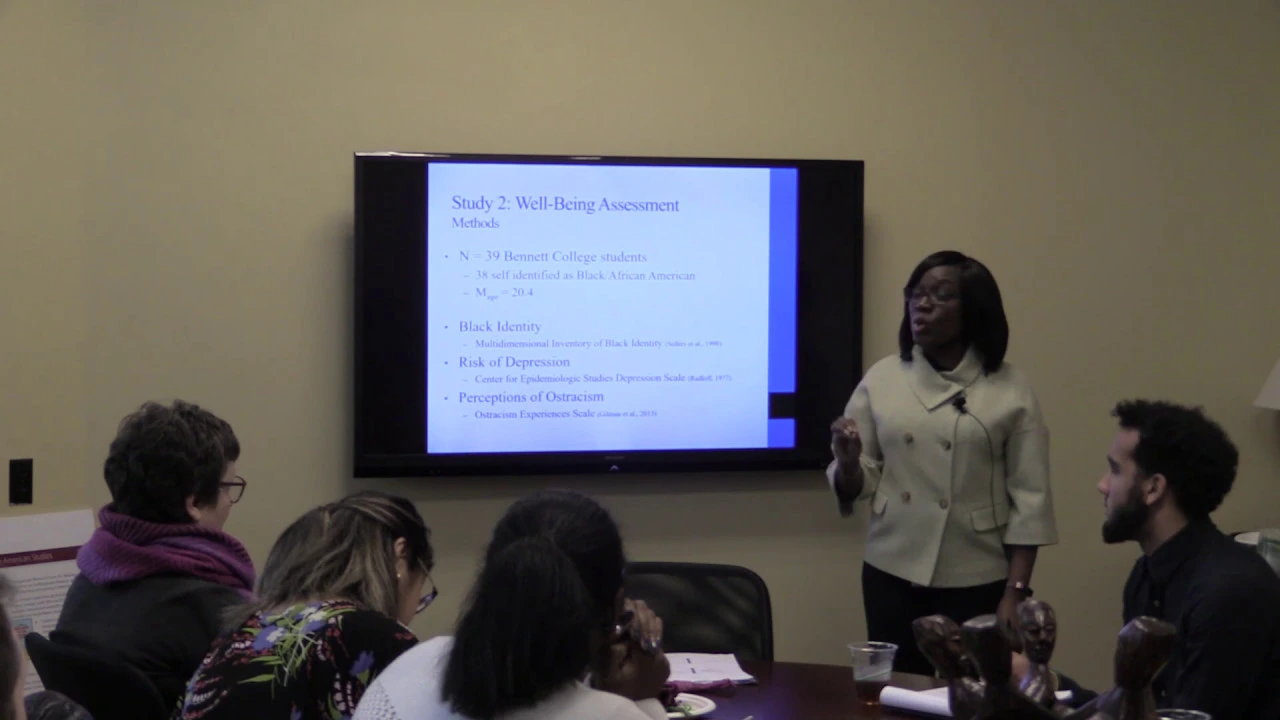
Race Still Matters | Santiba Campbell
ElonTLT
104 views•2019-03-01
31:06
Sociology
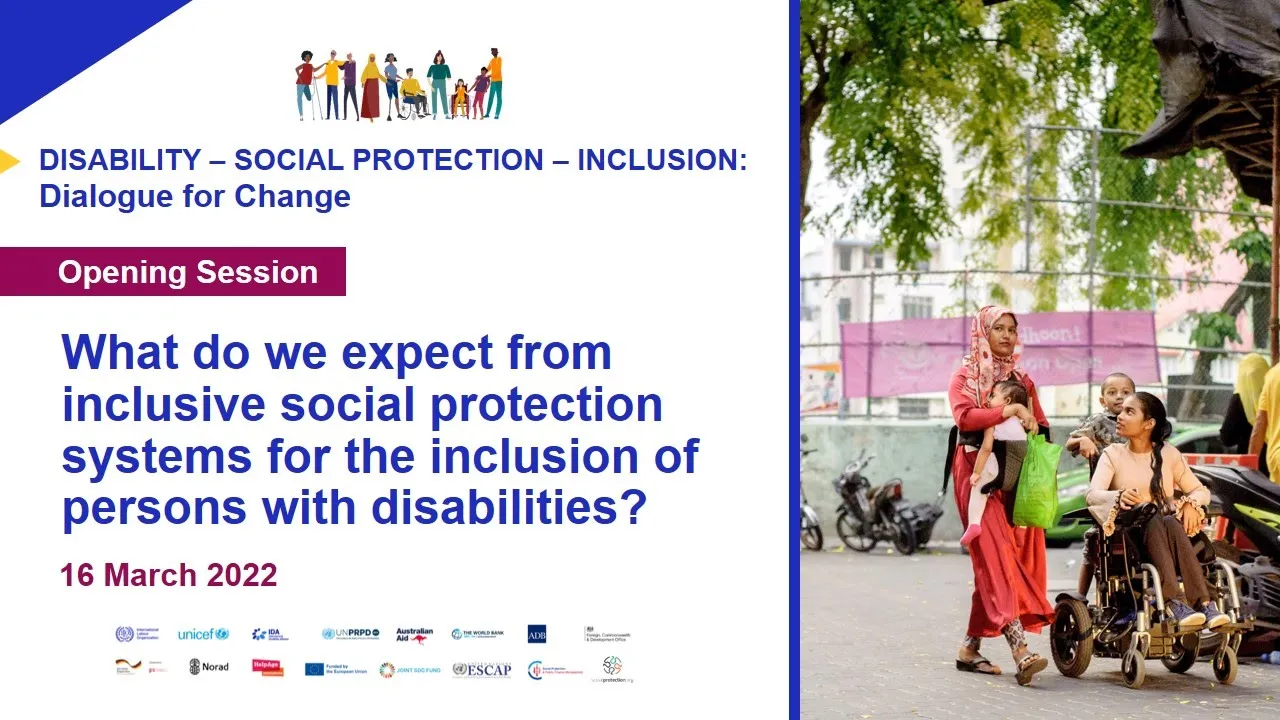
Opening session | Disability—Social Protection—Inclusion: Dialogue for Change
socialprotectionorg
155 views•2022-04-15

24:29
Sociology
Domestic Violence in Utah
UtahStories
113 views•2023-08-18

4:12
Sociology
What is disability at work?
fnegemedias8982
104 views•2025-10-23

0:44
Sociology
Povertys Impact On Childhood Choices
ItsMoreThanJustPovertyPodcast
902 views•2026-04-25
1:40
Sociology
Islamofobia meningkat di Australia sejak 7 Oktober 2023
astroawani
258 views•2025-09-12

1:00:00
Sociology
Millennials, Parents and Grandparents: Family Transmission of Religion (and Non-Religion)
oregonstatehealth
520 views•2015-05-27
Trending

13:25
Business
Playstation NO DISC/NO BUY Fight Is Over...
DavidJaffeGames
4K views•2026-07-23

22:40
Business
Steam and Xbox Just Dropped The Hammer On PlayStation
OhNoItsAlexx
9K views•2026-07-23

16:52
Anthropology
Americans Confused in Australia for 17 Minutes Straight
IWrocker
17K views•2026-07-23

20:36
Business
SuperBike Factory Has Gone... What's Next for the Motorcycle Industry?
thatbikersimon
11K views•2026-07-22