These milestones oversimplify the brain's complex plasticity into a deterministic timeline that ignores individual lifestyle choices. Statistical averages should not be mistaken for an inevitable biological destiny.
拡張機能をインストールして、あらゆる動画内を即座に検索しましょう
Brain Has 4 Major Turning Points as You Age #brainhealth #facts #healthylifestyle #shorts追加:
Did you know your brain doesn't age in a straight line? Scientists have found four major turning points that change how your brain is wired. A new University of Cambridge study looked at brain scans from nearly 4,000 people from infancy all the way to age 90.
Researchers found five major stages of brain development marked by turning points at ages 9, 32, 66, and 83.
From birth to age 9, your brain is busy pruning. That means it removes weaker connections and keeps the ones used most often. At the same time, gray matter and white matter grow fast, helping with learning, memory, and development. At age 9, the brain enters a long stage that lasts until around 32.
Surprisingly, scientists say this is still a kind of adolescence for the brain. During this time, brain connections become more efficient and communication pathways get stronger.
Around age 32, the brain reaches a stable adult phase. From 32 to 66, there are still changes, but no major rewiring shift. This is like a long plateau where the brain's communication system stays relatively steady. Then comes age 66.
This is when brain wiring may start to break down more noticeably. White matter can decline faster and brain networks may become more separated into smaller groups. By age 83, the brain may become even more fragmented. Scientists compare it to bus routes. Some direct routes disappear, so information has to take longer paths. But these age points are based on averages across many people, so they are not exact deadlines for everyone. You are not suddenly going to wake up on your 66th birthday and feel your brain change. Instead, these ages show general patterns in how the brain tends to develop and age over time. Your lifestyle, health, learning, sleep, and daily habits still play a big role in brain aging.
関連おすすめ

Recovery pronouns. Neuroplasticity & practical neuroscience tips to help recover from pain & fatigue
Fantasticneuroplastic
907 views•2026-05-31

No Eyes, No Darkness? 👀😱
Huwatif
630 views•2026-06-02

I Saw the Thing Crash. Then I Lost Hours | Beyond Black Budget
BeyondBlackBudget
148 views•2026-05-30

Your Brain Is Actively Deleting Your Childhood Memories! 🧠🗑️ #Shorts #Anatomy #DidYouKnow
voiceless2345
225 views•2026-06-01
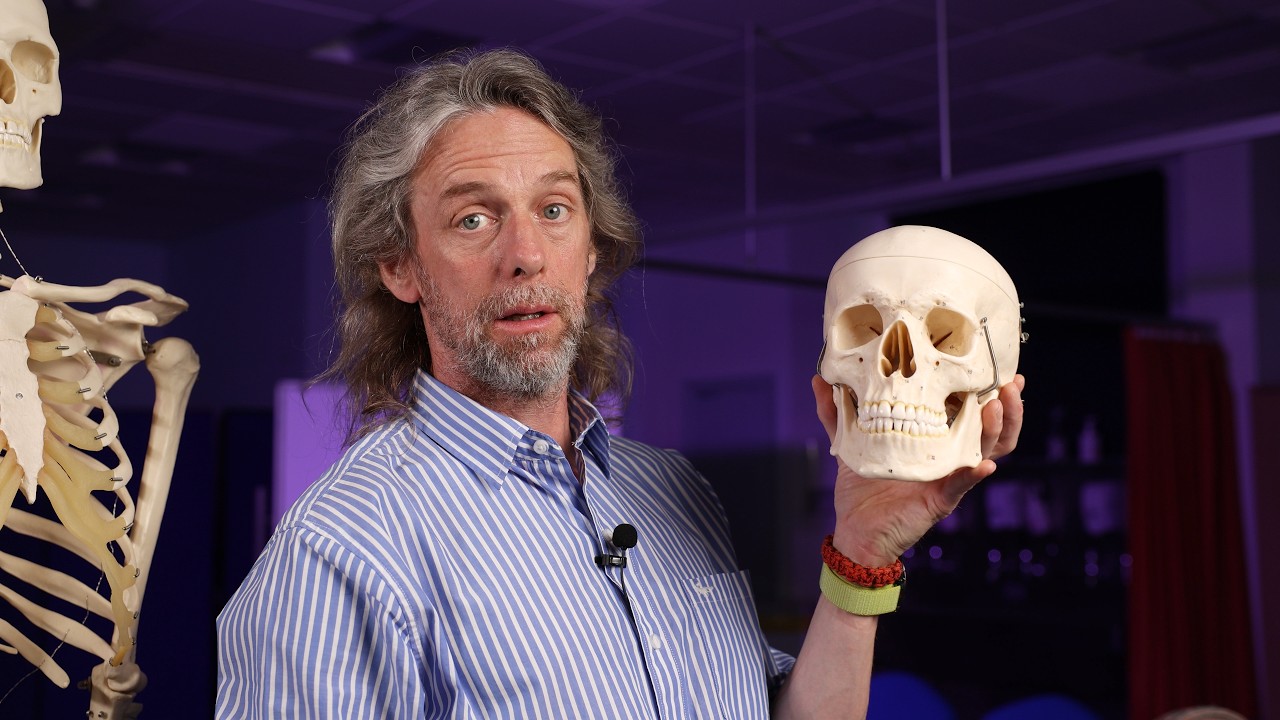
Neuroanatomy of smell (olfaction)
SamWebster
644 views•2026-05-28

What are you looking at
SuperStaticPro
1K views•2026-05-31

Size Illusion
WTFactt_t
1K views•2026-06-03

Why Trauma Doesn’t Just 'Go Away'
historyofsimplethings
1K views•2026-05-28



