The German verb 'stehen' can be combined with various prefixes to express different actions and states, such as 'aufstehen' (getting up), 'anstehen' (waiting in line), 'beistehen' (supporting someone), 'feststehen' (being fixed or certain), and 'abstehen' (sticking out). A key grammatical rule is that the prefix always detaches and moves to the end of the main clause in the present tense.
拡張機能をインストールして、あらゆる動画内を即座に検索しましょう
The many layers of 'stehen'.追加:
[music] [music] >> Mhm.
関連おすすめ

WIL in Afrikaans is not WILL in English? | Ek leer Afrikaans | Part 6
afrikaanswithannelize
229 views•2026-05-28

How Brits Say British Pronunciation
MrBranicus
1K views•2026-05-30

🎵 A to Z Kids Song | Cute ABC Animation for Children
ABC_Little_Heros
10K views•2026-05-30

basque influence uniquely different spanish
Davantsi
761 views•2026-05-31

10 German Grammar Rules That Unlock the German Language | A1-B1 | Learn German
LearnGermanOriginal
357 views•2026-05-29

How To Express Disappointment In English #english #speakenglish #languagelearning #airlearn #viral
english_w_remi
6K views•2026-05-29
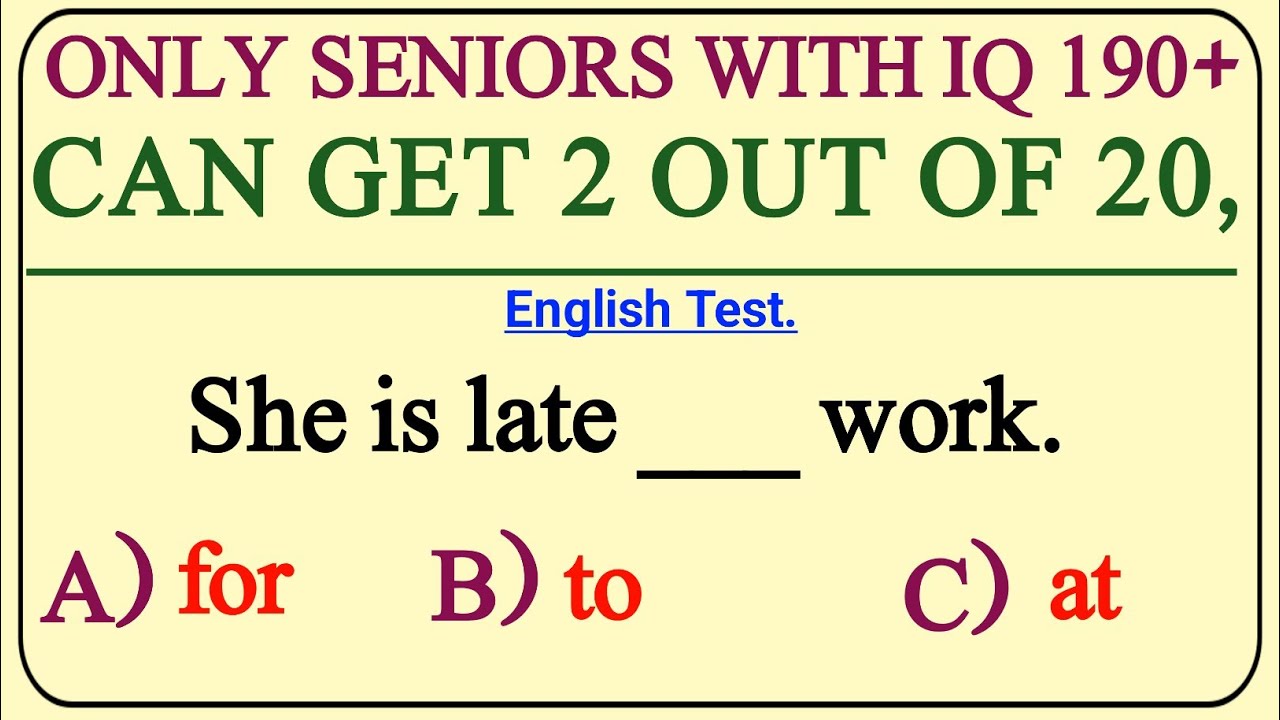
ONLY SENIORS WITH IQ 190+ CAN GET 2 OUT OF 20, | English grammar skills
EforEnglish161
582 views•2026-05-29

Why Japanese Has No Future Tense – Learn Japanese
FixBrokenJapanese
779 views•2026-06-02



