The phrase 'I feel for you' expresses genuine empathy and solidarity when someone is experiencing personal struggles such as breakups, job loss, or family problems, and should be followed by a specific offer of help to distinguish true empathy from pity.
Install our extension to search inside any video instantly.
【朝の聞き流し】「feel for someone」ネイティブのリアルな英語表現✨Added:
Okay, let's talk about a phrase that can be a total game-changer in English. I feel for you. It's powerful, it's heartfelt, and when you get it right, it can make all the difference in showing someone you genuinely care.
We have all been there, right? That awkward moment when a friend is telling you something awful and your mind just goes blank. You want to help, you want to say something comforting, but nothing sounds right. Well, we're about to fix that. So, first things first, let's break down what this phrase to feel for someone actually means, and more importantly, when you should use it. At its heart, feel for someone is all about empathy. It's way more than just saying, "Oh, that's too bad." It's you communicating that you're genuinely trying to understand what they're going through, to connect with their sadness on a much deeper level. So, when's the right time to pull this out? Well, think about the really tough stuff in life. A friend going through a brutal breakup?
Yep. A colleague just got laid off?
Absolutely. Someone dealing with complicated family problems? This is the perfect moment. Basically, any personal struggle where someone feels down. And you know what you're really saying when you use this phrase? You're saying, "Hey, I'm here. You don't have to go through this alone." And that feeling of solidarity, that can be incredibly powerful. All right, theory is one thing, but let's see how this actually sounds in a real conversation. Let's walk through how it would play out.
So, picture this. You run into your co-worker Mike, and you heard his big project just completely fell apart. You could just say, "Mike, I heard about what happened to your project. I really feel for you." See how simple that is?
It's direct, it's sincere. And just look at Mike's response. He feels seen, he feels supported. Your one little sentence just made a real impact and probably helped him feel a little less alone in a really tough week. It's not about fixing his problem, it's just about acknowledging his struggle. Okay, now let's level this up. How do we take this from just a good phrase to a great one? Well, there's a little secret to making it sound truly sincere.
It's a really simple two-step combo.
First, you say the phrase itself, "I really feel for you." But then, and this is the key, you immediately follow it up with a specific offer of help or some encouragement. This second step is what turns your sympathy into active support.
It shows you really mean it. And this, right here, is what separates true empathy from pity. And that's a huge difference. Pity can sometimes feel like you're looking down on someone. But empathy empathy is about standing right there with them in their struggle. It's about being on the same level.
Okay, you get it. You've got the meaning. You've seen an example. You even have the pro tip. Now, it's time for a little quiz. Let's put this to the test.
Okay, take a look at these three options. Which one is the absolute perfect time to use this phrase? A, B, or C? Think back to what we just talked about. I'll give you a second.
And the answer is B, of course. If you got that, nice job.
"I feel for you" is for sharing in someone's sadness. If your friend wins the lottery, you'd say, "I'm so happy for you." It just shows you how specific and important this phrase is for those difficult moments.
So, let's leave it with this final thought. Learning this isn't just about memorizing words, right? It's about connecting with people in a more meaningful way. So, take a second and think, who in your life might be having a tough time right now?
This week, you've got a new, powerful tool to reach out and let them know they are not alone.
Related Videos

Trump’s Reflecting LAKE update
concussiontalks_slp
15K views•2026-05-28

WIL in Afrikaans is not WILL in English? | Ek leer Afrikaans | Part 6
afrikaanswithannelize
229 views•2026-05-28

How Brits Say British Pronunciation
MrBranicus
1K views•2026-05-30

🎵 A to Z Kids Song | Cute ABC Animation for Children
ABC_Little_Heros
10K views•2026-05-30

basque influence uniquely different spanish
Davantsi
761 views•2026-05-31

10 German Grammar Rules That Unlock the German Language | A1-B1 | Learn German
LearnGermanOriginal
357 views•2026-05-29

How To Express Disappointment In English #english #speakenglish #languagelearning #airlearn #viral
english_w_remi
6K views•2026-05-29
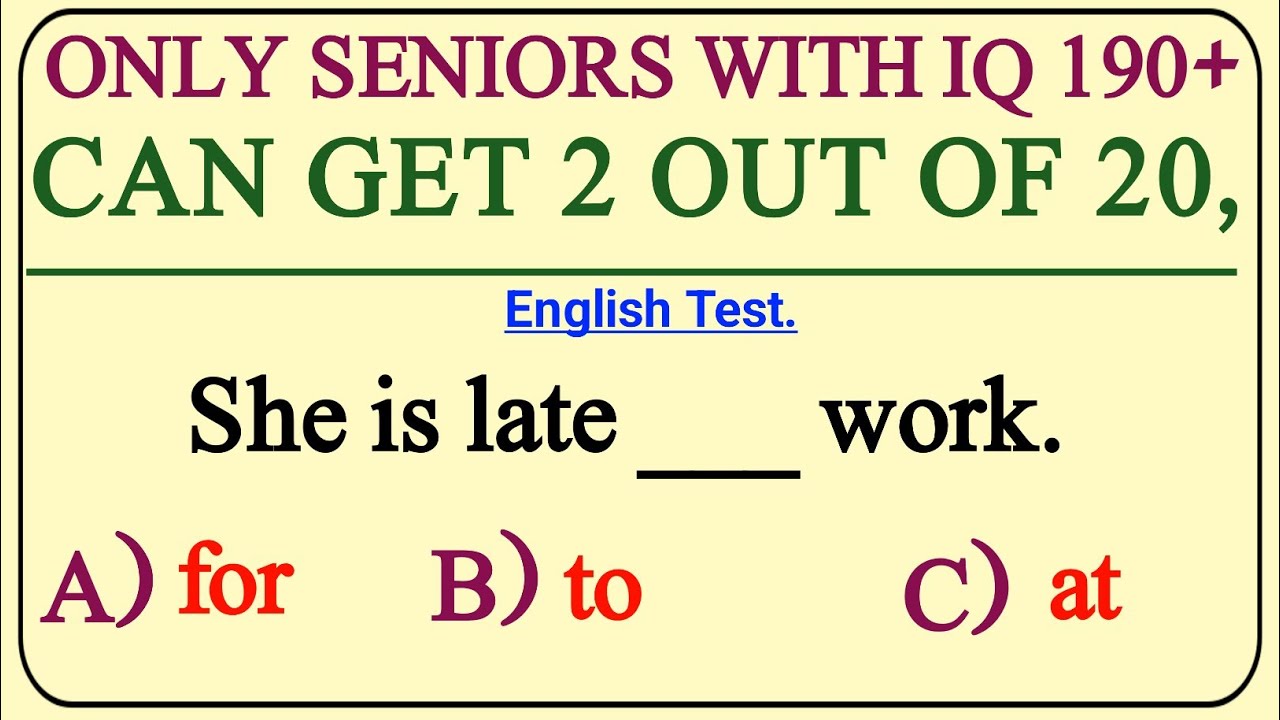
ONLY SENIORS WITH IQ 190+ CAN GET 2 OUT OF 20, | English grammar skills
EforEnglish161
582 views•2026-05-29



