Effective community development requires actively listening to young people and involving them in problem-solving rather than simply telling them what they cannot do. When communities sit down with youth, listen to their perspectives, and involve them in creating solutions, young people develop ownership and become protectors of their community. This approach addresses systemic issues like unemployment, poverty, and lack of opportunity by empowering youth to contribute meaningfully to their society. The key is to provide young people with opportunities, resources, and a sense of belonging so they can develop skills, build confidence, and work toward positive change in their communities.
Install our extension to search inside any video instantly.
RHODA ARRINDELL, PhD.: “…SINT MAARTEN SHOULD HAVE A SAY IN WHETHER OR NOT WE WANT OUR INDEPENDENCE…”
Added:Hello, I'm OG and welcome to speaking of our thing. A regular here in speaking of our thing is Dr. Rhde Arendelle. How you doing?
>> I am doing fine. Um I should say thanks for this opportunity again. You know this conversation >> in a while man. So you've been traveling the world.
>> Yeah [laughter] traveling. Not really.
>> Yeah. Been been out there doing doing what I enjoy doing which is number one teaching. Um but also the work that we do you know on behalf of you know the decolonization pro-independence reparations >> you're president of the one man foundation right?
>> Yes. So yes association >> association same yeah >> almost the same in a way.
>> Well technically yes but the foundations can have members.
>> Okay.
>> Association have members. So we represent a whole number of organizations also individuals, organizations that are part of member >> umbrella group like Yeah.
>> Yeah. Yeah. We have we have members that are that are companies. We have members that are organizations. We have members that are individuals.
>> Oh, good. Now you you still at the university in the US?
>> Yes, sir. I am at Howard University.
Just concluded the spring semester.
>> Yeah.
>> Yeah. So you're teaching >> teaching enjoy I I taught this semester I taught a brand new course called language in the Caribbean >> but I also teach Caribbean literature.
for intro to Caribbean. That those were my classes this semester. And the language in the Caribbean course, I get to design it from scratch.
>> And the beauty of that was that I get to [snorts] introduce my student to things like papu mento for example, you know, >> or you know the satan English and show them these things and it was really exciting. It was a very exciting course.
>> So you are professor, associate professor.
>> I am still a lecturer. I'm not on tenure yet. Um I'm not sure if I'm going to seek tenure because again that depends on my future but >> it's very competitive too.
>> It is very competitive. I am being urged to apply for tenure track. They used to require you first having served seven years before you could apply. But with the union now they they've opened up the opportunity that even if you're a lecturer or an associate or assistant [snorts] you can automatically put those years that you are in the lecture into your track. So if I want to in the spring when the opportunity is there again I can apply for 10ear track.
>> Do they also require that you have to write one or two books during your >> they are requiring. So Howard University is now a R1 institution meaning it's a research institution at the highest level. You have different categories of research and Howard University is the the only H.B.CU that's R1 status right now. Right. And one of the things that they are promoting is that as part of your promotion, you are required now.
Before it was kind of like voluntary that you publish, but [snorts] they're requiring that you publish. So whether it's just articles or research or they're also pushing us to do a lot of grant funding opportunities. You know, the [snorts] current government in the US has cut a lot of funding for a lot of institutions of higher learning.
>> Really?
>> Yes. Yes. especially H.B.CU, they cut off a lot of funding and that means that these schools have to be creative also in ways of seeking funding for certain programs um very intentionally cut certain programs that would you know African-American studies etc international studies and so you have to find ways if you want to maintain them you have to find ways to fund them. How you how you feel about there this new wave >> Mhm.
>> in the US especially in New York and now it's spreading across the US democratic socialist.
>> Yeah.
>> You know um I don't get caught up in labels too much but the concept of democratic socialist is very old. It's not something new >> for America. I well for the Democratic party accepting it because remember Bernie Sanders is a Democratic socialist and he's been and he's been there forever, right? But it wasn't something that because the American the American political scene has a very interesting set of dynamics with these labels, communist, socialist, and they make it sound like a derogatory term, right?
[snorts] So people shun those things >> because they're on the list when they're happy.
>> Yes. Yes. If you notice that the Trump speech, the Trump July speech, now they're going to communism, communism, communism. But the younger generation, they they ain't falling for it anymore.
[laughter] The younger generation was like, "Miss me with that, you know. Um, you could give it whatever labels.
>> We don't have free health care. We a lot of us have lost our health care. We don't we can't afford daycare. We can't afford groceries. We can't afford this.
We can't. So don't give us labels. We want to see the results. And if you listen to the messaging of the democratic socialism, >> it's the same thing like in other European countries, right?
>> Yeah.
>> Yeah. That that we would say we're accustomed to, right?
>> Now it's spreading more in America.
>> Yes. Yes. Because the younger generation are not just accepting the labels.
>> You think it's good or bad?
>> Like I said, I don't care about the labels. I care about what it produces.
So I don't get caught up in left and right or Republican, Democrat because when I look at some of the people and some of the policies in the US, they're pretty much the same, Republican or Democrat.
>> At the end of the day though, what are you proposing? So when you look at Medicare for all and you saw how people were able to at least have their medical treatment compensated, right? what Trump has just done in in in in this administration with the reversal of that a lot of people in the United States don't have insurance people that you know expensive >> can't afford it a lot of them have lost opportunities for medicine and you have people that are complaining that they they they will die >> but they reduce the cost to for a lot of medicine >> certain no he has this thing he has this very interesting called um >> Trump Trump RX where pharmaceutical companies are making their drugs available through him >> and it becomes cheaper. But then it's who you think is supplementing the cause. Still the same government, right?
But now they're doing it through the Trump name >> as opposed to just giving it as a right that people are entitled to. So you when you see the Mandanis and the others talk about it, they're telling you government owes you this because you've paid taxes, etc., etc. It shouldn't come, you know, through the name of a particular person. Yeah.
>> It should be something that you So maybe the the the policies and that's where, you know, the labels are are are valid.
[snorts] But the what what I'm liking about what I'm seeing with you, the wave that you mentioned in terms of New York and where it's spreading in places like people didn't expect.
>> Colorado.
>> Yes.
>> I was shocked.
>> All places.
>> It's the younger people. And this is what I love about young young people.
They are living in a world where their reality >> you can't tell them they're not seeing what they're seeing. But the other thing is that they dare to dream about something better, right? They dare to be naive but also fantastical in what they want. So you can't tell young people that things can't happen.
>> They will find ways to make it happen.
>> You see any similarities as to to what's happening in America now and America?
>> No. When I say no, I haven't been like around a group of young people in education here in the same way back home for a while. What I hear here, and this is the part that that that hurts me when I hear leaders here tell St. Martin children all the things they cannot do, right? And not just leaders, I'm talking about in government in particular, like they they they they try to limit what your potential is as opposed to inspiring you to dream bigger and to be better. And so at Howard, I am really impressed by the number of students who come out just thinking that they themselves as individual can make a difference.
>> That's important.
>> I think it's awesome. Awesome. They believe it and you know some of them don't have answers but don't tell them that they they're not going to be people. I've met so many students that I go like I think you might be president or you may because it just but they believe it.
>> That's good. I'm happy to hear that.
>> Yes. Yeah. And I think that's what you need with young people here. I know kids who who want it who believe it but the system tells them you know this is your limit. This is your maximum or no. Um I know when I was growing up they used to say girl go look for a real job or get a real job or stop thinking like you know that is changing.
>> Yeah.
>> But it's not changing in a way that the majority can say that they feel encouraged and that they are supported to dream big.
>> So if we have this problem here right >> and know you you and I >> agree on one thing that we are colony.
>> Yes. Yes. And >> that's difficult to for sometimes people to accept.
>> Mhm.
>> How do you get a government to support young people?
>> And and when I say young people, I mean young people from the island because we we don't believe in ourselves, >> right?
>> We believe in others from abroad doing for us what we can do for ourselves.
>> How are we going to get out of the problem? I I want I'm I'm glad you framed it like that that question because I'm a good look at a a real example >> and you might be able to relate to this because of your daughter working in law, right?
>> When we talk about capacity, lack of capacity, right?
>> Which I think is I I find it hilarious when I hear people speak it because it's another reason to try to justify what we're doing without trying to fix it, right? So lack of capacity, let's say in the legal system, you have lawyers, prosecutors, judges, all of that. But you're insisting language of instruction in the school be Dutch, not the child's language. You're also insisting, oh, the law has got to be like this because in the Netherlands higher court, no problem. But why are you then insisting to not do it in English, for example?
Knowing that English will give your students more options. So more St. Martin students would want to pursue law if they have an opportunity to do it in their language. There is absolutely no legal reason, [snorts] no academic reason why it cannot be done. I've researched this. I've presented reports.
So, but who's then the one that's blocking it?
>> The people in the positions to make a difference. These are the same people who are talking about capacity, capacity, capacity. So if you know that you can do it differently, but you're choosing not to do it differently and then you use lack of capacity as a mantra. Two things, either you're a hypocrite, you don't understand, or you really don't care about changing that situation.
>> Elected officials involved.
>> Yeah. Elected and selected >> cuz some of them are just placed there.
But Yeah. Yeah. So I I look at it was like if you really want to change the capacity, you change that structure, you'll get you'll get the most brilliant simatan students who don't even want to go away to study. They will come straight into this thing and you'll have some of the most brilliant lawyers on the island.
>> You know, I I I made the statement to Mr. Fabit who was here a few weeks ago.
I said to him, "What's democratic deficit?"
>> But that that's so foolish.
>> [laughter] >> What are you saying?
>> I like his response, but I got to ask what [snorts] >> it I don't know. I got to watch the details because I saw clips from the video, right? I got to check. I don't know what Fabian had said, but here's what I will. We just did a conference in Washington the day before I came and [snorts] we attended a conference on um rights to self-determination and right to return. So, different groups from around the world that are having this conversation. Um, and I talked about that this notion of democratic deficit.
By definition, a col a colony is deficit. Okay, so let's start there. And it's not democratic. So, we're not going to go there. But the fact that we allow ourselves to be talked into these phrases. I don't know if you remember FISA and you remember we we we keep making up these things >> because it allows us to have some semblance of a intellectual conversation but it's like a treadmill like we say keeps you moving but takes you nowhere.
>> What is it? I don't know what it is. And the people who who use it I think should be able to take a >> lot of politicians use it.
>> I know because they heard somebody else say it and then they repeat it. You hear somebody say something often enough like um you know country s Martin country St. Martin and every time you hear that you go like how is it that people in St. ain't saying country sink kids. How is it that people in Barbados ain't saying country Barbados? You ever wondered why? Because it's it's it's you know it sounds ridiculous.
>> That's true >> to people watching us from outside but we say it >> because we have convinced oursel that we should be saying things like >> country St. Martin to to to convince us that we are country. Make you feel good.
>> Well, we know we know country. We we know we know better but we we do it cuz we sometimes we need to um we need to convince ourself. You understand?
>> Yeah. So where are we going to go? I mean where are we going? There's there's so many problems.
>> Where are we going?
>> Yeah.
>> Um at um at 1xm we have been asking for a referendum cuz we believe >> this will be the third one.
>> You know we've been begging for years since 2016 with when I was with the Independence for St. Martin Foundation.
I still am but as a foundation now we're with 1 SXM and other groups have been asking right cuz when we have these discussion with other groups they agree that at least the people of St. Martin >> should have a say in whether or not we want our independence out of this thing because I going to guarantee you if we stay here the next 10 years talking about why we ain't ready why we can't be ready why etc we going to come up with another construct right it may not be we may not use the word democratic deficit but we'll come up with something else and we will keep saying why it can't work cuz everybody has been saying since 1954 that the ain't working, right? But we keep restructuring, but it it still ain't working. So, when are you going to have that conversation that says, you know, do we want to keep doing the same insane things over and over and over again, or do we want a new course? And I think really we're at that point where we should go to the people and say, >> but they're saying there were already two referendums.
>> Okay. But do you know did you remember that the first one was in 94 and the other one was in 2000 which was the diff how many years were there in between six years right >> right >> last one was when 2000 where are we now 206 years ago yeah >> 26 years ago right I know people personally part of 1xm who didn't have a say who couldn't vote in the one 26 years ago >> probably weren't born then >> and some of them weren't born and they would like to have a say they would like to have a say so to in and in and in In many countries they have [snorts] referendum every two three years on different topics sometimes the same topic. When France was giving the discussion about referendum with New Calonia they actually agreed to three in successive um years with two year gaps in between. And then when they realized that it might very well be that the people vote to come out they kind of torpedoed it. you know um m would say they manipulated the results but referendum have nothing to do with how frequently >> but let me ask you this um Dr. when if and when there's a next referendum, right?
>> And we begging.
>> Do you think who who you think should be allowed to vote >> in a referendum?
>> I know there there are some people who will tell me don't touch that question, but I want to answer it. Different countries, cuz we've done our research, different countries, especially an issue like independence, they have different frameworks for depending on the issue because ain't everybody votes in every referendum because a every referendum topic is relevant to each person, right? If if there's a issue and the reason I'm saying I'm taking my time to explain this, I want people to understand if we were to have a referendum tomorrow about how Ebenea should be developed, you may very well say only the people in Ebenea should have a say there, right? Because people in Margo have nothing to do with how Ebeneza should develop, right? So we feel at least I and some of the people who agree with me feel that a referendum on the future of St. Martin on the issue of independence should be St. Martin's at home and abroad. Right? And when I say St. Martin's, we can talk about categories of St. Martin's etc. But I also believe like people who have been living here at least 10 years minimum, right?
um been involved creating the community.
I don't think personally someone who just come here last week, last month, a month ago, three months ago should be voting in a referendum on the on the issue of independence with him. That's my opinion. And the reason I'm telling you this is that we saw in Bonire and in Stasia once the and this is why some people are in in in certain circles are telling us to be careful with the referendum because of the track record like the Dutch they will flood the zone for example with people let's say with Dutch passports if if you say it's only people with Dutch passports could vote I don't think a St. Martin who's lived in St. Martin worked in St. Martin whether his he has a French or Dutch passport but he's a St. Martina. I don't think he should be excluded from the issue of a referendum for the future of St. Martin.
So I say St. Martin's St. Martin's at home and abroad. And what how that is defined from my perspective and some of the people who agree with 1xm we have different categories but these are the people that should be deciding on on the issue of independence for St. Martin.
>> Well know there's this whole issue about who's the St. Martin to >> Yeah. Yeah. And yeah, >> how has that been resolved?
>> I don't know who resolved. We proposed a few years ago. I think about two three years ago. We published um what we saw as a and I saw some people responded to it. But that was our proposal. For example, St. Martins that are born in the soil. That's easy, right? Like like you know, birthright citizenship like the US has. But also the children of St. Martin, like non St. Martin can't produce St. gardeners unless they were born here for example right um so I think that's a category but also if you look at places like Anguila and I like Anguila because it's a real example that we can relate to you have the belonger and the non-belonger and the belonger also include the grandchildren for example they just recently um voted to include it just be just children >> now they also have the grandchildren and I think that's something to explore as well right for somebody who has wasn't born here, married, living, built a life here. I know people personally who've lived here 20, 40, 50 years in St. Martin. Those are St. Martins.
That's not even a discussion. And when I say St. Martin's, they've contributed to this place. They have an interest in the not just the past, but the future of of St. Martin. These are not the people who are fall coming in do a job for three years and then go back somewhere else.
The those are not. So those are people I think those different categories of St. Martin should be considered and I think we should have a serious debate and then maybe like you say codify it somewhere this is how we define the St. might not >> when you look at today right >> and you look back say 10 15 20 years or to the last referendum [snorts] of 20 of 2000 >> 2000 >> and you look at the island today there's a huge difference we have in that 26 years span an increase in unemployment Mhm.
>> an increase in poverty.
>> Mhm.
>> An increase in uh healthcare issues.
>> Mhm.
>> Uh and at the same time, our people >> are literally marginalized in a way left on the side. Yep.
>> And they're the ones that have to pick up all the expenses in terms of they're the ones that mostly taxed by their own government. Mhm.
>> So, anything that is good >> Mhm.
>> that St. Martin doesn't get >> only any everything that's bad.
>> And and I I agree with you. I recently made a comment about cuz more and more you're talking about food banks. You gusted Martin lining up somewhere to get food.
>> Scary, man.
>> It's it there's no dignity in it. And then some people are taking pictures, etc. Now you have, you know, and I'm not saying that we didn't always cuz I grew up wearing handme-downs in those days, you know, they would have come in >> and you're poor. You didn't know you're poor.
>> You didn't know you were poor, right?
You get a little barrel, but you were always happy. You had a roof, you had food, etc. My parents both worked one job, you know. And when my mother did like she used to do babysitting at um town houses there at night when the tourists would come in, that was be extra. But your parents worked regular jobs and they came home, they were with you and then you had that. Now I know people working two and three jobs and they can't make skills and I'm like how how do we get of course we want more material things but the the the cost of living is so high and what you now may you may have considered that luxury before this is a necessity. You need internet right if you're going to be you know you can't say okay I ain't going to pay the internet I ain't going to pay till but I going pay GB. Yeah, you got you got to figure it out. And I'm trying to figure out, but then you look around, you see all these high-rise buildings. I driving down here just I was like, oo, another one for sale for sale. I was like, but who buying these things? So, somebody said to me in one Facebook post, you know, locals are buying these.
I was like, that's not true.
>> Maybe there are a couple of them.
>> That's not true.
>> The majority are not. and and and the people that are buying up the land and and and renting whether it's Airbnb or whatever kind of real estate schemes. I don't understand real estate, but a lot of it is not staying here. You know, I know people who don't live here and told me how many properties they bought and how not too long ago >> they don't pay no taxes.
>> Mhm. And I go like how, you know, I met a guy when I was here in December. He was coming in for his third meeting of his third property he had bought in St. Martin and he was you know he opening this thing and I just talking you know listening saying to myself how did he get these opportunity maybe somebody gave him money that they wouldn't give me money give you but the fact that he could just and then there was another one this was a Caribbean man I [snorts] was in line getting onto the plane in another flight and there's a American guy in front and a Caribbean man in the back and I'm in between and they're exchanging conversation about their buying property in St. Martin and I saying, "Wow, how fortunate. And here I am. You trying to take my my house. You got my my my land telling me about I owe taxes and and I don't agree with these crazy assessment. But how is it that this is what I am experiencing and these people are having this conversation.
Something ain't right."
>> And a lot of experiencing that same thing.
>> Yeah. Something is not right in that in that conver. So again, once you have an idea of the St. Martin, what are the privileges that come with it? Right?
Because you cannot continue to tell me every person who has a Dutch passport is equal in St. Martin.
>> You're not given the St. Martin any sense of privilege to be a St. Martin, >> you know. And then even if I, you know, I I came as a business person. I I did what I need cuz the passport ain't St. Martin to give you your passport, right?
>> You don't have to have any affinity to St. Martin. You have a Dutch passport.
What does that mean? You know, you can do a lot of things with a Dutch passport, but that doesn't make you a siner.
>> So, those are the conversations I I I worry and I think we need to talk about.
But stop talking. Let's do something about it.
>> Yeah. Because we have a whole generation that's going to be lost >> and they're going to be without property and without a lot of things.
>> And then you know what happens?
>> Mhm. They have no sense of purpose or direction and >> they don't want to come back when they leave.
>> They have no reason to come back when they leave. Why am I going to come back?
And I remember Lasana used to say this years ago like one of the things about St. Martin compared to a lot of places in the Caribbean when they go out. St. Martin's usual always come back. We tend to come back. We have land. We have access. We have we have something to come back to. If you don't have anything to come back to, why you going to come back?
>> Yeah.
>> Yeah. So, >> and a lot of people going to fill that void >> and it's already being done and and and I think and that's what we need a government >> that that will have policies in place to really encourage >> Yeah.
>> our young people >> to return back home.
>> Yeah.
>> And work, help build their country.
>> No. and and and then you say that and then when you talk to the people who are either during an election running or sitting in an office or they will say yeah but Dutch passport yeah but so they will probably in principle think it's a good idea but they won't move to make any changes because they will remind you about being in the kingdom and then they will remind you about this Dutch or French passport over there too no different um and they won't touch it they won't they won't put any policies in place. Remember a few years ago, I don't know if you can recall this when somebody was discussing this whole quotota system and they had tried it.
Curus had moved to put a quot system >> and then St. Martin and then it went somewhere and >> it's like what they have in America. Um >> yeah, affirmative action. But you remember how the conversation went here and everybody and then it just stopped.
>> Yeah. I I I think what happened to is affirmative action. Why you need it if you in a country where >> it's fair >> you know you >> if it's fair you don't need it >> you don't need it but >> but if it's not fair >> but then you have to vote okay politicians who are making it unfair a lot of things go back to politics whether you like >> laws to protect these rights >> but when you have these laws then you create a class of privilege where there shouldn't be >> you know I hear that argument but here's what affirmative action always was cuz again the people who are saying that and other people who are pro those are people who are anti but that's not grounded in any reality. If you in St. Martin and you say every business in St. Martin that opens in St. Martin needs to make sure they hire at least >> 10% of your work to St. It's a license already.
>> But that's what I'm saying.
>> But not the means force, >> right? That's affirmative action.
>> It's not it's not >> but that is affirmative action and it's done because to make sure that the thing is even so everybody gets a chance and if you're saying it's in the license even know that the business >> you know but if why would I need to do that if if you would do it if you it was done automatically.
>> The reason why I say even when you look at America black people really suffer in America.
>> Yeah.
during the for the past what 400 years >> 265 as a country. Yeah.
>> So, >> but even more than that because one of the 250 years >> but look at Simon man. Look your your prime minister is black, your senators are black, your this is black and you tell me you need still to do that.
>> You never hear that all skin folk in folk. [laughter] >> I mean I'm just having to do with black practical. This ain't got nothing to do with blackness cuz this whole notion of black and white too is a is a social construct, right? Cuz I know blackkinned white people, okay, that's another conversation. The reason I'm saying this, um, when we talking about hiring locals or whatever and we start saying, "No, we can't do that. We can't have quotas." You go to sync it and I will use St. Lucia cuz I have a friend who is head of the chamber of commerce there >> and he's telling me no business could register in St. and ask for a license for a manager if they don't automatically put a counterpart name under >> that's affirmative action to pay too for >> it's affirmative action it's affirmative action so you're telling me we don't have the capacity right fine we will take the help that we can get but you got to make sure that person is coming in is coming in to help and train so when that person exits That knowledge stays here. I went to the Bahamas in 2019.
17 of us were in my cohort as foreign faculty.
>> Yeah.
>> We had a whole orientation for a week.
>> Yeah.
>> We're being brought in on a three-year contract. You're there. You're filling a void. But I in the English department filling a void automatically. They have this thing called behemianization.
Means if there's a Bohemian that can fill that spot, that's the priority.
Yeah, that's the Baham.
>> That's but that but that's affirmative action. They're not saying hire people that don't qualify. They're saying spot open non-Bamian get the bamian gets it.
>> But s mother now do you have anybody?
[clears throat] >> But you have a lot of people. God you you've spent what I went in 1985 trying to figure 15 and 26 that's what 41 years of St. martiners that we sent abroad for school.
>> You know, I know a s Martin who is struggling >> like me >> and you know at the same time they're struggling and a lot of people are struggling.
>> I have a song that we play on hot 99.9 FM radio by the mighty D. We struggling >> and it is so accurate.
>> Yeah. And the thing the point I'm trying to make right is that sometimes we struggling >> but we afraid to let people know we're struggling. This this >> cuz we are prideful people.
>> Yes. And I know this person.
>> Mhm.
>> Person is well educated >> professional >> and it's being treated worse.
>> You're talking about me.
>> No no no. What? Yeah. Worse than a dog man. But I I have to say >> and and and I try to speak to the person say hey look >> let me bring in the show you don't have to talk about everything but just airy >> we don't want to talk about it so people think that we don't have sim with any problem >> no but again I use I can now openly talk about a lot of things that >> not too long ago maybe even younger I couldn't talk about and I'm doing it because when I leave nobody's going to tell my story I'm going to my story myself.
>> Um, and I the word struggling all a lot of people are struggling. I mean, in my im me personally, my immediate family, etc. The fact that we get up in the morning and put on [snorts] clothes and put on a smile doesn't mean that we're struggling. But some of it is also done.
Some um Dr. Boston said it to us this this week on the radio program. Some people are deliberately closing doors on some of our own people. True. And that's part of that. You know this personally from your experience, right? There are certain people in our society. They're ours.
>> Yeah.
>> But they deliberately close the door.
Whether it's because of your politics, because they don't like you for whatever reason. I am personally dealing with I have been over years. Every time I talk about things that happened at the University of St. Martin in particular, I mean a place that I love with all my heart when I was working there.
>> But you can't do it. You can't you can't critique. You can't criticize and say what you think is going wrong without people coming at you with a vengeance.
OG >> with a vengeance. And >> what I keep saying though in my particular case because it's really it's it's intense. I will say it's intense >> but it also fuels me to do more and to be more. And every time, this is a true story. Every single time I make any kind of major public statements about independence or reparations, >> you feel the heat.
>> If >> Yeah.
>> within days, whether it's a bank, whether it's the tax office, whether it's the the way they come at you, sometimes the things you read, you just got to laugh. You was like, "This a coincidence?" Every single time >> and it's just it shows up and then when it can't catch you, it catches your family.
>> Yeah.
Right? We don't like to talk about it but the first time you'll say hm coincidence. Second time you go like that's interesting. But when you have people who even work within the organization say to you I remember somebody in in a you know in another conversation the the person was brought in to assist the capacity etc. And then said to me he said there's something with you that everybody else is getting through not you and I can't figure out why. I said didn't tell you and change adjust make changes. He keeps saying there's something wrong with you and management.
And I said, I I I have an idea. Same situation, another scenario.
[snorts] Conversation goes like one guy said to me one day, who toes you mash? I say, you say you had to mash somebody toes because the call came this morning and say 8:00 this morning. This is what we need to do.
I I laugh sometimes.
>> Yeah. None to laugh because see I >> you know I you know why I laugh I go I say like the my ancestors got me protected >> you know but it ain't easy you think I want to be in the US working >> no my kids my family my home everything is here I don't want to be away working I wish I could work and use my talent and my skills with some level of dignity and pay my bills etc I mean >> in the land of plenty >> in the land And I watch everybody come by um get the same job that I applied for two, three times.
>> Yeah. Yeah. I should just got rid of another guy there the other day.
>> Yeah. One step forward, two step backwards. [laughter] >> Oh boy. You know, I I got to laugh because if I don't laugh, I cry. And I know how this island has turned out and how you could be targeted and how you >> Yeah.
>> people like yourself, myself targeted.
It's unfortunate.
>> It's unfortunate. But every time something like that happens, so I've left this island twice to look for work to feed my family, right?
>> Um I say the creator has a bigger plan for me.
That's that's my way to solve it for myself.
>> Yeah.
>> So I can be good with where I am and what I'm exposed to. And usually the opportunities expand, you know, you know, the kind of training I just did this the month of June at Howard, I would not get if I were here. So while >> there's this negative side, >> on the other side, I look at, wow, how much would I have to pay for this kind of training >> out of my own pocket, right? But now I'm getting it. the things I learned in my AI boot camp, a whole week of intense training, higher education, a whole thing, all of this thing, the part of the technology that's coming. Like, if I were here, I wouldn't have gotten that.
>> And the question is, how does that add value to my stock for what's coming next? Cuz I don't know what's next, >> but I know it's adding value to my stock. Definitely. you know, it's not money right now, >> but it's adding value to my stock. So, when this goes south, I look at, you know, the positive side of it.
>> Let me ask you, um, how you feel about AI now? Are you optimistic? You feel that it has [laughter] negative consequences?
>> Remember, I teach writing, right? So, my my one of my classes I teach is rhetoric and writing.
>> Now, we are trained because we've always had AI. I mean when you think of Google Grammarly and word check word those were always AI right but what we are seeing now with the technology is that it needs >> it needs more data it needs more consumption for it to keep growing it needs to eat more so it has positive and negative one of it we just like I said one of the boot camps >> is this notion of getting rid of humans cuz it's yeah There are some of them who who really preach that. There are some of the creators who are saying, you know, we're looking for a world where we don't we won't need humans anymore. There are people who are saying that people in the field, people in the training. And then there are others who are in the field that are also saying we need to regulate or in in our case they refer to it as responsible AI, >> right?
And that too is interesting. And so um how do I feel about it? I think it's a tool like every other tool that can be used for good, especially in academia because we we we're doing it in academia. But when you put a unmanned drone and you just walk in and you blow up a building cuz you want to kill oral, but you blow up 50 people around, that's AI. [snorts] And the technology is moving so fast.
>> And the military, >> they're doing it. That's that's all AI.
That's all AI. And the AI is cannot judge you. No, no, no. That don't really really look like once it's locked in.
Well, so they're talking about how to make it smarter. So if your job of improving it, it's right. If if your job is just to get rid of humanity, if all you can use it for is destruction, I don't see the value in that. I honestly don't. If you're telling me it can be a tool that can be used. So we just had a situation where Howard did a whole big thing and they used like AI tools to make like the posters, right?
>> Yeah.
>> The students in the arts cuz we we have the Chadwick Boseman art school of fine arts right next to right on campus.
Students are saying they could have used us cuz now they use the tool to create this thing and the students now their skills to paint and to draw the posters etc. eat and use them and you know of course they will critique it. So there's the good and there bad. So we're saying how do we teach the students to use the tools. So does that mean now once the students and everybody else can make these AI flyers does that mean that students artwork would no longer >> Well a lot of people in um in the world >> Mhm. in terms of graphic artists and coders and so >> yeah we're learning >> they lose they're going to lose their job >> but we in right >> they will lose their jobs and then they're training us to code and to tell the machine cuz they keep telling us the machine does what you tell it to do but I have watched enough documentaries where the thing you saw the Teslas that are now driving into people's home [laughter] you know enough to know it can go a miss >> look technology is good don't I I'm for technology ology >> because when I started we had four people working with us.
>> Yeah. Know >> all the computers just so it's good in a way.
>> But the thing is for me the question the bigger question is at what price because >> what I said in the training what I felt >> at the end you're telling me this is about saving time cuz it boils down to saving time. It really does.
>> But for what why why am I trying to save time to do what rush am I in in this life to go where? So some people do want it. Yeah, the you know the agentic AI you can do this, you can do that. But if for me the human experience is in making the mistakes, the human experience is in slowing down. I don't want to rush through traffic. I want to take my time.
>> But it's blowout your work. I mean when I do an interview with you, right, like we're doing now.
>> Yeah.
>> After it's over, I have to select a picture for you. Uh >> you do all of that.
>> I used to do it manually. Yeah, >> sometime takes a long time because you have to look try to find it. Now it's all AI.
>> But right, but when you save that time, my question is what do you do with the extra time that you do? You're going to do more work.
>> I do something.
>> You're going to do more work. Are you now saying, "Okay, I spent two weeks in the studio. So now we're going to Puntana for five weeks. Is that what you're doing?" [laughter] >> You're just filling it up with more work.
>> So you're saving time.
But I walk Christ. So I don't know. Me personally, I like humanity. I when I get the bots, I go like I would like to speak to a human being. Please.
>> Some bots are good now. You can't tell the difference.
>> One keep telling me no, you can. I said, "Ma'am, you're you're you're defining you're you're you're giving me a good example of precisely why I don't want a bot. I need to speak to a human being."
And I do it two or three times and I get a human.
>> You know who I want the best? Starings.
>> Incredible. I was reading about it the other day. But you see the problem with Starling. Starink is having some issues.
Some countries >> again this M the founder which I'll call no name Name >> the founders's philosophy is like he basically thinks humans are useless.
So okay.
>> So he don't think he's he's suing like I said he's suing the US government right now >> because he doesn't think he should be.
So okay you you okay you're soal trillionaire on paper. Okay. But what does that mean if you have no use for humans?
>> Exactly.
>> So I would not be one of those person who would support a company like Starling, you know, I don't care how fast they are and what they do fast because to me human the humanity of it is more important.
>> Yeah.
>> So we'll see.
>> We'll see.
>> Um we I think this is the most dangerous time in world history today.
>> Yeah. For us, we've never had anything else. And believe me, for black people, it's even more dangerous.
>> A lot of studies are showing and I'm seeing a lot because I saw some in the UK, um I think it was Sweden and in Canada, United States, >> more and more they are seeing that this generation of students that we're producing and moving forward that the intellectually they're degressing. So while the technology is doing a lot of things, the the the human capacity for intellect and intellectual thought is going backwards rather than >> you think that's a consequence of our social media.
>> I think it's a consequence of this notion that you know we're being lazy about these things like spending time thinking is not a virtue value for us. You got to be busy, you know. We got to save time because I ain't got the thinking process is an important process. Well, >> it depend because if you if you um if you work and you want more time to relax and technology give people more time.
>> Do you actually relax? So that's the question.
>> It all depend on what what their priorities are.
>> A lot of people don't. They use it to go shopping. They use it to do this. They they're not. So if you're not building in into the whole process, time to just be creative mentally, intellectually etc. Then what's the point? What's the point?
>> See, all of that changed after 1985.
>> What happened in 1985?
>> Because then we saw the real transition taking place. I left technology to study. Um and take Siman for example.
>> In 1985, uh cable TV came to >> Saman.
>> Before 1985, we had LBC TV that was on the air just for 8 hours a day.
>> Yeah.
>> We what we did after that other things, right? But when cable TV came in 24 hours of television, >> people are just >> changing.
>> Okay. So and in America it happened even earlier. So in a way that I say technology is good, social media is good and everything else but the television >> Mhm.
>> didn't bring any real benefits to our people per se.
>> It let you see what's happening in the world out there. But are we any smarter today because of cable TV?
>> But you see this is why >> this is why I don't have a lot of I don't have apps on my phone for example.
M >> I made a choice. I have I can pay my rent. I can check my bank account if I need to. I have my Gmail and my phone WhatsApp. The reason but I made a choice, >> right?
>> Because I me personally some everybody is different. I find it to be pointless all day staring at this device or when you're in a room with people even when they get bored they start playing solitire or they start doing these things even in a room with other people.
>> I always find it amazing how you could be present with so many people and not be present >> but that's because we don't talk about the value of being present. We don't have discussion. We don't teach about it. We don't cuz we got to save time.
Time is money. D.
>> It all depends. I I think time is not really >> But that's that's what we say though, right? We say time is money. You got to save time. Got to save time. And when we do have time and we're in downtime, we fill it with noise and distraction.
>> Yeah. Some people do. Not everybody.
>> I Yeah. But I I I sit in rooms and some and I I sit and I watch people. I'm in a room with 12 people. 11 of them are on their phone doing absolutely nothing.
Oh, yeah. Checking my mail. I have. But why? Why are you checking your mail?
>> They're bored. They're lonely. All they using is it for to compensate for >> So what's the point of trying to save time to do what?
>> You know, >> before you go to places, they'll have like a TV up in the corner so you could watch cable TV. Now everybody walk with it in their hand >> and they still have the TV up [laughter] and it's like, you know, but the person in front of you, you should be having a conversation with that person.
>> Yeah, that's true. you know, >> but it's unfortunate and and I think what happened to if if you have people working for you that say construction >> and I noticed this a lot that all of them have their phone and the phone introduced something new to >> the workforce.
>> What's that >> less productivity because that phone is ringing two, three, five, six, seven times. So your work isn't going to get finished. So if your house had to get finished in 8 months, it's going to be finished in 9 months, >> right? I just had a conversation with a businessman about something just like that. But um I'm telling you, but you see this is why no notification on my phone. Absolutely none.
>> I will get to my phone when I get to my phone because I want to manage my time.
>> It's annoying though. Ping ping and then you're sleeping. You imagine it comes in at night when you're sleeping. I mean that's crazy. I turn my phone off.
>> I don't have any notification when I I check my phone sporadically and I will see miscars and I will see and I will respond. But um but again what I'm saying is that the technology is there as a tool but we have to learn how to manage it and not let it manage us because that's what's happening. It's managing us.
>> It's always managing us.
>> It's unfortunate though that um people buy their children iPads and iPhones.
Not good. Not good at all.
>> I watched one this morning, you know, breakfast giving you your cereal with the iPad. I go like, "Wow, [laughter] wow." It has its place. It has its purpose, but you ain't losing nothing by getting rid of it for a good portion of your day. I just saw a results of a study that show you where students that are on the computers in the classroom compared to students without computers in the classroom.
>> Big difference.
>> Difference brain you you know we say in linguistics neural linguistics like we talk about a percentage of the brain that we've still not been able to tap into and and you know how we try to mimic the brain with the computer but we still not there. we have all these conversations, right? Um >> what we find is that just leave humans to their own devices and they will create stuff constantly. But if you're telling them how they should create, you know, you you're controlling it, you ain't getting nothing new, no new connections that are happening up there.
Um I >> think the tools are important cuz I don't want our children to be left behind. So I think our children should learn not just how to use the things how to write the codes >> that's >> but how the things should be run.
>> That's the key. And that's where Yeah.
That's where we were lacking.
>> Mhm. But we don't we're not the system is not going to produce that.
>> So we're producing consumers.
>> Yeah.
>> We're not producing creators. Creators need to be in a space where they can create. They have to be able to think.
You don't solve problems >> and encourage it and reward it. That's the other thing you got to >> you got to be able to dis what we what do we say necessity is the mother of invention >> you know you see people in countries where they have nothing and then they invent something to fill that spot but if everything is like oh the computer's going to do it the technology the AI going to do it for you then what's your purpose >> and the other thing too we have to believe in ourselves >> yeah you got to you got to teach that right >> yeah we got to believe in ourselves >> I was watching a a documentary of some girls in Gaza with the whole bombing thing going on.
This is 12 and 14 year old girls >> that are making videos. Mind you, bombs are flying, dropping all around them.
They're losing people, etc. And these are 12 and 14 year old girls that are out there coding and creating videos using AI, >> telling their story of what's happening at the time. So, how is it that in a war zone that these children can be producing these things and being so creative and using the modern technology >> and we can't?
>> How? Why?
>> We spend our time running around on schools.
>> The boys because ain't nothing else. But I mean what the school system what's wrong in there that these kids in the middle of where bombs are being dropped >> can have access to the AI tool at the age of 12 years old and creating and coding.
>> The reason why I said we spend our time running around on scooters >> is that when I leave here I'm shocked >> at the amount of scooters on the road.
>> What's the alternative scooters? What's the alternative?
>> Don't have scooters. do something else.
>> What's the alternative for the kids?
>> Yeah, but you see what's their alternative?
>> How many of them are dying?
>> But what's the alternative? Again, there's a problem. What's the solution?
>> Yeah. But see, that's not for me.
>> No. No. Right.
>> Yeah. But to say, what's the alternative?
>> What's the alternative?
>> Is like indirectly justifying the the behavior of these kids on scooters that are mainly getting killed. I love the one of them that died is my neighbor. A child I know from >> No. So I I think I'm not putting any words. But some of them the thing is again what are we giving them in the place of >> what's their pastime? Our >> pastime. Why is it always got to be what we giving them? Look, I grew up you grew up.
>> I grew up a poor kid. I had nothing.
>> I wasn't looking for nobody to give me nothing.
>> No, I'm talking about past time. What was your past time? Don't stand in my way as a young person. Let me do what I want to do. I think that is >> what did you do with your free time?
>> What I did my free time, I read. I I went fishing. I played ball. I do all different things.
>> These guys have access to those things today.
>> They have it. Yes, they have it. You see what happened? Um Dr. and there >> think about what you're saying now because we were talking very nice but uh >> I kind of like concerned to your answer now because um >> you're you're trying to justify >> I'm not trying to justify I want to give you a real scenario >> yeah but >> you would go fishing right and go take No you can't go yeah but you can't go in here you can't pass here you this is blocked this is private beach this is this that's number one that's a reality >> we did that >> but I again ain't the boys on the scooter that did it.
>> Wait, wait, wait. No, you see what I'm saying? I agree with you, but it's not the boys on the scooter.
>> No, but you see, I'm not blaming that.
I'm saying you can't have your youngsters growing up >> and just running around crazy on scooters.
>> I agree.
>> But if you bring up the problem where you're saying now, but >> why they can't go to the beach?
>> All beaches in Somal public by the way.
>> We know that. But try, you ever try going to little bit how you want to?
>> No, people go.
>> You can go, but you can park. Yeah.
First of all, you have to tell people where you're coming to do cuz you walk through the property. That's not true. I go through that on a regular. Um, you have to tell them where you're coming to. So, you have to go through the property.
>> You can park in the parking lot. But some people also are asked to park outside if they're going only to the beach. This is very recently again. Um, there these conversations that our people are having.
>> So, let me ask you. So then what would you suggest to be done >> because you are not a average citizen you have a PhD you're Dr. Arendelle, >> you still can't get a job.
>> G, give us some solutions to the problem. Give us some solutions. I want to hear from you.
>> This is why I had started that thing called GB3 or 100, you know, 2010, right?
>> First of all, you have to listen to the youngsters. You have to talk to them cuz a lot of us what we do is we point at them, point down at them, but we never listen to them.
>> Sit with [snorts] them.
>> Oh, but I do listen.
>> No, no, but I'm saying so sit with them.
So that would be the first thing. sit with them because usually they have the solution to their problems. When you sit and talk with them, they will tell you what they think should be done.
>> When we created a GB tree, we sat with them.
>> They gave us a whole host of ideas >> of [clears throat] things that we could do that would make them feel as if. So, the idea was get off the block. That was step one, get on the bus, they did, and then get busy. The third part was doing.
And from what they told us, we created this pilot program that said some in some cases the all they needed was a job. In another case, all they needed was housing. Some people don't even have place to stay. In another place, this one just said, "I just want to go back and get my GED, but I can't afford it."
In another instance, you when you sit with them, they had guys who had dreams of being a farmer. Um, yeah, but I don't know where I don't have no land. Okay, this is what we can do for you. We can take you to Denisio. we can take you to TUZA or whoever. When you sit with them >> and you hear them out, they give you usually the ideas of how their problems can be solved. Not only that, they buy into whatever now you're proposing as a solution because they have ownership.
They can now be proud of making their contribution to whatever. I can guarantee you if you do a program based from the perspective of these young people within a couple of years, you will have a whole different set of dynamics of the even the guys in these urban areas that you know do all of this hustling. They themselves tend to become protectors of the space and the people.
I remember when they were breaking in Ebeneza on a a regular, I picked up a one of my a young one of the young ones that I always hang with and I gave him a ride coming. So I stopped I said I need to stop home to pick up something. I'm giving him a ride in town because some guys went waiting to beat him up. No, long story. Um so when I stop I said by the way you might know who's doing this cuz they know they have an idea.
>> The young [snorts] man says to me, "You don't have to worry." So what do you mean by that? I said, "Don't worry.
Nobody going to touch your house. What does that mean? Now, I could go give a whole lecture about how wrong it is to break in people house and break people house and it is wrong and he knows he's quite aware. But the fact that they felt at least from that conversation, I've seen this before. There are certain people that they have an affinity with that they may not disturb. And then there are people who live in their community that they feel no kind of relationship with. And these are all game. And when I say I'm not justifying stealing people's things, etc. But why should I look out for a community that does not look out for me? Um, and so in speaking with them, in hearing them, telling you what the problem is, what they think should be the solution, in trying to meet them where you are, I am going to >> you can do a lot of things. You can imp look at all these guys on scooters. Why don't we open a service that do let's say food Uber Eats or something. I don't know. I'm making this up. um and get them all working or give them the ways to make that their primary business so they can use their scooter.
>> Maybe you could set up something like that.
>> That's what I'm saying. Somebody could do that. That would be I want to teach.
I want I want to talk about reparations in and independence, but I'm saying somebody could do that, right? Give them an opportunity idea. So, >> yeah, >> you came up with an idea.
>> You can empower them rather than talk down to them and then I get off the streets, etc. you can empower them and I will guarantee you they will be the same ones that will be out there. So saying to the other younger ones, hey little brother, this is the way you do it. This is the way. I I think part of the challenges we have especially with young I always say young boys are endangered species.
We don't understand the value of young men to becoming young men in the society. Young boys problem that's all over.
>> Yeah. But we want to protect ours right.
So that's uh >> we want our we want ours to be empower I want our young boys and men to be empowered to feel how could you empower them because >> that's what I'm saying listen to them >> start listening to them >> but you should have some ideas to because you can't give them you can't give it just no you can't just say >> they have the solution to the problem they did they told us >> but you were adult so you got to tell them no >> they told us what they thought they needed each person told us in that setting what he felt was his biggest challenge.
>> What year was that again?
>> This was 2010 2011.
>> And where those guys?
>> Um some of them actually one of them actually one of them was actually one of them was actually a woman too. She told me she eventually she got a house bel and she was all excited etc. One guy um opened his own business >> hired some of the same guys that were part of the program was doing when I spoke to him was doing pretty okay with his own business. They're different people and that was a pilot when we left they they they cut the program.
>> Who cut it?
>> The next government that went in >> 2012.
>> What was the budget of the program?
>> I don't know.
>> I know we when we started in 20101 it wasn't on the budget because the budget was prepared before. So we did a pilot program and then when we wrote the budget for the 2012 year we put it on the budget that when the government went in in 2012 they took it out the budget that I know >> I tell man I feel just so depressed now.
>> No don't get depressed.
>> Yeah but I listening to you there. I I thought we had solutions but we ain't going to solutions.
>> We can if we can if we want solutions.
>> It's like >> like remember we talking about capacity.
It's an excuse.
>> Politician come up with nonsense. It's an excuse we tell ourselves so we can keep doing the insane things that we're doing.
But you remember your mother and my mother would say where there's a will, there's a way. If people want to, they can't find us.
>> But I'm really worried. You know, >> I am too.
>> I I'm worried because I'm I'm listen I'm here and I'm listening to you and I'm saying, boy, >> no, don't get what we going to do. No, we could we can we can do >> we got to want we going to make it because you know >> look I tell people I grew up here I love this place >> you know and I I'm seeing things now that um >> hurt >> look I don't want people to do for me what I can do for myself >> okay >> and always throughout life there got to be somebody there to give you a helping hand sometime to pull you up you know and then you continue Mhm.
>> But I look at it today now I listening to you then I like my god I can't turn to if I'm a young guy >> say I'm 18 >> 20 years old what I'm going to do because the government don't give a damn about me.
>> I'm the mother of a 24 year old p boy boy man young man who's currently not working.
I can tell you his story.
my son cuz again you have study financing. There's only so much you pay the rest. I made a deal with my school, my son's school.
I will sacrifice but you got to give me time. Do this. I come to St. Martin to collect the money the government of St. Martin owes me for a job that I did a while back.
Explain to the people at the tax office that this money is earmarked for my son's education. I have this I made a deal for a tax person or receivers person to tell me based on some crazy assessment that you create are you taking that money because you telling me I owe you money and I'm telling you I don't owe you but you're insisting on and I'm crying long tears as a mother telling you the money you're holding if I don't pay it today my son will be kicked out of school and you insisting and telling me to my face why I didn't get a cheaper art school for my And when I go through that whole process, I I went I wrote the minister.
I wrote the umbsman. I wrote everybody.
Guys, this thing is unfair. I'm a struggling single parent. I put my daughter through college. My son is on his last leg. He ain't a bad child. You don't miss nothing. You only limiting so much in study, financing. The rest of it is me as a parent. And I'm telling you, I need to do this so my son can be successful. and you telling me about I ain't pay taxes and I owe and I this and you going to receive and and again it's a bit of attitude to it.
>> Anyway, I told my son, you know, this is a sacrifice we going to make. You won't come out until I get myself. I going away go look for a job except we did we did all of that.
Son gets a job someone again a hand give him a job I going to call the name of the company because you know I ain't telling no lie. Port the Blizzard working in a gym. Get a nice job.
Company comes in, new company knows the loophole in the law, give a contract cuz the contract is you have to hire permanent and decides no we going to give a trial period at 2 months. I'll give you a new contract 2 months and then try and let him go. So I am a victim if you want to look at it like that to our so-called tax system which is very unfair and not I don't want to say the most integral part of our society but because again the politics and who I am I had to deal with it got a solution which is going to be temporary for me and my family so my son because I don't want my son to not finish college if nothing else he has to finish and then that's what it did I could not meet my deadline as the agreement I had with the school where my son was. So he out.
He got one year of college to finish.
He's still here in St. Martin.
>> But he's not run on a scooter though.
>> He's not on a scooter, but he might buy a one of them things and to see if he get a job because what else does a young man at 24 need to do other than look for a job to keep trying to pay? Because he even said to me, he said to me one, and that's the part that broke me as a parent. Why should he go back to school when it costing me more money when he could look for a job in St. Martin and help with the bills?
>> Education is important.
>> Hey, I feel education is when you reach so close to finish and let's finish.
>> But that's his mentality because he's seeing that I'm suffering and he wants to make his contribution and he doesn't see why I should suffer so he could.
>> But you understand as a mother. I understand as a mother and I understand what it means for him to finish, but I'm saying here's a young man that I know personally. He's not on a scooter, but tell me when the boredom will reach to the level where he will feel that he needs a scooter too or get on one with a friend, >> you know, and and and the reason why I said that I understand what you're saying there is I know a person who have a son too and they had a serious accident recently. is a young I tell you I lose a neighbor >> dead >> one child only child but this is one of the boys in my neighborhood that I grew up with and and you know talk to December he and I had a beautiful conversation about how he's changed his life what he's doing etc he's now dead >> and so the scooters are not really helping our young people >> they're not helping but what do you tell a young man who can't feel a sense of dignity where he's living and there's he feels that this is what he got it makes him feel masculine for It makes him feel, you know, he's with his boys. They can relate to his situation.
>> And they get girls, too.
>> And they get girls and they get girls. I mean, so what else are you giving him?
If you take away this scooter.
>> No, no, it's your, you know, it's amazing. I I give the story so often. I met this young guy at the gas station and he gave me the whole story about his scooter and how he got started. I said, "Wow, >> I didn't realize that." But if if I didn't speak to him, >> you wouldn't know. I I have a nephew. Uh when before I came down the week before I came now, he posted himself with a picture in a scooter. My heart just skipped a bit. I was like, whoa. The most I could say, be careful out there.
>> No, I see scooters like I see a handgun.
>> Yeah. Yeah.
>> Right now. Okay. It's >> he got wheels and he getting girls.
>> It's Yeah. But for me, it's killing our youngster. We don't want that.
>> But what what are we giving them? What are we giving them? So we have to as a society if they if they worth so much to us and we are really serious about them and I'm not talking about the ones who say I don't care I don't want cuz you have those two but as a society we can do better we can do better >> so have what two more years to go >> he got one year to finish college one year he was a star player for his school he couldn't he didn't get a sports scholarship he had a study financing but the government's budget for study finance is so much in the US the balance is the parent >> when I have to go away to work and maintain a mortgage and and two households and one paycheck. My son, my son education is the thing that suffers.
>> And he's what 24 he said?
>> 24 years old.
>> And we are still trying.
>> We are still trying to be able to do better and main assistant the government >> and I'm doing everything to make sure my son stays in the right lane >> because he can get he gets discouraged.
He's a he's a young man.
>> He gets discouraged. He doesn't wear his feelings on his sleeve.
>> But as a mother, how do you think that makes me feel?
I I can it's not it's um >> it's not it's >> and then again the companies take advantage of our loopholes in our system >> to and they brought in new people to work at the company I was told but again our own people so where's the the policy that says you can't not hire satina or you again >> you see and that's that's where >> I I worry that we're destroying this island >> our people >> because we We have our people in political power. We have their stooges around them, the enforcers.
>> And who are suffering is our people like young people like your son and others. I feel >> that's that's the bad thing about >> and and and I like I said when they come at you they come at you hard >> and it's usually your opinion, your politics or whatever. But your family suffers your family suffers.
I I say it's not because of my capacity cuz I think I'm competent. It's not because it has to be something else.
>> Could you imagine? Just think about it.
Could you imagine if we had 500 like you?
>> I know this place would be it' be a nice sovereign nation with Wakanda.
[laughter] >> No. No.
>> But we have them, you know.
>> We have them. They're not all on the rock, right? But they're not all on this rock. But we have them.
>> Yes. But they're not here. I'd say here.
>> Yeah. But we got to make sure that we bring them home.
>> But the other thing too, Dr. is that >> a lot of people cover.
>> Yeah. Yeah.
>> You see that you I've known you all my life.
>> You are a lady who stand for justice.
Stand for what you believe in.
>> It comes with a price.
>> Okay. D many like that.
>> It comes with a price. Not not everybody willing to.
>> And by the way, >> a price >> men are the biggest. Look, I prefer to have one or two women behind me than a 100 men. Women are strong in this island.
>> They are. I like working with men. I I had only good experience.
>> Yeah. But I hear you speak. Yeah.
>> Look around. Look, you remember the days back in the uh late 80s, 90s, we had a lot of men standing up.
>> Yeah. Yes.
>> Not now. Women >> But I saw it coming. We predict listen and again be another program another time maybe but you can predict it when you and this is why I am very protective of the young boys and the young men because when you start to create a narrative where you start to separate those boys from the rest of the some community and you start to demonize them and their behavior and then you lock them up and you do this. You take them out of that role as protectors of your society. you fill that void with a with soldiers coming to help you fill fix your roof and all of that. So other men coming in doing your your your your man's job and then you start to notice that the the change in your society and then the women are out there who going to take care of women going to take care of themselves. the Martin women always taking care of themselves but they go like I don't need no man I don't need no this I don't need no and then no those guys belong to this community in this society we need to do everything to protect them so that the women can get the support that they need from men who feel capable able prideful >> to do yeah to yeah but we we want them to be that they're ours uncles we need to protect them so that's why I say to my my female friends. I don't join any all women anything. I join where we focusing on the family.
We're focusing on our community. We're building together. The women can't advance without the men and vice versa.
And we need to do everything to protect them.
>> Well, there are a lot of women today who think otherwise.
>> I know that because I I they're real experiences, right? And you can't blame them. I I I I grew up in a you know when my dad my parents separated I grew up I know my my women in my family my mother my aunts my grandmother etc they're strong women very strong women but make the mistake can't be made that we don't need those guys those >> I I agree with you 100% [clears throat] because uh let's put it this way men are suffering in Sam >> but we yes and we can do better for them >> I had a young man here he said it >> he said >> people don't realize how men suffering >> and and like you said it's every in my class I call them endangered species right >> and they crack up but I say to the girls like my class is about 30 students of and I hardly get boys in English and literature and stuff I get like one or two in a class last semester I had eight in one class >> and I was like guys you know this is ser but their stories ain't very different than our boys here >> not very different black men are an endangered species and we have to do what we need to do as a society to protect them.
>> Yeah.
>> Yeah.
>> Uh I hope things >> we working on it.
>> I [laughter] hope it improve when it comes to that.
>> But again, what are the policies we going to put in place that makes them feel that this is their space. This is their contribution. This is how they are valued so that they can do more. To me, that's that's the conversation we need to be. And you know, let's be honest with a couple of young men out here that are doing brilliant work.
>> Definitely. Yeah, >> you know, doing very brilliant work.
>> Some of them come in the show here by me.
>> Yeah, brilliant. And how do they help their brothers that are out there? And I the scooter itself ain't a problem, right? They can get their protective gear. They can be taught to be I remember when >> the impression it creates.
>> Yes. Right. And remember some some politicians used to promise them a race track and a track and that's again part of the conversation. But he met well do I think when >> not just one a couple of them but the question is how do we turn that skill into something that they can be proud about right what are the options that we're giving them I mean it different politician have promised and start and stop are we serious let's let's finish this conversation for these boys >> I think we need to encourage our young men to >> stay in school >> but then at the same >> and school got to be worth it >> yes okay because >> yes >> you go to school you do everything Right? And then you still can't achieve anything.
>> And I and I I've said this and this is in my second book also the manuscript that the schools at least on St. Martin I'm talking about Caribbean education have become too women centered to cuz again most of the teachers are women.
>> You saying a dangerous thing there.
>> Yeah it's true. I I I'm a woman. I'm in the system. I can tell you we we even you look at how we discipline and there other studies have been written about this already. Right. There a lot of studies that have been written about this how we discipline boys in school versus how we discipline girls you know and and the latest conversation should be like all the boys got ADHD so almost everything that we can't understand about a young boy we say he got ADHD he can't behave you don't know a boy is a different character than a girl they're different animals you know >> how do we create activities in the learning environment >> that makes them feel that this is their space >> those are things I talk about in my next book.
>> It's quite interesting.
>> Yeah.
>> I I I No, I'm not going to say >> you. Was it a bad thing?
>> I was thinking No, it wasn't bad. It was actually uh someone >> in a similar profession like yourself, >> very outspoken.
>> Mhm.
>> But you know, they had this whole women's lip thing and so forth and it worked for particular time. But I think now women are seeing that that you need a little balance. I >> and >> I think you were you was alluding to it.
>> The women's lip thing in me because again there's a lot written about the women's lip and the role of the black woman and how that fits in that conversation.
>> The black woman was always liberated.
>> There you go. And from the day one, right? So I don't get too caught up in that. But I do agree that in society we needed to pro provide more opportunities for women or equal opportunities. And we've seen in all the reporting especially at UNESCO level etc that St. Martin does well in that area. Equality for girls and thing we do well. What we don't do enough I believe now is for our boys especially by secondary education.
Elementary education we ain't doing too bad but by secondary level of education we start to lose our young boys.
>> We're going to start with kindergarten because we got to start very very small.
>> Yes.
>> Because >> we need we need to do more to keep them engaged. And again this is what we're talking to about higher education. At Howard, we're almost [snorts] 25% male to female, which is a high percentage uh nowadays, but we want more because we also understand the value of the young black professional to a better society overall, right? So the question is what are some of the things that you going to do to attract them? You got to change environment a little bit cuz you got to make that young man want to be there.
when it was you know when we were growing up a lot of the teachers were male >> because that was the profession for male [snorts] >> me men went into law in engineering and banking they didn't want to be >> teachers women take over the education environment the question is okay now that women are in the en environment how are we going to use that now to create more of these >> wow >> guys yeah >> yeah I I I got to stay optimistic I >> yeah we need to stay optimistic and we to work harder.
>> Yeah.
>> To make a change. But I would start as as I said having them all sit with you maybe under a tree somewhere or in a wherever environment and just listen to them.
Just listen to them. Take notes, engage them, involve them. They will help you make the solution.
>> Yeah. Because we right now we have a lot of angry young men.
>> Yes.
>> Very very angry young Where do you put that energy?
>> Okay. So, that's a concern of mine.
Maybe put that energy and you're solving everything nowadays with a gun.
>> Yeah. Yeah. So, not good. So, uh um Dr. So bouncing back because I look at the time. I can't imagine me speaking so long.
>> Oh, we are.
>> Yeah. So, >> so um >> Yes, sir.
>> The on Martin XXM is right there.
>> Yes.
>> So, what's what you planning? Anything you're planning down the road?
>> Well, we have a couple of things. be working on something that supposed to be big but I we can't say much yet until we reach a certain stage of concreteness but to um on um we recently submitted a petition to parliament um where a number of us in Curus Aruba St. Martin and Staca have been having discussions about this proposal to bring mandatory military enlistment.
>> So bring it back.
>> Yeah. They're trying to they're trying to propose that for the Dutch Kingdom and we are against it for all the reasons that we just talked about and more. Um, and based on that, we've submitted a petition to our members of parliament, hoping that they will also hear the concerns from [snorts] the the the ground. If if our young boys and girls choose to go serve in a military somewhere cuz again, we don't start wars. We ain't trying to have no military to to to fight our Caribbean.
Yeah. We ain't got no problem with nobody. Our Caribbean, we don't we don't start wars in the Caribbean like that.
So if they choose that's a different conversation for whatever reasons but we don't want it to become mandatory that you keep using our and our young boys and girls because every time you start a war somewhere you push you know these bodies in the front when you look at the history of these wars and how disproportionately our people are killed um we are saying don't even entertain that the conversation in St. If a young man or a young woman chooses to, hey, I want to go for whatever reason, they pay for my education, they teach me skills, I will join, fine. But don't don't force them to serve in your wars. Yeah.
>> So, we're waiting to see what that is going to produce and our we continue with the radio program every Saturday at 5 to 7. Um, and then we are part of the discussion on reparations with the Caribbean Reparations Commission. So right now there's a a regional conference being planned for Guyana I think in November. We may participate in that. Uh we've been asked and so there are a number of things on our calendar for the year. We have a member leaving this week actually to Azabjan to participate in a conference for media personnel on decolonization.
So that will happen. And so we so we stay engaged. We stay involved. We add our two cents where we can to voices that ask for support, but we also say we ask for help because we sincerely believe that St. Martin should become an independent sovereign state and we continue to look for partnerships and collaboration in that >> in that venture. Yeah.
>> You know what would be good? I don't know what you think about it. the once in SXM association, right?
>> Maybe you can do a a meet get together >> of youngsters and scooters and I ask them for their opinion and that would be nice.
>> I love it. [laughter] >> Your association is so good.
>> I love it.
>> Organized already and see if they'll come out.
>> Everybody come on the scooters some drinks.
>> As a matter of fact, I have somebody who I think will help us to coordinate it.
Yeah. I I just think it will be good because then you you know you get a feeling of what's really going on.
>> Like I said, I have a brother who's a scooter man, right? Um my my brother after me. Everybody know Clevy, but his sons, >> you don't you don't match.
>> You don't match a category. But his sons, he have two sons that are now scooter boys, you know, not even scooter, the bike bikes, you know, cuz one of them said to me last week, "You see my these are my two children." I said, "You got children since when?" He was talking about his two scooters.
>> [laughter] >> I was like, "God, stop." You know, um, and again, they have they Yeah, I should I should ask them.
>> That' be nice because >> I didn't think of that. That's something I should >> see, as I said, it it bothers me when I see every month someone is killed in the school. I >> When I got the message about the neighbor's son that died, it, you know, I was in a one of those trainings I was telling you about and my whole body just tensed up >> because I was like, >> I got it on my phone. I watch it and I was like I want to see if it's true but my body was like not that child not that boy cannot be cannot be cuz that's one of the good ones. You understand what I'm saying? You tell yourself that's that's that shouldn't happen. That shouldn't happen.
>> I think most of them are good kids.
>> Most of them most of Yes.
>> the peer pressure and all that and all.
>> Yeah. We got to we got to do better by them. And I'm not saying you know that they don't deserve to be criticized for their behavior etc. Yeah. that exists.
But if you take that away and you keep doing that that talk, don't >> they got to be option option. They have to have options. They have to have the ability to do things in their own country. Yes.
>> But the thing about it is can you imagine 18, 19, 20 year old looking around watching everybody else come to say market >> and making it and he not making it. Yes.
But a businessman was telling me, "Yeah, but they don't like this morning." He was tell me and he showed me this person. I said, "I got you, but what were the conditions? Did you tell me what were the conditions under which you will work?" Cuz it everybody wants the job. Some of them have options. Why would I work? A young woman said to me, she, you know, didn't renew her contract. Why? And I said, "Well, what the conditions?" I said, "Some of the conditions are ridiculous. These are human beings."
>> Crazy condition.
>> Yes, these are human beings from outside.
>> You think they're desperate? That's why they they must accept these conditions.
Come on.
>> Well, I I'm I'm shocked.
>> Yeah.
>> Went away all my time.
>> Okay. Wow. [laughter] maybe cut up and edit. I don't know how it works.
>> Do it one time. Anyways, thanks a lot.
>> Thank you for the wish success.
>> Yeah, I'm here for you know sometime till August somewhere.
>> Always good having you on the program.
>> I will be. Yes. Thanks for the opportunity >> and I hope hope that your son will finally get through everything he wants.
>> It's a hard work and prayers. I know my mother's a wish and a prayer but I'm doing my part. Thank you.
>> You're welcome. Thanks.
>> Awesome.
>> And that's it for now. And speaking of thing, I'll see you next week on YouTube, Facebook, and on Hot 99.9 FM radio. Take care. Bye.
Related Videos
2:26
Sociology
Children found neglected, malnourished in Nashville homeless camp
Fox17Nashville
1K views•2025-03-19
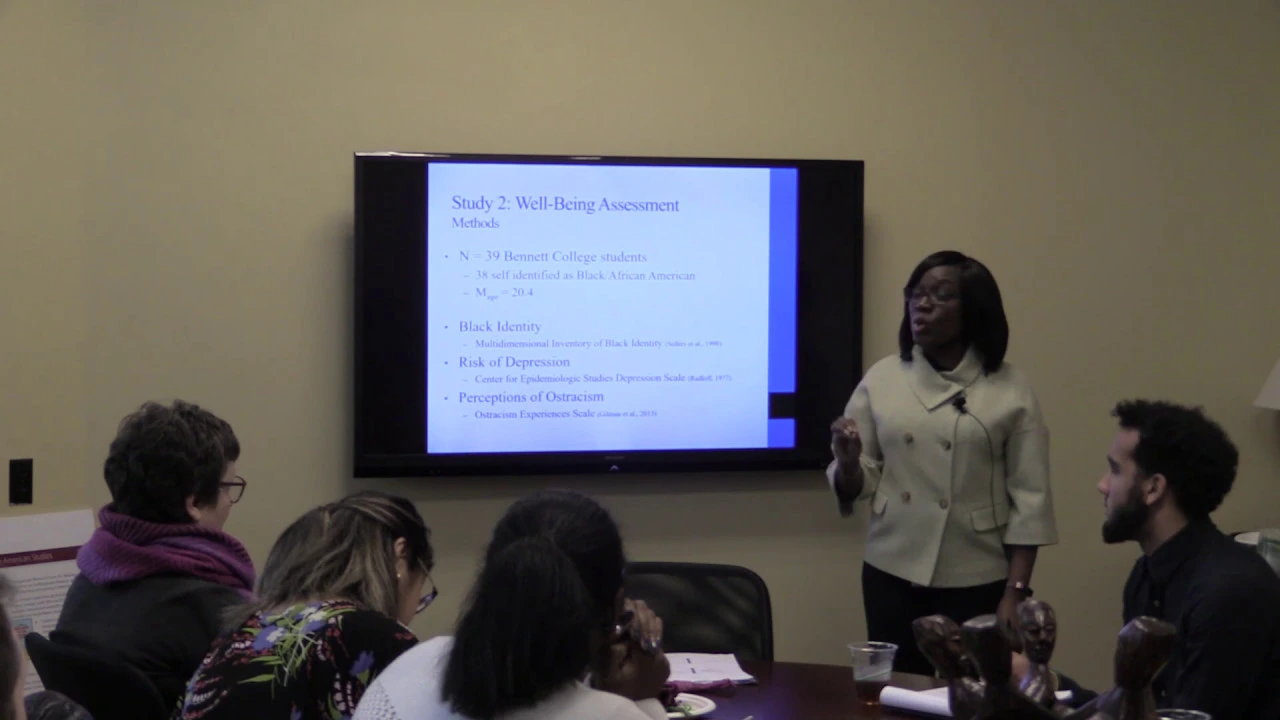
37:29
Sociology
Race Still Matters | Santiba Campbell
ElonTLT
104 views•2019-03-01
31:06
Sociology
Opening session | Disability—Social Protection—Inclusion: Dialogue for Change
socialprotectionorg
155 views•2022-04-15

24:29
Sociology
Domestic Violence in Utah
UtahStories
113 views•2023-08-18

4:12
Sociology
What is disability at work?
fnegemedias8982
104 views•2025-10-23

0:44
Sociology
Povertys Impact On Childhood Choices
ItsMoreThanJustPovertyPodcast
902 views•2026-04-25
1:40
Sociology
Islamofobia meningkat di Australia sejak 7 Oktober 2023
astroawani
258 views•2025-09-12

1:00:00
Sociology
Millennials, Parents and Grandparents: Family Transmission of Religion (and Non-Religion)
oregonstatehealth
520 views•2015-05-27
Trending

13:25
Business
Playstation NO DISC/NO BUY Fight Is Over...
DavidJaffeGames
4K views•2026-07-23

22:40
Business
Steam and Xbox Just Dropped The Hammer On PlayStation
OhNoItsAlexx
9K views•2026-07-23

16:52
Anthropology
Americans Confused in Australia for 17 Minutes Straight
IWrocker
17K views•2026-07-23

20:36
Business
SuperBike Factory Has Gone... What's Next for the Motorcycle Industry?
thatbikersimon
11K views•2026-07-22