The video brilliantly deconstructs the "apex predator" myth by showing how extreme biological specialization is actually a recipe for a life of relentless, high-stakes conflict. It’s a sharp reminder that in evolution, superior engineering often just buys you a more violent struggle for survival.
Install our extension to search inside any video instantly.
Why It Sucks To Be Born As a Jaguar
Added:You slide out of your mother, somewhere in the Amazon rainforest, and land on the ground next to one sibling. Your mother licks you clean, and you push toward her with your legs already trying to work beneath you. You find her and start feeding, with your sibling pressing in from the other side and knocking you off twice before you push back hard enough to hold your spot. A few weeks pass, and your eyes have opened. You can see the inside of the den now, and your sibling spends most of the day running into you, climbing over you, and biting your ears until you bite back. Your mother watches, but doesn't stop it. Then one day, she leaves to hunt and doesn't come back straight away. Your sibling moves toward the entrance of the den, curious, so you follow. A large snake slides in from the edge of the opening, with its body taking up most of the gap. Your sibling freezes in the open, and you press back into the far wall, not moving. The snake moves closer, with its head low and its body pulling in behind it. Your sibling still doesn't move. Then your mother comes back through the entrance fast and low, with her jaws closing behind the snake's head before it can turn. She drags it out in one pull, and it's gone before you've had time to move toward the entrance yourself. Your sibling walks back toward you like nothing happened, but you stay near the back of the den for the rest of the day, watching the entrance. That's the first time you understand that things come in from outside, and your mother won't always be there when they do. You're 3 months old now, and for the first time your mother lets you follow her out of the den. You stay close behind her with your legs working twice as hard to match her pace across the ground. She stops at the edge of a muddy clearing and drops low, so you drop low, too, with your belly touching the ground and your eyes on her. A peccary is feeding at the far side of the clearing. Your mother starts moving toward it, slow and flat, with each paw placed down carefully before the next one lifts. You copy her, trying to keep your body low, but your back legs keep pushing you up at the wrong moment. She launches from about four body lengths away, covering the gap fast and landing on the peccary's back. Then she bites down through the top of its skull, and the peccary drops almost straight away. That bite is what makes your kind different from every other big cat. Every other big cat goes for the throat, but jaguars go through bone. You walk toward the body and try to pull a piece free, but your sibling pushes in from the side and gets its jaws around the same section. You both pull in opposite directions until your mother steps between you and you let go first.
You sit back and watch your sibling eat.
Then your mother moves aside and lets you in. You pull a strip free and chew with your paws pressing the body down to get a better grip. Your jaw isn't strong enough yet to get through the tougher parts, so you work around them. You haven't tried to bring anything down yourself yet, but that will change soon and it won't go the way you expect.
You're 7 months old now and you've been watching your mother hunt long enough that you think you understand it. So one morning, while she's resting nearby, you spot a large bird feeding on the ground about 20 body lengths away and decide to try it yourself. You drop low and start moving toward it, copying the flat crawl your mother uses, but your back legs keep pushing up too early, so your body rises at the wrong moment. The bird lifts its head, looks straight at you, and walks away before you've covered half the distance. You speed up and it takes off, clearing the ground easily and disappearing into the branches above. You stop where it was standing and look up. You walk back toward where your mother was resting, but she's moved. You track her by following the broken ground where she walked and that's when you stop at a patch of bark on a wide tree trunk. There are deep claw marks dug into it and a strong marking left by something much larger than your mother. You've never crossed anything like it before. Your mother appears from the side, reads the marking with her nose close to the bark, then turns and starts walking the other way.
She moves faster than usual, so you follow without stopping to look back.
She keeps a faster pace than normal for a long time, cutting away from the direction you came. You don't know what left that marking, but your mother's reaction tells you it wasn't something she wanted to be close to. Whatever made it is bigger than her and it considers this ground its own. You're 18 months old now and you're almost the same size as your mother. She's been taking you and your sibling to the river more often and today she stops at the bank where a large caiman is sitting with its body half out of the water. Your mother moves to the left side without making a sound, then looks back at you and your sibling.
Your sibling goes right, circling wide to get to the other bank side. You stay behind your mother and wait, watching the caiman. Your sibling moves in too early. The caiman's head swings toward the movement and its body starts turning toward the water. You don't wait for your mother. You go straight at it from behind, throwing your full weight onto its back and pressing it into the ground before it reaches the water. It twists hard under you, but your weight keeps it from turning all the way. Then your mother comes in from the side and bites through the back of the skull, and the Cayman stops moving. The three of you stand over it. Your mother eats first, then steps back and lets you in. Your sibling pushes toward the same section you're already pulling from, so you press your shoulder into it until it moves to the other end. That's the first time your size actually did something useful. A few months ago, you couldn't have held that Cayman down. Now you can.
But your mother has started leaving the two of you alone for longer stretches, and the portions she brings back are getting smaller. She's not going to keep feeding you much longer. You're 2 years old now, and one morning your mother walks away from the den and doesn't come back. You wait through the day and into the next morning, but she doesn't return. Your sibling leaves in one direction, and after waiting a while longer, you go the other way. You move through ground you've never covered before, marking trees and rocks as you go to lay out the edges of somewhere that might become yours. After 2 days of moving, you come out onto a wide sandbar along the river, where a large river turtle is sitting with its legs tucked in. You need to eat, so you walk toward it. It pulls its legs in tighter, but doesn't move fast enough to get to the water before you get there. You flip it onto its back with one paw, and then bite down through the shell. It takes several bites, each one pressing harder than the last, but the shell cracks open and you get to the meat inside. No other cat can do that. Your skull is built differently, with wider jaw muscles and a shorter jaw than most big cats, so the force concentrates into a smaller point and goes straight through. You eat everything you can get to and stay on the sandbar afterward. Then a large male jaguar appears on the far bank with his eyes on you. He's bigger than you across the shoulders, and he doesn't move. You hold still for a moment, then take a step back toward the tree line without turning around fully. You've been marking this ground for 2 days, but he's been marking it for much longer, and the two of you are going to have to sort that out. You're 3 years old now, and you've been pushing into the same ground as the large male for months, marking over his lines wherever you find them.
Then one morning you come around a bend in the trail and he's standing right in front of you with less than 10 body lengths between you. Neither of you moves. He's taller across the back and heavier through the chest and he holds his position without dropping his head.
You hold yours too, with your feet planted and your weight low. He takes a step toward you, so you take one toward him. He stops. Then he comes forward fast, swinging one paw across your face and opening a cut above your eye. You pull back, turn, and move away into the trees. Not running, but not stopping either. The cut above your eye pushes blood down across your face as you walk, but you don't leave the territory.
Instead, you move to the outer edges and keep marking, pushing your lines a little further in each week. A few months pass and you start finding his marks less often. The ones you do find are older, not fresh. He's spending more time on the far side of his ground and less time on yours. You've worn him down not by winning one fight, but by refusing to leave after losing it. The ground is mostly yours now and a few weeks later, a female crosses one of your marking lines and keeps walking into the middle of it. You're 5 years old now. The female who crossed into your territory a few days ago is still moving through it and you've been following her at a distance, staying far enough back that she doesn't change direction when she sees you. You follow her for 3 days, keeping pace without closing the gap too quickly. On the fourth day, she stops and waits, so you walk toward her slowly with your head low and your body angled slightly to the side. She watches you come. You stop a few body lengths away and sit down. She doesn't move off, so you stay where you are. Over the next 2 days, you move closer each time she stops and she lets you. Then she stays still and you move alongside her and that's when you mate.
She leaves your territory 2 days later and you don't follow her. A week after that, you find a large tapir feeding near the river and bring it down after a short chase, biting through the back of the skull the way your mother showed you. The tapir is too heavy to drag far, so you pull it up into a wide forked tree above the ground to keep other animals from reaching it. It takes a long time and most of your strength, but you get it up. You feed from it over the next 2 days, dropping down to the river to drink and climbing back up. A group of giant river otters watches you from the water below each time you come down, but none of them come close. The territory is full and the hunting has been good, but something has been moving through the southern edge of your ground, taking prey before you reach it, and it doesn't leave any marks behind.
You're 10 years old now and something has been working through your ground for weeks. Prey you've tracked to the river has already been taken by the time you arrive, with the ground around the water disturbed, but no claw marks and no fur left behind. Then one morning you come to a clearing near the river and find a large anaconda coiled around a dead peccary with its body wrapped tight and its head resting on top. You need the food, so you walk toward the peccary and reach down to pull it free. The anaconda releases the peccary and comes at you before you pull back. It gets one coil around your neck and one around your front right leg before you can turn, and you drop onto your side with the weight of it pulling you down. You bite into its body and it tightens. You push onto your back and claw at the coils with your back legs and it tightens again.
Every time you pull air in, the coil closes a little more, so each breath gets smaller than the last. Your back legs slow down, then your front legs slow down. The biting stops. Your body goes still on the ground with the anaconda holding its position over you, waiting a long time before it starts to move again. By the time the forest starts moving around the clearing again, there isn't much left of you on the ground, but the anaconda is still there, and it isn't moving anywhere fast.
Related Videos

The Puma Had Already Caught the Baby Honey Badger in Its Jaws...Until Its Mother Struck Back...
Animalz-wildlife
18K views•2026-06-20

How Did This Bird Find That?
BornWildUS
228 views•2026-06-23

All Types of Birds Described..100+ Amazing Birds From Around the World
KnowbitShorts
104 views•2026-06-23

Meerkat Mob vs. Deadly Cobra: A Fight for Survival
DocsZ1
193 views•2026-06-23
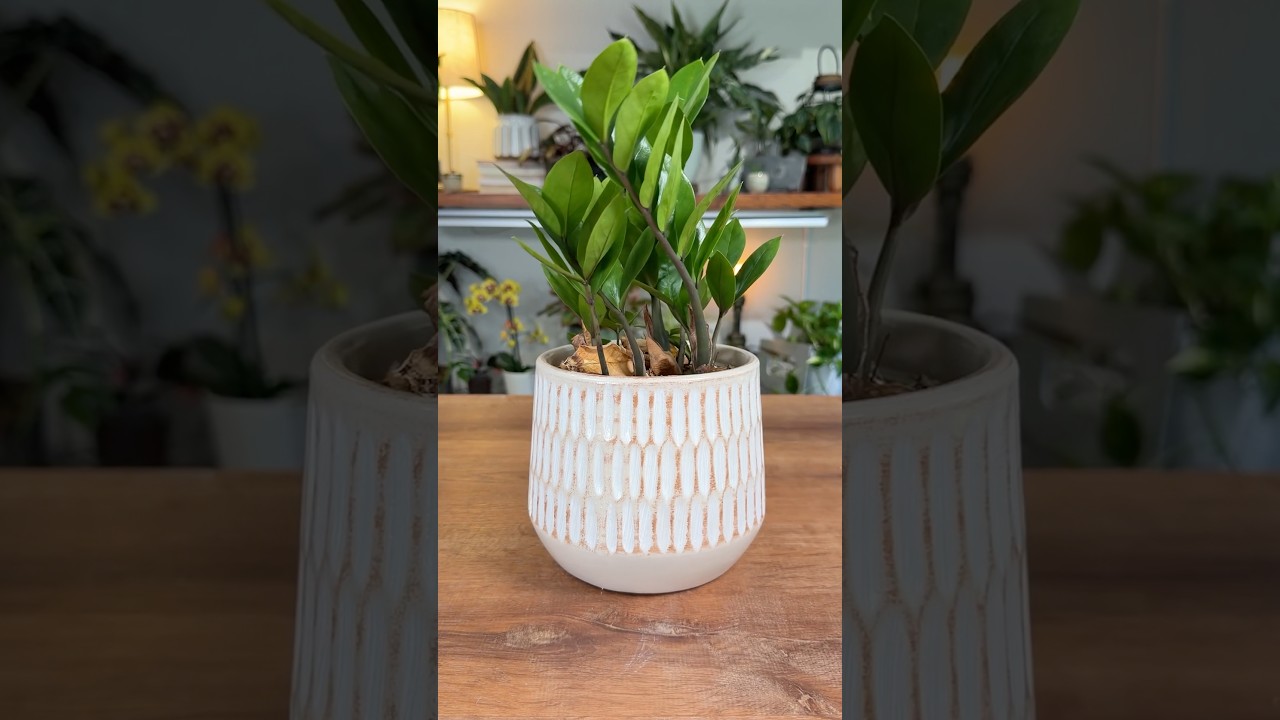
I Grew a ZZ Plant From Just Leaves
monstrofarm
363K views•2026-06-19

Benefits of Sunlight from Prevent Sleep problems
PeterRogersMD
140 views•2026-06-20

Why You Should Be Terrified of Giant Squids
fangtheory1
315 views•2026-06-19

Free Lunches: Model Systems for Studying the Agential Gifts from the Platonic Space by Michael Levin
drmichaellevin
160 views•2026-06-20
Trending

Nancy Guthrie investigation: the traces bodies leave behind in the desert — scientific deep dive
BrianEntinInvestigates
118K views•2026-06-25

We’re Trusting You Guys With This Decision
CleetusM
434K views•2026-06-26

Palestine
Channel5YouTube
470K views•2026-06-24

Supergirl Review - James Gunn LOVED This...
disparutoo
147K views•2026-06-25