This lecture offers a fascinating look at how ancient Sanskrit poets blended mathematical precision with natural observation to create complex linguistic patterns. It highlights a unique form of technical mastery that challenges our conventional understanding of poetic structure.
Install our extension to search inside any video instantly.
Sri Yaadavaabhyudayam Episode 24 | Lord Krishna | Vedanta Desika | English | Dushyanth SridharAdded:
Now the point is these acharas concentrated so much in enhancing poetry. At the end of the day when I look at these people who have written how much efforts they have put.
So ain pal has the name the milk of the cow. Gohanam means the one that nourishes the gokulum. So Krishna said the name is gov dhanam. For now at least we should add some meaning to it by thanking the mountain. Yeah. For example the person you have called your grandson Vishwa Mitra somehow he fights with everyone.
One day you will tell your grandson at least for your name's sake have one friend. Forget the world have at least one mitra. So for name's sake we say right. So uses that word poetry is I don't know how he constructed all this. Now one more poetic beauty I will say and then continue that goat.
This this is a verse of 32 letters. What chundas is this?
>> Anushtuk chandas. So first line will have how many asharams? 8 16 >> 16 8 + 8 16 8 + 8 16 F four pas two pas in the first line two pas in the second line 8 + 8 16 second line 8 + 8 16 Now I will not mention the letters just for your sake you have to imagine I know it's 7:51 in the morning I'm asking you to imagine but you have to do that we have no other choice let us assign a number 1 2 3 4 5 6 7 8 9 10 11 12 13 14 15 16 16 aas. Now same thing in the second line. What will it be? 17 18 19 till 32. Correct? Now all these numbers are asharams. There is a letter there. I'm not using that letter just for your understanding. Now draw a line. First letter of the first line.
Second letter of the second line.
Third letter of the first line.
Fourth letter of the second line. You're able to get fifth letter of the first line. Sixth letter of the second line.
Correct? When you do this, you will get the first line again.
>> Are you able to understand? Now I have to fill axaras there.
I have to fill a for first you have to understand the pattern. 1 2 3 see when I go down it means the second lines two 1 2 3 4 5 6 you will get the first line again.
Now do the reverse. First letter of the second line and second letter of the first line 1 2 3 4 you will get the second line.
So how is the pattern? If you draw it instead of lines if you put a curve it will be like this.
This is as if the urine of a cow how much they have observed when the cow urinates it will not urinate in a straight line point A to point B it will not draw a line. When the cow urinates if it were let free it will walk in such a way it will walk in a certain fashion. The mutum the urine will fall in a certain pattern. So this bandham is called go mutria bandham pattern in Sanskrit poetry based on the urine flow of a cow.
Earlier we deal we asked right are we compassionate towards animals.
Earlier kurabandam horseshoe now it is goautria.
What do we do after this? We should not eat that animal. biggest compassion is after describing this we eat that animal we can eat we can eat the cow but not the dog that's another thing right so your compassion is only for the dogs not for the cows this is selective compassion now this is called so he says that is the verse Now when you do this you will get the same bandham. If I were to tell you the same pattern in Sanskrit telling das tana it will be very confusing. So I told you the bandham.
This is called goautria bandam.
So that is the greatness of vdantika. I can keep on and on and on about this great acharia.
Now after composing he has composed roughly about 100 verses in different imagery patterns chitra cavium in this in this particular sa I've described four or five if you remember the rest of it homework you read now now as he completes this particular um uh sa he says in the sura This is the way he concludes kind of concludes what he says is I'll pay my obesence to that mahalakmi who is now adoning the chest of Vishnu and so on.
What he essentially says is with this with this sloka I complete my chitra cavium. Why? He says amongst the Sanskrit poets in those days if you are a chitra kavi you were not given very high importance because that person is using lot of kanak less of poetic beauty because your concentration is fixed on getting a pattern not to come with poetry you're able to get even in karnataka sangeam if a person does a lot of mathematical position positioning of swaras.
He's very good for the rhythm for the lam. The midangam artist will say bal sabash but critics of karnatic music will not treat that music.
So what will happen when you you're concerned only about the swaram is you will forget the melody in that ragam. So your melody will go away. Your concentration is Your concentration is to get only that swaram but not that melody. So amongst the four cavies ashu kavi vistara kavi vikat kavi chitra kavi chitra kavi was not treated that well. So Vdanta says in this sa alone I have used chitra kavam chitrakavam because I wanted to tell the world how imagery in poetry works but I am not going to use this any further because somebody in those days a great critic would have taken this work and would have thought they will close the book right so he cautions them don't close my cavium with this I'm stopping I will continue with poetic beauty from now on so Don't worry. So he says I am using this because I have to tell my audience in Egypt that Vdanta can also compose Chitra because tomorrow we'll ask yes I have done it but I won't overdo it.
So you have to give it one you have to give adai you have to give idli between that you have to sandwich one day. So by it is called this one see now I will leave it there nowaday uses this particular shloka to say that I'm going to conclude with that even I conclude that chitra let us concentrate now he the son has advised the father we have to take all this towards goam So he says um when the gopikas and the gopas they all listened to Krishna see that is one major attribute in the gopas they were not that well educated they they didn't have a school in gulam and vindavanam they never been to a school But the amount of subservience and love that they showcase towards Krishna is unimaginable.
See imagine in a household you have been doing something suddenly a six-year-old boy comes and offers some suggestion.
What will be our immediate reaction? Any human's reaction? I know.
I know. Just stay quiet. Will you be in your limits? This is how we say correct.
So we don't like anybody giving us suggestions. Immaterial though we may say we are very liberal. We are open to feedback. We don't like suggestions.
That is the whole thing. If you ask in any house they will ask.
We may be thinking they want a critical feedback but they don't want a feedback.
They want that.
Isn't that the human mentality?
So you should see their face. Just try this once at your own risk. Okay? If someone offers you some food, they ask you how it is. Try doing this.
You see how their face changes and be ready for any reaction after that. Okay, you may be even thrown out.
Okay, you should be ready. Protect yourself. Go with all kawacham kundalam.
You see nobody likes feedback. But we act as if we are all very say anything.
How is it? But but then the true manushia buddhi will come out. Right now when Krishna said little boy he says don't do utsam for Indra what should the father have said poakuta go inside this is how he said immediately they said Krishna says don't worship Indra worship god okay this is the differentiating factor between gopas and us if we were in that position instead of nanda gopa we would have said ulo ulo right we would have said but they didn't do this to Krishna because they were all so obedient towards Krishna that is why despite having not gone to school despite not having a great lineage who is their father forefather we don't know but they were so attached to Krishna that is why even today we invoke the gopas and gopikas with so much of respect I pay my obesences to go. So immediately they listen. That is our differentiating. We would have asked hundred of question.
I have the freedom of expression. I can exercise it. We will invoke article 2, amendment two, statement two, article 54 to exercise. That is why we have not got moksham as of now. We are still in Egypt. We don't know next genma whether we will be traveling to Ethiopia, Sudan, Ningapura. The rest of the Nile cruise will complete in the next JMA. So that is our state. But immediately the gopas gopikas listen. So they all left. So he says they all left towards the hill. at top the hill. He says, "The one who controls us from the within."
They saw him stand at top the hill. It seems they saw some blue boy. They couldn't clearly see who he was. He was like deep to that lampost at a very big height. So people couldn't spot him. Somewhere he was there. He was surveying the entire land. So they didn't know whether he was the Deepaton lampstone or survey stone.
So he was there at the top. People from the bottom the the foothills were seeing somebody blue Krishna is standing there.
That was because these gopas were extremely innocent. They believed that the hill will bless them only if it consumes their food. So Krishna in order to make them believe he being the antyami for Govar Dhanam stood at top the hill and he consumed the food. Okay.
So he says what is adri hilling top the hilltop.
The gopas who are at the foothills put their ayah karp swami they say right because he is that karupus swami if you go to aragar kovville once a year they will open that door and there will be five lakh people who are present for that 10-second beauty it is believed that there is a karpus army which sits and protects now and in those days used to state what villages worship as karpus arami is nothing butrishna Why? Because he's kpus swami. Krishna is the dark lord. See in sanatana dharma the dark lord is very good.
Only in rolling's book the dark lord is bad for us. The dark lord is good. So we don't have the trouble of wdemort here.
So he is the one who grants us mosham.
Dark lord says.
So Krishna stands at top the hill. Then he continues.
Now the villagers who are extremely well-versed see each kulum in sanatana dharma has its own sishta.
For example if you go to a brahminical household the way they do shadam will be different from the way a non-bhminical household does both are correct. There is nothing called this is right and that is wrong. In if you I visit so many tier 2 tier three towns when I look at the bacti in the people who are not brahmanas I envy them. They are the ones who hold the dharma intact on the day that they have to pay homage to their ancestors they will do something called parayal. Have you heard of it?
>> They will put all the dishes whatever they have to offer. No, that is their way because in the brahmanical phati we don't do that. In fact, there is a way of consuming also there is a difference especially in the vakal we don't do to anything that has salt.
So the smarti and theara sraay sraay there is one unanimity because what they do is they do paricidum for all the ingredients on the banana leaf because the belief is whatever we consume has to be offered to bhagavan but there is a shastraum which says that whatever you consume for yourami jataragni has to be without salt.
So when you offer fresh rice, hot rice and ghee, you should not add anything.
You should not add sambar, par, nothing.
It should be unsalted.
That one you have to after adding that ghee. Imagine this looks like a gov dhana parvatam that white rice. If you eat in that proportion then may Krishna protect you because some of them will create a real Mount Everest volcano. So then you have to add little ghee. See you have to imagine this is Govar Dham. Now for goam when they offered Krishna who theami consumed. So when the white hill like kailasha is done and then you offer ghee unsalted you have to take that rice with your ring finger and your thumb like this.
This is when you do paranam. This is the rule.
So you should not take it with the rest of your fingers. You have to use this.
You have to take it should be dipped in ghee. Dipped.
You should dip it. You should not sprinkle ghee. Dip it in ghee. That's why I said ishwaru ashhatu. Now take that rice and you have to I cannot tell that mantra openly. So you have to tell that mantra and then swallow it. When you swallow you should not bite it.
Remember in param that anam should not it should go it should not touch your teeth. It should go directly to your stomach because antyami is waiting there.
That is why in the des alone there is one padi of asking because imagine you have made chapati.
You cannot do paricam for chapati because it has salt.
So what they will do is even if they make chapati they will have little rice.
They will add the rice, ask you to do paricnum and then consume that variety.
So this parication concept is akin to goam.
You're able to get the connection because whatever food was offered was offered to antyami there. Who is Krishna? Now he is the one says Krishna in Bhagavad Gita. So that is the food that comes correct. Now what how did this look at the beauty now after doing parication I told you in certain sraayas they will offer all varieties on a planted leaf. Again I'm not telling this is the correct padi don't take me that way. I'm giving you a reason why Samra does that. If do it they have a good reason. They say whatever you eat is for paramatma. Why should paramatma not have sombar so he needs sambar. So they said so that is also correct. So don't take me otherwise all pis are correct. Now on the leaf when the gopas offered huge rice it is anakuto sam. Remember in vayishnava sraayam it is called anakam.
You have to bring varieties yearly once in every agama based piral temple. Have you seen anakot sam? Oh they will make as many these days they make 32 varieties of sweets and they offer before bhavak. In shriangam there is a slightly different phati. It's called vada. What even in turala they will make it as one rice. It will be a kadamba sadam they will not keep these varieties separately that they will offer in if you go to trimmalaati visit the ttd museum there.
Once you take your left and go inside the museum, you will see the silver simha sanam on which every year will would be done. It will be a huge some somewhere around 180 kg silver vessel.
It is a big one at top which that sav will be done. It is called an kutoam.
Now anam is offered to shiva.
See generally there is always a conflict whether we can take rice inside the garbag or not. It is a big dilemma because one section of the smartas are very particular that rice cannot be taken inside because there is a how do I explain this what is in English it's it's it's very tricky right it's not 10 right sticky huh cooked item is fine But see let's say you cook uh lady's finger vendaka you don't have to touch water for that you have to touch only when you touch after touching all of this when you touch rice or curd you'll have to touch so it's a tricky thing how to describe pu okay assume there is something called pu okay so I I'm I'm sorry I'm not that good a speaker I'm I'm not able to explain pu okay so One section of smartas believed that there will be pu if you take rice but vaynavas believed that in the tagama based temple when it is offered as bhagavat prasadam it is not pu so I remember one conversation that I had with one of my inspirations called sundar kumarana he gives a lot of discourses he's a he's a giant he's a towering personality I always look up to him and we have had some nice conversations questions he's I don't know 35 years older to me but both of us when we talk you will think we are friends that is the sabhham with which that swami comes so way back in 2009 while I was in Bombay he was delivering mahabharata lectures in astika samajam matunga so I went there and at the end of the lecture in the temple they gave us prasadam in a donai donai is a cup a leaf cup an organic handcrafted cup that is biodedegradable right that is donai so they gave us prasadam so I didn't consume that prasadam because I had two or three doubts so I wanted to ask sundumar swami about this so I followed him up to that floor where he was residing so as I was entering he said see you eat that and come I said swami I'll eat it So in though it is rice it is consumed as prasadam. So there is no concept of pu but in smartas even if it is prasadam it is pu.
Related Videos

I Loved the Duke in Silence for Years. My Final Act? Choosing His Rival. 🤫💔 | DramaBox
DramaBox-PrimeDramaShorts
228 views•2026-05-31

⚡Harry Potter Book 4 [CH 23]⚡(CEFR A2+) Audiobook with Full Text
InglêsEssencial
880 views•2026-05-31

She Saved a Dying Prince Everyone Feared. Now the Empire Hunts Them Both.
NovelFilmz
462 views•2026-05-28

অর্জুনের প্রতিজ্ঞা: জয়দ্রথের পতন |#shorts #mohavarat
ChildhoodTea
129 views•2026-05-31

10 Books I Wish I Would Have Read Sooner!
BrianBell7
204 views•2026-05-29

How The Boys Fumbled The Most Iconic Villain of The Past Decade...
TeddySlump
5K views•2026-05-30
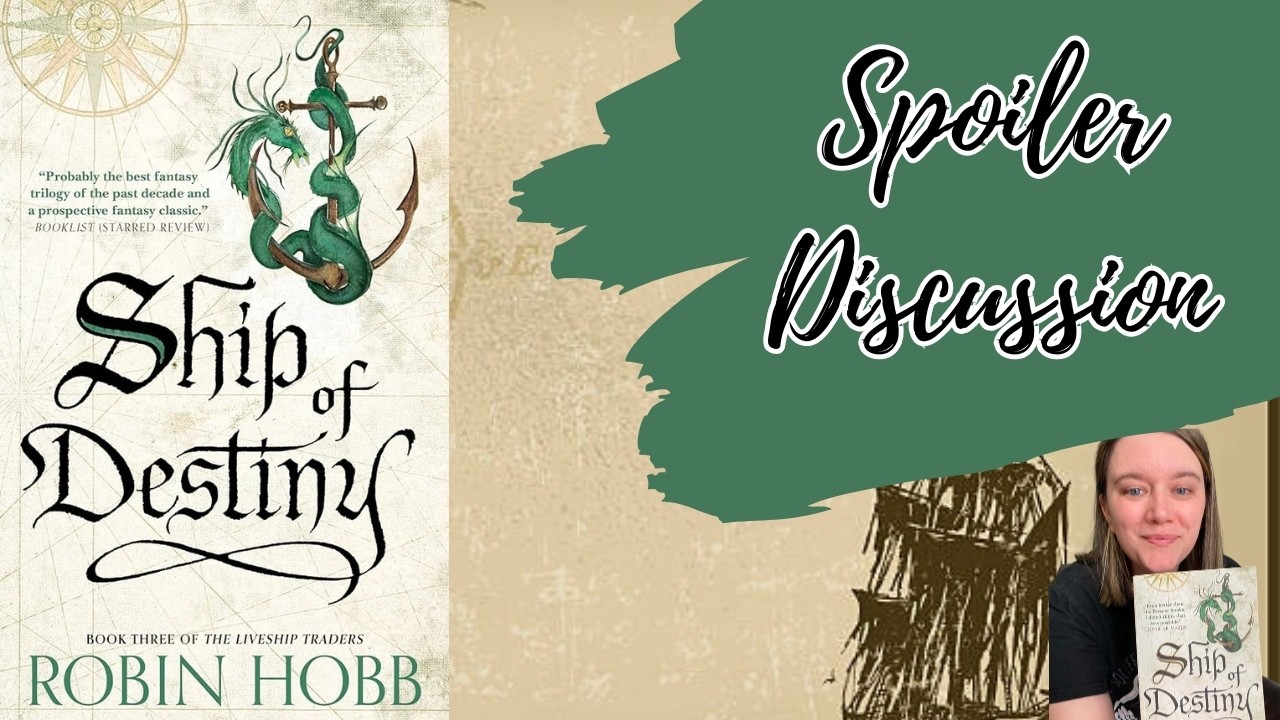
Ship of Destiny: Spoiler Discussion!
TheBookCure
105 views•2026-05-28

the legend of wayland the smith — a story of cruelty and revenge #norsemythology #mythsandlegends
tinyrainboot
1K views•2026-06-01



