In French grammar, the word 'si' (if) requires specific tense combinations to express different types of hypotheses: 'si' + present tense indicates a real or possible future situation (e.g., 'Si j'ai le temps, je viendrai' - If I have time, I will come); 'si' + imperfect tense indicates an imaginary or unreal present situation (e.g., 'Si j'avais plus d'argent, je voyagerais' - If I had more money, I would travel); 'si' + pluperfect tense indicates an unreal past situation (e.g., 'Si on avait su, on ne serait pas venus' - If we had known, we wouldn't have come); and 'si' + present tense followed by imperative or present tense indicates recommendations or general truths (e.g., 'Si tu veux des bonnes notes, étudie' - If you want good grades, study).
The Magic Word in French: How to use "SI" (What If!) 🪄Added:
You want to make hypotheses in French, then just learn the magical word si. But be careful, depending on the tenses that you use after si, the meaning can totally changes. If you use the present after si, then the next sentence, which is the hypothetic situation, needs to be in the future tense. And it is used to talk about a real or a possible situation in the future. For example, si j'ai le temps, je viendrai or si tu étudies, tu réussiras. If after si, you use the imperfect tense, imparfait, then the hypothetic situation needs to be in the conditional present. And it is used to talk about an imaginary or an unreal situation in the present. For example, si j'avais plus d'argent, je voyagerais or si tu parlais français, tu comprendrais cette vidéo. Third situation is if you use the pluperfect tense after si, then the hypothetic situation needs to be in the conditional past. And it is used to talk about a situation that didn't happen in the past. For example, si j'avais étudié, j'aurais réussi or si on avait su, on ne serait pas venu. But sometimes after si plus present, you can use either the present tense again or the imperative.
If you use the present tense again, it would be like a general truth. For example, si tu veux des bonnes notes, tu dois étudier or if you use the imperative tense after si plus present, then it is more like a recommendation.
For example, si tu veux des bonnes notes, étudie or si tu vas à la plage, mets de la crème solaire. Now it's your turn. Try to write a sentence with si and then any tense. And if you want more content like that, please don't forget to subscribe. And we have new sessions starting every month, so if you want to know more about it, leave us a message.
Related Videos

Trump’s Reflecting LAKE update
concussiontalks_slp
15K views•2026-05-28

WIL in Afrikaans is not WILL in English? | Ek leer Afrikaans | Part 6
afrikaanswithannelize
229 views•2026-05-28

How Brits Say British Pronunciation
MrBranicus
1K views•2026-05-30

🎵 A to Z Kids Song | Cute ABC Animation for Children
ABC_Little_Heros
10K views•2026-05-30

basque influence uniquely different spanish
Davantsi
761 views•2026-05-31

10 German Grammar Rules That Unlock the German Language | A1-B1 | Learn German
LearnGermanOriginal
357 views•2026-05-29

How To Express Disappointment In English #english #speakenglish #languagelearning #airlearn #viral
english_w_remi
6K views•2026-05-29
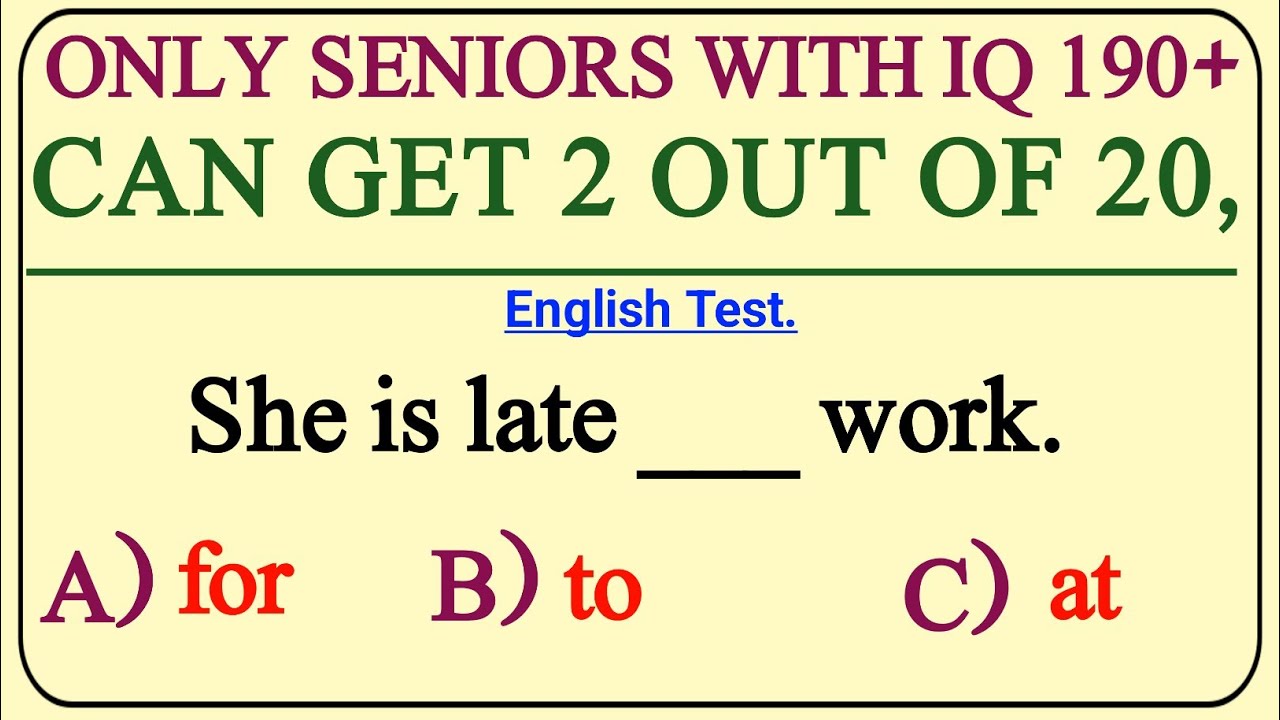
ONLY SENIORS WITH IQ 190+ CAN GET 2 OUT OF 20, | English grammar skills
EforEnglish161
582 views•2026-05-29



