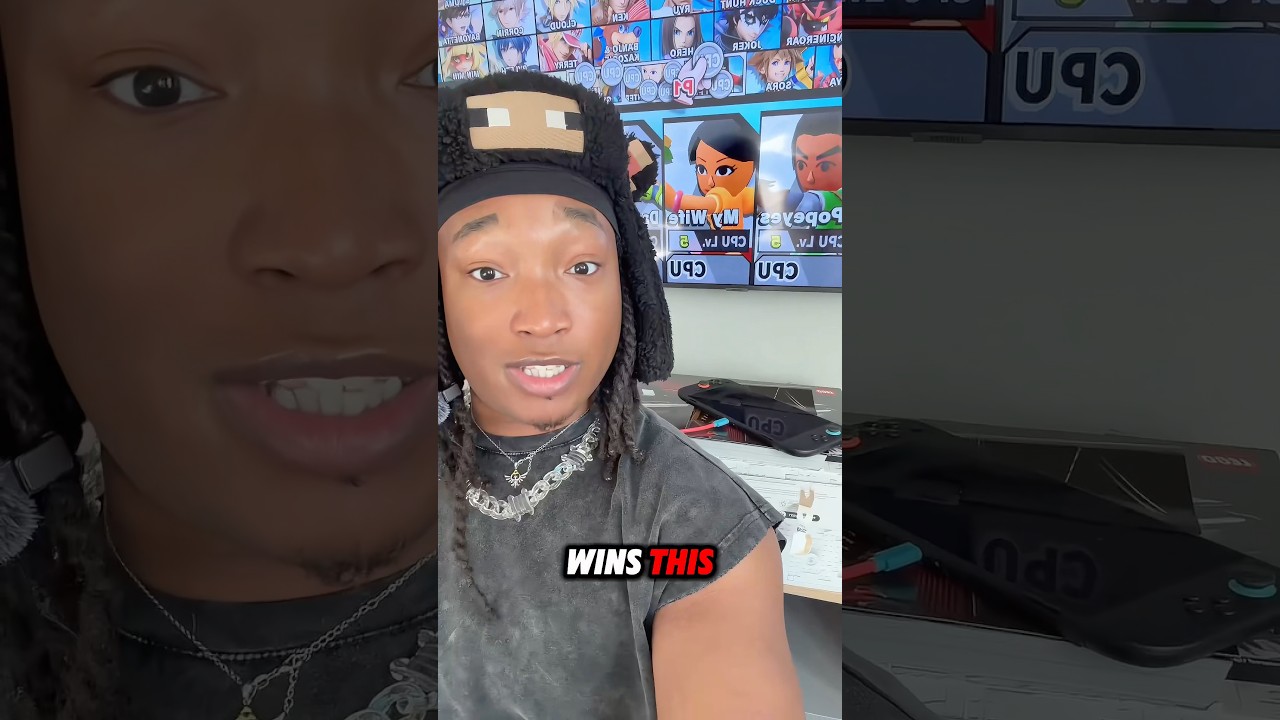
Cringe culture, an internet phenomenon where people mock anything deviating from social norms, has evolved from simple embarrassment into a powerful cultural force that forces individuals to suppress their authentic personalities, leading to self-censorship, reduced online expression, and a flattened personality where people become boring, low-key, and unbothered to avoid being labeled cringe, despite the internet's paradoxical celebration of authenticity.
Install our extension to search inside any video instantly.
Cringe Culture And The Death of PersonalityAdded:
Yo, the problem with this generation is everybody's scared of looking cringe.
>> Something I genuinely cannot stand about our generation is how everything's embarrassing now. But I would rather always be cringe or embarrassing than mean and miserable.
>> Cringe culture is the death of our personalities.
Recently, I kind of had this sort of surreal realization that in a couple hundred years when historians are looking back at our current time period, they are going to see a lot of embarrassing things. Of course, I'm talking about things like H Cobb pranks.
Is >> she over there?
>> Or maybe they'll even see how absolutely emotionally violent people got when they saw the new design of Shrek in Shrek 5.
>> What the uggers are onions is this Hollywood.
>> But there is one more part of our society that I really think will probably tickle some historians feet.
Something that will reveal a deep unsettling truth about our society.
something that will rock the world straight to its molten rock core, cringe culture, or basically the internet phenomenon where people will laugh or mock you for anything and everything you do if it deviates from the social norms.
And I don't know about you, but that's pretty cringe. One of the biggest issues with our current age of cringe culture is that everything has become cringe.
Having a personality has become cringe.
Doing something you enjoy has become cringe. Maybe you're dancing too hard at a concert. Well, that's cringe. Maybe you're sharing something that you're super excited about. Well, cringe. Maybe you're doing a Tik Tok dance in front of a public bathroom.
>> Can't touch this.
>> That That's actually cringe. That's That's super cringe. And another thing about cringe culture, too, is the moment you were labeled cringe, it's practically impossible to come back from that. It's it's part of your identity now. And because it has become one of the worst things in human history, people are deathly afraid of being called cringe. So, a lot of people have just become robots that are running on something like Windows Vista. But that makes me wonder, when did being enthusiastic become embarrassing? What happens when fun becomes lame? Why is cringe culture destroying our personalities?
Back in the early days of the internet, I barely remember the word cringe being used at all. At least not in the same way it's being used now. I mean, think about the differences between old cringe and modern cringe. To me, I feel like a lot of the early viral videos on the internet would be considered this type of old cringe. They were things that gave us a kind of secondhand embarrassment or maybe they just made us feel awkward. The thing is though, back in back in that day, people didn't call them cringe. These videos were actually celebrated and people laughed at them.
For example, does anybody remember Chocolate Rain? The song by Taande.
I don't know if you remember, but back in the day, everybody was absolutely obsessed with that video. I don't remember a single person calling it cringe. But the thing is, if Taande released that song today, it would probably still blow up, but it would be because people would think it was cringe. They would make fun of it, and it would become a kind of sign of what you shouldn't do. Also, to be fair though, if it did release today, Tae would probably do a lot of Tik Tok dances alongside it, and it would probably be a part of his debut Soundcloud album.
A recent essay from FOROM's Ethics and Society blog argues that online cringe culture codifies conformity as desirable because people can avoid being labeled cringe by repressing originality and fitting into social media ideals.
Basically, it's saying that cringe culture is causing people to limit self-exression and authenticity. It's kind of like they're trying to avoid the dancing plague of 1518. A 2025 academic project on online cringe culture argues that cringe has become a multi-dimensional cultural phenomenon rather than a simple feeling of embarrassment linked to broader patterns of prejudice and social judgment. So cringe has evolved from this basic feeling of embarrassment to becoming a genuine cultural force that affects how people behave towards each other. Which saying that out loud sounds a bit dramatic that cringe culture is a dominant cultural force, but it's true.
But here's what makes cringe culture so powerful. Social media shrinks all of your audiences into one unpredictable, brained, chronically online audience.
Think about it. In real life, you're a different person depending on who you're talking to. You're not exactly the same with your boss as you are with your best friend. And that really weird group chat you have that you send really questionable things in, you better hope your grandma doesn't see that.
>> What the skiibbidity? I think I like this sussy bucka. But in the age of social media, all of those different audiences are combined. A joke that's meant for just five friends can reach 5 million strangers. A video that's made for one subculture gets judged by a lot of people who hate that subculture. A moment that made sense in the context of one room you were in has become the reason grandma doesn't visit you at Thanksgiving anymore. Research on context collapse explains that social media blurs the boundaries between audiences and norms, making it harder for users to come across as authentic. A studies on Fininaas and alternative accounts note that users often respond to this perceived surveillance by self-censoring or fragmenting across multiple platforms. Which by the way, I can't believe there's a study on Finstas. I'm kind of dumbfounded that we live in the timeline where Finstas is a research category. That is crazy. A 2026 article on teen posting describes not posting as a common response to context collapse, which is where public posting feels permanent, searchable, and exposed to too many audiences at once. All of that to say is that there is research showing that people are posting less and showing less of themselves online because of this audience collapse. And one of the most annoying parts of this is that cringe culture practically thrives on the combining of audiences.
Because usually the joke is something like, "Oh, this made sense in one place, but it doesn't make sense here." So naturally, what do you think people are going to do when every single version of themsel is being judged by Johnny Mc Cringe and his goons? They become less authentic. Maybe you genuinely like a certain show, but you call it ironic.
You like a song, but only tell people if everyone agrees it's a good song. You want to dress differently, but not so differently that people think you're trying too hard. You want to be passionate about something, but not so passionate that people think you have a weird obsession. Which, to be fair, some people really do have weird obsessions and probably probably need to get some help.
>> And I'm addicted to drinking air freshener.
>> But in order to avoid all of those possibilities of being called cringe, people adopt a domestic policy of being boring. They become chill, low-key, unbothered, self-aware, not trying, just joking. There's also this weird thing that I've seen a lot of where people will post something and then they will say, "I know this is cringe." Is a way to, I guess, defend against all of the chronically online goblins that are going to judge them. When people say things like that, I think it lets them feel like they can post whatever they want online without having to apologize for the top level felony crime of having a personality. A 2026 mixed methods study on online self-censorship found that users with larger audiences, lower posting frequency, and lower perceived support were less likely to express their opinions. And those who did speak often adjusted their views to fit perceived group norms. But despite all of this and all of this cringe culture and cringiness that's going around, people still say they want authenticity.
So why does authentic behavior get made fun of so often?
I feel like all over social media, you'll see a ton of people talking about how they crave authenticity. It's hard to walk more than 10 steps down social media avenue without hearing someone say the words authentic. It's like being in an episode of The Walking Dead, but instead of being surrounded by a bunch of zombies making some really weird moaning noises, you're surrounded by a bunch of kay that are spelled with the letter C, and they're telling you just be yourself. Brands say be real.
Influencers say be vulnerable. People described polished things as fake. And ironically enough, at the same time, they call those same polished things that may be authentic, they call those cringe.
>> How do you let your guard down and start to be vulnerable? Welcome to the Daddy Academy.
>> So, it seems like the internet doesn't reward real authenticity, but instead it rewards approved authenticity. You can be weird, but only in the way that people understand. You can be vulnerable, but only in a way that makes sense. You can be different, but only if that difference fits a certain aesthetic that people like. And it seems like based off of those things I just said, I have just described half of the influencers that bless our social media algorithms. Basically, you can be cringe, but only if you're self-aware enough to monetize it. I mean, look at Madison Humphrey, for example. In April 2026, Yahoo wrote an article on the Tik Tok comedian who built a massive audience by turning embarrassing social media moments into satirical performances. And some of her videos consist of her paring real things that have happened on social media, including a woman whose fiance threw up when he proposed to her.
And I think in this case, Madison Humphrey shows the difference between when you own cringe and when you just are cringe or when people call you cringe. With this clip, Madison Humphrey parodyied a real moment that happened and a moment that made Cringe Cupid shoot people with the cringe arrow. They they felt cringe. I'm trying to say that they felt cringe any anyways. So when a comedian performs cringe, everybody's okay with it and the audience understands the context behind it. When a normal person though gets caught in a sincere awkward moment, the frame is removed. Everybody makes fun of them.
They turn into a joke and they're no longer allowed in Applebee's. And in my case, they're framing it as, "We saw you steal from the all you can eat buffet.
We saw you stick 13 chicken tenders in your pocket. We're calling the police."
It's crazy. It's insane how people frame things. little bit of chicken fryer.
>> And on that same note though, does anybody else remember the flip the camera trend from last year? I made a whole video on it a while ago, but if you don't know what it is, it's basically where teens would do a little Nemo looking dance while secretly filming another person's confused or awkward reaction after handing them the phone. So, for many people, including myself, they describe this trend as a kind of humiliation type thing because a lot of the time the punch line was this awkward or vulnerable person. And in many, many cases, these were posted on Tik Tok for millions and millions of people to see. And in situations like that, cringe moves from just being this thing that people talk about to being an actual offensive thing. And I'm not talking about the type of offensive where you're like, "Oh, I'm offended."
>> I mean it in the way where 23-year-old Michael Jordan went absolutely offensive against the Celtics on April 20th, 1986 and pretty much embarrassed them.
>> It wasn't Michael Jordan out there. It was God disguised as Michael Jordan. So in cases like that, the cringe meter shifts from, "Oh, look at me. I'm being awkward." To, "Oh, look at this person.
They're being awkward and weird and cringe." Instead of being inward focused, it becomes outward focused.
Just like the yoga move, outward dog.
And another thing about cringe culture that is more annoying than if you get blue shelled in Mario Kart is that the target is always moving. The Guardians 2025 article on millennials becoming uncool, which is an absolutely insane article by the way. This article describes how things once associated with millennial identity, things like skinny jeans, certain emojis, visible socks, honest posting, became signs of absolute cringe for younger generations.
What was once considered normal and hip, has become cringe and embarrassing. So, what that means, and I hate to be the bearer of bad news here, but that means that trying to not be cringe ever in your life is practically impossible. You can spend so much time, energy, and aura trying not to become the next cringe monster, but at the end of the day, all it takes is one little brain rotted cycle, and then you're thrown into cringe jail with the rest of us. But it's okay because we welcome you with open arms. Actually, I don't know why I'm saying we because I'm not a millennial. So, I guess I'm not with you guys. You guys are cringe. See you later, cringe lords. May 2026's Tik Tok trend culture is full of theatrical type behavior, wild fashion trends, celebrity audio, and oddly specific archetypes.
One trend roundup noted that May trends reward commitment, specificity, and a little theatricality, which in a way that creates this kind of weird contradiction where on one hand, you can't be too much. You can't be too happy about something because people will think it's cringe, but on the other hand, you're supposed to repeat all these overdone trends that aren't even funny anymore.
But do you know what the difference between unacceptable cringe and acceptable cringe is? It's the framing of it. It's how the audience sees it.
It's the timing of when you post it.
It's whether or not the Tik Tok jury decides if you were being real cringe or fake cringe. It's kind of weird to think that the same behavior could either be called cringe or it could be trending just based on how Johnny Mc Tik Tok perceives it. And with all of this being so deeply ingrained in our society where people are deathly afraid of being called cringe and people don't want to be authentic anymore, it kind of seems like we got the short end of the stick.
I mean, I can't even grab that end of the stick because it's so short. But that leads me to another question. What happens to a culture when people feel like they can't be authentic? Well, if we look at younger people, it seems like cringe culture impacts them the most because their whole life is pretty much built around social media, which is where the cringe army lives. and they're constantly being attacked by the evil forces of cringe in a time where they're still developing and learning who they are. They're trying on identities.
They're changing their taste in clothes, music, humor, friend groups, hobbies, even their favorite type of lasagna. And do you have any idea how hard it is to choose a favorite type of lasagna?
There's practically an endless amount of the different types of lasagna. It It's crazy. It's a travesty. You could never pick a one to be your favorite. But in this period of our lives where we're still trying to figure out who we are or what we like, we're supposed to be inconsistent. We're supposed to overdo it. We're supposed to be cringe sometimes. Or in the case of some people I knew, we're cringe all the time. It's me. I'm some people I knew. But now, especially with social media, this awkward phase of experimentation and development is put on the front row of public life for everybody to see because of things like Tik Tok, Instagram, all of that. Everybody in the world cannot see this weird, awkward phase of yours.
A bad outfit isn't just a bad outfit.
It's a Tik Tok carousel with a weird song underneath it. A weird phase isn't just a weird phase. It's a gift that people put in the Instagram comment section. A bad take isn't just a bad take. It's a clip people can bring back later and it might haunt you for the rest of your life if you said something really really silly. You're never going to never going to live it down. A 2024 review described social media as a digital social mirror where adolescents construct identity through interaction, display, and feedback. A 2025 study on social media feedback loops notes that platforms provide constant quantifiable feedback that shapes self-esteem, especially during adolescence when people are highly sensitive to social evaluation. It seems like those years where you're supposed to develop into the person that you want to be are now the same years that you're afraid to try anything new. And after years of tweaking your personality so that the cringe police don't arrest you, the only thing left of your personality is a boring cardboard box. It's very bland.
You're never too excited. You're never too sincere, never too niche, never too visibly trying, never too visibly caring. And maybe that version of yourself has opinions, but only if those opinions are shared by chronically online goblins. Maybe it has hobbies, but only if people don't make fun of those hobbies. Maybe it has humor, but it's actually not even humor, because what even is internet humor anymore? I don't know what is going on.
your personality start to become a cosplay of flat Stanley. It's flat like Stanley. And if you have a flattened personality, it doesn't mean you don't have any interests or anything. It just means that you hide those interests from anyone that might cause you to lose a couple or points.
And that right there is the death of personality. Everyone avoiding the parts of themselves that they don't want people to make fun of. With all of that being said though, I do have a thought that might shock you to hear at first.
What if cringe is actually a good sign.
If you stop and take a moment to think about it, it seems like the things that are labeled cringe are usually the most meaningful things. They were just seen by the wrong audience. A teenager's first song, a public proposal, a first YouTube video, a homemade outfit, a person dancing in a wedding, a friend group making a joke that nobody else understands. And maybe a lot of these things could be considered cringe, but that's just because development is awkward. And let's be honest here, cringe can be divided into two categories. There's hurtful cringe and life-giving cringe. Harmful cringe is mocking strangers, punching down, humiliation, or violating privacy.
Life-giving cringe is trying, caring, experimenting, being honest, liking something before you know how to like it in a non cringe way. And maybe that lifegiving type of cringe is just early forms of sincerity. So, how do you build a personality in a world that wants to make fun of everybody for doing anything? Well, for starters, stop thinking of cringe as a substitute for genuine analysis. Before you call something cringe, think to yourself, is it actually harmful or is it just unfamiliar? You could also maybe just have a hobby that you do offline, something that doesn't have the pressure of a bunch of people, a bunch of strangers seeing it online. You could also just practice simple sincerity and say things that you like. something as simple as saying, "I love this song," or, "I made this and it's not perfect."
Or even, "I care about this." Because personality starts to come back one cringy decision at a time. I mean, let's put all of this into perspective. Maybe the person dancing too hard is having the best night of their month. Maybe the person making an outfit video finally likes how they look. Maybe the person being too much is actually alive in a way the rest of us miss. But the goal isn't to be immune and eternally shielded from embarrassment. It's to stop letting embarrassment make the scope of your life smaller. The death of personality is focusing so much on who other people think you are that you miss the chance to become anyone at all.
Related Videos

Elections Are Rigged! Only Those In Government Can Tell How ~ Diana Ngao & Mark Ouko
RadioGenKe
696 views•2026-06-02
The Original Black Panther Party patrol the Virginia Beach Oceanfront
wavy
3K views•2026-06-01

NEMA demolishes over 100 homes in Busabala
ntvuganda
386 views•2026-06-04

Being Foreign-Born Does Not Disqualify Me From Understanding Anti-Blackness
JayJayLegal
297 views•2026-05-31

Protesters tear down World Cup statues in Mexico City
Reuters
13K views•2026-06-03

A Japanese Man Did Some Bad Stuff... And then, made it worse
TokyoLensMinis
7K views•2026-06-04

America's Fastest Growing City Is Also It's Worst (Charlotte, NC)
WiIIiampedia
129 views•2026-06-05

Communities on edge as faith-based hate crimes spike across the West
channelnewsasia
808 views•2026-06-02