Sankey provides a rigorous structural autopsy of math rock that elevates rhythmic dissonance from mere noise to a calculated art form. It is an essential watch for those who prefer their music theory served with mathematical precision and microtonal complexity.
拡張機能をインストールして、あらゆる動画内を即座に検索しましょう
Pro Bassist Breaks Down Angine de Poitrine - Sherpa追加:
So, I recently did an analysis of this wild French-Canadian math rock duo on Jean de Patrie, and I got a lot of positive feedback. So, I'm doing another one. This time focusing on Sherpa, which a few of you suggested in the comments.
This song features all the staples of One Jean de Patrie's repertoire.
Groove-heavy polymeters, layered guitar loops, and of course, exotic microtonal riffs. So, let's get into it.
The song starts off with this droning guitar riff in A. Unlike with Fabien, beat one is emphasized right away, and there are no microtones to speak of so far.
>> [music] >> Notice how the guitar repeats this grouping of three for most of the riff.
This creates a sort of polymetric effect, which shifts the accent a beat after two repetitions.
The riff starts with a quarter note to keep it grounded in 4/4 time as the groupings of three don't fit neatly into four bars of four otherwise. It also resolves the rhythmic tension created by playing the groupings of three against the 4/4 meter.
>> [music] >> They continue adding tension by accenting these groupings with dotted quarter note shots and layering microtonal [music] loops over the original riff. Guitar two accents the groupings with a flat second and a half flat second interval, creating dissonance against the root note that adds to the tension. The tension is released when the beat finally drops and the drum beat and bassline sync up on beat one together. Notice how the guitar riff lands on completely different accents from the drum beat before lining up on beat one again after four bars.
These shifting accents create a rhythmic version of tension and release.
Next comes an epic microtonal guitar solo. Now, I'm not about to learn this solo note for note as I don't have a microtonal guitar or a fretless instrument handy to be able to play it properly. But, if you click subscribe and hit that notification bell, I just might be able to afford one for a future video. The solo is completely memorized and played note-for-note like the original recording. He bases much of the solo off a microtonal scale that sounds very similar to the Spanish Phrygian mode, which we'll talk about later.
He also plays a ton of passing tones, which are notes played between two chord tones to bridge them together and create a sense of melodic direction. For instance, if I wanted to move from C to E, [music] I might play a D note in between them.
Chromatic passing tones create more tension by adding notes outside of the scale. For instance, adding a D sharp >> [music] >> in between the D and the E notes.
Jazz players love playing passing notes as they create a sense of constant tension and resolve by resolving outside notes to inside notes.
>> [music] [music] >> He takes this chromaticism a step further by playing a 24-tone guitar instead of a regular 12-tone guitar.
This gives him double the number of passing tone options and allows him to play notes such as D half flat and E half flat. Later on, we hear this tapping note. Even these guys couldn't steer clear of the Eddie Van Halen influence. He moves the top note around chromatically, creating tension and dissonance before resolving it on a consonant note.
Then they play this catchy microtonal melody. [music] What makes it so interesting is that the scale he uses shares a lot in common with the Spanish Phrygian mode, but with a twist.
Let's dive into Spanish Phrygian for a moment.
>> [music] >> From a Western harmony perspective, the Spanish Phrygian mode sounds major because its root, third, and [music] fifth degrees form a major triad.
This is the same type of chord we hear in millions of pop songs. Nothing strange [music] just yet. But it's unique feature is that it takes the second degree down a half step to a flat two, which can be added on top to create extra tension.
>> [music] >> Flamenco guitarists love using this scale because it has a sort of exotic and romantic quality to it.
>> [music] >> I feel like I'm Zorro and I'm about to get into a fencing duel with some nefarious bandit.
Spanish Phrygian is also very similar to the Arabic Hijaz scale, which is why it has a sort of Middle Eastern flavor to it. More on that in a minute. For now, here are some examples of that exotic Spanish Phrygian sound.
>> [music] >> The melody uses the same scale but raises the flat second a quarter tone to B half flat and the sixth degree is raised [music] a quarter tone to F half sharp.
This emulates the microtonal nature of Arabic scales as they often feature microtones outside of the normal 12-tone equal temperament tuning used in Western music. I tried searching for an Arabic scale that matched this one and this came pretty close. This is the Hijaz Houji musical scale. Pardon my pronunciation. Notice second and major third intervals, the B flat and the F sharp, something it shares in common with the Spanish Phrygian mode. Notice also the F half sharp, which Angin De Patreaux uses quite frequently in this melody. Now they may not have deliberately borrowed that scale, but it's interesting to think about as Angin De Patreaux did mention that they were influenced by Middle Eastern music.
[music] So it's possible that sound seeped its way into their playing subconsciously through having absorbed that type of music.
Now we come to this epic outro. We're still following the 4/4 meter with the groupings of three juxtaposed on top.
Notice how most of the instruments almost never accent the downbeat. With the accents placed on odd parts of the bar, this reiterates that rhythmic tension we talked about earlier. The guitar loop harmonizes the root note with a half flat second degree, a very dissonant interval adding to the tension. Each successive layer creates more tension by adding to the dissonant layers in offbeat three note pattern and avoiding beat one of the loop. The drummer starts hitting the crash cymbal ramping up the intensity of the moment.
>> [music] >> The guitarist adds to the microtonal polymetric chaos with effects driven note flurries up and down the neck.
>> [music] >> And suddenly they accent the end of beat four together and the song is over.
This song is a masterclass in creating rhythmic and melodic tension that keeps us yearning for more. The layered dissonance and microtonal guitar work are grounded by heavy drum beats making the song sound esoteric yet infectious.
If you haven't already, check out my analysis of their song Fob Yiank where I dive into the microtonal polyrhythmic insanity of that song as well. Feel free to comment down below suggestions of other songs you want me to analyze. As a pro bassist, I plan on breaking down some of the top bass riffs that musicians often struggle with as well as fresh exciting music like this. Till next time.
関連おすすめ

HOW to VISUALIZE the FRETBOARD like a PRO/LEGEND
NassorTafari
273 views•2026-05-31
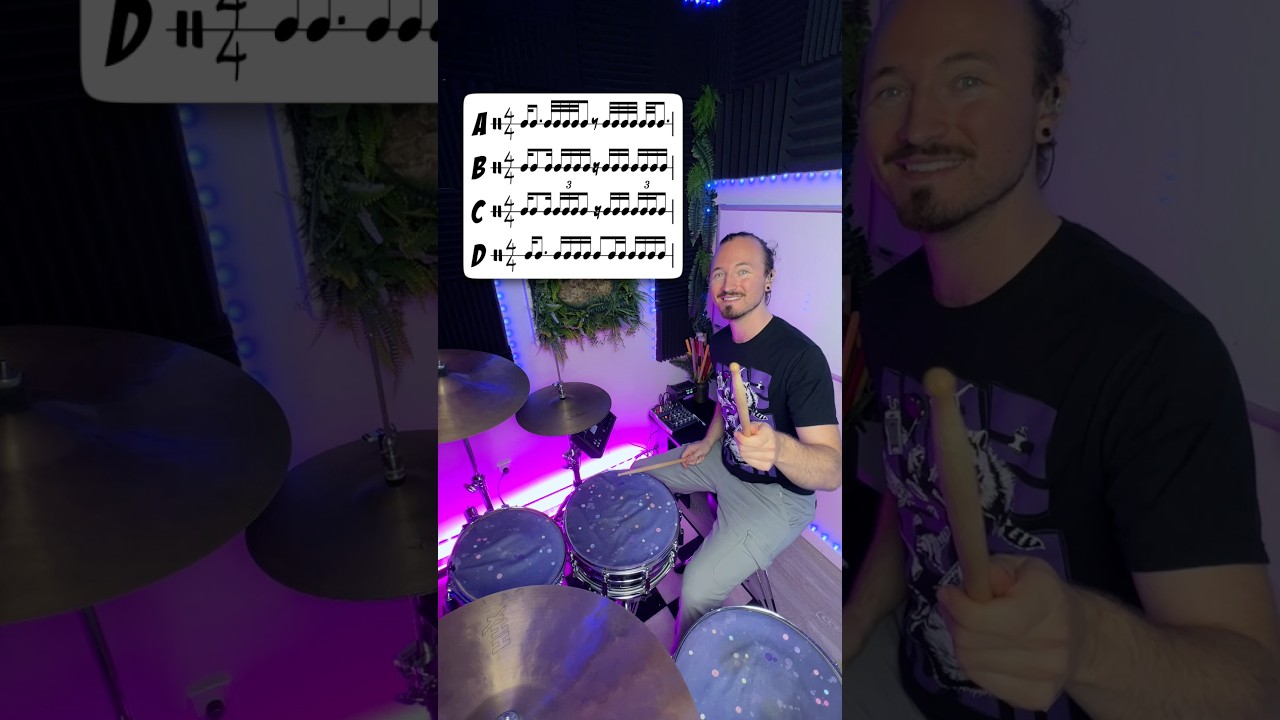
Guess the Rhythm! 🎵💥
sheldondeithdrums
34K views•2026-06-01
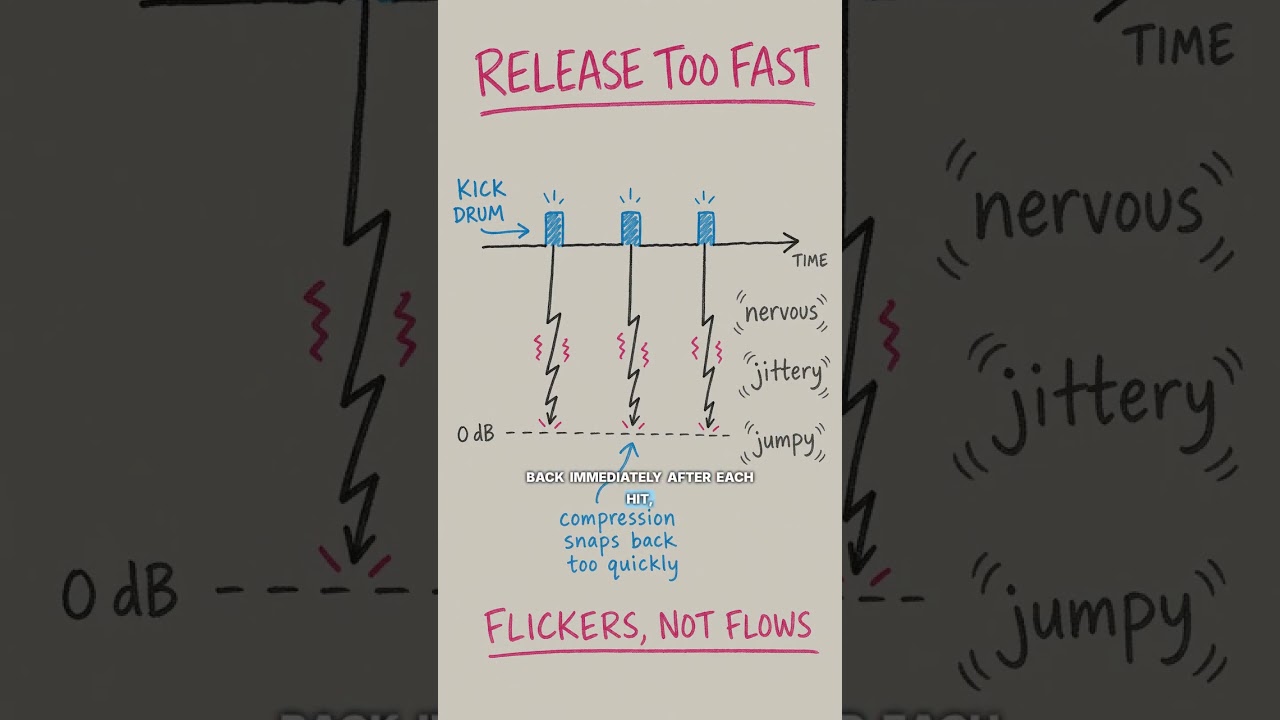
Your Release Time Is a Tempo Decision, Not a Feel Decision #musicproducer #musicproduction #typebeat
abletonppr
995 views•2026-06-01

Music Teacher reacts - Beauty and the Beast - Gabriel Henrique, Jade Salles
jennifersmusicpage
178 views•2026-06-03

Don’t be the fool
ijadamademusic
2K views•2026-05-31

An Evening with the UCSB Middle East Ensemble
ucsantabarbaradepartmentof5290
134 views•2026-05-31

SpaZm - Cake
TheSpaZmMusic
313 views•2026-06-06

REMRUATKIMA - 13 ( Mizo Ngaihnawm ) By Mawitei Bawihtlung
Rp_Huapzau_Channel
9K views•2026-06-02