The video expertly packages basic health habits into high-status scientific jargon to make common sense feel like a clinical breakthrough. It’s a high-density summary that validates the obvious through a sophisticated lens.
Install our extension to search inside any video instantly.
4 Things To Do Everyday To Protect Your BrainAdded:
Here's a neurologist's four non-negotiable daily habits for protecting your brain. And the science behind every single one of them is too strong to ignore. Number one, omega-3s every single day. The data on brain inflammation, cognitive decline, and mood regulation is not ambiguous.
Chronic inflammation in the brain is one of the primary drivers of cognitive deterioration over time. Omega-3 fatty acids are one of the most wellressearched interventions that we have against it. Not a wellness trend, a clinical reality backed by decades of research. Number two, resistance training. Not for aesthetics, for neurop protection. Lifting weights is one of the most powerful tools that we have for preserving brain health. It increases BDNF, brain derived neurotrophic factor, which is essentially fertilizer for your neurons. It improves cognitive function, reduces the risk of neurodeeneration, and builds the kind of physical resilience that protects your brain well into old age. This is prescribed to patients. It should be prescribed to everyone. Number three, protecting sleep like nothing else. Sleep is not rest.
Sleep is maintenance. The glimpmphatic system, your brain's waste clearance mechanism, is almost exclusively active during deep sleep. It flushes the toxic proteins and metabolic waste that accumulate during waking hours. Chronic sleep deprivation doesn't just make you tired. It allows those toxins to build up. And the long-term consequences of that accumulation are well documented and deeply serious. Number four, intentional screen breaks. Functional MRI data now shows what chronic overstimulation does to the preffrontal cortex. The constant twitching and switching, the endless notifications, the relentless demand on your attention, all of it creates measurable changes in the part of your brain that's responsible for focus, decision-making, and emotional regulation. Stepping away from screens deliberately and consistently is not a luxury. It is a brain maintenance. Four habits backed by neuroscience practiced daily by a neurologist who has seen what happens to brains that don't. If you want daily insights and actionable strategies to build the health habits that protect your brain and your long-term performance, that is what my newsletter is for. Comment the word newsletter and I will send you a link for free
Related Videos

Why can’t Trump take sleep meds?
concussiontalks_slp
14K views•2026-05-29

Recovery pronouns. Neuroplasticity & practical neuroscience tips to help recover from pain & fatigue
Fantasticneuroplastic
907 views•2026-05-31

I Saw the Thing Crash. Then I Lost Hours | Beyond Black Budget
BeyondBlackBudget
148 views•2026-05-30
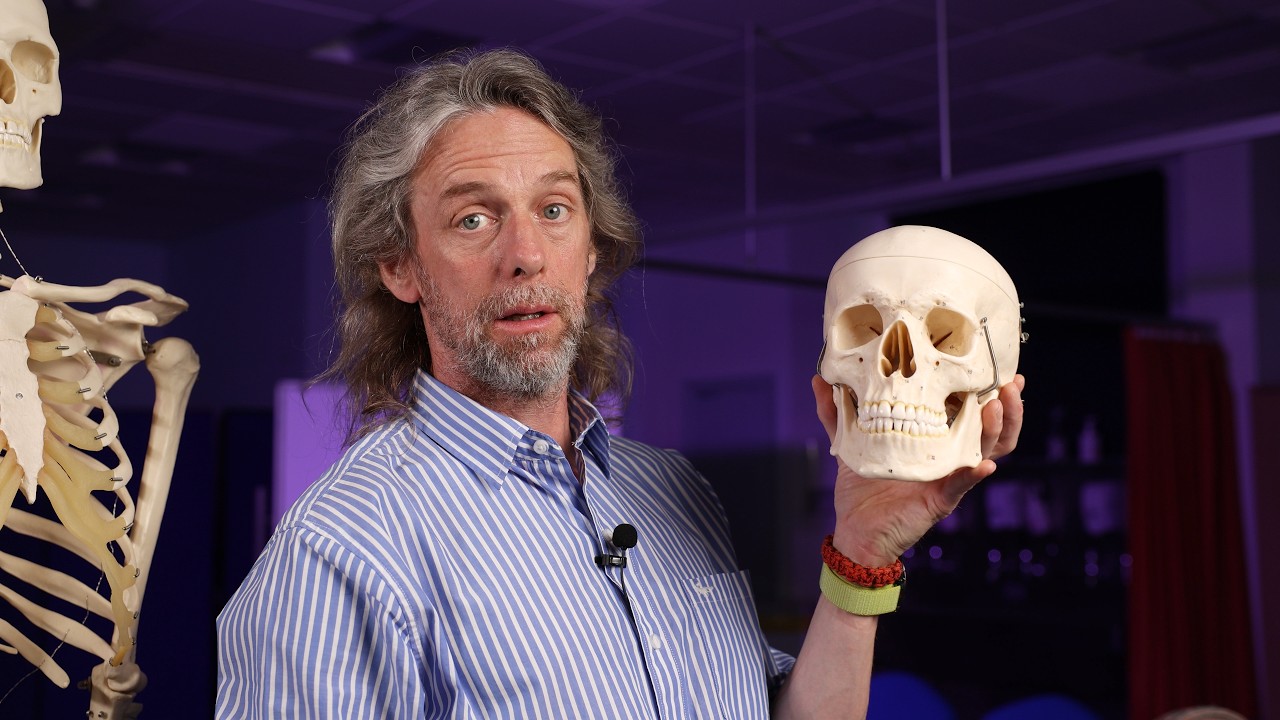
Neuroanatomy of smell (olfaction)
SamWebster
644 views•2026-05-28

women never forget when you upset them
healsick
745 views•2026-06-01

Your Brain Is Actively Deleting Your Childhood Memories! 🧠🗑️ #Shorts #Anatomy #DidYouKnow
voiceless2345
225 views•2026-06-01

What are you looking at
SuperStaticPro
1K views•2026-05-31

Why Trauma Doesn’t Just 'Go Away'
historyofsimplethings
1K views•2026-05-28



