In the modern digital landscape, public disputes often transform from simple conflicts into entertainment spectacles where attention becomes a currency as valuable as money; while public exposure can provide emotional validation and influence business decisions, it carries hidden costs including fragmented facts, reputational damage, and long-term identity consequences that may outweigh the benefits of winning the battle for attention.
拡張機能をインストールして、あらゆる動画内を即座に検索しましょう
Hundreds of comments flooded the screen! Zhai Yiying posted a message late at night, why did netizen追加:
Welcome to AsianI When did online disputes stop being about solving problems and start becoming a form of public entertainment?At first glance, the controversy surrounding influencer Zhai Yiying appears to be a simple business disagreement over unpaid ensation, but is money really the center of the storm?Or is the real battle taking place somewhere far less visible, in the realm of public perception, emotional validation, and social identity?The moment Zhai Yiying released a lengthy statement into a large ndustry group filled with influencers, brand representatives, media workers, and content creators, was she merely seeking payment, or was she stepping onto a stage designed for a much larger audience?Within hours, screenshots spread across platforms, discussions exploded, and pinions formed faster than facts could be verified, but doesn't that reveal how modern internet culture operates?People were no longer asking whether a payment delay had occured, were they?nstead, they began asking who was the victim, who was the villain, and who eserved public sympathy, didn't they?As the story evolved, supporters rallied behind the influencer while critics revisited past controversies, creating two competing narratives that seemed less interested in truth than in winning the battle for ttention, didn't they?Then came the brand's response, followed by additional screenshots, counterarguments, and eventually questions about whether some evidence had been altered or selectively presented, but wasn't that the moment the dispute transformed into something much larger than a contractual disagreement?What started as a financial conflict quickly became a serialized public drama complete with heroes, antagonists, plot twists, and an audience eagerly waiting for the next episode, didn't it?Yet perhaps the most fascinating question is not whether the influencer was right or wrong, but why public exposure became the chosen strategy in the first place?If the primary goal was simply to recover unpaid money, wouldn't legal channels, contracts, and formal negotiations be the natural starting point?Why begin with a public performance rather than a private solution?The answer may reveal something important about the influencer economy itself, mightn't it?In today's digital landscape, attention has become a currency almost as valuable as money, hasn't it?An influencer can temporarily lack new content, miss a trend, or disappear from the spotlight for a while, but can they afford to become invisible?Stories generate engagement, and among all possible stories, few are more emotionally effective than the narrative of being mistreated, ouldn't you agree?A person who appears powerful one day can instantly become the underdog the next simply by sharing a story of injustice, can't they?Once that transformation occurs, audiences naturally gravitate toward empathy, choosing sides before examining every detail, don't they?This creates a powerful dynamic where public sympathy becomes a tool capable of influencing business decisions, reputation, and even financial outcomes, doesn't it?Yet such power comes with hidden costs, doesn't it?When commercial disagreements are moved from private discussions into the public square, the original issue often becomes secondary, doesn't it?Soon people stop debating unpaid invoices and begin debating personalities, motives, past behavior, and character udgments, don't they?The conversation expands while the facts become increasingly fragmented, don't they?At that point, is anyone truly solving the original problem?Brands calculate risk, audiences consume drama, media accounts chase engagement, and algorithms amplify onflict, but who benefits most from the chaos?Perhaps nobody does in the long run, do they?The deeper concern may lie in how repeated public disputes affect trust across an entire industry, mightn't it?When brands witness controversy after ontroversy, don't they become more cautious?Don't contracts become stricter, approval processes slower, and partnerships more difficult for everyone involved?Ironically, the creators who suffer most may not be those who dominate headlines, but the quiet rofessionals who simply want to produce content and honor their agreements, could that be true?Meanwhile, brands often choose strategic silence, not because they have nothing to say, but because they understand that participation can fuel the very spectacle they wish to avoid, couldn't that explain their estraint?After all, every argument requires two visible participants, doesn't it?Refusing to perform can sometimes be a way of refusing to contribute to the narrative itself, can't it?Perhaps the most uncomfortable reality is that modern audiences increasingly consume onflict the same way they consume entertainment, don't they?Comments become applause, reposts become ticket sales, and controversy becomes content, doesn't it?In such an environment, even genuine grievances risk being viewed as performances, don't they?That may be the greatest danger of all, mightn't it?When every dispute resembles a scripted drama, how can observers distinguish authentic injustice from strategic storytelling?And what happens when public memory remembers the conflict but forgets the ause?Years later, a brand can rebrand, restructure, or disappear entirely, but an influencer's name remains attached to every headline, every controversy, and every viral moment, doesn't it?Reputation accumulates over time like layers of paint, and once certain labels begin to stick, aren't they incredibly difficult to remove?Perhaps that is why public confrontation is such an expensive luxury, isn't it?The cost is not measured only in legal fees or lost partnerships, but in the long-term identity that gradually forms in the minds of millions of strangers, doesn't it?In the end, earning money matters, of course, but isn't protecting one's credibility even more valuable?And when the noise fades, the comments stop, and the audience moves on to the next trending story, what remains?The unpaid invoice may eventually be settled, the controversy may disappear, and the headlines may be forgotten, but won't the reputation built during those moments continue to follow a person long after the drama ends?Perhaps that is the question every influencer, every brand, and every observer should ask before entering the spotlight of public conflict?Is winning a battle of attention really worth becoming permanently associated with the war itself?Thank you for watching the video, goodbye and see you again
関連おすすめ

Why Is It ALWAYS About The Pregnant One? 😂
alikicomedy
9K views•2026-05-30
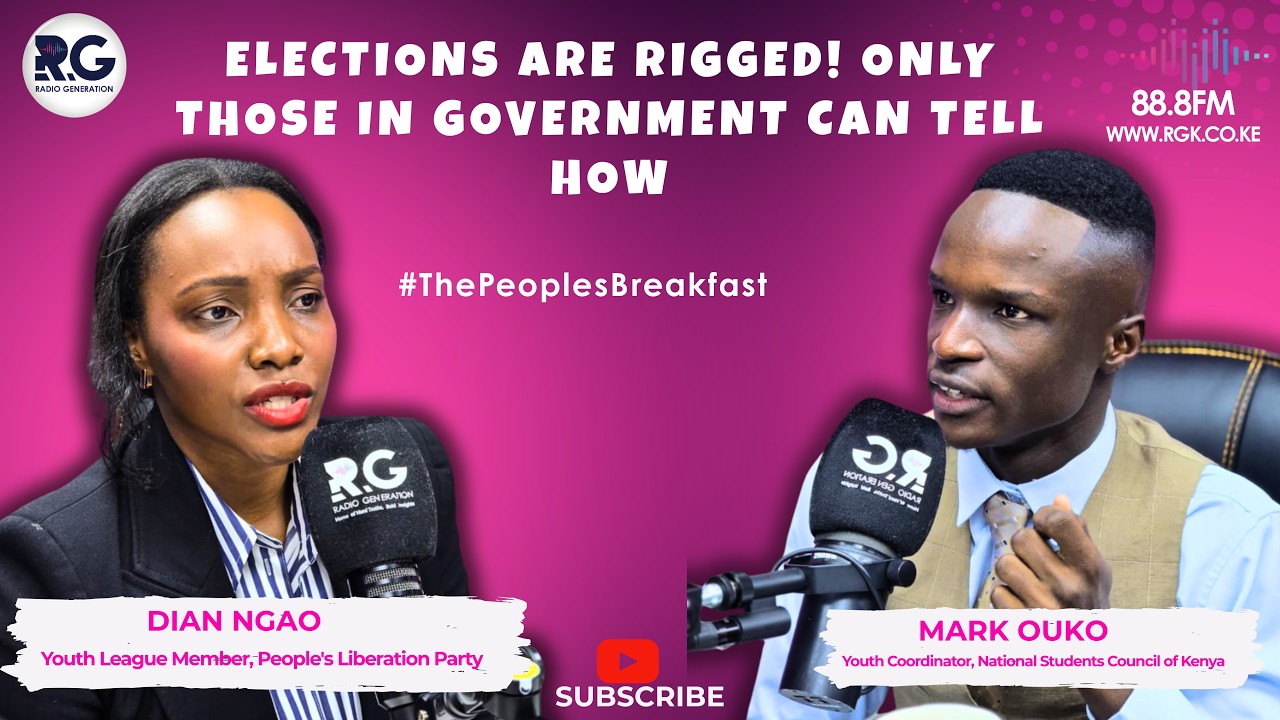
Elections Are Rigged! Only Those In Government Can Tell How ~ Diana Ngao & Mark Ouko
RadioGenKe
696 views•2026-06-02

White People RECOUNTS How Great Black People Are Becoming So Fast Now They Can't Take It
mrsan_20
939 views•2026-05-30
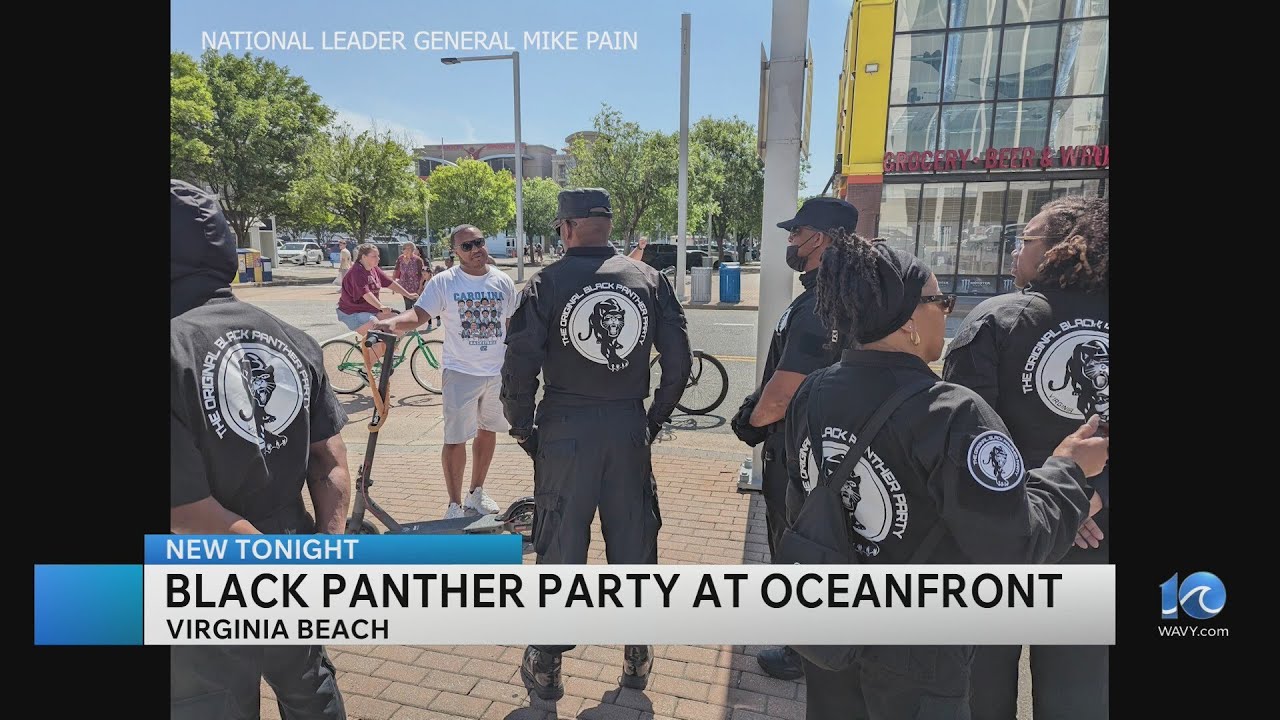
The Original Black Panther Party patrol the Virginia Beach Oceanfront
wavy
3K views•2026-06-01

Foreign-Owned Shops Targeted as Anti-Migrant Tensions Rise in South Africa
aljazeeraenglish
25K views•2026-05-30

NEMA demolishes over 100 homes in Busabala
ntvuganda
386 views•2026-06-04

Being Foreign-Born Does Not Disqualify Me From Understanding Anti-Blackness
JayJayLegal
297 views•2026-05-31

Protesters tear down World Cup statues in Mexico City
Reuters
13K views•2026-06-03



