The project is a seductive display of techno-optimism that prioritizes high-budget genetic spectacle over the urgent preservation of extant biodiversity. It risks being more of a venture capital PR stunt than a grounded solution for ecological restoration.
Instala nuestra extensión para buscar dentro de cualquier video al instante
The Mammophant Project: Bring Back the Woolly Mammoth! #elephant #mammoth #animals #hybrid #factsAñadido:
The mammoth elephant hybrid, often called a mammophant, [music] is one of the most ambitious scientific projects ever attempted. Unlike natural hybrids such as ligers or grolar bears, this [music] creature is not the result of animals mating naturally. Instead, scientists are trying to create it through genetic engineering by combining the DNA of the extinct woolly mammoth with that of the [music] modern Asian elephant. The goal is not to perfectly resurrect the mammoth, but to create a new cold-resistant elephant [music] capable of surviving in Arctic environments. A mammophant would be mostly an Asian [music] elephant genetically modified with selected mammoth traits. Scientists call it a proxy species [music] because it would resemble a woolly mammoth in appearance and behavior without being a true mammoth revived from extinction. Researchers hope the hybrid could inherit mammoth-like features [music] such as thick insulating fur, layers of body fat, smaller ears to reduce heat loss, cold-resistant blood, [music] and metabolism, adaptations for Arctic survival. Essentially, the project aims [music] to engineer an elephant that can live in frozen northern ecosystems. The project is strongly associated with Harvard geneticist George Church, the biotechnology company Colossal Biosciences. Scientists are [music] using advanced tools like CRISPR gene editing, ancient DNA sequencing, and elephant stem cell research. They study preserved mammoth remains recovered from Siberian permafrost to identify genes responsible for cold [music] adaptation.
Instead of cloning a mammoth directly, researchers plan to insert mammoth genes into [music] elephant DNA, create modified elephant embryos, eventually produce living hybrid calves. This approach avoids many of the problems involved in cloning extinct [music] animals. Researchers believe mammophants could help restore Arctic ecosystems [music] through a process called rewilding. The mammophant project has sparked intense [music] scientific and ethical debate. A true woolly mammoth went extinct around 4,000 years ago and cannot be fully recreated with current technology. The mammophant [music] would instead be an engineered elephant carrying selected mammoth genes designed to resemble and function like a mammoth. It would be something entirely new, part elephant, part ice age reconstruction. The mammophant project shows how rapidly biotechnology is changing what humans may one day be capable of creating.
Videos Relacionados

What Actually Makes You Grow
naturalway-w8e
3K views•2026-05-29
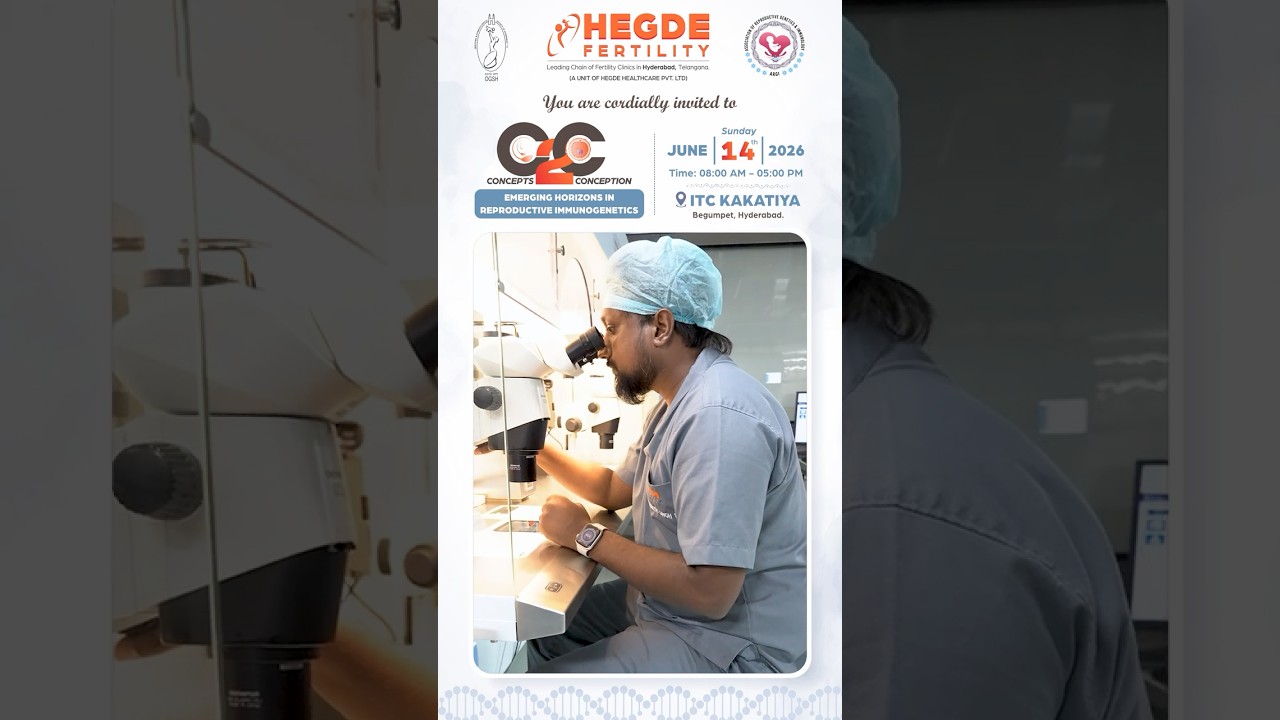
C2C | Concepts 2 Conception #Conference 2026 | Fertility Conference #C2C #Event #ReproductiveHealth
Hegdefertility
891 views•2026-05-28

KPV Peptide Benefits
ReganArchibald
168 views•2026-05-29
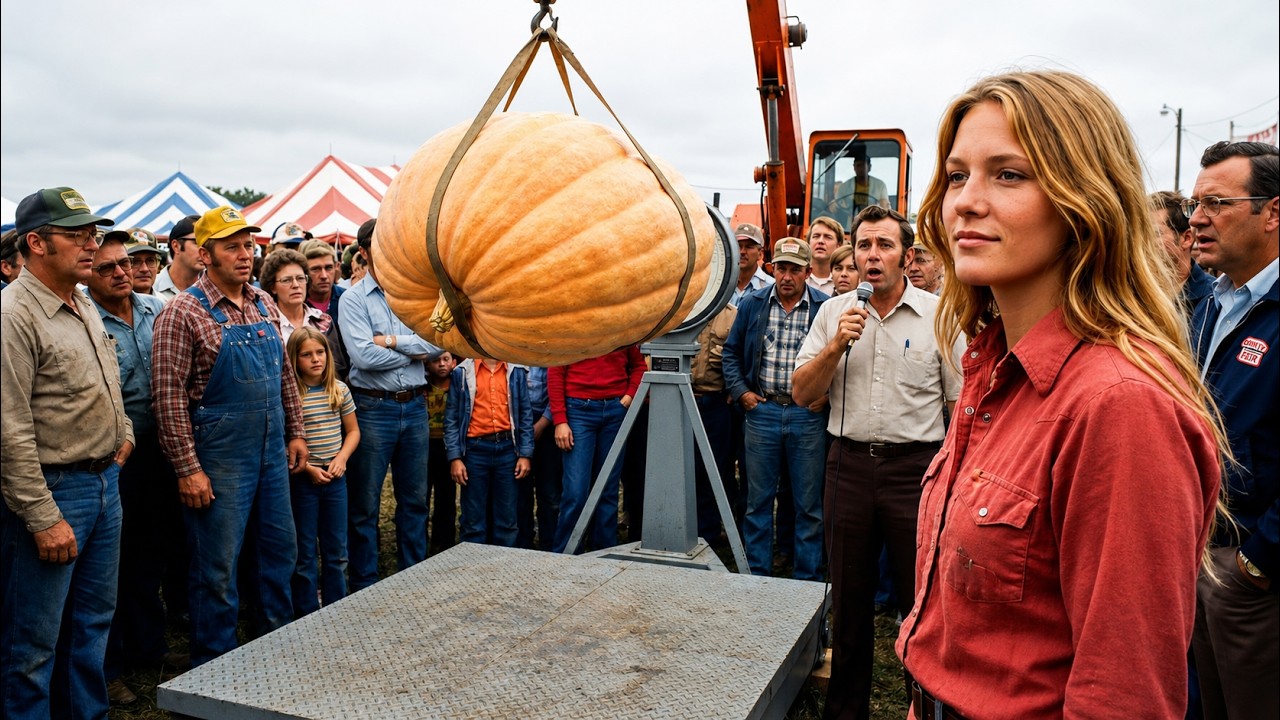
A Paper Mill Dumped Wood Fiber on Her Farm for Years...She Used It to Grow 800-Pound Pumpkins
FarmlandChronicles
436 views•2026-06-02

The Prague Chimera – What We Know So Far and Our Experiments
themulberries
619 views•2026-05-28

Every Genetic Gift You May Have Explained
ChefCalebYT
211 views•2026-05-31

Mechanical Characterization and Modelling of Tissues (Intro Video)
npteliitd
109 views•2026-06-02

Skipping Breakfast Everyday is Not Smart Anymore, and the Reason will Surprize You
Sciencebasedlife-o8k
119 views•2026-05-30



