In fast spoken English, when the sounds 'd' and 'y' are combined (as in 'Did you?'), they blend together to produce a single 'j' sound, making phrases like 'Did you?' sound like 'Did ya?' or 'Did j'.
Install our extension to search inside any video instantly.
This Is Why English Sounds So FastAdded:
Did you finish that? versus Did you finish that? Did you? When these two sounds are combined, d followed by y, instead of producing each of those sounds, instead we produce a single new sound, which is j. So, instead of saying Did you? I'll say something like Did you? Or maybe even Did ya?
Related Videos

WIL in Afrikaans is not WILL in English? | Ek leer Afrikaans | Part 6
afrikaanswithannelize
229 views•2026-05-28

How Brits Say British Pronunciation
MrBranicus
1K views•2026-05-30

🎵 A to Z Kids Song | Cute ABC Animation for Children
ABC_Little_Heros
10K views•2026-05-30

basque influence uniquely different spanish
Davantsi
761 views•2026-05-31

10 German Grammar Rules That Unlock the German Language | A1-B1 | Learn German
LearnGermanOriginal
357 views•2026-05-29

How To Express Disappointment In English #english #speakenglish #languagelearning #airlearn #viral
english_w_remi
6K views•2026-05-29
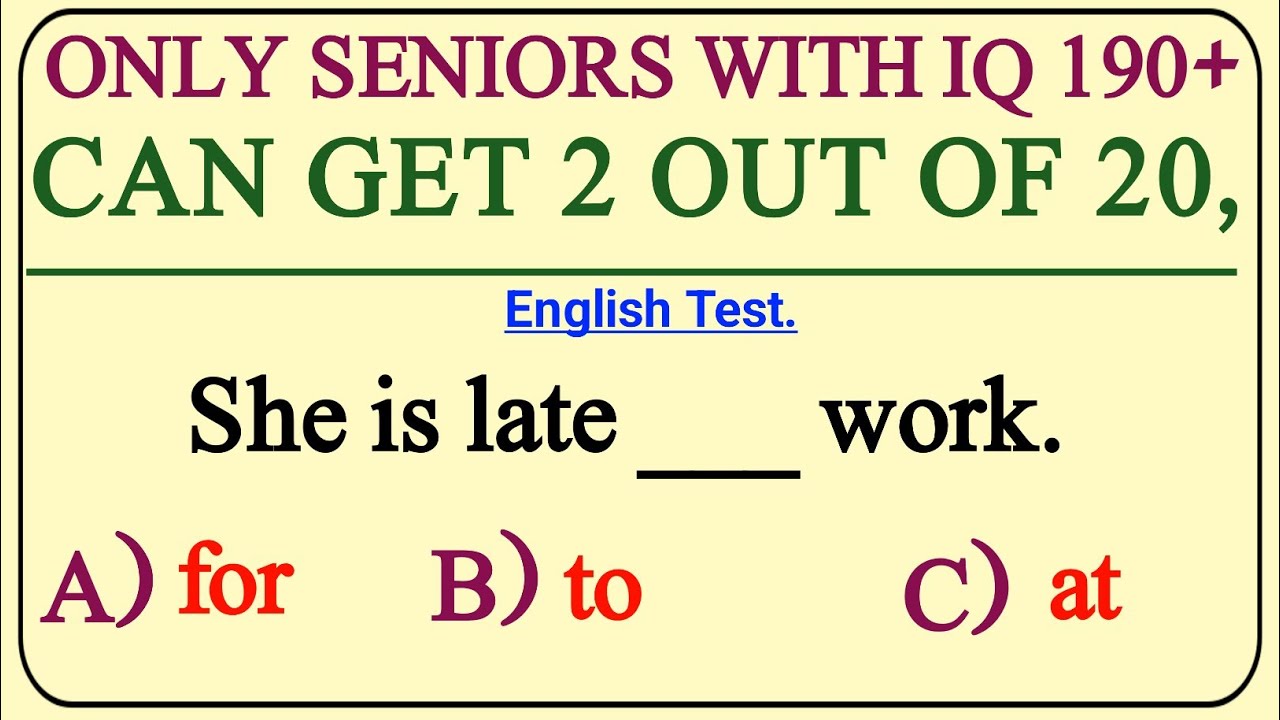
ONLY SENIORS WITH IQ 190+ CAN GET 2 OUT OF 20, | English grammar skills
EforEnglish161
582 views•2026-05-29

Why Japanese Has No Future Tense – Learn Japanese
FixBrokenJapanese
779 views•2026-06-02



