Epoxidation is a concerted reaction where a peracid (MCPBA) adds an oxygen atom across a carbon-carbon double bond through a mechanism involving simultaneous bond breaking and forming, resulting in two enantiomeric products due to the planar nature of the alkene substrate.
Install our extension to search inside any video instantly.
Can you predict the major product(s)? #learningAdded:
How could we predict the products for this reaction right here? This is an epoxidation reaction where we're going to be removing our pi bond and adding on an oxygen to these two carbons right here. How are we going to be adding on this oxygen? Well, let's take a look at the reaction mechanism and figure it out. This is a concerted reaction mechanism, meaning everything is going to happen at once. The first thing we have to do is figure out what MCPBA is. That's a para acid. That just means it's an acid with an additional oxygen group. Our MCPBA is going to look like this. I'll write our for the rest of our molecule. MCPBA is a pretty large molecule. Don't want to draw it out.
Where's our acid? Well, our acid is right here and our additional oxygen just squeezes in right here. The first step in our reaction mechanism is our nucleophilic pi bond is going to go and attack oxygen. Oxygen now has too many electrons. We have to break the bond in between these two oxygens right here and it's going to collapse and form a bond right here. Our carbon here has too many electrons. We have to break one of these bonds right here. Where are those electrons going to go? They're going to head on over to grab our hydrogen here.
Hydrogen now has too many electrons. We got to break the bond here and the electrons are going to jump onto our oxygen. We are not going to form a carbocation like we usually do because oxygen has its own pair of electrons.
It's going to go cruise around here and stabilize that carbocation. And we're going to be left with two major products. Because our molecule here is planar, we're going to form its two enantiomers. Our first one, our oxygen can attack from the top side. And then our second one, if our oxygen attacked from the bottom side, we're going to form this enantiomer. These two molecules right here would be our major product for this set of reactants.
Related Videos

Crystallized gold: too beautiful to melt, too rare to ignore.
Goldbay
1K views•2026-06-06

Lecture - 03 - Summer Batch (Demo) - OL/IG O/N '26 & M/J '27 Live Class Solids,Liquids & Gas KPT
carboxylchem
105 views•2026-06-01

AMINES🔥video coming soon #shorts #chemifysudarshangurav
sudarshangurav699
272 views•2026-06-03

Roadmap Explained! Inorganic Chemistry Part 1, 4e | Cengage JEE Advanced | Dr Balraju Karri
cengageindia
112 views•2026-06-04

Remembering the scientist who made laptops, smartphones and electric cars possible.
jasperclaus
161 views•2026-06-01

You've only ever seen half of a ship
sailingdecoded
122 views•2026-06-03

Cobalt Leaching: Extracting Battery Metal from Copper Ore #Shorts
info.tanqore
133 views•2026-06-04
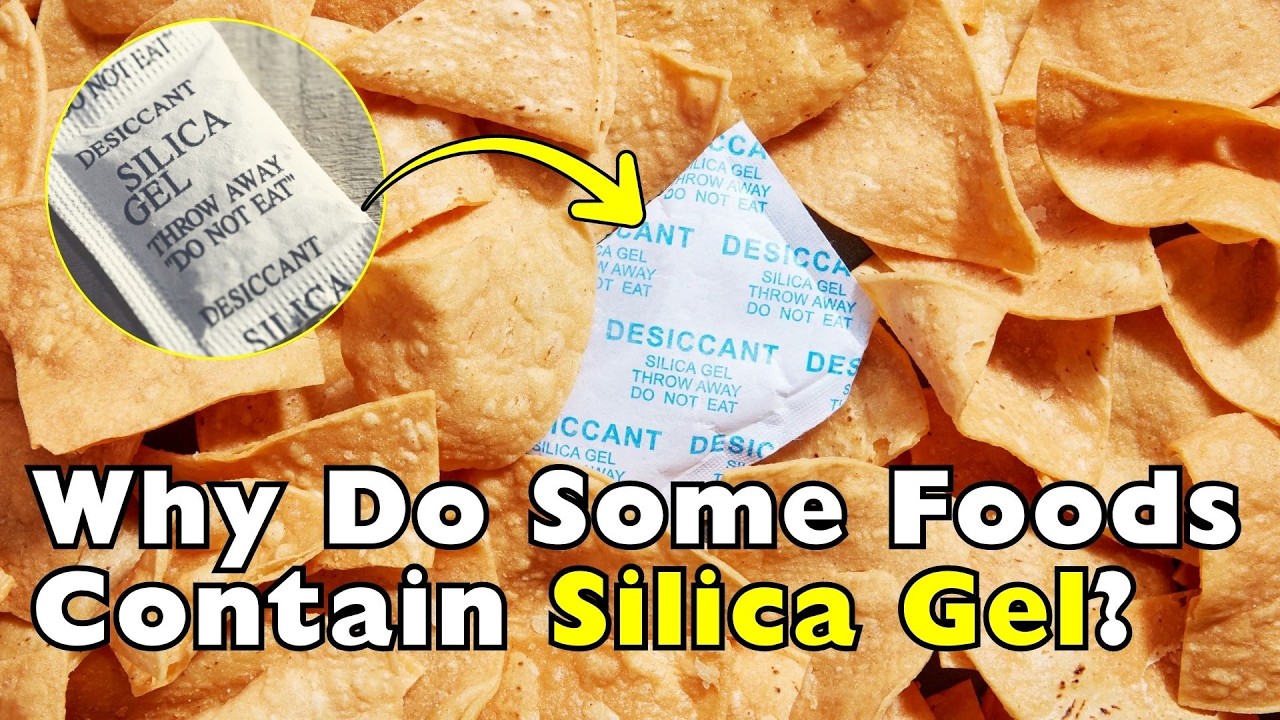
The Real Reason There's a 'Do Not Eat' Packet in Your Food
historyofsimplethings
960 views•2026-06-02



