When victims of domestic violence speak publicly about their experiences, they may face increased danger from their abusers, and even when victims take all available protective measures (such as obtaining restraining orders, changing locks, and notifying building management), systemic failures in security protocols and community support structures can still result in tragedy. This case illustrates that individual courage and protective actions, while essential, are insufficient without corresponding institutional and cultural changes to ensure victim safety.
Installieren Sie unsere Erweiterung an, um sofort in jedem Video zu suchen
She Exposed Her Toxic Marriage On TikTok… Then Everything Fell ApartHinzugefügt:
She was 29 years old, a photographer, a Pakistani-American woman from Tennessee who had spent years building a life she was proud of. And for a brief shining moment in 2022, her Tik Tok page became something rare, a space where thousands of South Asian women finally felt seen.
And that's when she uploaded a Tik Tok exposing her marriage. She called her husband toxic. She warned other women about red flags. She told them they deserved better. And then on July 18th, 2022, a man drove 700 miles from Georgia to Chicago, walked past building security carrying a backpack and a garment bag. A garment bag that would later be found to contain her wedding dress, took an elevator to the 28th floor, and killed her. Her name was Sonia Khan, and this is her story. Sonia Khan was born in 1993 in Chattanooga, Tennessee to Pakistani immigrant parents, growing up as a first generation American. And from the very beginning, she wasn't someone who blended into the background. She was an exemplary student graduating from Chattanooga School for the Arts and Sciences with high honors. That name alone tells you something. It wasn't a school you drifted into. It was a place you had to earn your seat at. And she did. She went on to graduate from the University of Tennessee Chattanooga where she double majored in psychology and women's studies. That combination is interesting when [music] you look back at it now. psychology and women's studies. Like even in her academic choices, she was trying to understand the systems that shaped the lives of people like her. She wasn't studying [music] these things in the abstract.
She was building a framework for the world she was living in. After college, she didn't immediately fall into photography. She began her career as a social worker and advocate for low-income families before becoming a flight attendant to support her flourishing photography career. That tells you something about who she was.
She wanted to help clients fall in love with themselves and with each other in front of the camera. That phrase matters because later she would use that same lens, that same eye for truth to look at her own life. And what she found there wasn't a love story. It was something much harder. She was warm. She was funny. She was the kind of person who made a room feel lighter. Friends described her as a light that outshined all of us. Her former teachers at Chattanooga School for the Arts and Sciences remembered her as a beacon. One teacher wrote that it was no surprise to those who knew her that she spent her life of recording the beauty in others lives because that had always been who she was. But behind that warmth, there was also something brewing, a set of choices she was about to make that would define the last chapter of her life and ultimately cost her everything. In 2016, she met Rail Ahmad, whom she saw as an ideal partner. He was from the same community which was important to her family. That detail is worth sitting with. He was from the same community.
For South Asian women, particularly those raised in conservative Pakistani households, that phrase carries enormous weight. It means shared language, shared culture, shared expectations. It means the family approves. It means the community approves. Despite their primarily long-distance relationship, she felt she knew him well. Therefore, they decided to get married in June 2021. They had been together for about 5 years prior to getting married. The couple met online, 5 years of dating. By the time they walked down the aisle, she believed she knew this man. She believed she was making a safe choice. They moved to Chicago together soon after the wedding. A new city, a new apartment, a new life. She was already building her photography business. He was pursuing a medical degree. On paper, everything was moving in the right direction. But behind closed doors, something else entirely was happening. According to her friend Gabriella Bordeaux, Rahil monitored what Sonia wore. He was wary about who she hung out with, how she presented herself. This is the quiet, insidious kind of control that's hardest to name. It doesn't leave marks you can point to. It's the slow erosion of a person's sense of who they are and what they're allowed to do. It's a partner who has a problem with every outfit, every friend, every choice. Bordeaux later said, "I didn't see someone as spirited as her being so manipulated or controlled by someone, but she was." And Sonia, for a time, stayed. Because leaving, especially in her community, was not simple. It was not just an exit from a marriage. It was a declaration that would echo through every family gathering, every community function, every conversation for years to come.
She was encouraged to stay, pleaded with to stay by her family and by her ex-husband's family. She stayed. And then in December 2021, everything broke open. During a severe mental health crisis, Rahil Ahmad allegedly attempted suicide and tried to push Sia out of their [music] 28th floor apartment window. Let that sink in. He tried to push her out of a window 28 floors up.
She survived. He was hospitalized for several weeks. Khan filed for divorce in December after Ahmad allegedly had a mental health crisis. She changed the locks on their Chicago condominium and removed him from the lease. That moment, that horrific, terrifying moment was the turning point. She had stayed through the control. [music] She had stayed through the monitoring, but there was a window and she had been standing at the edge of it. And after that, she was done. She filed for divorce in February 2022, citing irreconcilable differences.
The divorce was still pending at the time of her death. Here is where Sania Khan's story takes a turn that is both brave and in retrospect deeply painful to think about. She could have stayed quiet. She could have filed her paperwork, waited for the legal process to run its course, and moved on with her life in silence. Most women in her position, most South Asian women navigating a divorce in a tight-knit conservative community would have done exactly that, would have absorbed the shame privately, would have shown up to family gatherings with a smile and said nothing. Sonia chose differently. Her friend Meu Shik, who was the maid of honor at her wedding, said Seia wondered whether she should post about her divorce on social media because of the backlash she knew she'd receive, but ultimately thought it was important to be vulnerable. She opened Tik Tok. She pointed the camera at herself and she started talking. She spoke openly about divorce and her community's disapproval on Tik Tok under the username, Jiminigirl099.
She talked about the pain of leaving a marriage she said she shouldn't have been in. She talked about starting her life over. One post from June 2022 became particularly significant. In it, she wrote, "Going through a divorce as a South Asian woman feels like you failed at life sometimes. The way the community labels you, the lack of emotional support you receive, and the pressure to stay with someone because what will people say is isolating. It makes it harder for women to leave marriages that they shouldn't have been in to begin with." Women from across the South Asian diaspora flooded her comments. They recognized themselves in her words. They thanked her. Some said she was the first person in their community who had ever said out loud what they had been feeling for years. In another video, she addressed her South Asian followers directly. She said to my South Asian queens, "A reminder that you don't have to settle in marriage or love. The person you marry is the person you sleep next to every single night. Please don't take that lightly. Sleeping next to you is an honor. Is that man truly deserving of you or does he just look good on paper? And all the while, the divorce proceedings were continuing. The papers were filed. Ahmad had relocated to Alpharetta, Georgia. The divorce was set to be finalized in August 2022. She was so close. She was almost on the other side. She had also done something else, something that mattered and [music] that would later matter enormously. She had started planning a new chapter entirely.
Her close friend Gabriella Bordeaux had been ready to kick off a new life with Sania in Chicago. They had just found a house, picked it out together, and signed the lease. They were planning to eventually move to California together.
She wasn't just surviving. She was building. What happened in the weeks and months before July 18th, 2022 is not just a story about one violent man. It is a story about every safeguard that was supposed to protect Sonia Khan [music] and failed after the December 2021 incident. After Ahmad tried to push her out of a window and was hospitalized. Sia didn't just file for divorce and hope for the best. She took concrete steps, every single one that was available to her. She obtained a restraining order against him and notified building management of the threat he posed. She changed the locks on their apartment. She had his name removed from the lease. In the spring of 2022, she notified all parties involved in managing and securing the building.
already aware of the December incident not to allow him in the building. She personally told the management team face to face that Rahil Ahmad was a threat, that he should not be allowed entry under any circumstances. She personally told the management employees that under no circumstances should Ahmad be allowed in the building because she feared for her safety. Meanwhile, Ahmad was in Georgia. And whatever he was processing in those months, the divorce, the Tik Tok posts, the life that was moving forward without him, it was building into something. He left a suicide note claiming he was going to kill himself and SA because he couldn't cope with the divorce. He had made his decision. He just hadn't acted on it yet. Monday, a summer afternoon in Chicago, SA was at home in her apartment at 211 East Ohio Street in Streeterville, a high-rise building in one of the most densely populated, well-mon monitored neighborhoods in the city. Police reported that they discovered an unresponsive woman and man at the home around 4:30 p.m. But let's go back a few hours because what happened before those officers knocked on the door is what makes this case so infuriating. Rail Ahmad drove 700 miles from Georgia to downtown Chicago. 700 miles. That is not an impulsive drive. That is not someone who snapped in a moment of rage. He drove more than 10 hours to get there.
He knew where he was going. He knew what he was going to do and he had packed accordingly. He arrived at 211 East Ohio Street. He did not come as himself. He came as a prospective tenant. Video obtained by the family's legal council shows Ahmad entering the building on July 18 and walking past security without showing his identification. He met up with a realtor who is seen on tape showing her own ID to security in a management office to tour apartments.
After two tours, Ahmad allegedly told the realtor that he did not want to see any more apartments and told her that he was going to meet up with some friends in the building, at which point they departed ways. And then he was alone inside the building, free to go wherever he wanted. He was seen in the footage carrying a garment bag and a backpack.
Family attorneys say the garment bag had Sia's wedding dress inside. And the backpack had the gun with which he shot her and himself. He brought her wedding dress. He brought the gun. He had planned every detail of what he was about to do. He took the elevator to the 28th floor. Attorneys believe he gained access to Sonia's apartment by kicking the door open as evidenced by injury to her face. He kicked her door in. Police said Ahmad shot her in the back of her head before turning the gun on himself.
Chicago police knocked on the door and immediately heard a gunshot. Upon entry, they found Sonia's body lying near the door with a gunshot wound to the back of her head. Shortly thereafter, Ahmad was found in a bedroom with the same wound.
She was pronounced dead on scene. He was transported to Northwestern Hospital where he later died. Coroners ruled her death a homicide and his a suicide. The divorce was 3 weeks from being finalized. She had been 22 days away from the other side. The news broke and it traveled fast. Not just through Chicago, not just through the Pakistani-American [music] community, but through every corner of the South Asian diaspora. Because Sia wasn't a stranger to the people who heard her name. They had been watching her videos.
They had been sending her messages. They had written in the comments that her words felt like someone had finally looked them in the eye and said, "I know. [music] Me too. You are not alone." And now she was gone. Killed by the exact [music] kind of man she had been warning them about. For South Asian women who had been through divorces, her killing hit differently. One Marotti woman who lives in the US and chose to stay anonymous for safety reasons said, "I could see myself in her. for her to have not only left him but being able to survive and be happy and do well. That was not something he could live with.
That woman's own ex-husband, she said, had threatened to harm her and her children. Other divorced South Asian women said they had faced the same stigmas and isolation when trying to leave abusive partners. Sea had given a face and a voice to something millions of women were living in silence. And in losing her, the silence felt louder than ever. [music] Friends and teachers in Chattanooga created the Sonia Khan Memorial Scholarship in her memory. Her former teacher, Carmen Valor, wrote that Sonia had spent her life recording the beauty in others and that it was no surprise to those who had known her as a student. She called her beautiful, brilliant, and curious. Gabriella Bordeaux, her best friend, the woman who had just signed a lease with her for a new home, found out on a train ride home when Sia wouldn't answer her calls. And Sia's parents reached out to her. She said, "I'm still trying to understand.
We had just found a house, picked it out together, and signed the lease. We were all supposed to move to California together eventually." There are layers of grief in that statement that are hard to sit with. The lease they had signed, the plans they had made, the California future that was supposed to come next.
All of it gone on a Monday afternoon in July. 3 months after Sonia's death, her family did something. [music] They filed a lawsuit. The lawsuit named four defendants, including the building owners, management, [music] and a security company. It alleged negligence in allowing Rail Ahmad unrestricted [music] access to the building. The family's attorney, Michael Gallagher, laid it out plainly. He said, "If either management or security would have followed their policies, they would have checked his ID. They would have known he was on a no entry list for the building, and he would have never gotten beyond the secured door." He continued, "Sonia Khan's story is a tragic one that should have been prevented. The defendants had known for more than 7 months that Sonia's aranged husband posed a significant threat to her life." Sonia's mother, Shazia Khan, spoke publicly about what had happened to her daughter.
She said, "My daughter did everything possible to protect herself. She trusted the building. She was paying big rent and she thought it would keep her safe."
And that's the devastating truth at the center of this case. Sonia Khan did not die because she was naive. She did not die because she failed to protect herself. She died because system after system, person after person, failed to take the threat seriously. She got the restraining order. She told the building. She had him removed from the lease. She changed the locks. She warned management in person. She did everything she was supposed to do. And none of it was enough because a man walked past a security desk without showing his ID, pretended to tour apartments, and then took an elevator to the 28th floor.
Shazia Khan said, "If they had run his name through the system, somehow they would find out he was not allowed in there and my daughter would be alive."
It's almost unbearable thing to sit with. One ID check, one name run through a system. That's the distance between Sonia Khan being alive and what actually happened. In the weeks after Sia's death, something happened that she would have recognized. A conversation broke open. A taboo was forced into the light.
South Asian women across the United States, Canada, the UK, women who had never said these things publicly began speaking about their own marriages, about the pressure to stay, about the shame of leaving, about the community that called you a failure for choosing your own safety. Within the culture, shame is a particularly debilitating and persistent barrier in people's attempts to leave relationships. And SA had known this. She had named it. She had posted about it on Tik [music] Tok with the full understanding that backlash was coming. And she had done it anyway.
Doctor Somaya Mushtak, a psychiatrist based in Texas who has many South Asian clients and who faced push back from her own community when she got divorced in 2013, said Khan's death had been weighing on her. In South Asian culture, she said there's often a tendency for women to be forced to just tolerate unhappy marriages. Sonia had understood this from the inside. She had lived it and she had decided that the most powerful thing she could do was refuse to be quiet about it. What she perhaps couldn't have fully anticipated was that the very act of speaking, the very public nature of her voice, the visibility of her courage, also told her abuser that she was moving on, that she was thriving, that the life he wanted to control was becoming fully hers. For certain kinds of men, that is not something they can tolerate. She had 20,000 followers by the time she died.
Women who had found something in her videos that they had never found anywhere else. Permission. permission to name what was happening to them.
Permission to leave. She had survived an attempt on her life and went viral campaigning for South Asian women's rights. Not knowing this would put her in mortal danger from her ex. That is perhaps the sentence that carries the most weight of all. She survived. She spoke. And in speaking, she lit a torch that her killer could see from 700 m away. True crime can sometimes flatten a person into their worst day, into the circumstances of their death, into a set of facts and a timeline. So, let's slow down for a moment because Sonia Khan was more than the story of how she died. She was someone who double majored in psychology and women's studies because she genuinely wanted to understand the world, who became a social worker first before photography because helping people was instinctive for her. She was someone who even in the middle of her own divorce, even while carrying the weight of community judgment, the legal proceedings, the fear was still creating, still running her photography business, still posting videos designed to help other women, still signing apartment leases with her best friend and making plans to move to California.
Friends described her as liquid sunshine. That is not a phrase people use lightly. It is the kind of thing you say about someone whose presence genuinely made things warmer. She was 29 years old. She had a scholarship named after her in Chattanooga. She had a community of women who had found their voice through hers. She had a future, a real one, a mapped out one that she was walking toward. And she was 22 days away from her divorce being finalized. Cases like Sanas don't end with a trial. There is no conviction to examine. There is no jury verdict to parse. Rahil Ahmad died in the hospital after turning the gun on himself. There is no one left to hold legally accountable for what he did.
[music] The wrongful death lawsuit against the building continued to work its way through the system. It raised real important [music] questions about the responsibilities of buildings and security companies when a resident has explicitly formally personally notified them of a threat and that threat walks in anyway. But beyond the legal question, there is [music] a broader one and it's the kind of question that doesn't have a clean answer. How many Sonia Khans are out there right now?
Women in South Asian communities, in Muslim [music] households, in conservative family structures who are being told to stay, who are being pressured and shamed and isolated into silence, who are weighing the cost of speaking up against the weight of what happens if they do. Sia chose to speak and in choosing to speak, she became something, a voice, a presence, a permission slip for thousands of women.
But speaking also made her visible and visibility in the wrong situation is dangerous. The news of Khan's death prompted conversations among South Asians in the US about the ways in which their communities often stigmatize leaving [music] marriages, even dangerous ones. That conversation is ongoing. It is incomplete. [music] And it will only move forward if more women have the support systems, the legal protections, and the cultural infrastructure to leave safely. Not just legally, but actually physically [music] safely. Sonia did everything right and it still wasn't enough. That is not a failure of Sonia Khan. That is a failure of every system around her. On a Monday afternoon in Chicago, police officers knocked on a door on the 28th floor of a building on East Ohio Street. They heard a gunshot. They went inside. They found Sia Khan near the door. She had been a girl in Chattanooga who loved art and science and had big ambitions. She had been a college student who double majored in psychology and women's studies because she wanted to change something. She had been a flight attendant, a social worker, a photographer who could make anyone feel beautiful. She had been a woman who looked at her own pain and said, "Other people need to hear this." She had been, as one friend put it, liquid sunshine, and she was 29 years old. A friend wrote on Facebook, "You were stepping into the next chapter of your life when you left us. And I hope that wherever you are, this next chapter brings you the happiness and success you were always wanting. The divorce was three weeks from being finalized. She had a lease signed for a new home. She had California to look forward to. She had 20,000 women who were braver because of her. And if you take nothing else from her story, take this. She did not stay silent because staying silent is what women are supposed to do. She spoke because she believed the truth was worth saying. She believed other women deserved to hear it. She believed that her voice mattered more than the backlash. He was right. She was also 22 days from the finish line. [music] If you or someone you know is experiencing domestic violence, the National Domestic Violence Hotline is available 24/7 at 1 8007997233.
You do not have to wait for it to get worse. You do not have to stay silent.
And if Sonia Khan taught us anything, it's that you deserve a next chapter.
Thank you for watching. If this story moved you, share it because the conversation she started deserves to keep
Ähnliche Videos

Elections Are Rigged! Only Those In Government Can Tell How ~ Diana Ngao & Mark Ouko
RadioGenKe
696 views•2026-06-02
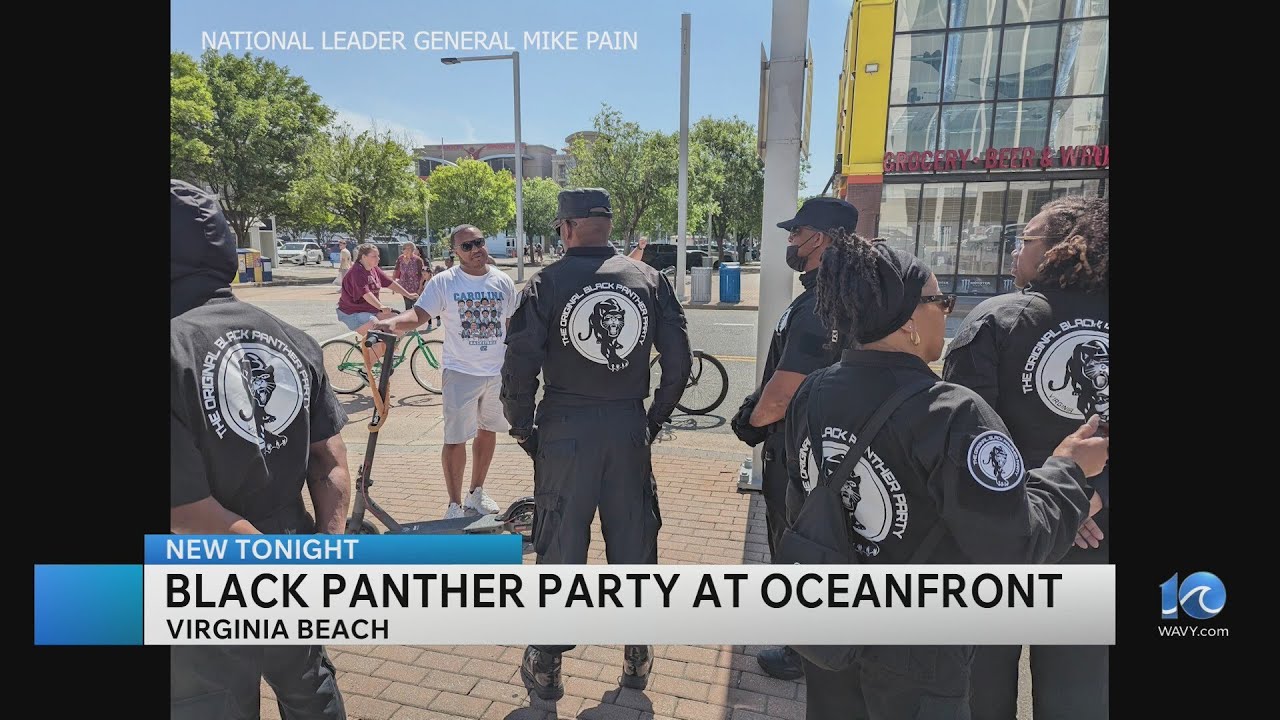
The Original Black Panther Party patrol the Virginia Beach Oceanfront
wavy
3K views•2026-06-01
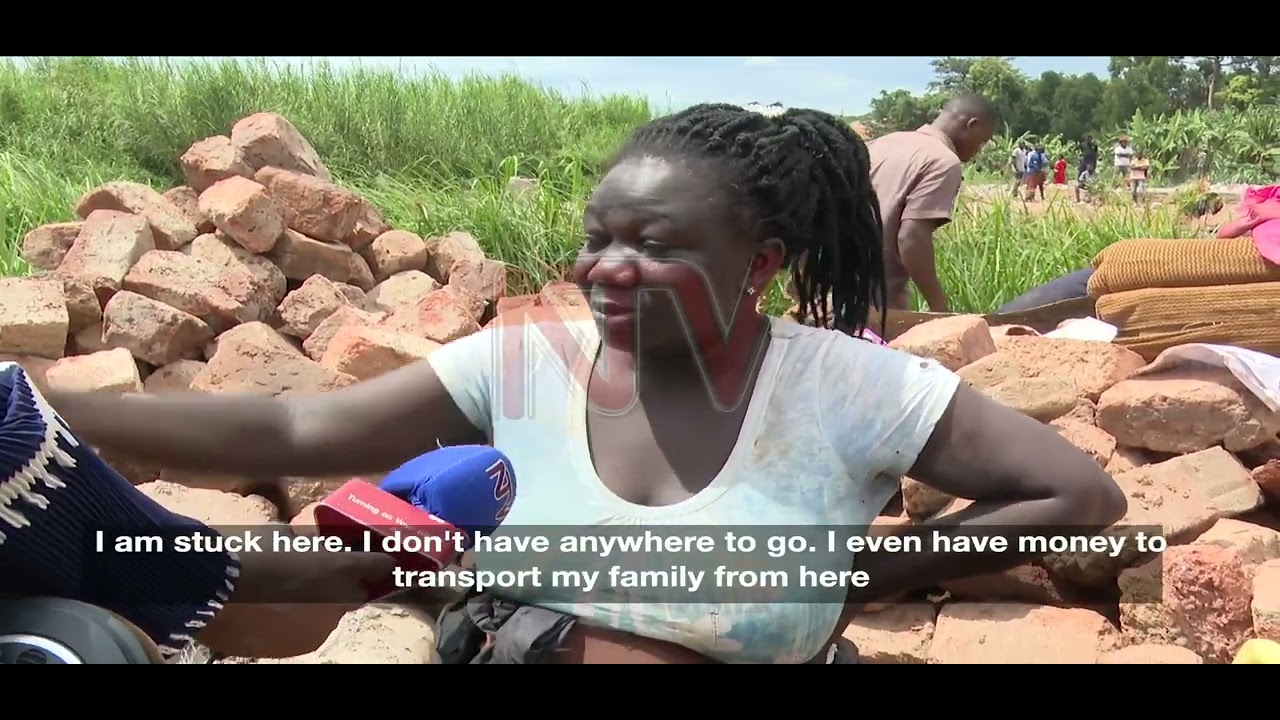
NEMA demolishes over 100 homes in Busabala
ntvuganda
386 views•2026-06-04

Being Foreign-Born Does Not Disqualify Me From Understanding Anti-Blackness
JayJayLegal
297 views•2026-05-31

Protesters tear down World Cup statues in Mexico City
Reuters
13K views•2026-06-03

A Japanese Man Did Some Bad Stuff... And then, made it worse
TokyoLensMinis
7K views•2026-06-04

America's Fastest Growing City Is Also It's Worst (Charlotte, NC)
WiIIiampedia
129 views•2026-06-05

Communities on edge as faith-based hate crimes spike across the West
channelnewsasia
808 views•2026-06-02



