Brewster expertly distills Malmsteen’s flamboyant neo-classical vocabulary into a rigorous study of modal tension and harmonic architecture. It is a precise anatomical breakdown that elevates shred technique from mere speed to structured musical theory.
拡張機能をインストールして、あらゆる動画内を即座に検索しましょう
The Exotic Scales Of Yngwie Malmsteen追加:
Heat. Heat.
Hey, David Brewster here. New episode of Scales and Tales and this is the exotic scales of Ingvebe Mstein. I've had a lot of requests to feature more from this legendary, you know, badass shred guitarist, Ingve Malmstein and there's quite a bit here on the channel. There's chord play episodes including the classical side of Ingay Malmstein.
There's a bunch of nylon string in that lesson. Uh lick lessons and pretty much anytime I've talked about harmonic minor or frigian dominant or these exotic sounds, you know, here on my channel, I usually mentioning somewhere. Definitely a legendary guitarist. I've been a fan of Ingvey as soon as I discovered him when I was a pre-teen, early teenager. I mean, he just blew my doors open and rocked my socks off. Mr. Investain.
So, I wish I had a photo of myself the first time I heard Ingve play because I'm pretty sure my jaw was wide open. I probably turned my head like a dog like, "What in the world is this?" I couldn't believe it. I mean, I was already obsessed with Van Halen. I was starting to kind of branch out a little bit. I hit Ingvey and it was like he just lit my bedroom on fire or something. It was like, "What in the world?" I'm pretty sure I look just like this dog right here.
So, I've definitely worked on a lot of Ingve's music over the years. He's one of those players where I kind of, you know, return to his music and then I kind of leave and then return and leave and I pick up, you know, newer different things. And I'm definitely very proud of the fact I have an Ingve lesson that was printed in Guitar Player magazine. That would have been 10 years ago almost. Uh, moves like Malmstein. That was August of 2016. Leave it to me to write an Ingve lesson in the country issue of Guitar Player, but you can find it right here.
This lesson's going to feature a lot of Ingve's favorite exotic scales. Now, this is not going to be a complete guide or a thorough look. We're not going to look at every scale that Ingve's ever used, you know, in his life or his career. Um, we're just going to basically hit the big ones, you know, and there are certain scales that pop up a lot in his music. And then we're also going to look, you know, at scales and kind of the chord progressions under, you know, some of this stuff to really kind of bring out these tonalities and these exotic dark sounds. And there are some song examples, too. And you can find the albums where I pulled music for this lesson right here.
So, to get started here, as far as Ingve's favorite scales, and there's quite a few. You know, most people point to harmonic minor, which yes, Ingvey loves harmonic minor scales and the tonality it produces, but he plays a lot more than just harmonic minor. And, you know, I've caught him using harmonic minor, frigian dominant, friian, aolon, uh, diminished scales and arpeggios, but he does use, you know, diminished scales, too. Ionian, like the major scale, and also pentatonic and blues scales, too. A lot of people think that he doesn't use, you know, those traditional sounds, but he does.
Especially when he covers Hendrickx or he's playing like a rock cover or a blues tune or something. He'll totally dip into pentatonic and blue scale ideas. But here's some of Ingve's favorite scales right here.
We're going to start with harmonic minor first because it does appear in a lot of Ingve's music. And we're going to put this in the key of E minor. And I am tuned down a half step in this lesson.
So, it's technically E flat minor as far as the pitch, but let's just play E harmonic minor right here.
Right. And right there, you can see there's that really signature dark kind of snake charming, you know, sound of E harmonic minor, right? It's definitely very close to aolon like the natural minor scale. It has a raised seventh. Now, we've talked about harmonic minor a lot here on my channel. I actually feature the modes of harmonic minor, you know, in scales and tales lessons from a couple years ago.
But right there, there's E harmonic minor in the seventh position.
So, I would learn that shape first. And I'm actually exaggerating and kind of hitting that major 7th, that D sharp, you know, right off the bat.
That way your ear hears like, "Oh, he's playing harmonic minor." Because you hear that when you hear that, you know it's harmonic minor more than likely.
Now, one of Ingve's favorite fingerings for the scale. I mean, he definitely would run that, but then he finds these streamlined, you know, fingerings where he can just fly right through, you know, a few positions and maybe, you know, a couple octaves of the scale. So right here, uh, let's basically start it the same way, but we're going to come up and continue.
It was like a two octave fingering. Inve definitely loves that. And he would move it into other keys, too. Like that's E minor, right?
And definitely flying through it.
And I definitely really enjoyed discovering that Ingve doesn't pick everything. He's not like Paul Gilbert or Aliola or someone like that. He does slur a lot and I've seen interviews with him where he was talking about it. So I'm definitely a big half and half, you know, player where I pick, but I also use legato and Ningbeay does that too.
But right there, you can see that's definitely a big challenge for your fret hand if you haven't played the scale before because we're mixing and stretching and it's just kind of unusual like right there, especially at the end that C, D sharp, and that E.
You're going to find a lot of, you know, stretches in harmonic minor scales. And another fingering we can use. There's Ingve's favorite.
But then another way we can do this is let's go up the same way and right there shift slide that D sharp into that E. And then continue up.
And then right there D sharp into E.
And right there.
And I kind of like, you know, bending it like that or ending it like that.
And then you're bending that D# sharp into that E. And definitely Ingbeay does that a lot, too.
Kind of getting that last note, something like that. But those are definitely some good, you know, fingerings for E harmonic minor right there to kind of help you get started.
Okay. Next up, we're going to talk about the chords that you can play harmonic minor over. And this is really important because you can't just play harmonic minor wherever you want. You do need certain criteria like in the chords or chord progression for this to really, you know, sound good and kind of fit what's going on. And for this, like the one chord, we're in E minor, right? So the one chord is E minor.
Think of the four chord. That's still a minor right here, but it's the five chord. Uh it's going to be a dominant seventh chord. So like B7 for the five chord.
And that has that little harmonic minor twist. We've definitely talked about this before.
But you can hear how that B7 kind of brings out, you know, that harmonic minor flavor, right? I mean, you can hear it. And if we revert back to just like power chords, we could do uh and that would totally scream for harmonic minor and E. And that was really just E5. And then I played like B major like that, but almost like a power chord.
And then I went down there for a minor like that. That's a cool one. And then I just hopped over for E minor. The same shape but right there for E minor.
That definitely screams, you know, definitely screams E harmonic minor. Play me. And next up, Sprigian dominant. This is a mode from the harmonic minor scale. And Ingve definitely uses Frigian dominant a lot.
And I've talked about this scale a lot here on my channel. I definitely featured it when we talked about the harmonic minor modes, you know, a year or two ago. But for this, we're basically playing the fifth mode of harmonic minor. So we started with E harmonic minor, right? Right here.
So I want you to take that scale, but move it to A. Right?
So think of a harmonic minor like right there.
So think A harmonic minor, but we're going to start on E. And that's going to put us right here.
And it has a very very different sound.
Um because there's E frigian dominant.
Here's E harmonic minor again.
Definitely frigian dominant has a slightly different ring to it. It's even more exotic.
Now, as far as the chords to set up a frigian dominant, you know, kind of progression or whatever, it's different because for harmonic minor, we had minor, you know, for the one chord, E minor.
But for frigian dominant, we're going to have E7 now, right?
So, think of like E7. You could move up a half step there for F major 7. move back there to D minor 7, you know, and then back to that E7. That would be a good E frigian dominant, you know, progression. You could just play power chords, right? But those full chords like kind of spelling them out like, you know, dominant 7, major 7, minor 7. You know, you're really defining the sound of the scale, you know, by using those full chords like that. But you could just do it with power chords. But once again, there's E frigian dominant right here.
So, let me play harmonic minor and then frigian dominant after it. So, here's E harmonic minor and then E frigian dominant in the same position.
For a good example of these exotic scales over chords, check out Evil Eye from Rising Force. I've always loved this song. And this section's this part right here.
you know, or something like that. So, now we're in A and we're flirting with a harmonic minor. And for the chord part, it's really easy. It's just basically power chords and some like partial chords, but like A5 over and over and over, right? And you repeat that A5 a lot.
And then when you hear it change and it goes in that really heavy kind of classical theme, uh, it's C power chord right there, you know, a C5 and then it's like an A over C sharp to a D5 and then it's a D sharp flat five right there and then E5.
And we'll get to the like the the other guitar part, like the main guitar part, but that's the chords in the background, that change right there.
You're just screaming for harmonic minor. And then the melodic part, we're doing this. I'm going to slow it down.
That's the first little part there.
And that last little that's really unusual. It kind of just, you know, it's going to take some practice to kind of get used to that and kind of get it flowing.
the way he kind of kind of reaches down to grab that G sharp and then you're kind of doing like a scale sequence right there.
And then do the first riff again.
And then do it one more time.
And then when it changes that C chord, you're grabbing right there.
Then when it goes to that A over C sharp, you're doing and then when it goes to that D5 and then that D sharp flat five and then when it goes to that E5, you're down here with this E and F.
I think there's an octave of that, you know, like a harmony right there.
You got that little descending sequence there.
But that's really cool.
Okay, I have to admit something right here. And I don't know if you knew this about me, but I am a Viking.
Okay, with the opening that's I am a Viking from Marching Out. And I have to admit, when I first saw the album cover of Marching Out when I was a kid, it totally intimidated and inspired me somehow. I was completely intimidated by it. The foggy intense kind of look that Ingve has there. When I was a kid, that album just floored me. Just the cover.
And of course, when I heard it, it blew me away. And I've always loved this song. So, I was using the MXR clone looper to harmonize this. There's a lot going on here. We're just going to walk through it. So we're basically flirting with E harmonic minor, but then he also kind of converts to Aolon, too, like the natural minor scale. So he's blending some of these scales. So the first guitar part right there. That's like the first little repeat. So low E open and we're playing with this E and D sharp and then and there's like two low E after that and right there.
And that's definitely something you're going to find in inbase music. His fingerings and the way he puts things together is very difficult and it's very personal to him. That's why his music's so hard to play because you got to sit there and and like kind of think like he thinks, which is hard.
Right there.
That's tricky.
Do it again.
And right there.
And then just really unusual and unorthodox.
and start it again.
And then right here, this is basically E aolon, so it's not harmonic minor. And it's 302 notes. So, it's very fast and it's all connected. And he doesn't stop until the last note.
And that last note is that D right there.
And it goes right back into that riff.
Like that.
And the last time right there when you hit that final D, he moves to a final C right there.
And then you hear a G5 to a D5 to an E5.
And it goes right in the verse right there. Now the second guitar comes in with a harmony of that. And I've actually seen this written like in a lower position, but I don't like playing it down there. It doesn't feel right. So I just basically moved it up here.
And right there, it does deviate from the first guitar ever so slightly in certain parts. So for that harmony part right there and it basically starts again just like the first guitar. That's tough big time.
So we're doing do it again and then and it's got that hurried little ending part right there.
And then right there, this matches that 32nd note run we had with guitar one, but guitar two is right here.
And your last note there is that F sharp and it goes right back to the beginning again. That's tough right back to the And the last time you want to hang on this E while the other guitar is basically holding that C right there and it's forming like C major.
And then I just played the the root notes there that G A to B and then I ended with that E5 power chord. But uh what a kickass, you know, guitar moment from Ingve. And it just has so much attitude and this dark angry vibe. It's so good. So you put all that together and you got this Heat. Heat.
And it's really hard to get that run together, harmonized. I'm still working on that, but that kicks ass. All right, that's going to wrap this episode of Scales and Tales with this look at the exotic scales of Ingve Moune. And like I said at the beginning, this wasn't a complete guide. I just wanted to hit some of this stuff. And I've been revisiting, you know, some early guitarists and bands and albums that I really liked when I first started playing guitar. And definitely Ingvay Malmstein. As soon as I was aware of him, he just blew my mind. I couldn't believe somebody could play guitar that fast. And it wasn't until I caught Chris Pelitary that I noticed somebody that could play even faster, but uh definitely a huge influence on me. I'm sure a lot of viewers out there love Too. There's just something about his classic output. I mean, no offense to what he's currently, you know, putting out, but those first like four albums, including the live, you know, in Linenrad album, that just blew my mind, you know, to hear him play like that.
And uh I don't know, you know, I've definitely seen Envey in concert. I almost met him at Gearfest at Sweetwater, but I wasn't able to actually shake his hand. I do have a pick from him, though. But uh saw him in concert. I did a national guitar workshop event and he was at that, but I didn't get to meet him at that either.
So, I have kind of, you know, missed Ingay. I've never actually got to meet him officially. I'd love to cuz he definitely blew my mind as a teenager and he still blows my mind when I hear him play today. So, anyway, leave some feedback and comments. Please subscribe to N lessons and I'll be back before you know with more content and material.
Thank you.
関連おすすめ

HOW to VISUALIZE the FRETBOARD like a PRO/LEGEND
NassorTafari
273 views•2026-05-31
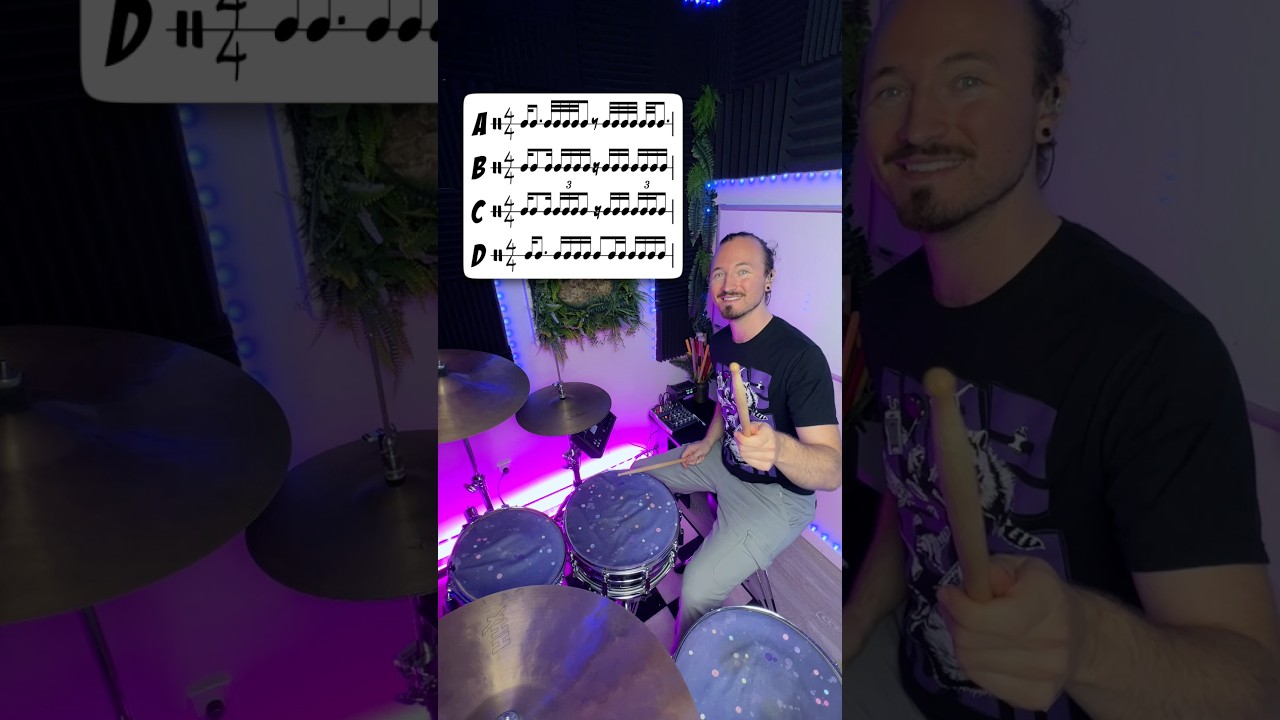
Guess the Rhythm! 🎵💥
sheldondeithdrums
34K views•2026-06-01
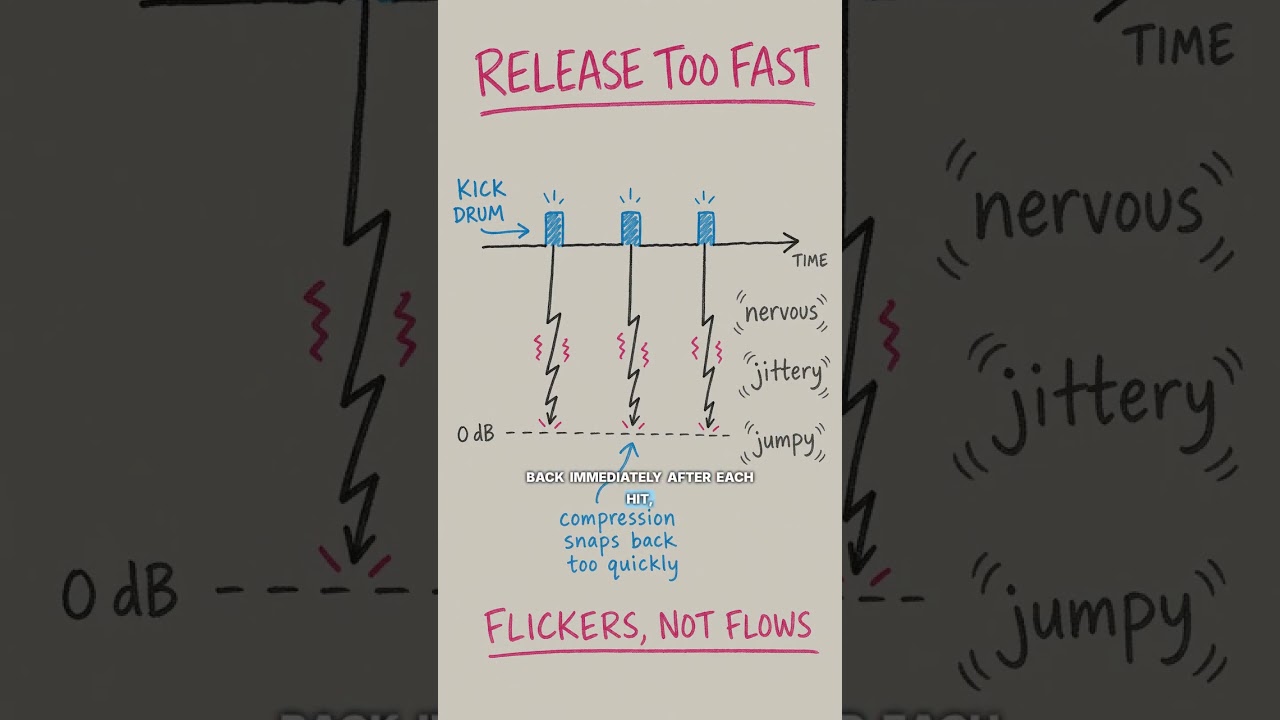
Your Release Time Is a Tempo Decision, Not a Feel Decision #musicproducer #musicproduction #typebeat
abletonppr
995 views•2026-06-01

Music Teacher reacts - Beauty and the Beast - Gabriel Henrique, Jade Salles
jennifersmusicpage
178 views•2026-06-03

Don’t be the fool
ijadamademusic
2K views•2026-05-31

An Evening with the UCSB Middle East Ensemble
ucsantabarbaradepartmentof5290
134 views•2026-05-31

SpaZm - Cake
TheSpaZmMusic
313 views•2026-06-06

REMRUATKIMA - 13 ( Mizo Ngaihnawm ) By Mawitei Bawihtlung
Rp_Huapzau_Channel
9K views•2026-06-02