Korean has two distinct number systems: Sino-Korean (il, i, sam, sa) used for dates, money, minutes, and phone numbers, and Native Korean (hana, dul, set, net, dasot) used for counting objects, hours, and age; the rule is that anything counted on its own uses native numbers, while anything requiring a counter uses Sino numbers.
Instala nuestra extensión para buscar dentro de cualquier video al instante
Why does korean have 2 number systems?Añadido:
Korean has two completely different number systems that nobody warns you about. But, here's a 30-second breakdown. Sino-Korean: il, i, sam, sa.
This is used for dates, money, minutes, and phone numbers. Native Korean: hana, dul, set, net, dasot. This is used for counting objects, hours, and age. The trick is anything you count on its own uses native numbers, and anything that needs a counter with it will be Sino numbers. Memrise has a whole module dedicated to this because it's a little bit confusing at first. Once you get it, you get it. Now, how many fingers am I holding up? I want you to comment it down below in native Korean.
Videos Relacionados

WIL in Afrikaans is not WILL in English? | Ek leer Afrikaans | Part 6
afrikaanswithannelize
229 views•2026-05-28

How Brits Say British Pronunciation
MrBranicus
1K views•2026-05-30

🎵 A to Z Kids Song | Cute ABC Animation for Children
ABC_Little_Heros
10K views•2026-05-30

basque influence uniquely different spanish
Davantsi
761 views•2026-05-31

10 German Grammar Rules That Unlock the German Language | A1-B1 | Learn German
LearnGermanOriginal
357 views•2026-05-29

How To Express Disappointment In English #english #speakenglish #languagelearning #airlearn #viral
english_w_remi
6K views•2026-05-29
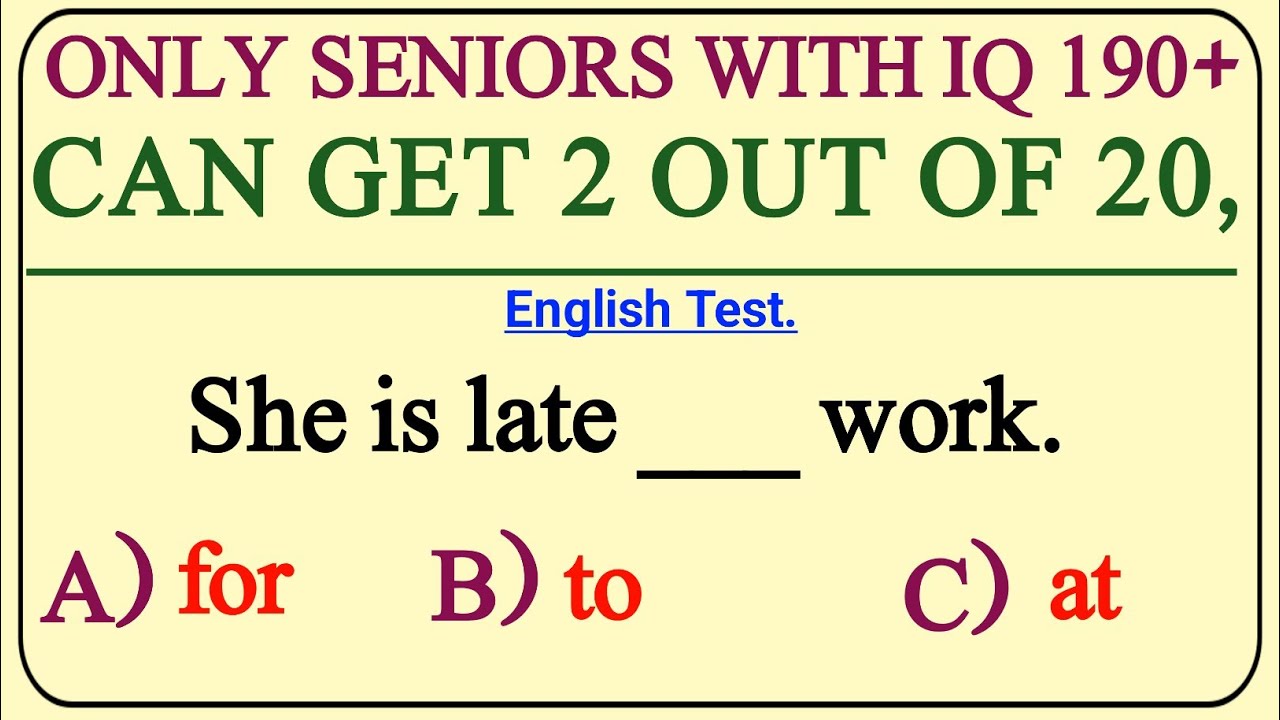
ONLY SENIORS WITH IQ 190+ CAN GET 2 OUT OF 20, | English grammar skills
EforEnglish161
582 views•2026-05-29

Why Japanese Has No Future Tense – Learn Japanese
FixBrokenJapanese
779 views•2026-06-02



