Cats do not understand human language grammatically but instead filter speech through four key mechanisms: they respond to pitch and tone (preferring high-frequency 'baby talk' and detecting threats in low frequencies), recognize their owner's unique vocal patterns as a familiar scent, associate specific words like 'treat' with rewards through classical conditioning, and detect human emotional states through subtle vocal vibrations that signal stress or calm.
Install our extension to search inside any video instantly.
What Your Cat REALLY Understands When You Talk To It!️
Added:Good morning, my little dine. Are you hungry? For us humans, this sentence is an everyday expression of affection. We shower our cats with words, tell them about our day, and are convinced that they understand us. But what actually gets through on the other side of the communication barrier? When we talk to our furry friends, our words enter a highly specialized biological filtering system. The cat is an evolutionary masterpiece when it comes to hearing.
Its ears can pick up frequencies that are completely silent to the human ear.
So, when we open our mouths, the cat doesn't hear grammatical sentences or deep logic. It filters our speech for acoustic patterns, emotional tones, and ancient instincts. Number one, the music of pitch. Cats don't primarily listen to what we say, but how we say it. Their ears can move independently thanks to 32 muscles, and they're optimized like satellite dishes for high-frequency sounds. In nature, mice and birds squeak at very high frequencies.
When we humans unconsciously slip into so-called baby talk, speaking in a higher voice, stretching out vowels, and using a melodic sing-song tone, a cat's ears perk up right away. To a cat, this pitch sounds familiar, inviting, and completely harmless. Studies show that cats respond much more positively to this mother-child style of speech than to our normal everyday voice. On the other hand, a deep, monotone, or even loud voice is immediately classified by a cat's brain as a potential threat, since low frequencies in nature are often associated with growling predators or rivals.
Number two, your personal scent in the air. When you talk to your cat, she picks up on much more than just sound waves. She scans your acoustic fingerprint. Cats can reliably distinguish their owner's voice from the voices of complete strangers. When you speak, your cat's brain analyzes the tiniest nuances of your vocal cords, your breathing pattern, and your familiar intonation. To your cat, your voice is the acoustic equivalent of a familiar scent. even if she doesn't understand the exact content. The familiar sound pattern of your speech tells her, "This is my human. I'm safe."
Number three, the acoustic anchors.
Although cats don't understand language in the human sense, they are masters of classical conditioning.
From the flood of words we utter every day, they pick out very specific acoustic anchors. Words like treat or her own name aren't abstract concepts for the cat, but rather linked sound signals.
When the word treat is mentioned, the reward center in the cat's brain lights up because the sound of that word is inseparably connected in her memory with the taste of food. In that moment, she hears the promise of a successful hunt at the food bowl. Everything else we say in between is simply tuned out by the cat's ears insignificant background noise.
And number four, scanning our emotions.
Cats are empathetic seismographs. When we talk to them, their brains pick up on the microscopic vibrations triggered by our emotions.
If you're stressed, angry, or sad, the pressure of your voice and your breathing rate change. These are nuances that are barely noticeable to the human ear, but to a cat's hearing, they sound like an alarm signal. A stressed voice puts the cat on high alert, too, while gentle, calm speech lowers her pulse.
So, when you talk to your cat, she hears your emotional state, plain and simple.
She reads your feelings through the tone of your voice long before you even realize how you're actually doing. Do you know how to tell if you're your cat's favorite person?
In the video I'm linking for you here, I'll tell you all about it. Go check it out right now.
Related Videos

I Found 7 Golden Orb Spider In The River !! Spiny Spider, Weaver orb Spider
insect_geography
1K views•2026-06-16

Your nose is more than a breathing tube...
HealthInSeconds_1
2K views•2026-06-16
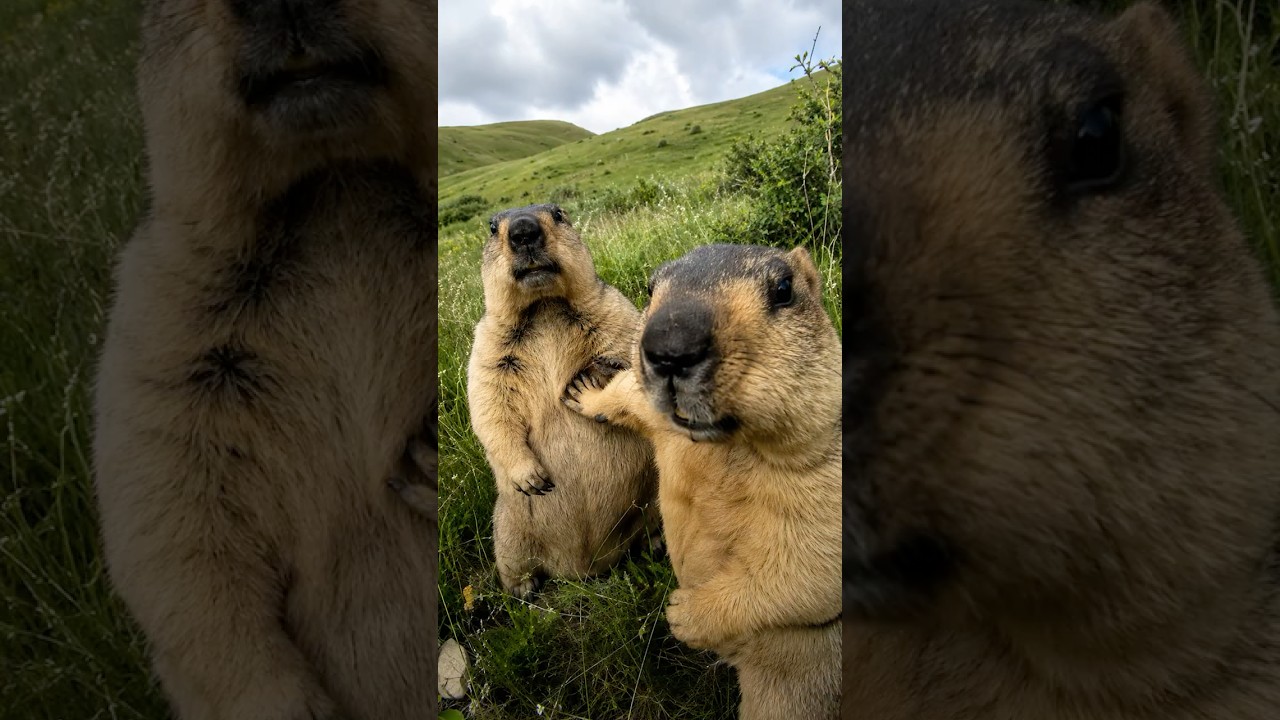
Why do marmots always look so dramatic
CodeFauna
3K views•2026-06-16

Your Axolotl Is a Salamander That Never Grew Up
dailywildreports
661 views•2026-06-17

King Vulture: The Colorful King of the Rainforest Skies!
NatureChirps-05
185 views•2026-06-18

The Biggest Lies In The Animal Kingdom!
InfiniteFactssofficial
1144K views•2026-06-15
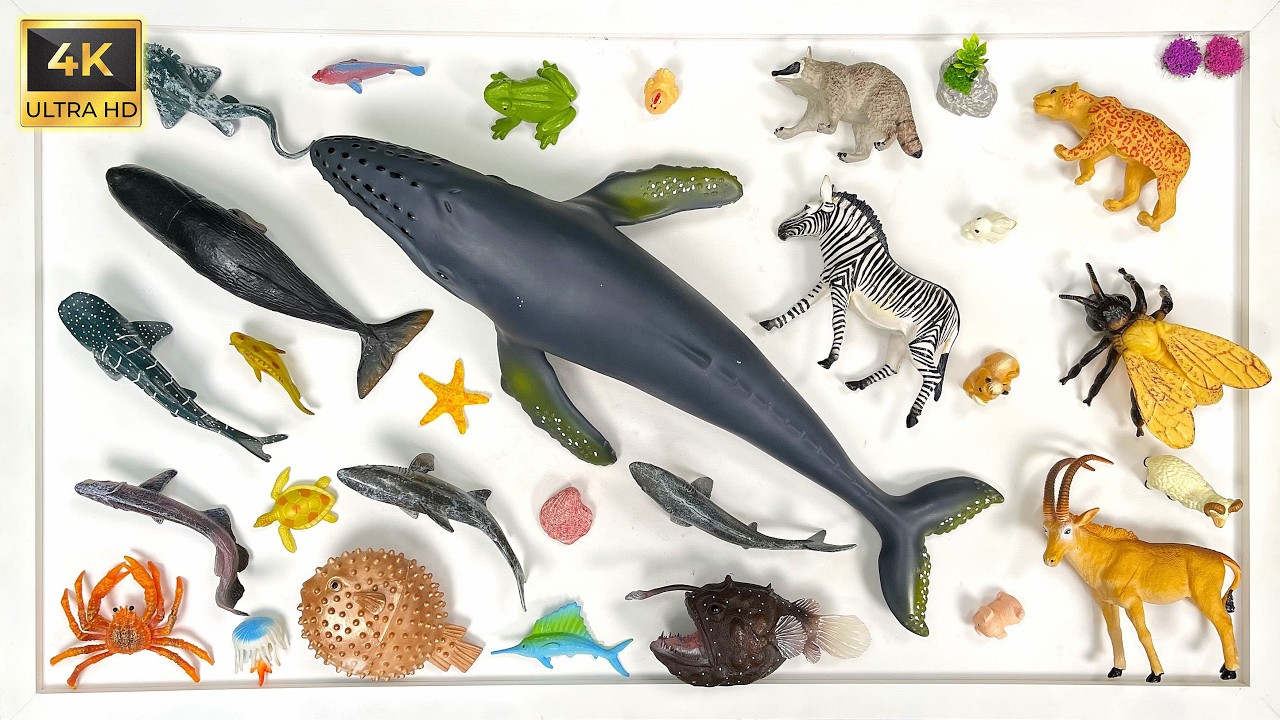
Humpback Whale, Whale Shark, Great White Shark and Mako Shark Giant Ocean Adventure for Kids
EvieWildTales
5K views•2026-06-18

Thunder Mountain in Juneau, Alaska
Raven-Orix
1K views•2026-06-14



