The SN1 (Unimolecular Nucleophilic Substitution) mechanism is a two-step reaction where alkyl halides first ionize to form a carbocation intermediate, followed by nucleophilic attack; the reaction rate depends on carbocation stability (tertiary > secondary > primary) and halogen bond strength (RI > RBr > RCl > RF), and proceeds with racemization due to planar carbocation intermediate allowing nucleophilic attack from both sides.
拡張機能をインストールして、あらゆる動画内を即座に検索しましょう
SN1 mechanism of alkyl halide | Chemistry | Neet l Jee Main | Santosh K Behera追加:
Where everyone demands your trust, we prefer to give you ours. Ayabata learning forum private limited.
Hello students, today we will discussing about SN1 mechanism SN1 reaction. Actually uh this is the SN1 is the mechanism of nucleophilic substitution reaction and this is the nucleopic substitution. Alkalhalide reacts with nucleophile. It can gives nucleopilic substituted product and X minus and here it is a substitution reaction. Substitution phase here alen atom is there and this h hallogen atom is replaced by nucleophile is a substituted product. This is the nucleophilic substitution reaction.
Okay. And in this nucleophilic substitution reaction you have two mechanisms and one of the precar is SN1 mechanism and this SN1 mechanism what is SN1 mechanism? First abbrevation of SN1 mechanism case unlecular unimal nucleophilic unaluclear nucleopilic substitution reaction substitution reaction. This is the abbreviation SN1 means unle one represents uni molecular that means the reaction have the molecularity is one and nucleophil nucleophil and S is substitution reaction and this is a SN1 epilation and this mechanism has two-step mechanism first of all write a twostep mechanism first of all RX step one step one RX X plus ionized into R + and X - RX is ionized into R + and X - here R + known as intermediate.
Intermediate.
Next step two.
Step two R plus combines with nucleophile.
Okay. and then it can forms R and U and substituted product. Okay. Here the RX initially to R plus at X minus R plus is known as intermediar and the inter period again compact with nucleophile and forms a substituted product and here first of all nucle mechanism is a two-step mechanism and in between the two-step mechanisms this is the slow and this is the okay and this is the final mechanism of SN1 one. Okay, based on this mechanism, we can write some important points about the uh SMM mechanism and these points are also very important in need and day examinations for uh subjective and concept oriented questions. What are the important points? First of all, the first point is it is two-step process.
It is two-step process. And the second one is it forms it forms an intermediate.
It forms an intermediate. Okay. And third one is very important one. Here the intermediate is formed as a carboation.
Intermediate is carboation.
I keep the intermediate carocadons for this reaction in maximum a carboad forms as intermediate. It must be no ca rearrangement. Rearrangement is possible.
Rearrangement is possible.
Okay. Rearrangement is possible. That means if chance is there then possible.
Okay. based on possibility the rear is text based on possibility. Okay. Next fourth one here the uh two-step mechanism is there. One is a slow one is fast. According of chemical kinetics the rate law the rate lag is applicable or slow step. Why? Because the slow step is called a rate determining step. This is the rate determining step and rate law is applicable on this step of according of rate law rate is directly proportional to concentration of alkalhalide. Why? Because uh the slow p two steps are there it pick between two steps this is the slow step and this slow steps they influence the rate that's why the finally we can write rate is directly proportional to concentration of ali in that case order equal to one is order equal to one and that molecularity is also one molecularity is also one this is the mechanism that's why we can know the molecularity unl This is the uni molecular cricophilic substitution reaction. This is the molecularity one.
Okay. And based on this information we can write the rate of reaction rate of reaction per tary alkalide secondary oralhalide primary oralhalide.
If in case of tertiary alkalide, secondary alkalide, primary alkalhalide and the rate of reaction becomes like this. Tertiary is more react to than secondary. The secondary is more react to the primary. This is also based on this point only. What is the point? Rate of reaction.
Rate of reaction is directly proportional to stability of intermediate.
Stability of intermediate. What is intermediate? Alocarion is intermediate.
Okay. According in JSO topic we can already discuss the uh stability of carboon tertiary greater than secondary greater than primary. Carboadion stability C plus tertiary carocarion secondary primary the stability order stability order. Carboarion stability order tertiary greater than secondary greater than primary along this this information. Tertiary orbital is more reactive than secondary secondary than primary. Okay, this is one and another one important point is rate of reactivity of alkalhalide RF R I mean alkal chloride alkal chloride al bromide alkal iodide. Okay, in that case which one have the highest rate of reaction? In that case, in terms of R r you can write simply in depths. Here the size of R will be same in all cases. And here the size of florine chloride broics iod is different and the size means flowing. If the size of chlorine is increases then bond lamage increases and again blaming size increases and again size bond length increases and then iodine again bond length increases. If higher portland we bond energy then it can easily clip and this bond will be break easily because of easiest formation of RS and that reactivity becomes like this RF less than RCL less than RBR less than R I okay this is the most important points of cell one mechanism based on this I'm giving example, one of the example then compare compare rate of react reactivity. Okay, rate of reactivity of CH2 CL and CH3 CH2 CL. Then compare the rate of reactivity of these two SN mechanism. In both the cases, which one have more reactive dual SN reaction which one is more reactive? Which one is more reactive peaks? Then we follow the safe point. Rate of reactivity is directly proportional to stability of interraiate. Here the stability of intermediate means after removal of after removal of halos. Then here we can remove the hall and this is the formation of place. After removal of this hall and here the formation of place this is the carocadion. This is the I mean according of go here there is no resonance.
There is no resonance.
Okay here resonance is there.
Okay, here according of go which is most stable here no resist more stability when more rate of reactivity towards SN1 mechanism. Okay, this is the comparison how we can compare the rate of reactivity. Okay, and this is the first important part of SL1 mechanism. Okay, next me. Second good part of SML paganism is stereochemistry.
Stereochemistry of SM. This is also very important one. Your maxing questions are comes from this part of assembly.
What is the stereochemistry?
Stereochemistry is observed. If the alkali hal is a tyr here also providing one of the ty molecule tyran molecule means o p3 here h here x. I lose any one of the broine any one of them. Okay.
If the priorities exist, we can easily observe the studio chemistry. Okay.
In that case, nucleophilic substitution.
First of one, I'm writing step one step one. In step one, what happens? C bond PH bond CH3 bond H press X minus ionization here is a very important uh in studio this is a very important actually in that case the hybridization of carbon is sp3 but here the hybridization of C++ is sp2 that means in that case sp2 hybridization sp2 means a Pryion plan.
Pryion plan means here PH here CH3 here like this. Okay. And another C plus. Now C++ means one V carpet and this is a vector. Here the trional PL. And then next step here the next step step two in that case of step two nucleophile attacks. In that case the attacking of Bile there is a chance to both directions.
Why? Because here the trigonut plan the bon between the 120° I mean maximum space is there that dupile is attacks on both directions. There is a chance of both directions. If the nucleophile is attacks it in the same direction that the given compound is retention retention here the nucleophile here the CH3 and near the H here the PH this is the retention if the nucleophile is attacks on backside direction backside direction means here the nucleophile and here the CH3 here the H the P H and this is the retention configuration, retention configurations and this is a inversion configuration.
configuration and inversion configuration actually both are not equally 50/50 percentage and this is the 49 percentage somewhat excess somewhat excess of inversial pole is forms this is a 51 percentage and this is the 49% finally the stereoccharistry of SL mechanism is mix shape reset What is a remic mixture? The 50/50 percentage I mean equal ratio of retention inversion combination a mixture is called a remic mixture. Okay.
Here the stereochemistry of SN1 mechanism is remicure.
Okay. Now and this is the uh SN1 mechanism and is one of the important point rearrangement. For that I'm giving one of the example for this for this reaction. If you do the SMM mechanism on this reaction, what product is observed in the face of SM mechanism?
Here the nucleophile and writing nucleophile for rearrangement for understanding of all points. So I'm writing in the uh on the board. Okay.
And here the nucleophile what product is observed here I'm writing first step ionization. The bromine is break down and the product is like this.
Okay. But here the carboat is primary carboat.
If arrangement is possible that means here possible is there. If here the adjacent carbon is having three methile groups. If one methile group is shifted to this carocati.
Okay. What about here the two carbons two methyl groups are there and here C++ and this C++ is connected to this and this methile group is shifted to this.
Okay. and the positive charge I mean this carbon can lose the vile loop then this is the positive charge okay this is the rearrange unit if the possibility possibility means already formed positive charge and the rearrangement is takes place after after rearrangement we can getting the most carboatine if you get the most carocatin the rearrangement is possible that is the possibility of rearrangement and then the nucleophile attacks on this position nucleophile is attacked and the product is this is the product. Okay, this is the final answer of this reaction. Are you clear? Okay, this is the uh important topic about the SN1 reaction. I hope you understand.
関連おすすめ

The real reason your phone battery gets worse #LithiumIon #BatteryLife #shorts
EchoesOfTimeTV-1
440 views•2026-05-31

Lecture - 03 - Summer Batch (Demo) - OL/IG O/N '26 & M/J '27 Live Class Solids,Liquids & Gas KPT
carboxylchem
105 views•2026-06-01

AMINES🔥video coming soon #shorts #chemifysudarshangurav
sudarshangurav699
272 views•2026-06-03
Lakshya NEET in English 2027 Solutions 🧪 Class 12 Backlogs Class
PWNEETEnglish
1K views•2026-05-31

A splash of chemistry, a dance of electrons, and a beautiful color transformation. 🧪✨#redoxreaction
harshrani_5920
1K views•2026-05-31

Roadmap Explained! Inorganic Chemistry Part 1, 4e | Cengage JEE Advanced | Dr Balraju Karri
cengageindia
112 views•2026-06-04
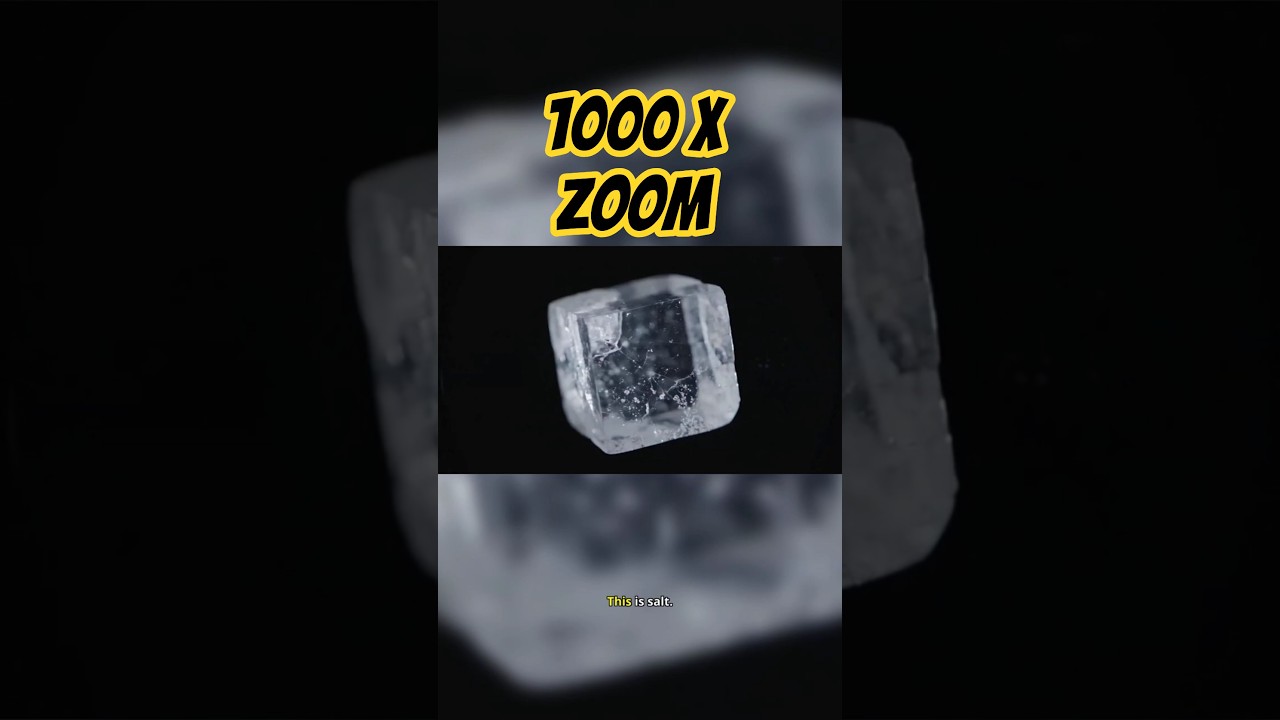
This Is Salt at 1000x Zoom
Mr.VelMash
112 views•2026-05-31

If Class 10 Chemistry Was a Marvel Movie... 💥 Acids, Bases, & Salts Chapter 2
SmartCBSEstudy
101 views•2026-05-31