This analysis masterfully exposes how mainstream cinema sanitizes systemic struggles into palatable individual romances, often at the expense of historical accuracy. It serves as a necessary reminder that personal narratives should not be used to obscure the complex, structural realities of racial justice.
Install our extension to search inside any video instantly.
"A Loving Reality for All️" The Film, Case, and Narrative ft. Renee Johnston
Added:mix. What I like. What I like. WHAT I LIKE. WHAT I LIKE. WHAT I LIKE.
[music] [music] All right. Welcome, welcome, welcome.
Come on in, everybody.
>> [music] [music] [music] >> Yeah. Salute.
Welcome. Welcome. Welcome.
>> [music] >> everything.
[music] [singing] >> Go the other way. [singing] [music] What's happening to me? [singing] [music] Welcome. Come on in everybody.
[music] >> Big bro back in the building.
>> Classy crank. Exactly.
>> Beats Leah.
[music] >> [singing] >> My favorite song should have [music] got me staring out the window.
They have a show Friday.
>> I might have to I might have to get out the house.
[music] [singing] >> Oh man, Sugar Bear's birthday party coming up too.
Not going to cry out.
>> See you.
>> [singing and music] >> It does.
>> I see you.
I need a little happiness.
They don't have to be with me.
[singing] >> [music] >> when I >> So, I just want you, this is, of course, a Rare Essence classic that Jay-Z stole.
think about the fun we had >> about the overnight scenario [music] and a little bit of debut [music] [singing] yeah. Come on.
Oh man, >> they just go. It's just too much prank.
[music] >> There we go.
Yay.
Yay. Yay. Yeah. Yeah. I mix what I like.
What I like. What I like. WHAT I LIKE.
WHAT I LIKE.
I could go on. I could let that rock all day. I was listening to it all last night, all this morning. DC Vibe Band.
And just before I bring my special guests up, I did just want to show you all uh I keep being asked about it and uh I'll put the link in the show description, but um Oh, [clears throat] no. Where did I where did I Oh, there it is. and you can uh be kept up with with them.
And they have some shows coming up Friday night, House of Soul, Land of Maryland.
And then Saturday, Sugar Bear from Experience Unlimited, the legend himself.
I'm expecting to I would hope that's Guju on the drums. I don't know. So, so, you know, there's obviously this is just their band, but a way to keep up with the latest from from DC vibe and and and I might have to get out the house for for uh Yeah, they cranking Friday. Geechi, what's up Gei and Renee in the building joining me for this discussion of loving Yo yo >> I I almost thought you wasn't gonna start. You was enjoying yourself so much.
>> I was I mean I get I will get lost. I mean it is true.
>> I'm not I'm not even gonna lie Renee. I don't know if you from or you ever been up there but when the music play like you literally forget about a lot of [ __ ] Like I I forgot we was doing the show. I was kind of like damn I was doing something else. So it's easy to get lost in that music. So shout out to DC did something right. They did something right with that [ __ ] >> At least that.
>> At least that.
>> I'm not I'm not gonna get cussed out, so I'm gonna just >> shout shout out to y'all drug shout out to y'all drug uh uh using uh mayor who who he's responsible. [laughter] >> Listen listen. We're not going to talk bad about Mayor Barry, the late great Mary and Barry. Uh uh but yeah, and he was set up.
>> Damn it. But um so yeah, listen listen, it's it's it's those shows are great.
Grown folks, go as as J was saying. Uh Classy Crank, I love it. Um [snorts] so yeah, man. Might have to Wait, I have a Wait. Anyway Anyway, anyway, if I get up there early enough, we I'm going.
So, >> hit me up. Let's Let's Let's coordinate because there's there's something that that I'm I have to do. I might have to be out anyway. So, let me let me look into this. Let me look into this. That might be, you know, um but listen everybody, welcome back to the platform. Please do all the things.
Very happy to be joined by Gei and Renee to talk about this this this this wonderful film. So just in case every anybody's remembers or and more likely has forgotten, I did start this as part of the months ago as part of the the letterboxed uh uh civil rights film history list or whatever that they put out for Black History Month. And I said I was going to go through all of the films and uh I made it this far and and uh so I was like let me you know and and and and I it started as a joke, you know, given given our our our family histories. I I figured let let me have Renee join me for for this discussion and have some fun with with with with all of that since since how do I put it?
the our our blissful lives were only made possible because of of this this >> you are not wrong though. But that was literally it. You are a child of and I am involved in so [laughter] I'm the only I'm the only outlier here like >> so GI crashing upon I don't know I don't know what Gei is confessing here. So, one one time one time uh my my Colombian girlfriend I I brought her home and my aunts was like, "Oh my gosh, I can't believe you brought her."
>> Who brought the white girl?
>> SHE'S NOT EVEN WHITE, AUNTIE. LIKE, what are you doing?
>> I love it. I love it. Uh but but so anyway, so so I I I had never in preparation for today, this is the most I paid attention to the history of this case, this film. I didn't even know about the 1996 film starring Leila Rashawn. Uh >> they got Dr. Mini on Tuby.
>> So I, you know, I I went and I watched a couple things. I I read a couple things that that one of a couple that I'd like to bring into the discussion at some point, >> but we we we do want to start with with what is is um the film loving.
>> Really quickly, Leah got some jokes in the chat, but I think uh Mildred is the first FBA cuz she's like, "I'm no black." She said, "I'm not black. I'm I'm Indian." So, in her interview, >> well, this is gonna that's a big part of this story. So, that's perfect. She FBA.
>> Not only that, Gei, but I don't know if you you you weren't where were where was I where you weren't around? But um according to Ancestry DNA, >> No, no, not not according to them, but according to Henry Lewis Gates and his DNA project, the the Gulligi people are the only 100% black population in this country. Everybody else apparently is mixed. So you the only you the only legit >> African or black.
>> Well, he said black.
>> I thought he said African.
>> He might have said African.
>> I thought he said African bec. So >> well his point whichever word he said his point was the only unmixed segment of what we would now call black America is the Gichi Gulla population.
But also the reality is most people black people most came from the gullup areas. So most people most black people in the United States are gullichi in some type of way right majority of them I I would say and there was this argument right which it didn't go you know you know people say the reason why the Haitian revolution was able to pop off this African senate people say is because they never they never lost their Africanness because there was new Africans coming over every year and so that's some of the arguments with Gulla people like because we kept like specifically coming from Angola and Sierra Leon and this region where they grow rice. We we kept few things uh intact. But I think that argument is true for every African every black person in America. Um >> well, I only listen to what Henry Lewis Gates says about about race and and history of black people. So I don't I don't whatever you've just said is irrelevant because because Gates said your your community is the only one. So that's that's it.
>> I [snorts] I I think Henry Lewis Gates remind me of the um actor on How High.
Was that was he playing Henry Lewis Gates on How High? Because I watched that a couple times. High and it's actually funny.
>> How high would Red Man and Method Man?
>> I don't remember that movie. How high would it How high would anybody have to have been to watch that film?
>> You got to watch it high, man. and then to to to suggest that there would be anything worthy of a memory in there. I can't but no I don't remember the fact >> I feel like they was playing there was depicting Henry Lewis Gates that one dude who he he ate the brownies and then he was you know he had a white wife I thought that was I thought that was trying to play off Henry Lewis Gates but maybe I was wrong.
>> I don't know. Would Henry get high?
>> He wouldn't know it. He were eating a brownie. He thought it was I don't know.
>> Um so look [clears throat] what is this?
Um so so the film in in in discussion at least initially here and this was on the the the letter boxed list. loving uh written by Jeff Nichols, directed written and directed by Jeff Nichols, starring Ruth Nega and Joel Edgarton, what will Dalton and it came out in 2016 I believe.
Um, and uh, the story of Richard and Mildred Loving, a couple whose arrest for interracial marriage in the 1960s, Virginia began a legal battle that would end with the Supreme Court court's historic 1967 decision making such marriages legal nationally.
So, uh, I don't know how you all would want to proceed. Do you want to to share some initial thoughts of the film? Do you you know have notes you want to go to? I'll I'll I'll let either of you go first. Um I don't know Renee, did if you're situated.
>> I am. No, I'm walking in the house. So Gi, you go first and then I'll jump in.
>> I I was about to say I go last because I'm the only one who ain't got as close as proximity to whiteness. I ain't >> Because you don't have you don't have the you don't have the nothing to do with the movie. I I ain't I I ain't I I ain't get no I ain't getting no you know I might not be an expert but no so I think initially um I I watched it I I tried to watch it uh within the span of few days and I end up doing more research kind of like you because again I didn't know that the land that he gave to his uh wife after you know to build a house was given because his dad used to work for one of the richest black land owners um as a as a laborer.
>> But I felt like most most of the movies like it's obviously centered him and almost felt like um Cry Freedom again with um Steve Beu with the whole the whole movie is about the white boy and he all look unsure and weird. Um, but even at the beginning when they was doing all the the racing, everybody when he was at the when he was at the dinner table, everybody was just like he was like a celebrity. He was the fan.
Everybody wanted to talk to him and what what Richard what do you think about this? And what I read later on like the the Jeff whoever else did the film, they wanted to make it show make you see that he was comfortable around black people.
But again, he was comfortable around black people because he used to be around rich black people to want the you know his daddy his daddy boss. So that that wasn't really clear in the film. Um and then I was wanting more from his mom when she was like, "Well, you know, you were supposed you shouldn't have married a black lady." Um I like a lot of people, but or whatever the case may be.
Um, so yeah, there was a lot of things that I was just trying because I've never I probably probably saw a picture of them in the past, but I've never really learned about their story. Don't don't know much about it.
[clears throat] I did see how it was very clear that Richard had no desire to do any racial class struggle, anything. He just wanted to be he wanted to protect his his family. uh which which was kind of like you know pat well a lot of patriarchal white men type [ __ ] Um but yeah and then for her it seemed like she was more of activist and she was open to having the media and nationalized and she wanted to go to Supreme Court. He was just like you know you know I'm not even I'm not interested in that. All I care about is my family which was interesting. uh you could see the class dynamics when he get bailed out really quickly and then she got to sit in the jail for a few days. But yeah, th those are some of the initial things. I wrote down some things that we can kind of get into. Um >> so so just again still still the the real ad the the the reason we're doing this is be this is the reason this is the topic for today is because this is the most important historical event in the history of this country. the and and this film depicts what what made my my life legal and and possible. So, so that's why we're talking about it today and we should have been talking about it and I should make it it should be a consistent and maybe the sole topic of this channel.
>> Um, according to the the director, they are sexual revolutionaries.
>> So, yeah. Well, one of the reasons and I definitely want to come back to this.
One of the reasons why I thought it might be accurate that they didn't depict him as being excited about the the the the social impact is because what they don't talk about in in apparently either of the films, but this one in for sure, is that he didn't consider and she didn't consider herself to be black and he didn't consider himself to be marrying a black woman at all.
>> Oh, wait. He he he either I know it was her, but >> I mean according to at least one article that I'll show in a moment that that that was that so it was like and they were they were this was all taking place in in um I think it's called Central Point. Uh but it's taking place in a in a in a county in a part of Virginia that was sort of uh notorious but has a long history for allowing all forms of misogynation between black, white and and native people who would then intermingle and then this was like the this was like the area where this was more or less acceptable. So it in in a sense it would have been I didn't know the part you were talking about [clears throat] but in a sense it would have made sense for him to be depicted as being comfortable with with black and and indigenous or mixed communities because that's the region that they were all in apparently that had this long history and it was kind of like if you all just stick to this part of of the state you can kind of get away with it and as they do point out in in one of the films I can't remember which now that that I think in the older one that if you don't actually marry anybody, you can kind of be left alone, but >> the sheriff says that >> yeah, >> in the beginning.
>> So, >> okay. Yeah, >> there's there's a scene when he when he goes back to try to bail her out >> and he sits with the sheriff >> and the sheriff basically outlines exactly what you just said, Jared. Where he said he says like, "I realize that, you know, you live in that mixed up area."
>> That's right.
>> Where you got >> But you know, you just can't get married.
>> You going too far.
>> Yeah. You That's a step too far. And then he mentioned that she was pregnant and he was like, "Don't even say that again." Like, "Don't don't repeat that because you know you're wrong for that part." So, this is all this is indeed all laid out as part like if you catch it, >> it's such a it's such a passing mo and I think this is this is my issue with the entire movie, right? Yeah. Like there there are all of these >> all of these moments where something that's actually significant gets kind of slid in real like quick and quiet like and if you if you aren't really paying attention or if you're not really thinking about like the thing that's happening in that moment it completely you completely miss that it happened. So, like that entire conversation with the sheriff and he specifically says Cherokee, you know, the n-word, like he breaks all of this down, but it's it's def it's like a passing comment that he's making about the white man being confused about where he where he belongs because of where he lives.
>> Yeah. know that >> they did they did make him seem like and I don't know but they make they make him seem like a a really ignorant white person who who's unsure of himself and and even the scene when he was like I'll bust her head to the white meat and arrest everybody in the house and then she came out and just walked straight to the the car and got in and the white cop even said some you know you you're in luck today or whatever. He walked in there, you know, with a shrub shoulder and he get into the uh other person car, but throughout the whole scene, he just seems just unsure scared, not so I don't know. It just I don't I don't know the guy's story, but it it the the actor was interestingly uh showing something about the the white man in particular that I I wasn't really sure of. But again, I I didn't know anything about the the land though, the land. And and the dad and his the white boy's dad worked for one of the richest black land owners in in the country. Like I didn't I didn't I didn't understand that part. And I also didn't catch what you caught uh Renee on on that scene when when the uh the sheriff was kind of telling them stuff.
So So that's that's pretty interesting.
Yeah, he he does he does that that breakdown. Um, it is but it is kind of quickly done because what what uh so so let me just back up real quick.
So, one of the the the the points that I did just want to make in terms of the the overall purpose of the film and why I would think it's on this letterboxed suggested list of films. one probably because again from the perspective of a a um a liberal media film whatever who aren't going to know much of these histories or not know them well and want to depict uh to depict a certain preferred narrative about these histories. This any film that purports to talk about anything related to civil rights is likely to make this list. especially any film like this that is is one of the notes I made here is wants to dangerously narrow the scope of the civil rights and black liberation struggle.
So if you watch this film uncritically, it's it's meant to usher you into the post-racial society. Well, not only that, but to depict the history of this struggle as something exclusive to liberal integrationist aspiration, uh, appealing to the ultimately good legal system of the United States, hence the Supreme Court ruling and the appearance of the two lawyers.
civil rights lawyers. Uh and then I think even in the way the the the Richard is depicted both of them for that matter it's almost meant to convey this idea that I don't know kind of like anybody anybody like regular people were in this and they didn't really want much they didn't really want much change in society and once they were allowed to to marry and be left alone legally.
Everything was basically good until of course he's killed and by a drunk driver seven years after the the you know >> and she was in she was in the car too and she got she was she went blind afterwards, >> right? And then um and then and then as we're meant to and then as of course we're told at the end of the film or one of the articles I read I think it's at the end of the film that that she was grateful to have lived long enough to see Obama become president and was a great supporter of him >> uh and was saying that that basically the her life struggle and and the loving case is you know like pave the way for Obama's presidency type of as if like that's to me how the I felt it was being conveyed that that that when it was you know the the text at the end of the film saying she was happy that the something to that effect at least that's how I felt that that that that we're meant to see Obama's presidency as the culmination of the civil rights struggle and of the loving case and all of the other issues around the actual condition of the black community because I've always and I think I' one of the reasons why I've never been interested in the this particular history is that why would we want the condition of the black community to be erased, ignored, diminished in favor of and before we get to the the complexity of it, the claim of one black woman being able to marry a white man or Why would you know or even why is this why is the legality of this so important when so many other things uh that are being struggled for are left unmet or undelt with? Um >> so it was flat, right? So >> Oh my bad, Renee. Sorry about that. So >> So here here's something that's interesting. So one of my my my good friend who's who grew up like a brother.
There's a I think it's I don't remember the race. One of the tracks like we always go to the track and we race and there be cars, people race dirt bikes, people get on their foot and race. Like there's it's a and in in Mos Corner like there's in in the surrounding areas there's like a bunch of like people who just passionate about racing, right? And sometimes they like literally act like race is not race. Like the the car racing, but they act like race is not a thing. Like and throughout the whole film it's like I I especially it start out with them racing like they they had a race car and they and supposedly he and a black dude own the vehicle. But if you look at this the scene, it's almost like the black dude was was the the more expert, right? And >> No, I don't see it that. No, I thought what they were they were doing. He's he was the wide receiver and the white boy is the quarterback.
>> Well, so so this is this is how in terms of fixing the car cuz I remember the time when he came home and he was like uh he said something to his mama and they're like, "Oh, they out back." and he went there and the and the the black man working on the car and he's like go handle this. He he always he's always like the rather he's the the assistant to his mom when she's doing the birth stuff and he's assistant to the mechanic who who knows how to you know you know tweak the car or whatever.
>> But I thought he was being credited and that's why he was seen as such a superstar and and that's why at the dinner table he's humble but he's letting everybody my car wins all the time cuz I'm the one that makes the car fast. the black man will drive it because he's the athlete.
>> He's he's >> that's why I was that's why I saw him.
>> And you're right because he liter they were talking about the difference between was it Buick and Ford or whatever two car companies and he was like it's about who builds it, how it's built. He was very very clear that it's not >> it's not the car, it's me.
>> It's not the car. It's not the driver.
It is the person who puts the car together. That is that is what makes the car fast.
So, do do you feel like one of the Because I'm mixing up with the the the black race characters was the one who's driving the car, the jockey, he's the same person who's working under the hood when he walks into the backyard. Is that the same person?
>> I don't know. I think I think you you you first of all, you you trying to give too much attention and humanity to people that are not meant to have any.
was [laughter] like >> he was fixing the car like he he was directing the white boy. He was like get this, go into the hood, grab this. Like >> I don't I I don't remember if that was the one who was driving either though.
So >> I think he was and he was also the one that was giving him grief at at when they're having beers at the at the club at the bar.
>> Yeah.
>> Yeah. Now you're black. You're black now. Which that was a scene. That was a weak ass scene. But >> I mean no, you know.
[laughter] Um.
All right. So uh Oh. Um.
All right. Uh, some of the >> just real quick, somebody's worried because I'm quiet. I I was in transport and air doctor has been in the habit of making fun of me when I'm in my car and on the phone because he says it's mad loud in my car. I'm home now. But I'm just trying, it's quiet now, but I'm I'm trying because I'm noting people in the chat like why is this a like why are we talking about this and it's just a movie and and and first of all, like if you don't know who we are, fair enough. Like but this is what we do. So like if this conversation is annoying for you, like it's YouTube. You could really just go watch something else. It's not that serious. [snorts] Look, >> that said, [laughter] >> but I already said like this is part of a response series to the letter box civil. So, so I get and and I'm we've already acknowledge the silliness out the gate, but So, >> yeah.
>> Yeah. Go ahead.
>> But also, but also I think >> Wait, wait, wait. Let's get real clear.
If you have an Apple device, the X is to the left. I think Android and other things you your X is to the right. So, you could just [laughter] if you see the little thing, it's like a red thing. It has a X on it. You click that and then you you'll be gone. [laughter] >> Why do we talk about anything? Exactly.
>> Right. Exactly. So, so really though, like I I think so the thing about this movie and I had I actually started to rewatch it and I got like maybe an hour and changed through and I was like I don't watch this no more and I was like I I don't even like how did we how did [laughter] we like why did I watch this to begin with the first time because it was a long time ago when I watched it and I'm fairly certain I'm fairly certain that I watched it because I am also indeed I'm married to a white person as I think most people are aware of if they've paid any attention to anything that I talk about. But this this this [laughter] and Joe, you talk about this a lot, like this this way that movies have of narrowing down these really broad issues to like one couple struggle, right? So like this is the couple whose fight made it to the Supreme Court, right? And so we're going to focus on this couple, right? We're going to focus on this couple specifically because as you all [laughter] clearly pointed out, she didn't even consider herself to be actually black. So it's a whole other thing, right? And then we're also going to do this weird like this is part of your civil rights, right? Because I don't know if y'all remember the scene and this is about when I stopped it because I was like I can't when she's wa they're watching the March on Washington on TV and the the woman comes in with the groceries and she's like y'all need to write Bobby Kennedy. That's what they're doing there. You need to get your civil rights.
>> [laughter] >> And I was like, "What? What [screaming] just happened? And why am I watching this movie again?"
>> As if they weren't there for her, >> right? As if she was not somehow automatically already connected to that march. And then, of course, as if that march is the is the the apex of all radical response to to to to the to uh civil rights. So yeah, that was that was perfect. Um, and yeah, I do have in my notes. Yeah.
So, so it is Central Point is the is the part of Virginia where they were where it was considered all quote unquote mixed up where Cherokee and where the where where the cop says the line blood doesn't know what it wants to be. You were just born in the wrong place.
>> Oh yeah.
>> Birds being different. Birds are different for a reason.
>> Yeah. Um, so >> and then Oh, I then I thought that they reduced they did the same thing with where where the the state violence is reduced to one bad cop again.
Uh, it it felt a little bit like that too with that one. And he's also he's also, you know, people will recognize the actor as a as a as a bad he's a he's a almost typ cast now as a bad guy. From I think John Wick to to to um the uh um what is the Denzel series that Queen Latifah now plays on TV?
>> Oh, the the equalizer.
>> The Equalizer. I think he's in one of those, too. He's like a He's definitely in one of the born He's one of the born assassins in the first Jason Bourne movie.
>> Okay.
>> Uh so people will recognize the actor and then now he's playing this southern racist southern cop and he gets to be >> uh and it's sort of like everything is reduced to him. It's like in Judas and the Black Messiah, the FBI is reduced to one bad FBI agent. you just like a Hoover and the good FBI agents out here trying to do you know >> so it's kind of does that kind of thing so it's it it >> you know and then because of the way they start with the car racing and everybody's hanging out together interraially I wrote in my notes here that it's they're depicting a utopia >> and then it's almost like this community doesn't have its own response to what's going on >> but are they though because he is the one he is the one grain of rice in the world.
>> That's all that matters. That's all you need, Renee.
>> And then the dudes that they race are literally like on the other >> not really. But she wasn't at the car race.
>> Yeah, but she open >> everybody knows her.
>> But in I'm talking about in that opening scene though, right?
>> And in the movie I have a note here.
Where is his family?
>> No, >> I did write down where is his family?
So, like, >> but where is the rest of them? And where is the rest of of like where are their like >> they didn't want to be they didn't want to be involved. Like Janet Jackson didn't want to be involved in the Michael movie. That's funny. They just left her out. They just acted like she didn't exist, which is the wildest retelling of a family life I've ever seen. Like >> I haven't seen that movie, but that's crazy that they mention is not in the movie at all. There is no Janet Jackson in the entire movie about Michael Jackson. So he has no family. They don't have nothing to do with it. That's not >> Look, I grew up with Penny. You can't take Penny away. Goddamn it. How dare they?
>> So I I want I want to back up really quickly. So and and Jared, if you have this experience or even Renee, so it's always reduced down to fear, right? like the white the white people fear fear fear and I I'm going to say fear bear fear fear afraid of I don't know something have you one I know the movie wasn't I examine this but do you ever have you ever had like that experience where let's say for instance the thing that white people was upset about is that this black woman now owns land that that that the white that a white man gave her. White man built a house for whatever. And so now she has a class. She has an opportunity to be uh her class to be elevated because she married into whiteness.
One in terms of the film this this thing of like white people are racism happens because of fear. That's just they're just afraid, right? It has nothing to do with power and land and wealth or nothing nothing like that.
So I wonder from your experience uh how do you I guess how do you explain the like racism is much more than like white people being afraid of black people because that's how that's how black people sometimes say like oh you know they're afraid like even um Francis Quest Francis Crest Wilson when she says penis envy and stuff like that. I'm just curious how how y'all experienced personally, but then maybe you saw the film only focus on white people just being afraid, but you saw like the the white police. He he knew he had power. That's why he said, "I'll bust your head to the white meat and arrest everybody in there." Like that [ __ ] wasn't afraid of nobody over there. So, I'm curious how y'all saw and experienced that.
Racism, fear, land. I mean, this is a this is tricky.
So, so I I do I do actually think there's a part of racism that is rooted in fear, right?
But I think I think it's more of what is what is going to happen to me if these people that I've been shitty to [laughter] for centuries have the ability to do something back, have the ability to fight, have the ability to change laws, have the ability, you know what I mean?
There is there there's also a fear of like your your loss of being the thing, right? Like what's that what's that word? Like people see reducing my oppression as a loss to their there's like a ph there's like a phrasing about this where Go ahead. Naz is about to set me up.
>> Zero sum game. zero sum game >> that zero sum is part of it. But there's actually like this thing that people talk about with regard to um y'all I just really lost my words. I feel like Jared right now. I just lost my words. But that feeling like they're not going to be able to enjoy life if someone else is actually able to enjoy life, right? So like my being able to own land is going to have some some bearing on your ability to have land. It has nothing to do with each other. But there is there is something I think that is inherent in people who feel like they are the only people who have the right to a thing. Right? So, if you are fully bought into white supremacy and fully bought into this idea that white people are on the top of the heap and they should have everything and they should be able to enjoy all the things that they want because they've earned it simply by being Caucasian, right?
there is this idea that somehow other people also being able to just do the same stuff somehow like downgrades them, right? Somehow depletes like their ability to do like and and it like it literally has nothing to do with that. But I think that is what they're fearful of. I think they're fearful of not being on the top of the heap. Does am I making sense?
>> Yeah. Yeah. So Jared, I'm I'm curious your thoughts. So you So I always talk about Amos Wilson's uh when he talk about the heratial algorithm and how a lot of these poor workingclass white people as long as as well as black people believe like you would have to protect the social order of capitalism because one day you gonna be the capitalist and they gonna come take your [ __ ] from you. But but but also all of the majority of the race riots happen between white workers and black workers and then there's a a white capitalist at the top and so the fear I'm trying to figure out we show as I'm not talking about the fear of the capitalist person like that person is that that person that person fear might be the workers might uprise right but the white workingclass fear is yeah like if you give these [ __ ] some man too, man. We we ain't going to get the thing that you promised us. So, I'm I'm curious, Jar, how you seeing it from cuz it's it's two different people being there two different type of white people being addressed. It's obvious that this white boy don't got no money like no money like he got more money than the black lady or the Indian lady, whatever she want to be, but he he he's not like with the ownership class. In fact, he literally just he come from a family who was working for a black man.
So, like, yeah, I'm I'm I'm curious how you see it, Jack.
>> So, in one of the articles I read, he was described as uh uh like every other redneck, except for the fact that he grew up in this mixed community and fell in love with this with with this woman.
So, in some ways, I could see the broader white community looking down on him even before he marries Mildred because he's a redneck who was so broke that his white family had to work for a black man. Like, I don't know, but I could see that playing out. If you're asking about my own personal experience, I don't know. Mine mine is very particular in that not only the the particular mixture but as I've often joked you know my father kind of I mean he mar well my joke was that he married the last broke Jew so so anyway without getting too personal I didn't have any relationship really with with much of either side of the family so I don't really know beyond some stories what my mother's experience was like visa v the rest of her family in the white community or the Jewish community.
There was there was no exchange. So I really don't know. My assumption was and is >> Wait, you mean you mean your family was not like evidence that black people and Jewish people were working together towards all of our collective freedom?
>> No. And [laughter] no, not at all. Um but but but outside out except for my mother and and to an extent her sister and one of her brothers being an exception to that rule given that they did uh those three actually did a significant amount in in civil rights work and labor work and and in in that way those three might have upheld that mythology of Jews and black people working. But beyond that there was and even within that there was no there was no uh uh uh there was no experience that that this was the the two communities coming together. In fact, [laughter] I mean, part of what has made me so clear about how race works in this country is that um my experience and my parents, uh relationship was not evidence of some grand unifying so on and so it was not indicative of but it was also not something that where I could answer Gei's question by saying this is what I saw happen uh in terms of my family. Now, in terms of the the broader white world, I think there's a number of things going on.
Some of which is described in one of the articles that I read for this that was talking about what I think happens more broadly, but where where this article says um quote Virginia was obsessed with eugenics going back to the to the 17th century.
And from that perspective, if if the constant concern is defining a certain purity of whiteness and then and working back from that even within European communities to say Irish, Catholic, Jews, Eastern Europeans, you know, new money, y'all are not really that white. like you know so if you want whiteness you must continuously distance yourself from the mulattoos the Indians and definitely them full-blooded negroes you must not and and then out of that comes this whole thing of that's all they have so even if it means voting against their interest or working against their interests or not having a class or whatever they they just they just adopt it and accept it. Uh, you know, and anyway, yeah, now I'm just rambling, but but but I think it starts with that kind of that kind of thing where a ruling elite is saying we need to self-identify. We need to distance ourselves, create concepts and explanations that justify us having everything and you having nothing, and it just descends from some form of something like that. Um but at the but but you know the the the the foundation being obviously then you know everything is based on even in this article here and I don't know if if you wanted to follow up but but I one of the that that I found very interesting was was that well just that that so much of it is is about maintaining some idea of of racial purity.
uh that is is entirely fake and there's a kind of even a funny scene about that but that I'll come back to but let me you know let me just stop and let you >> No, I I I appreciate that. I I think um even as we started talking and then as I was like trying to so so for instance like what I was bringing up about my brother who does racing like we many of times that something could have happened that night like cuz there's all money involved like we betting on money and >> and those redneck white boys who got that that that vehicle that we racing against and we we beat them some [ __ ] can go off And then it become a national story and then the conversation's going like who you interview going to tell who's what what even with the Camella situation Camela Anthony I feel like it's been a conscious effort for his dad to make sure everybody know that has nothing to do with race like any anytime like in fact his dad don't want any of the right-wing conservatives to take over his son's and say you know what I mean like he he's And anytime I that I and I'm not watching all of it, but anytime I've seen something where the white KKKish conservative folks start talking about Metaf, the dad comes and be like, "No, like none of that [ __ ] ain't happening." Like, so something >> You talking about the father of the the the white victim?
>> Yeah. the white boy who >> who said that who said that Carmelo wasn't raised right. [snorts] >> Yeah. Like and and so he so he he he will say stuff like that, but he also will it's almost like it's intentionally trying to keep a neutral position. So he don't want he don't want the the the the the Trumpsters, the MAGA people to uh say that his son was that like he he want his son to be rac I'm I I might be misreading.
>> That's I mean I could understand that as a legal strategy, but I I wouldn't believe that for a second. Make sure that nobody like he better hope nobody like me is on that jury cuz cuz I'll never believe that. and and and I might not admit it initially be up I might sit up in there and be like, "Oh, hell absolutely.
It it was race neutral. Race had nothing to do with it. Get me on that jury."
>> But do y'all feel like the film correctly disassociate them? Like nobody can walk away from the film and be like, "Oh, they were civil rights leaders and they were they was in the movement."
Like the did the film do at least good job of saying like these people don't give a [ __ ] about none of that stuff.
All they care about their own little life.
>> I think the film No. Go ahead, Renee. Go ahead. Yeah.
>> I I don't No. And I think that's I think that's part of my problem with the movie is it gives it almost gives this impression like these individuals changed everything for everybody and it like misses it misses so much of all the other things that are happening at the same time, right? because it narrows it down and then gives it it's this whole like well these two people were able to see past race and they loved each other so much that they were willing to go to the Supreme Court so they could go back to Virginia. Like it's just so [sighs and gasps] it's I >> so that's interesting.
>> I'm glad you made me rewatch this damn movie. [laughter] I so this was my first time seeing it and I thought the film did more than I would have thought initially to make the point that he was not the hero but she was more willing to to to to tap in to that civil rights struggle >> passively >> but what I what I so what I would have liked to see more of some what were the honest conversations because what we get are these brief moments where it's happens quickly where you you know he comes home and she's talking to some journalists >> and he asks her to come outside and is like I don't want this to happen and she's like well I want it to happen and then and then that's it and then she goes back in and I'm like that's it that's the whole and it's >> also the thing with the lawyer too the when the when the lawyer when they first talked to the the lawyer and he was like this is make it to Supreme Court he's I don't I don't want that like like, "Can't you just go back to the judge?"
>> Yeah. Like a judge, >> we're not trying to bother nobody.
>> But it's But and then I'm like, "That's it. They That was They never had another conversation about it." Like Like the when the camera is off, there was no Is that really what we're meant to ex? So I was like, and by doing that, again, to my initial point, they don't allow for any form of an exploration into other politics. So, we see that scene where they see the March on Washington. Are you saying then that that that in the state of Virginia, you've seen nothing else happening?
You're not there's no other news.
There's no other there's nothing else happening that would make you think that you would want to uh um or or that would would inspire some conversation between the the the the two like But there there was some conversation and I'm curious what with Renee and I know men men and women and other people shouldn't talk about people's pillow talk but in their pillow talk she was like I always thought that you know your mother your mother would deliver our baby. He's like okay and then now he's going to risk that yeah we just okay we gonna make sure we get you back so that my mother can give you Yeah.
[laughter] >> But that I think that's my point Jared.
Like that's exactly what I'm saying.
Like it just it narrows it totally and it may, you know, like yes, she wrote the letter. She took the initial phone call. He wasn't down with what the attorney was first talking about, but she was like, "No, no, no. We're going to we're going to go along with it."
But it just it erases all the other factors like the so the sister obviously was not like her sister was obviously very unhappy with this whole situation and the only way you know that is because there's this very split second where when they have to move out of Virginia she's like you knew this was gonna happen that's it like this. So, so there's not even there isn't even a real definition of how her family feels. Like the dad's in the car to go when they get married and his only complaint is that the long the drive is long like he doesn't you know >> and the mother the the white mother don't finish when she say like you know you shouldn't have married that woman and that was just it like she >> but that's what I'm saying. We don't there's no that's why I was like where's his family? There's no discussion with the family. There's no discussion between themselves beyond those two brief moments or two or three brief moments. There's to Rene's point, there's no discussion. You got this long car ride and they there's no conversation about beyond a couple of looks. And uh you know, by the way, I read apparently that when they move to DC in the movie, we just see them, we see the scene where uh um Richard is looking at and I wrote here what what I wrote uh um I wrote the urban blacks, lol. Cuz he's looking at all the inner city negroes looking at looking all rough and tough and he's he's looking like, "Oh [ __ ] where am I?" You know, but what they leave out apparently according to one of the things I read is that the reason they end up because we just see them go to the house of this black family. I forgot the relationship to to to Mill. thing is her cousin >> her cousin >> in DC >> and she just well we don't see but what gets left out apparently is that there had been a time where Richard was trying to find a place that and no nobody in the DC area outside of that black neighborhood that he didn't really want to be in would rent to them because of of his his black wife and and they kind of leave that part out and then you just see him looking all shook going but there was like no conversation about that either. So, so that's what I'm saying. I ended up walking away with is the movie doing more than it would have intended or wanted to to to convey his hesitance, his reluctance because to me this is more evidence that that however she felt which is not clearly delineated I think clearly enough between him his feelings and hers but uh uh but we're left with this idea that that again he's like I just want this one woman I don't want all this other. I don't care about the community. I don't care about the politics and movements. I got mine and that's all I'm interested in.
>> My woman, his possession.
Listen, man. I've been trying to look at these pictures and I I was just trying to share, but I've been trying to look at the pictures and [clears throat] I don't know. I know they made it to national news story, but I like I don't know. I don't know. the locals might how they think of Richard and his his little fiasco there, but Richard don't look like >> the one scene that that look the the worst scene for me in the film is that scene I mentioned earlier where they're at the bar and the the black man and Richard are having this conversation and the line I wrote down is uh the the the brother I think you're talking about that drove the is saying, he says, he looks at Richard, he says, "Every [ __ ] in here wishes in here wish he was you. All you have to do is divorce her."
End quote.
And I was saying, so so not only are we narrowing this whole issue of of civil and human rights, but now the black community's representative spokesman is only here to say to this white man that every black man in here is jealous of you.
and that if if if all they had to do was divorce their wife, they and to be free and live happily, they would long have done it. It's like the suggestion like I was just so bothered by I was like cuz not only are we not getting anything about Richard and his family and his polit we're not getting much about what he thinks. All we're getting and we're definitely not getting and all we're getting about the black concern for for anything beyond racing is Mildrid's every once in a while saying look I think it's important that we talk to this reporter and then we get this statement of look around Richard don't nobody want this blackness and if we could get rid of it by simply divorcing ing these horrific women were stuck with that you've chosen for some reason, we would have done it already.
And Richard doesn't really say anything.
Like there's no nothing. I was just like, man, I was like, wow, that's that's so I I I think we expect for the film to center a white man. And I I don't really know much about Mildred and even trying to learn about Mildred. I know her family were uh tenant farmers. Um and so whether she black, brown, whatever she thinks she is, she know she ain't white and she know she know that she know that even her class position is not like his his class position. So whatever she want come to conclusion to that's fine. Um, but I wonder if and Renee, I don't know if you know anything about her story, but I wonder if like she has she her her husband had wealth passed down, right? So, he had land. She ain't had no damn land. Not only land.
And and there's a there's a there's a point where and I I'm I'm mixed up between when they moved in the house, when they didn't move in the house, when he died, all that other stuff because I don't think the movie was clear. But wasn't there a part where they came back and she kind of looked at the land because she was like, "He promised me that we would have this this this house on this land." And that and the scene was like she felt like she wasn't going to get it. So she like it it went straight to the promise because beforehand Richard told her to pick a land. Pick pick pick the piece of the land. He's like, "Okay, well we going to build a house here." So I wonder what what her narrative is on other than not being black. What was she doing? Was what was she doing with white?
>> But that's but that's the that's my point about how ridiculous this whole [laughter] movie is cuz you don't get any of that. And actually, he took her to the field that he bought the acre of land and he was like, "We going to put we're going to put the the bedroom we're going to put the kitchen back here and we're going to do this." And she was he was like, "What do you think?" And she was like, "About this field that I grew up down the road from?" Like, "What are you talking about?" And he was like, "I bought it. I bought the whole acre." And so he actually didn't ask her anything.
He didn't get her like pri because he did all of that even before he proposed to her like that he propos I mean according to the movie at least he proposed to her after he had already made all of these decisions and decided where the and then you see him like drafting what the house is going to look like actually drafting plans right now he's a con he's a construction worker right he's a brick layer to my understanding But he has the capacity of an architect because he's able to draft architectural plans, [laughter] right? [snorts] And so, but >> build cars and >> the whole thing. And so everything everything about her is like the piece of the story for why like why things kept moving, but no one ever explains who helped her, right?
like [laughter] one acre. [laughter] >> So, so like so when so she gets this idea to write the letter, right? and all you see is her right the first sentence and a half and then all of a sudden somebody calls her from the ACLU because the attorney general call like all I'm like where what all of this h like where is the story to how all of this went down and I wish I you know maybe I should have invested a little more time into like actually researching I but I think I was so bothered by the whole thing and I didn't even know there was a second movie so I guess I'll try and watch that to see if that's any better.
>> Or or maybe we should watch a documentary because the documentary has a political responsibility more than movies, right?
>> I mean, it's supposed to, but you know, >> well, neither of these were on the letter box list. So, I feel beholden to to to follow the the civil rights uh the official civil rights.
>> So, she had to go get her civil rights by doing this. And then in the end, >> silver rights the Lord silver right. So, but the other thing that I'm remembering too is part of her wasn't part of her whole thing with having to go back to Virginia because the son got hit by a car. It wasn't even really >> Yeah, cuz it was too busy in DC and and >> she wanted to get out of the city. And that that scene was is traumatizing because I'm like did the boy die and then it come to fact oh he okay he just like because the scene >> Yeah. You just see him get hit and then you see another kid running home.
>> Yeah. Like >> Right.
>> I don't want to Right. And she doesn't want to stay >> your child got hit by a car by the way baby.
>> Like that [ __ ] was weird to me.
>> So even that. So then you have to question like was it really about trying to make sure that they had the ability to, you know, marry whoever they want or was it because there was no way for them to move back to Virginia if they didn't fight this case in some way and she really just didn't want to live in DC anymore.
So we don't know that either.
>> Jar Jared just mad with because they were [ __ ] on his city. That's that I think that's what Jared meant. Like they was like DC ain't it. I'd rather go back down there because these [ __ ] is whack up there.
Um, let me show you this this one article that I that I've found very interesting uh from Souls, the journal Souls, uh, Tell the Court I Love My Indian Wife: Interrogating Race and Selfdidentity in Loving versus Virginia by Erica El Coleman.
Uh, published 2010. Huh.
>> That's a nice title.
>> Yeah. Um I thought so it starts with this quote from Jack Forbes. Writers are always finding blacks and they're always losing Indians.
[laughter] Um so just just a little bit here in particular the racial racial designation of the of the couple has been merely taken for granted. famed African-American journalist Simeon Booker's assertion in an article for Life magazine that she is a negro, he is white, and they are married reflects this assumption.
Uh, yes. So, I I noted so immediately a lot of what we think about this, like everything else, I thought, importantly enough, is framed by a media narrative before most people, even myself included, encounter any of the details of the story. In addition, although Peter Wallenstein states that the nine justices of the Supreme Court overcame their reluctance to rule on the question of misogynation because interest in the question went beyond black white marriage, lawyers Bernard Cohen and Philip Jay Herskop's conceptualization of the case is overturning the last of the odious laws of slavery and segregation once again reified the racial dichotomy of white and black within American racial discourse. And this article is looking to complicate that by saying showing that this this case and and this whole history is very much more complicated. And this is where I was getting that line that the flaw in the redneck person personality was he was just delighted with Mrs. Loving. They were very much in love.
Um so so one of the attorneys said of Richard Loving, you would think he was a real redneck. He looked like a real redneck. He talked with that accent. He he was just into the things rednecks are into. But the flaw in that redneck personality was that he loved Mrs. Loving.
Um let's see. Uh the frame the the the framed District of Columbia marriage license that the Lovings proudly displayed in their bedroom on the day that they returned to Virginia confirms Mrs. Loving selfidentity. It reads, "Richard Perry Loving, white Mildred Dolores Jeter, Indian." Richard Loving was not defending the honor of a black woman, for in his mind, he had not married a black woman, but an Indian woman. So, I think this is this to the extent, again, I'm not claiming expertise, just having read this one article and maybe one or two other shorter pieces, but I found this to be fascinating and the claim uh you know, because in in the film, none of this is discussed. It's not even to my recollection even passingly, pun intended, >> I'm telling you, it's only that little that small conversation between the the the sheriff or the the the c whatever he was after he went to try and bail his wife out and he >> but not in the context of her identity, right? Just in terms of the community.
>> No, no, exactly. Like all that's it.
That's all you get is this idea that the community is mixed. I don't think there's any other point where they >> but but remember now if she's in DC her cousin in DC is black >> in the >> they black and then and when you come into the room and all them black people in there and and the mother there and he said hey mama and she said go do something those those all black people those are >> in the film they're depicted as undeniably unambiguously black people what I'm what I don't know is is one is that how they looked if if they're if they are her cousins, maybe they are the cousins of one sliver of of her black family. But that doesn't mean that what the way she grew up and her self-concept was that in other words, she could have been thinking, I'm an Indian and these are my black cousins.
I don't know. I don't know. My point is I don't know. and and and all I know about what these cousins look like is what we see in this one film. So I don't I don't pretend to know anything about any of them. And what I do know is that from the perspective of the average white person, they're not going to be looking to get into that level of nuance and delineation. is going to be like if you they'll be quite happy to be like we're just going to call you all negroes and leave it at that and you all can work it out on your own. [laughter] You can but so I don't know. That's all I'm saying.
I don't know. But my point though is that none of this is brought up in the movie. Like none of it in terms of of of Mildred's identity and her self-concept.
Um, >> so then the article gets into some I think fascinating history about Virginia that I think would have been interesting to somehow weave into this that that you know the particular history of Virginia, its its attempts at racial purity, the way this this region of Virginia became so quote unquote mixed. um uh and the way that the the the the obsession with eugenics was based on keeping as much as possible a purity of a white race. And I'll just stop with this one part here which I thought was really interesting. Uh that in terms of the the the the codes and the laws passed in Virginia that attempted to protect the good breeding of of real whites. It says here um uh and this would have been let me get the if I can get the timeline because I don't think it's 19 it's earlier than 1924. So, it's somewhere around I think they're talking about the 17th century statutes, but it says here, "Nevertheless, members of the Virginia aristocracy who prided themselves in claiming to be descendants of Pocahontas."
So, there was an attempt to say if you had any nonwhite blood, you were not white.
But here there's this Virginia aristocracy who prided themselves in claiming to be descendants of Pocahontas. And I think that that is particularly disturbingly white that somehow their white purity is connected to a claim of a descendency descend descended descended heritage from Pocahontas and John Rolf challenged this definition. And as a result, the Pocahontas exception allowing for anyone of Cauca anyone of Caucasian and 116th American Indian ancestry to be classified as white was written into the law to appease the first families.
Nonetheless, convinced that blacks would infiltrate the white race by claiming to be Indian, Powell, Cox, and Pleer began a fierce campaign to have all Virginia Indians reclassified as Negro and barred from marrying whites. Subsequently, the absence of African-American ancestry became the sincon of a Indian identity, and many Indians began to deny their African heritage. Such was the case of the residents of Central Point, Caroline County, where this was all taking place, whose racial identity was constructed within a white Indian dichotomy.
So for me, all that to say is that the loving story, what what I would think what is far more fascinating to me about the loving story than these claims of it allowed for interracial marriage and and a and a racial utopia is how in many ways it's a denial of all of this history.
It's a denial of in the particular case of Mildrid, her familial lineage and all the complexity in there and this eugenics eugenicist attitude that is that all of this is in response to uh this defense of purity of a white race so that a handful can enslave and colonize and conquer and and accumulate all the land and wealth. So I I just So, so, so yeah, the the movie I I just caught this comment.
The the movie is garbage, but the history that it is masking is a lot more interesting is is is really my point and that would be probably my point about every movie. Uh um but I just thought that that was fascinating. we get none of it in the film and then this rebranding of it particularly with the the the the on the the um the undisussed and I I was like so so you can bring in the Jewish civil rights lawyers and we're not going to talk about that either. So like another unspoken aspect of all this is that here come the heroic Jew lawyers stereotypically to come and save the day. And again, but no discussion of it.
Like to my point about, you know, my my my little series on Jews in in in our lack of analysis is like why are Jews in this position in the first place? Why would they have been the likely ones to be playing this role? But all anyway, all of that is ignored in in favor of creating this narrative that hey, we got this case, we got this thing, and now aren't all of you just lucky and you're all, you know, congratulations.
Um, [clears throat] >> yeah. So apparently if it ever comes out, we have to do a review crew for Uncle Ner's story because Fawn says that there's going to be a movie and it was going to be a movie before the liquor came out.
And in the interview, she said when she looked at Uncle Nery or the son of Neris Green next to Jack Daniels, it was never an intent of eraser, but it was allyship.
[laughter] She said she said that the story was allyship. So, how it relates back to this story, I don't know who [laughter] >> I don't know who the Jeffrey Nichols is.
I don't know who the boy is. I don't know none of these producers. But I do know they will argue like, "Oh, we just all we did was pick up a history and we just try to tell the history." And Jared, you hear this argument all the time. Us telling it this way is better than us not telling it at all is normally the the argument. Like somebody going to learn and go do their own research or whatever. The fact that we even made it uh that we named it, the fact that we named it is is good enough for the historical record. And >> no, and they know it's a lie. Uh very few people will do even what little I've done after seeing a film that I I and and I would love to actually find research or conduct research to put some data behind this. But um like I would love the next time they put out a film that's supposed to depict like what is this film that's coming out with um Mark Wahberg as a as a as a as a Italian mafia dude who goes around with the with the with the black cop or what is it? It's a black buddy. It's supposed to be a true story about a black cop or there's some movie coming out that's supposed to be depicting. Oh man, what is this new movie coming out?
>> Um, new movie uh mobster civil rights uh by any means. It's coming out in in Yeah, it's coming out when for it's coming out in September. So maybe I'll make this I think it's coming out right before my birthday. So maybe I should make this a birthday thing.
>> By any means, >> a notorious mafia hitman and a young black FBI agent team up to investigate the murders of of right of the civil rights leaders killed in Mississippi in 1966. So we're going to get a a buddy cop film where the white mobster is the hero solving the civil rights.
>> But why do they do this?
>> I kept seeing that but I didn't [laughter] Why do they do this? Like why is that why like why you even making that movie? Why?
My humble opinion is that these I honestly think these films are constantly green lit either consciously or not because of what this film Loving and other films like it are meant to do because there is a desire to rebrand and retell the history that they know a lot of people are going to either be encouraged to learn something about or will have some general interest in or as future generations come into their own clarity around a need to politically struggle that these will be the ways and and the the the the methods and the accepted frames that they'll put to that struggle. That's honestly why I think they do it. So So how many ways can we retell one centering two of three white civil rights workers killed? How can we reenter that story again and then tell it in a way that reenters them without raising specific criticism or radical criticism of all of that? It's it's the the it's the ghost of Mississippi again. You know, the where where the the the civil rights struggle is told through the good FBI agents. It's I spy. It's Bill Cosby playing the FBI agent in the in on TV.
All of that I think. And then that's what George Jackson said of of that.
>> How are you going to play a black FBI agent at a time where they're destroying our struggle? That's what I think that they're doing it for. I >> I mean I mean we talked about Equalizer and I I watched I sat there and watched through it, but the whole It start out with like anyone Greenbook. It start out with >> Go ahead. Go ahead. I'mma bring some. Go ahead. No, it start out with negative thoughts of any group, any country who who have successfully or successfully has uh fought off US imperialism.
And every time Queen Latifah any mention of it, one is to make people think police they're they're good, but it's it's the anti- um I mean the red scares, the negative the negative ideas of socialism, communism, all that is like deeply baked into this movie or or this this uh this series.
And and kind of back to your point and I know I know you was asking why rhetorically Renee but you remember when we talked about Jerry how I think it was me you and Dio about when Malcolm X came out with Denzel and it was because people started to be more interested in Malcolm that they had to make a film to get people either disinterested in learning about those political thoughts or focus on this thing. It's kind of like smoking mirror like, "Oh, you should focus that he had white girls and he and and he was this whatever as opposed to the conclusions he came to right before he was was extinguished." Um, yeah. Just so I think somebody asked me like I was looking looking off, but like these people I I say this a lot, these people are [ __ ] crazy. like that like and and it's not like people just mistakenly making movies and greenlighting [ __ ] or whatever. Like these people are are literally like experimenting on on on us just as much as they were on rats and and dogs.
>> I mean again Ory's book, Laura's book, work I've previously cited. I mean, the the whole point of this media environment is to create all of this madness. So, and again, so so speaking of The Green Book, this is exactly that was the film that got me to first write up my argument around the Vernon philosophy.
>> You know, I've never seen that movie.
>> It's >> intentionally.
>> It was so bad. And it was when I when I learned what little I learned about it where where Mahersa Ali has apologized to the family of Don Shirley, the musician he portrays in the new film Green Book. Shirley's family who were apparently left as unknown who were apparently left as unknown to the filmmaker actors because they're not mentioned in the film. as was the reality of this man's life have said the film falsely depicts their relative by misrepresenting his pride in and awareness of his lack of friendship with Tony Lip Valang Valang Longanga and disrespects a stated request while alive that no such film be made.
So, so and part of the point that I end up making is that whatever we think of Mahersa Ali, >> who's a cautionary tale for culture workers, >> but this is my Well, yeah, but for probably many other reasons you can get to, but but for this one for sure, because he's saying, I'm invited to do this role. I'm it's pitched to me as as a Black Pride film.
I don't even know the real history and I don't know anything about this man and his family and or the fact that this man said don't let them do this to what was not my real relationship with this white dude like they're going to he knew in his own life they're going to want to overblow it. He rejected previous attempts to get this film op book or option whatever whatever he was like I don't don't do it they did it anyway and Ali doesn't even know so so [snorts] the the the >> that man just won't be famous >> he play a rapper actor whatever he want to do he just won't be famous bro he >> but the industry but that's the point the industry and its function within this this this broader state apparatus it understands that >> and and so so >> all you have to do is pitch it as as first of all a job and a check, but then you're going to be doing something for the community and black history. And it's like, yeah, yeah, yeah, yeah. and and it's what it's doing is retelling and reshaping these stories so that I think again that people thinking about their lives today will ultimately put limitations on their their uh political imagination and beyond in terms of what they might want to do in or or or uh consider for their own lives and work. Um, real quick, I can also show one other thing here that I found that talks a little bit about the differences between the Jeff Nichols film that we're talking about and the uh 1996 film uh featuring Sunshine, as she will, no disrespect, but she's always going to be Sunshine to me. and and um uh so it's uh Jeff Nichols loving an airbrushed portrait of the interracial couple whose struggle changed history.
So, I don't know about all that, but just one and I and I didn't catch this.
Well, I didn't see the initial film until after I read this, but I thought this was pretty slick. And just because part of what they're arguing here in this article is um and I'm sorry, by Richard Brody in The New Yorker from 2016. Mother times three >> cuz the New Yorker really >> times three star.
>> That's funny.
>> What did you say?
>> Dre says your mother's time is three starring Mahersa Ali.
>> Oh.
>> Oh, that's the other movie. That's right.
>> Wait, no, that's a real movie.
>> Yes. Your mother. Your mother. Your mother. Yes, it's a real movie.
Oh, I thought about I thought he was making a joke. How offensive of >> It's actually a movie. It's actually a movie and I think it's about I want to say he's a he's a slave and something something and your mother something >> follows Latif a devoutly religious hitman who embarks on a desperate journey across Houston to protect his children after his wife dies.
>> That's right. Wrong story but yes I saw why did I why did I see the preview for this? I don't even know why I saw the preview for this and I was like, "What are they doing? [laughter] What is happening right now?" And then I had to just You had Don't get I think they're going to shut you down if you try to pray to play the trailer.
>> Oh, I'm not playing it. I just >> The trailer is definitely enough to be like, "What in the hell is happening?"
Hey, I I think we need to I think we need to uh kidnap all our entertainers and lock them in the room and and do like they did in uh in uh in Vietnam.
>> Squad. No, we did.
>> Oh, no. In Vietnam. And in Vietnam, they they brought some of the pe the black soldiers in the room and they politically educated them. Didn't it happen or >> I don't know about that.
>> Wait, why'd you take the article down?
>> Because just let you finish this point and then I'll bring it back. It's right here. It's right here. I just think we need to kidnap all our actors and actress and and other people and like force them into a political responsibility before they leave the room.
>> No, because then they won't get any other jobs and they'll be replaced by people who we have not reached that. So I can't agree with that plan.
>> But we already have the famous ones. It don't matter. We already have the famous one. They got no reach.
>> But their fame will not their fame will not be sustainable.
>> I don't know, man. I think we got we got we got I think we can do it.
>> Let's just let's just figured out afterwards.
>> Okay, fine. Fair enough.
>> I mean, Trump kidnapped presidents. Why can't we kidnap some people?
>> [ __ ] My bad. Sorry.
>> So, in comparing the way these two films dealt with Mildred telling Richard she's pregnant. I thought they make this this this article makes this interesting point because in in in in the film we watched, this is how the movie opens.
You hear her saying, "I'm pregnant.
But in the 1996 film, Leila Lea Vashan tells him uh you know through through a a an outhouse door. So it says here similarly the scene Mr. in in Mr. and Mrs. Loving that's a 96 film in which Mildred tells Richard that she's pregnant takes place when he dashes to the outhouse. She tells him through the door. He comes out in their dialogue only slightly more ample than the few lines and loving adds an entire extra emotional dimension. Are you mad? She asks. No, he says and then adds what Nicholls Richard doesn't. You no, Mildred responds. What Freedenberg includes in two mere words and what Nichols ignores is Richard's recognition that Mildred might be unhappy and might blame him.
Despite his border, the borderline low comedy of the outhouse dialogue, Freedenberg is more alert to the couple's mutual regard. His Richard does something simple and caring. he asks.
And I just thought that was a a um an interesting subtle way to, as this author is pointing out, that that suggests that the 96 film does more to accurately depict what these people's lives and relationships were actually like. and and how in the 96 film you you are shown that you you see them going to have sex together with one another and I think it's revealed then that this is her first time and in the film in in the 96 film the sex scene it's it he is I don't know if it crosses into um a lack of consent.
But she says as they start getting into it in the car, she says something like, "I don't think this is, you know, what my family would want or I didn't this is not what I would expect on a date or first date." Something like that. And he just keeps Was it Now, was this in which film is this in now? can't remember which film this is in, but the point is he just keeps he just keeps going and then eventually they they apparently have sex scene cuts thankfully and and um but the but but it did kind of feel like I don't know I don't know the >> Well hopefully >> so yeah anyway go ahead go ahead go ahead I mean, I just it just felt like I know that this is sometimes how things happen, and I don't want to go so far as to to say then, you know, that that the scene is not depicting that she is she is having this done without her consent.
It's just not the level of consent I would have been looking for as a man and it's not the level of consent I would want uh to be a standard. But the point in that article is to suggest that in the scene where you because in the movie we watch we don't get that question. In the 96 movie you do at least have him asking are you are you okay with this?
And so I'm not sure I'm taking this the right way, interpreting this the right way, but that is how I interpreted that he that that at least was a scene where he's acknowledging like I I >> hopefully hopefully that's why I was asking with Renee if she knew anything about Mildred. But hopefully the historians and the people who've done some research on this can kind of tell more of the story because me I'm like couple weeks ago I'm a part of this uh this uh journalist fellowship um with black girls w with um with Skip's wife. But I just learned about Paul Paul Lawrence Dun Dunar like how horrible the per of a person he was. Um because I I I I just saw Dunar everywhere but I never I mean I I don't never did any research on Dunar but like Alice Alice Walker Dunar like experience like that that [ __ ] was a monster. And so there's a good chance that somebody might come show you that whoever this uh Richard guy or what's his name? Dick or whatever. He like that that I feel like there's a story that's not told there. And by the time they get this story and they make movies and books and whatever, I I I would love to hear somebody give me some more. Look, I think I think the movie I don't know what the intent of the filmmaker was and I don't know his politics, but I the way I walked away from the the film was that it did more to confirm my criticism than it did to challenge it in the way because the film ends him laying the brick for this house that you all were talking about he's building for her, by the way. And and I saw this interestingly brought up in a in a funny critique of The Office that I'm not proudly admitting that I've ever watched, but it it was a similar critique that in when when when Jim just buys the house for Pam and announces this is where we're going to live, it's presented as romantic and we're supposed to take it as this is a romantic gesture. And when Pam is even a little bit reluctant, she's meant to be seen as the bad guy for for at all questioning this act of malev beneficence. And and the film is is is kind of the same thing here. Like he's just like, "Yeah, I bought it. I'm building the house. I'm laying the brick.
Watch the kids." And then it ends and that's it. And it's supposed to be a happy ending. The text comes up and it says he's killed seven years later by a drunk driver and she's happy Obama got elected. And I was like, so you're saying so this was so this whole [ __ ] that we're all supposed to be saying saved us all was ultimately so he could build this house and she could get Obama elected.
>> And And was that was that was that your fraudian slip foot in Mole today? You said Maleficent. You about to say Maleficent. And I know I know >> it may have been Freudian. It may be also just that I don't I don't >> These are some of the words I get tangled up on.
>> I just know him and N Dove was trying to do some raceless race race neutral raceless.
>> Oh wow. So wait, I'm about to throw something.
>> I said I said malefy. No, I was trying to say malef. I was gonna say malevolent.
>> I just thought you were saying male. I thought you was taking a jab at >> No. Never.
So, so somebody in the chat mentioned their ages, which of course sent me temporarily down a rabbit hole.
>> 11.
>> So, I found the story on that story. She Yes, Mildred was 11 when they met [laughter] and Richard was 17.
>> So, that was what I was going to ask. A sixyear difference is >> a six-year difference is not problematic in 1958 when she's 19 and and he's 26.
But but when they met, you know, six years prior, [clears throat] >> it's, you know, it's it's a little it's a little problematic. Little problematic. And so one must assume, I mean, I know it's probably not a nice assumption to make, but one must assume >> I would >> that if if she's pregnant at 19 [laughter] from the first time.
And so now I have all these questions about, you know, how this all got started because they give you none of that story. We get none of that. We don't know.
>> And now I'm looking even more differently is as the father riding in the back seat as they go up to make this legal in DC.
>> Right.
Might have had to reach up from behind and [laughter] We ain't making it to DC [laughter] today.
>> This is all this this this whole this whole thing is very and I think this is my problem.
>> So go back.
>> But this goes back to my problem with the movie and don't forget what you're about to say. This goes back to my movie. My problem with the movie in general is there is so little information about all the other things that are happening, right? There is no clue in about how they met. There's no understanding of his family. There's no like the only way that we know that there might be problematic people at his job is that one scene where they put the brick in the car, but all his windows are open. So there's no way to know like did they just put the brick in the car?
And he's looking around at all his other co-workers trying to figure out like who could have done this? But so then you know like so what was what was happening at your job prior to this situation that makes you look around and not think to yourself that somebody must have drove up because my co-workers wouldn't have done this instead you side eye and all your co-work there are so many backstories that are totally missing from all of this information totally missing from it. But go ahead Ki. So, a couple things. The the the police just kept popping up, right? So, who who the [ __ ] was calling the police? Who was telling the police? Because they it's not like they're like in the major city and everybody can see things, but they're like in some little area and the police seem to know [ __ ] All the [ __ ] They always know.
>> He's a super villain. He's the one super villain.
>> But, but back to your point, Rene.
>> And his quiet partner, too. His partner never say nothing.
>> His partner's kind of like the good [ __ ] He's kind of like I got that face like I kind of don't want this to happen but you know go ahead and get in the car.
>> Yeah. Yeah. He he he said you're in luck cuz the you know the the uh >> the judges in today like that's right.
Right. Like he's being kind to but Renee back to your point.
>> I did watch the scene a couple times when when they was about to move and the little sister or whoever that was said you knew you knew this was going to happen. So, if we're going back to the age thing, again, I don't know the details, but the the black or the not black family could have been protesting her getting tangled up with this older white boy who has this ideas about what their black sister going to be doing with her life.
and her younger sister, if that's her younger sister, is mad like you you took this [ __ ] to the conclusion. See what you did now? Like, so I I don't again, I don't know if if what all you read into that scene, but can you Renee, can you tell me what what was you noticing about the contradiction of that scene when that young sister kind of jumped up and was mad at her?
because I don't I don't even know what the young sister actually wanted or or what did she >> Well, I think she was mad because she had to move, right? So, they're I mean, apparently they're super close based on the little, you know, the little few like color purple scenes you get between the sisters, [laughter] right? So, so it she was mad because they had to leave Virginia and so she was going to lose her sister, right?
Because she had to move to V. She had to move out of the state. And they don't live, you know, they're not in Alexandria. Like they live in the cut in Virginia. And for people who don't understand like getting through Virginia, if you start in DC and you're driving through Virginia, it's like a it's like a three four hour five I think maybe close to five hour drive going >> which way you go to >> if you're going west it could be six hours to get. So there's a lot of there's a lot in between there. You know what I'm saying?
>> And none of it is like Alexandria either.
>> No. No. And you know, not for nothing, y'all, but I lived in I lived in Fredericksburg for two years and I worked in Spennsylvania County.
>> So I don't when I speak of when I speak of Virginia, I know Virginia because I live there, right? This is not and this was [laughter] this was in, you know, the early 2000s. And when I got my job in Fairfax County, they had just taken the Confederate flag down from the flag pole in front of the building like two years prior. And this was 2001.
So this, you know, like so there is there is so much about this story that is just missing.
And I think I think that is so it's so problematic, right? Like it really is so problematic. And it just goes back to again, and I'm sorry to keep saying it over and over again, this narrowing and whittling down the storyline to this one woman who doesn't even consider herself black, marrying this white man who quote unquote grew up in this mixed area and had a whole different understanding of, you know, I guess this was the first, you know, raceless community or whatever you want to call it, right? So, I mean, there's there's a lot there's a lot there messing with this storyline that no one is really getting. And people really need to comprehend when we talk about civil rights and, you know, we talk about like what what you really get when you start looking at, you know, these quote unquote rights that are beholden to you for being a person in this country. When people give you something, they can also take it away.
And this is why this is my whole argument about all of these things where we start playing these games with these movies that present these very individualized storylines and these these it's like this this this real thing like these people saved you like this one couple [laughter] and their desire to just love each other and be free. Like it's cra y'all.
There's some wild and there's so much more to this. And somebody was like, "We needing two men. They probably right. We probably we probably gonna need to do a whole >> I need to I need to understand more about this couple." Like stuff that I just really wasn't really thinking about. I probably need to research. But but but I think I think uh Mega uh point of the the how young Mildred was and that that that context I I didn't I didn't know. But when you and now you go back and look at the film, you can kind of see either an intentional like hiding that or I wouldn't even say like they didn't even know cuz I and maybe in two may know this more like when you when you engage some type of historical film narrative there is some document that you have to you have to have you have to familiarize yourself with at some point, right?
Like, so there's some document you're going off or whatever and I, you know, interacting with Jarrett Moore, I've been more interested in who who who the writer and the producer, who you're reading, and even the actors.
It sounds like the actors have to do some level of research, too, especially with uh uh Women King or or whatever uh Lepita was saying that that one time.
But I want to know like who like what are the sources that's these films are being based off of and then what are the actors being tell about told about these people before they engage.
>> Well I remember when we did the woman king and I remember looking up some of those sources that were being and what that scholarship was saying. So this is again that's the point. This was why I was so upset for so many years at the pineal Joseph presence in all of this. That scholar, that form of scholarship is what becomes the bedrock for media that creates the echo beyond the the the academic work most people aren't going to read. So that's what they So the woman king the film was looking at I forgot the the details but some you know liberal scholar on on the history of of of uh the enslavement of African people and the role of the Portuguese and the French and the Spanish and whomever else was you know and it's like so then they can come they get an interview and they're like yeah and I went and did this research and then I embedded myself with this community and I did ride alongs with the cops and it's like yeah okay it didn't and we used to have this argument I remember in journalism school we used to have this argument all the time and even as I was getting a PhD in journalism I was arguing with a lot of my colleagues and some of the faculty like we're not really doing like journalists are not scholars and the the the former professional journalists who would many cases become our professors would would struggle with that because they're like well when I would go and do an article for the Washington Post. I would go off and read this and read that. And I'm like, "Yeah, but going off just like what I did for today, going off and reading an article or two about the Loving Case, don't make me an expert on the Loving Case. It gave me enough so I could produce this [ __ ] That's all you were doing."
And then and then you write it up and because it's in the New York Times and the Washington Post, it gets credited as and it's, you know, it's it's so absolutely uh um Yeah. And that's why I end up, you know, why why I think on some level why not only why we end up with the media we get but on why it's important I think to to offer up some some criticism of the process and explain why it is that way uh and then uh go from there.
But uh anything else you two from for that you wanted to bring up uh or or promote or let folks know or >> I mean I'm gonna have to do some you see you got this started. So now you're gonna have to you're gonna have to live with whatever comes from this now Jared because it all begins with you sending a text that says have you ever seen the movie 11 started >> they said it's it's a civil rights necessity >> which is crazy within itself. It really is crazy.
>> Who is they? Who is they? Who who sign >> boxed? That's all you need to know. What else is there?
I don't I really just I really don't know how this all I don't know how this all >> I don't know how we [snorts] >> That's a lie. I do know how we do it.
It's exactly the way we've been doing it, which is to continue to have these conversations, [clears throat] point out these these really really like wild retelling of stories in [laughter] truth in the effort to sell us on this idea of whatever thing they're trying to because there's so many there's so much pro the one bad cop stop, you know, the Jewish lawyers fighting for black people civil rights, the the white man who can be embedded within a black community and he's fully accepted and nobody, you know, like there's this one passing scene where there's a older lady who gives side eye to them in a store. He's like standing behind her and she's pregnant and he's like rubbing her arm and rubbing her belly and they pan out and there's a black lady standing outside who sees them and kind of gives like a what's going on right now? But in in truth that beha that like physical behavior in general was not really acceptable. So, was she doing it because they were doing because they were touching in public? Was she doing it because he was what? Like, I don't know.
Right. But also, when you look at the pictures of this couple and their family, not for nothing, but I would never have looked at Mildrid loving and just assumed that she was fully black. Like, I definitely wouldn't have made that assumption based on the pictures. and he in the p he's very much a older white man in the pictures like when you look at the two of them together the actor who plays him is Australian just so we're all clear so [laughter] like none of this >> they let a nonwhite American play a white American >> see godamn it >> he is >> whites get yourself to get you >> I was like we need a FWA movement >> yeah and I was like why do I noticed, dude. He's been in a bunch of stuff.
>> Yeah, he's been in a bunch of movies.
>> He's been a lot of stuff, right?
>> The foundation of white Americans need to get themselves together, though.
[laughter] >> I don't appreciate.
>> They're all They're all these questions that I think and I think maybe I think maybe part of our path as we continue doing all of these things is to point out the facts that are not being pointed. Like I think it's important that people understand that she considered herself Indian and not black and that that very much would have played a role in how he looked at her and how he portrayed and his understanding. Right. This whole thing there there there's a lot there's a lot here that we gonna have to we have to get back to.
>> Yeah. I'm down I'm I'm I'm down to look into more stuff and and revisit it. So, a couple things I I don't So, uh, in in this in this fellowship that I'm in, um, Alice, uh, Dunar, her her niece had all her archives and then when the one person who wanted to come write about it start to engage in her, they went through the archive lives. And there was one point where she was saying how she she liked women and her nieces like, "Oh, you ain't got to add that part in there." But the writer, [snorts] Hull, she she wanted to add that part in there.
And so this this idea of consent, right?
Like for instance, she's she's dead and this is an archive and is it consent to leave certain things out? Cuz Ashley Pharma says this too, like after she look at all the FBI files of uh Queen Mother Moore, she says there's [ __ ] that I will not repeat that they they they they knew so much about her life and they they survey her so much that like it's it's so to your point, Renee, I wonder how much if if she does identify as a a native or whatever, whatever the [ __ ] I don't know if we should I don't know. I I think if if there's a let's say for instance that the natives capture her people and whatever and they were they were pro uh enslaved people and then for her to say she identify as a native would be a disservice to to whoever her people are are. So like telling the story of how she interact with the natives in South Carolina there's some natives who fought together also. In South Carolina, there are some natives who who uh was more pro pro uh subservient of of African people. So like telling telling the story, I feel like we all have like a political responsibility now, but this is like a local story that's made national. And it made national because a few wealthy white people had the means to tell a story in a particular way.
But for us as journalists or so Dar that's why I would push back with the journalist and scholar like journalist probably has a probably even more of a responsibility to do the work to tell the story. I wasn't talking about responsibility. I was talking about levels of research.
That was my point. That that journalists will at times claim expertise on something because >> in prepar prep preparing a story, they read a book or an article >> and now feel like there are no levels above that in terms of research. And and and that's what I was saying. So somebody could say I'm preparing for a film and say you know uh so I'm we're doing a movie on onWame Té so we're going to go get Pineal [clears throat] Joseph's book >> right >> uh and I read Pineal Joseph's book so now I'm an expert and because these leading black scholars said that he's the the the the what is it the I forgot what the praise was but they're saying that he's the the the the best spokesperson for black power, you know, I'm now an expert and that's so that's that's all I meant by that.
Uh, >> so, so maybe like we have labels on the food now and it tells you what's in the ingredients and what what maybe some of it maybe before the film starts because I did see the producers say that they wanted to not tell a story from the courtroom like how everybody else was telling the story and then they obviously didn't want to talk about the larger race struggle, but they wanted to individualize and personalize this the story. So they wanted to talk about what's going on in their house. And for us who are critics or whoever like so for instance cuz cuz this is what um what's the guy name um Judas and the Black Messiah Shaka when Shaka came to um Costa Rica he was like oh I I don't get into politics. I'm not a political person and I'm not this, you know, all this. But if you do a film on a a major political figure, especially for a particular particular people, like Fred Hampton is a major political person for people on the left. And if you do that film, you tell me you have you you have nothing to do with politics.
So most of the filmmakers and the producers, they always going to argue like, "Oh, well, we just wanted to tell the story from their vantage point.
But then they want to divorce theirself from race, class, and all these other things. And so for us as as critics, I think we would have to have we would have to be comfortable correcting her if she's wrong. Like for instance, if she's saying that I'm a native, like we should be comfortable correcting not not honoring her consent to to be labeled as something else. Does that make sense?
>> So the way I'm interpreting what you're saying to me, it's But once it becomes a media product, it's the the individual the the personhood is less if not entirely irrelevant.
>> So, so um if you know again this was my point with Fred Jr. about Judas that at a at a at a certain point the the value that we might have or hold for something in terms of our individual relationship to a person or a politics is irrelevant. These are these are now media products in the context of a of a weaponized media environment. So, uh, that's the point I was even getting at with the Mahers Mahersula Ali Greenbook example. The individual lives of the so-called subject, the actors, the directors, the writers are all irrelevant after the fact that these are media product that have been selected, green lit, funded, platformed, promoted, screened, put in theaters, all to serve a broader political purpose that have very little to do at the end of the day with the individual lives depicted or the lives involved. olved in the the production. So um on some level I think it's our it maybe not our respon well could be our responsibility but it's certainly I think our right as as people in this society as consumers of these products and in some cases students of the histories involved to offer up a criti criticism and a response even if it's seen as offensive or disagreeable to the people depicted. So even if Mildred were alive today and were out here saying this is the best film about my life ever, I don't think that changes anything about my critique or what I've heard from either one of you. Uh, and it's it it and one would hope that any individual could make that that um recognize or make that disconnect between me as a real person and what's being put up here on the screen and the and and why it's being put up there on the screen. So, I don't know. That's that's how I was, you know.
>> Yeah. Well, some somebody said uh um that they're not for the movies are not for historicism, but I think I think that they may I don't know if that's accurate >> because they are used for that purpose.
If you think there is not some history teacher showing this movie somewhere telling people this is how we allowed people to get and this is the problem right if you think and and that's the issue that I take with all of these movies is they're always at some point used as as a method of telling a historical story and giving it the impetus that this is the story, right?
So, you know, we can talk about we can talk about a lot of things about whether or not any of these things matter, but it doesn't it doesn't really the the point is not why the people made the movie.
And this is why it doesn't matter if Mildred came from the from the grave and said like, "But this movie is accurate.
It doesn't like it doesn't matter, right? Because in the end the and I saw that Andy, fair enough.
You were being tongue and cheek. I I was really just thinking it just made me think about how these things are used.
And I think that's why I get so annoyed >> with the whole process of it, right? Is because >> eventually people pick these things up and they use them in ways that whether it was intended or not doesn't matter.
It's how it's being used, right? And so if people are speaking about the loving story and telling people, oh, a great way to know the baseline story is to watch this movie, you're going to get this story line that is absurd, right?
[laughter] Leaves out a vast amount of factual and historical um information.
fails to present any of the surrounding storyline about anything that is surrounding this couple, but leaves you with essentially like, you know, they went to the Supreme Court and and the the Jewish lawyer told the Supreme Court that he loves his wife and and that's how that's how we ended up.
>> And that was the line because Richard didn't want to go. He said, "Just tell them I love my wife very much." So, so I don't I don't have the academic terms.
Um, so Jarrett or Renee, you could do it. But when when a when uh Ashley Farmer talks about how she wrote about Queen Mother Moore is something I try to model when I um wrote about um Miss Shirley, one of the tenants and in Southwest Atlanta and trying to tell her story from growing up in the segregated or or or two wings of of Grady Hospital to being moved to the next neighborhood to be dominated by a a a landlord. conglomerate that has 45,000 units all you can tell a story in a way where you can say this could have possibly happened right so Ashley does this like for instance Queen Mother Moore's husband who was a Garveyite when they met in New Orleans she don't actually don't know how they met but Ashley says they could have met at this thing because both of them like these things they could have met at this store when you're telling something about history like You you can either say authority authoritatively or imaginary imaginarily that this thing happened, but you but I can assure you if you if you don't put the clause in this could have happened, people going to walk away believing.
That's why people actors are so good that there's some bad actors that you know if you see them in person, you gonna feel some type of way about them because they played the role so well. So like you you you literally begin to rewrite history if you don't put even if you put the clause in there you probably still but people >> go ahead. I haven't read Farmer's book, but but I'm I I am I don't know if I agree with what you're saying in in that because for instance, I in in Marble's book on Malcolm X, there's a number of instances where he makes that kind of speculation and I don't agree with it and I don't think it's it's in his case good history to do that and I think it leaves too much room. Are you saying if if there's if is there's document >> in other words saying in other words saying >> if it can be correct >> they could have met here or it's possible that this could have happened based on this or if if you don't know to me I think it should just be left at I don't know we don't know how they met full stop >> real quick though if not knowing is different than there being documented evidence if there's document evidence you shouldn't say that but if there's no evidence at all and you want to say it's possible. I think that's one thing. But >> I I again I think it depends. Again, I'm not speaking to Farmer's example here because I've not read her book.
>> I'm talking about Marble. I'm talking about >> what I am saying in Marble's book. I don't I that's where the political speculation comes in and leaves room for your interpretation and your flawed analysis and then it leaves the reader.
Again, most readers are not going to they're they're going to accept that even when you say it's possible. I don't know, but it's possible. People are going to be like, "That's what he thinks happened."
>> And because he's the he's the the authority here, that's probably what happened. And that that is how I take it. When historians write that way, they want you to take they they think this is what it is.
>> They want to say that's what it is, but they're being professional enough to say, "I can't fully say that's what it is." Yeah. Yeah. Yeah.
>> But that's how you go from the beginning of Mal of Marble's book where the and again it was sensationalized on their end to deny the political mis misdeeds done.
I'm not doing that here. I'm just pointing out that at in the book at the beginning it's speculated based on someone else's story about what Malcolm said that Malcolm was a homosexual even though the act being described I don't is is is not I don't think qualifies as a homosexual act but then by the end of the book he's just listed as a homosexual as one of his defining c categories or or or or characteristics.
My only point in that is that you start with a speculation that you fill in as the authoritative author. By the end of the book, you can just say it because you've already granted yourself the authority >> to speculate and then the reader is just going to walk off with that.
>> So again, I don't know what farmer was doing, but I but that that approach I think that's why it should just be like these are my politics. this is the analysis that I want to conclude with and this is why I'm going to say I think this is what happened. That is a the way I think it's most honest to do it or just leave it out you and leave the speculation out because you don't know.
>> Yeah. Yeah. No, I mean I I see that. I think I think even with that and I wonder what Intum will say about this, but even with that and we talked about this before, in fact on our live show in in in Jersey, like if you're going to say if you're going to make up a scene, you can make up the scene in a way that's polit politically convenient for for us. So if you're going to do it, then do it. But and so for instance, one of the one of the and and and uh David is correct like she did make a jab at in Kruma and there's a couple other things she did that was interesting but one of the things I remember is like when she was retelling the scene in New Orleans when I think cops ran down inside the building and Garvey told a story but Queen Mother Mo was there she tell a different story at some point they was like they drew the guns back together like it it was just an interesting like recount of how everybody body saw the situation, but I' I've already been reading Hubert Harrison and see that Garvey like Garvey like really inflates a lot of stories that even his wife don't agree with. Like everybody is a new and really you just counting everybody that had a a pamphlet and and that's not that's not that's not accurate. So when he would say he plastered the air with lies, he's a small dude who [laughter] >> he was buying numbers before YouTube. Is that what you said? That's messed up.
>> But that's why >> he had a click farm. Click.
>> He had a He had a click [laughter] farm.
>> He had a click farm.
A uni unia click farm. That's messed up.
But that's why Davon recently I saw I want to see this discussion too. Devon said he he Davon Love said he had a critique that he shared with uh Quoba about his Harrison book and in and his views of Garvey in that book and uh um I'd like to see that discussion.
>> Um but but >> Dave was at he was at the event when we had in Baltimore. But but I want to see that too now because I I didn't hear that.
>> Yeah. He mentioned it in passing uh uh in his interview with with with with Dr. Winkler a couple weeks ago.
>> Okay. And um um yeah, I would just like to see cuz he was like, you know, you you were unfair to Garvey. And he said Quobber was like, but that's what the research about Harrison said. And and that and and if I remember correctly, this it was in part this was in part kind of the it's how are your politics informing the way you report what you've discovered in your research?
And I think that's an interesting discussion and that's why even with in the example I'm just giving here make the politics plain and then go from there. Um so I I have I have a tie I have a tieback question.
So, uh, um, Harry Haywood wife, a white woman, when she reprint the book, Harry Haywood used to have like big struggles with people with African Senate or whatever. When she reprint the book, she says she don't want to leave, she don't want to put any arguments in there cuz it will like undo or dist distract you from the work that he did. right now. Her as a white woman and this is a black man and her her that's her that's her husband.
Did Did y'all read Did you read Did any of y'all read Harry Haywin? And how did y'all feel about >> I haven't No, I'm sorry. Yeah, I've >> Or how would you feel about that? Like I know we I know we kind of talked about with Judas and whatever, but if somebody's white spouse was able to narrate the story for their more radical black spouse, how would y'all feel about that?
>> I would want my spouse to be in charge of how I'm remembered.
So I I can't speak for obviously Harry or his or anyone else, but if if his final wish is that she be in charge of curating his memory, that's um I don't know what their private discussions were like. I as as a as a as a consumer, as a as a potential researcher, I don't want anyone to block anything that um either should be or is you know um you know public uh in other words, if the work is public, if the argument is a political argument for a public audience, it should be known.
and let people just deal with the disagreements. I don't think we I don't I I don't think we need to be given all the the private biographical personal especially for me. I don't want any information about sex lives. I don't want to hear about none of it. I don't want I don't want any of that stuff. But if he wrote something or had an analysis of the world, I don't think anybody should block that from being put out. if he if he beefing with you know Claude McCay or he beefing with somebody like >> if they have >> if they have an again if they have an argument that's not personal that's not in like personal private letters and stuff like that I I don't think it should be kept private. Um again I'm I agree with Daruba bin Wahad on that. I really do like his point. Everything should be public except tactics and strategy.
And I and again outside of this the the salacious stuff I I generally agree with that. I think that's you know if there are disagreements let's have them and it shouldn't necessarily mean you know warfare and and hostility. It's just just disagreement. But again I don't know. I don't know. Renee, do you have thoughts on that?
Um, so I think I think people I think if someone goes into any project with the intention of actually speaking the truth with factual things and with with like evidence and with like you know supporting documentation.
It doesn't matter who's writing it, right? It could be my husband who is white. It could be Jared who is both. It could be Gei who apparently is, you know, related to the only true black people 100%. So if if my husband goes into it with the intention of only producing something that presents the actual facts based on all the documentation, information, whatever, my writings, my notes, my whatever, right?
And Gei's going into it like, I'm trying to make a buck, so let me pull the stuff that I think I agreed with, but I'm not like, why [laughter] would you would people not want my husband to do it?
You know what I'm saying? Like, is it shouldn't shouldn't the key to all of this be actually the person who is making the most sincere attempt to present the information that is factual and accurate? like shouldn't I sometimes I feel like we spend not we as in us sometimes I feel like there's a lot of energy placed onto like well who's doing the thing but if the person who's doing it is actually doing the thing that needs to get done I I just don't I don't know why I don't know why people's focus so much energy on like the who of it. Like isn't the the what of what they do the most important thing?
>> I I would hope so. But even even with Brian Qua, like maybe I was only seeing this, but it sounds like it or feels like Brian wrestled Hubert Harrison from White Boy Jeffrey and he told it more of a like one of us was able to tell a particular story that Jeffrey didn't even want to tell. you know, like that that that kind of already Yeah, that almost that I don't know if that shields you from critique, but that kind of puts you in the space where like, well, you know, yeah, we only cuz even even your boy did it to us on an interview, uh, Butch. We was like, well, John Henry Clark only read the white scholars, but he haven't read like you.
So, it's like sometimes it's it's if you haven't because this is what I'm saying, Renee.
Like let's let's use the example you laid out. If your if your husband was trying to dradicalize the things and the work that you have done and then me and Jared are arguing like no like I we know Rene we we talked to Rene whatever that's going to be a public fight that most people going to react to and they going to dig in their heels.
People people who feel some type of way about interracial they going to dig their heels. people who feel about family and I think the politics always is the thing that always get just get thrown all over the place and and people are not really having a conversation about the politics and the like where people are at. They just it's it's more of like an emotional response to the mess or the story that's that's there.
>> Yeah. I >> I wasn't trying to make a D.
>> Oh, I know. I know. Gi is messy.
>> It's cuz Gei be throwing stuff out all the >> He's probably more of my homeboy than Jerry homeboy because of the connection.
But I'm just saying your homeboy. You know how we talk. Your homeboy.
>> Well, all right. Listen, I'm I'm I'm I'm think. Are you all good?
I really appreciate this. I look forward to the loving part two.
>> Are we are we are we any more loving now? Are we less loving at this point?
>> Not by I don't know if I could love you two any more, my brothers, I already >> Thank you very much. Likewise. I just want to thank Richard and Mildred for making my my utopian [laughter] life possible >> and and and and and to to to the the Jew lawyers for playing their role and to the rest of the black community for suffering mightily just so that my my perfect utopian existence could take place. So, thank you all very much and uh I look forward to another 54 years of bliss and and and utopianism.
And uh [laughter] thanks to the two of you and uh all of your diverse familial relations uh who all also should be grateful. [snorts] There was a there was there was a particular uh native group that Mildred says she was a part of. It's long o word. I can't remember.
>> First of all, I only I look 34. So I don't know what this I don't know what you're trying to say here. He only 54.
I look 24.
>> You keep going down if you want to. It ain't gonna change. [laughter] >> A big leap there, didn't he?
>> Bro, look at this. Look at this [ __ ] right here. Look at this. Look at this [ __ ] [ __ ] being around y'all [ __ ] being around y'all [ __ ] bro. I gotta stop being around y'all. That's rough.
>> What the hell is going on?
>> I just know I told somebody I was turning 50 next month and they were like, "No, you're not." And that was all I needed. I was good. That was all I needed. I was good.
>> Black don't crack. Beige don't fade.
[laughter] >> Britney said, "Not a day over 54, bro."
[snorts] >> Not a day over 54. Exactly. Thank you, Britney.
I do actually have to go. Peace Jared.
Thanks for the invite. Ge, I'm glad you were able to make it. And >> we we we'll be back. Part two. We got in two, man.
>> Much more to come. Peace everybody.
Thanks everybody. Peace only if you're willing to fight for it like Fred Hampton used to say. And you know what we going to first >> and we should support black businesses.
We got to support black. You know my buddy Jared Ball, Dr. Ball who is at Morgan State talks about this myth of black buying power. Another brother who teaches at Duke University, Sandy Sandy Darity, he says, you know, we can't pull our money together and get our using that buy our way out of oppression, >> right?
>> This is you can't buy your way out. WE CAN'T CREATE ENOUGH MILLIONAIRES IN A CAPITALIST SOCIETY.
What did you sacrifice? [music] >> Calm, kindness, [music] kinship, love.
[music] I've given up all chance of inner peace.
I made my mind a space.
I share my dreams with [music] ghosts.
I wake up every day to an equation I wrote 15 years ago for which there's only one conclusion. [music] I'm damned for what I do.
My anger, my ego, [music] my unwillingness to yield, my my eagerness to fight has set me on a path for which there's no escape. I yearn to be a savior against injustice [music] without contemplating the cost. And by the time I look down, it's no longer any ground beneath my feet. What is my What [music] is my sacrifice?
I'm condemned to use the tools of [music] my enemy to defeat them. I burn my decency for someone else's future. I burn my life to make a sunrise [music] that I know I'll never see.
But the ego that started this fight will never have a a mirror or an audience or [music] light of gratitude.
But what do I sacrifice?
Everything. Everything. Everything. I mix what I like. What I like. What I like. What? I like what I like.
Related Videos
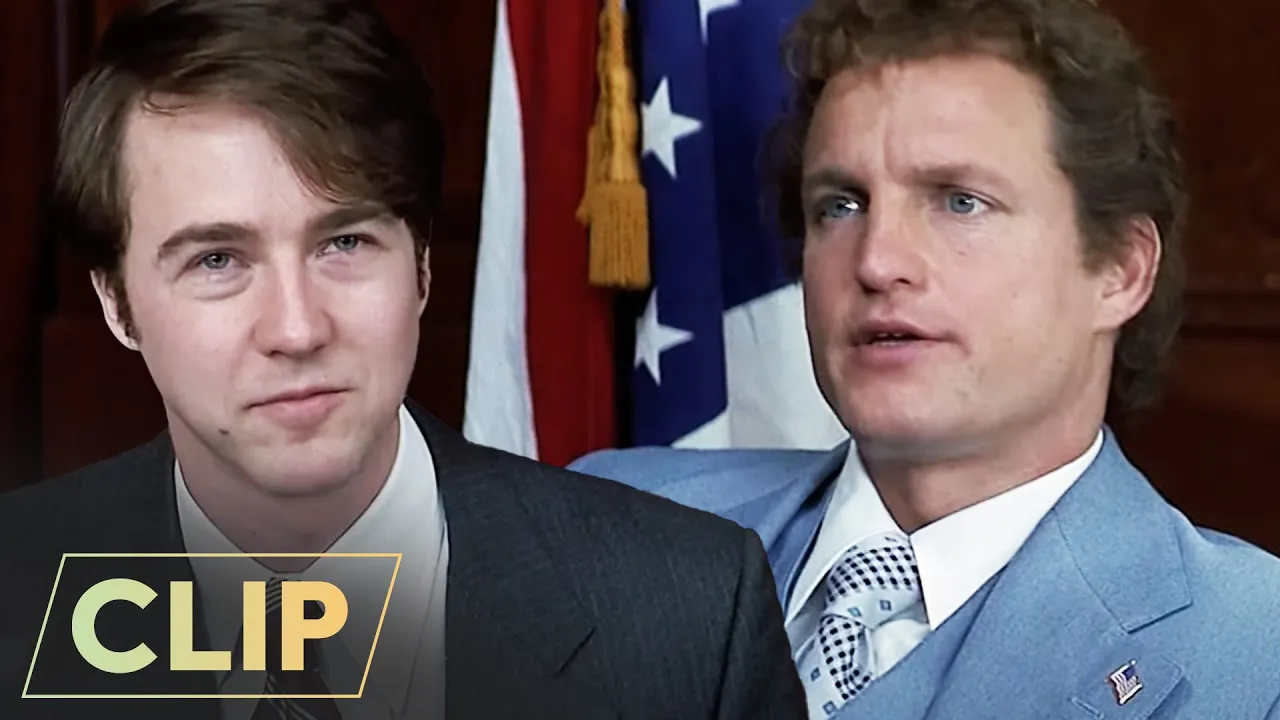
7:36
Film Analysis
Sentenced to 25 Years | The People vs. Larry Flynt (1996) | Woody Harrelson, Courtney Love
TheFilmScene
21K views•2025-04-09
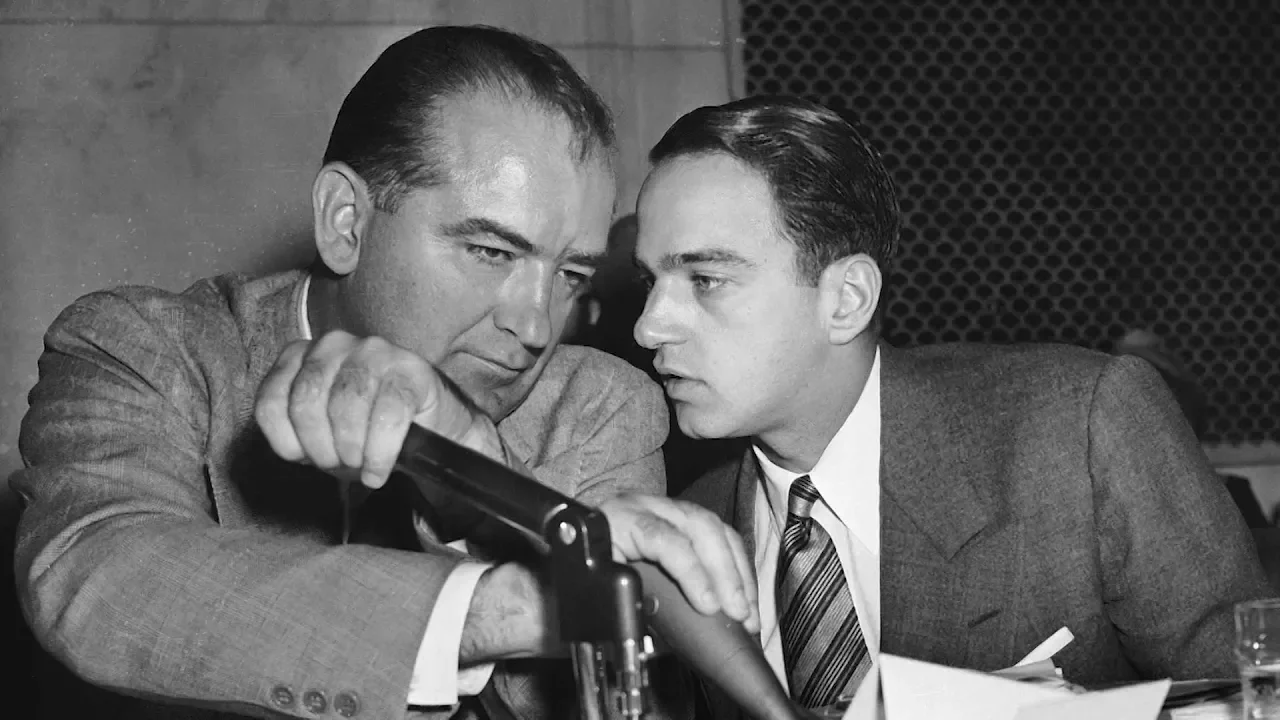
34:49
Film Analysis
“Where’s My Roy Cohn?”: Film Explores How Joseph McCarthy’s Ex-Aide Mentored Trump & Roger Stone
DemocracyNow
279K views•2019-01-28

6:02
Film Analysis
RiverRun Film Festival: "El lugar sin limites" Introduction Part 1
DWilt55
551 views•2010-05-14
14:49
Film Analysis
The Small World of Sammy Lee: The striptease and sleaze of Ken Hughes's crime film
britishfilminstitute
7K views•2016-10-14
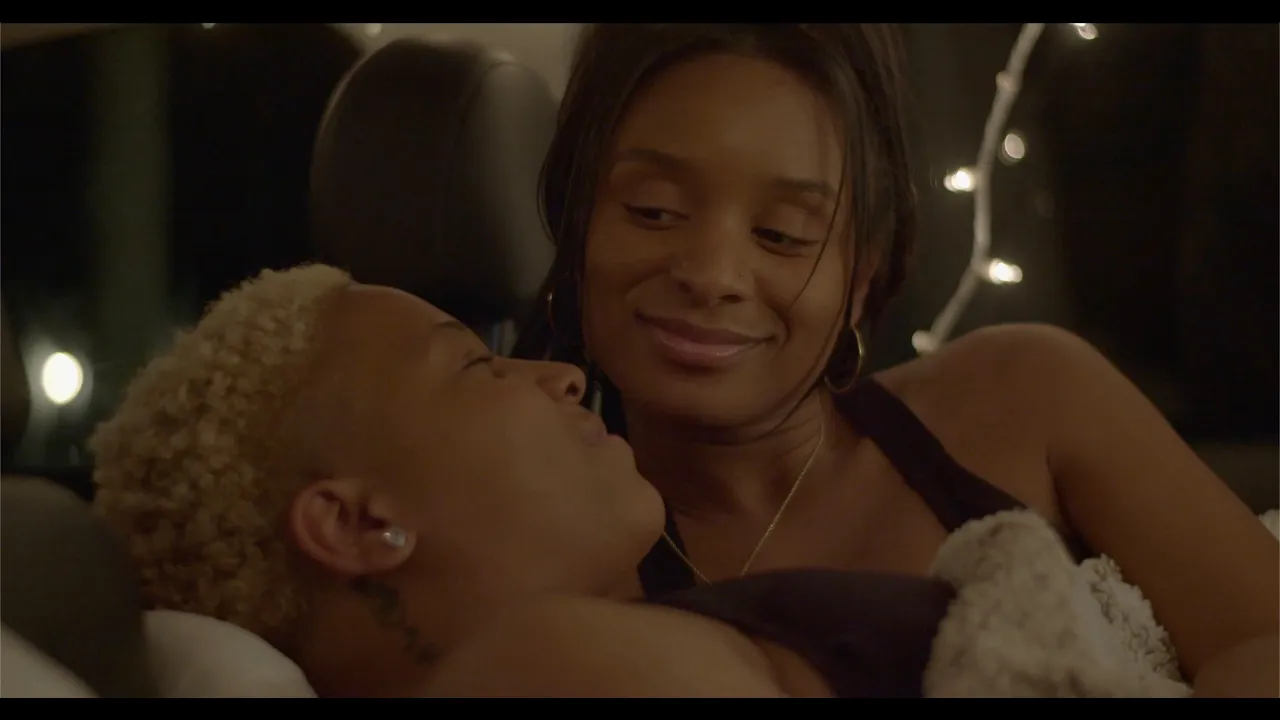
33:33
Film Analysis
THAT NIGHT (OFFICIAL MOVIE) | LGBT TV
FreshieProductions
61K views•2025-11-10
4:25
Film Analysis
ROBIN HOOD: MEN IN TIGHTS Clip - "Rabbi" (1993) Mel Brooks
JoBloMovieClips
635K views•2023-07-17
4:10
Film Analysis
And Life Goes On (1992) Iran New Wave
THEDONTTELLSHOW
2K views•2024-11-06
7:56
Film Analysis
"Donald Duck and The Gorilla"(1944) and "The Gorilla"(1927)
ParkNarcz
11K views•2024-10-19
Trending

13:38
Law
WOW! Judge TURNS THE TABLES on Trump in His OWN $10B LAWSUIT!!!
MeidasTouch
197K views•2026-07-23

13:25
Business
Playstation NO DISC/NO BUY Fight Is Over...
DavidJaffeGames
4K views•2026-07-23

22:40
Business
Steam and Xbox Just Dropped The Hammer On PlayStation
OhNoItsAlexx
9K views•2026-07-23

16:52
Anthropology
Americans Confused in Australia for 17 Minutes Straight
IWrocker
17K views•2026-07-23