A textbook-perfect distillation of neuromuscular signal processing that bridges the gap between raw physiology and quantitative biomechanics. It is an essential, no-nonsense primer for anyone looking to master the fundamentals of muscle force and fatigue analysis.
Install our extension to search inside any video instantly.
Introduction to EMG Part 3Added:
in this third part of our e of our EMG module I'm going to provide uh start with an overview of the physiological signals involved in the construction of an EMG signal and then we'll uh conduct a basic review of how we can quantify and actually put some numbers to the EMG signal as a reflection of what's happening with the muscle in question and so what we see here on this uh on this uh graph here here what we see are action potentials recorded from the surface or the indwelling electrodes so in this particular case we're looking at a dual a double electrode configuration over the biceps Brach muscle while a person is performing a contraction and we know that in order to perform that contraction that person's central nervous system has to activate a motor unit and so in this particular example here we have one particular motor unit that will produce a uh an electrical signal from the activated muscle fibers uh that will have this type of shape notice that if you recall the Action Potential from a single cell in a previous course it does not have this shape but this is the resulting shape from a dual electrode recording so here we see a motor unit it discharges an action potential then another one then another one and then you'll see each of the action potentials generated from the activation of this one motor unit will have the same basic shape every time but what we see here as the contraction continues we see that the frequency of activation starts to increase so this motor unit it starts activating at this particular rate and because these action potential are appearing closer in time the frequency of activation starts to increase now what we see here is the activation of another motor unit simultaneously with this motor unit but this motor unit here because it's inating different muscle fibers that have slightly different characteristics in the membranes will generate an action potential that has a very similar shape but there are some unique uh differences with it with respect to the wavelength of this action potential so here we see with these motor unit or with these muscle fibers slightly longer action potential that's recorded uh it's not discharging at the same rate but we also see that because they appear closer in time that the activation of this motor unit uh starts to increase in terms of its frequency here we have a third motor unit which seems to again have a very uh oddly shaped uh type of action potential and part of this might be a result of where these Action potentials are being recorded with respect to the surface electrodes so in this case they appear to be inverted uh but nevertheless when we examine the overall EMG activity uh all these will eventually add up um but we see this motor unit it doesn't seem to change very much in terms of how many times it discharges over for the same period of time the fourth motor unit here we see a very faster a much faster uh discharge of the action potential but then it discharges almost right away and again and again and again but now we start to see them spread out a little bit so we would say with this fourth motor unit the action potentials are starting to decrease in terms of its frequency and this is going to be something important when it comes to using the EMG to examine muscle fatigue as we'll see in part four of this uh of this module we have a fifth motar unit and a sixth motar unit and when it comes to constructing the overall signal so if you record an EMG signal using this configuration this at the very bottom is what the computer will produce and this signal here is the mathematical algebraic or arithmetic rather the arithmetic summation uh vertically of all of these uh action potentials in time so here we see a very clear with the first motor unit we see a very clear distinctive uh set of action potentials but when you start to add up all the action potentials uh in time across all of the activated mortar units it gives off a very uh uh asymmetrical uh complex looking type of waveform that we know to be the EMG so as we move vertically uh the addition of more motor unit Action potentials is reflective of the physiological process called motor unit recruitment so motor unit recruitment refers to the addition the additional activation of new motor units that have not been previously activated which will contribute to an increase en Force output but will also contribute to an increase in the overall EMG activity as we move horizontally what we see here so in time so horizontally we're moving in time uh that is referred to as rate coding and rate coding refers to a change in frequency of the activated motor units during a contraction so so with the first motor unit uh we see an increase in the activation frequency of motor unit 1 with motor unit 4 we see as time progresses an actual decrease in the frequency how many times it's generating an action potential in the same period of time so once we produce the overall EMG and record the EMG signal uh to begin to use it to examine things such as the magnitude of a muscle contraction whether a muscle is activated more than another muscle so on and so forth we have to start quantifying that signal and the simplest most common step that's used is something called fullwave rectification and so on the left hand side here you see a typical what's called a raw EMG signal and we have a deflection we have a bunch of uh a number of positive uh values we have an number of negative values and full wave rectification is a mathematical process where every single collected data point is converted to its absolute value because if we add up all the positives all the negatives on the raw EMG signal it will sum to zero suggesting that there's no EMG but we know that that's actually not true so mathematically what we do by converting to the absolute value all the data points will not equal zero the raw signal the positives will balance out the negatives and will give an overall value of zero uh which is which will not allow us to the process of quantifying the EMG signal so here we see a raw signal full wave rectification we're moving from this signal to the signal to the right which transforms our raw signal to the rectified signal which now every single collected data point appears as a positive value all the positive values remain as positive values all the negative values will then essentially be flipped onto the positive side of this graph now that we have all these positive only values we can now perform various mathematical um uh uh techniques uh fairly straightforward mathematical steps to put a number to the uh to this recorded signal before we get to that number another common process that's used to bring some relevancy to the EMG signal is called normalization and normalization is where we take that fullwave rectified signal and we convert the data to some standard and that standard allows us to compare between different muscles and different people each muscle in one person will generate a rather unique EMG signal but by comparing the raw signal or the fullwave rectified signal from one muscle to another muscle is T amount to comparing apples to oranges uh so that won't work but if we can take the signal and if we can divide it by a standard contraction a very common standard contraction is something called the MVC the maximal voluntary contraction so a person would be asked to contract their muscle as hard as they possibly can against external resistance and the recorded EMG signal is considered to be 100% And then we would ask that person to perform some functional task or a less than maximal contraction and those data are converted to a value that is a percent of their maximum voluntary contraction so as we see on this figure we have time the label here isn't indicated but we have time along the x-axis and we have a percent MVC so this could be a person lifting weights in the weight room of a particular muscle and we see that at some point that muscle is generating an EMG signal at at a single instant that's equivalent that's equal to 100% of that muscle's maximal activation capability but throughout the entirety of this contraction what we see here is that the muscle is recruited to varying levels of its maximal capability uh but still cons but still activated to a um fairly uh intense level of activation between 50 and 75% so that's just a subjective uh conclusion here just by eyeballing this but as we can as you might suspect eyeballing it will give varying varyingly different results between people so we need to have some sort of technique so that we can be much more objective in quantifying what's happening with the EMG signal so there are three main uh very commonly used measurement variables the peak the average and the integral which I'll explain here on this slide so the units for the EMG is the the unit is the molt uh and of course time is always going to be along our X AIS and so what we have here is just a sample tracing of a fullwave rectified signal so all the negative values were flipped onto the positive values and we have something that looks something uh like this now this signal has all these Peaks and valleys and all these Jagged edges and it makes it a little bit of a challenge to uh understand and where exactly we should take measurements from so one common uh approach roach is to produce what's called a sometimes referred to as a linear envelope which is a mathematical process which just averages a series of points and replots them and so it produces a much smoother signal so this smoothing approach will now allow us to get away from these uh very sharp Peaks and valleys and gives us an opportunity to make a little bit more of a definitive uh uh uh indication of the level of activation of a particular muscle uh one approach is to take the peak amplitude and so when we talk about amplitude that's the deviation along the Y AIS it's essentially how much how high the activity is and so one way is to take the very highest value uh another approach that is commonly used is to take what's called an average amplitude so on the red line here the process smooth signal each data point is added up divided by all the data points uh the number of data points that were uh added up and it yields an average value another very common approach is to take the area under the rectified signal or the area under the smooth signal uh and that is referred to is the I EMG or the integrated EMG so taking the area under this curve although this is beyond our the scope of our discussion here that is the mathematical uh definite integral of this tracing here um so uh I want to uh touch on one more mathematical or processing approach and that's frequency domain analysis and so we'll talk a little bit about the time domain here so whenever we talk about domain domain always refers refers to what is on the xaxis and so if we are examining the EMG signal in the time domain time is going to be along our xaxis and what we are evaluating is the amplitude of that signal uh over time and so our units here our volts uh here we see a raw signal um and as we progress forward in time uh it we can use the techniques that were discussing on the previous slide if we have an EMG signal expressed in What's called the frequency domain frequency will be uh expressed along the x axis and so the amplitude of the signal will be plotted as a function of the inherent frequency of the signal so if you refer back to the first slide of this uh of this recording you'll see that each motor unit uh will generate muscle fiber Action potentials with very unique frequencies uh to those Action potentials so if we take an expression of the inherent frequencies and plot them it will generate this type of very characteristic shape a very posit a positively skewed distribution and this mathematical process is called fft or a fast furiate transformation and this is a mathematical process where a complex signal is decomposed into its constituent signals that make up this raw signal and expresses those signals based upon their individual frequencies uh and so there being uh a a positively skewed distribution uh we use basic statistics measures of central tendency to provide us with an indication of what this frequency profile will look like uh one uh uh the first one is called the mode the most commonly occurring uh uh amplitude or the frequency at which the most common amplitude uh exists is very uh rarely used in frequency domain EMG analysis uh the most common and most uh uh valid approach is What's called the median frequency so the median is also referred to as the center frequency and it's defined as the frequency along the x axis that divides the entire area under this curve in half and it's the most commonly used one uh another commonly used but to a lesser extent is the mean frequency the average frequency which is skewed towards the tail here um because the mean is influenc Ed by uh these high frequency outliers it will tend to skew in that direction the median frequency uh or the median statistic is insensitive to outliers which is why the characteristic uh frequency distribution of an EMG signal uh is conducive for using the median statistic rather than the mean statistic and just as a reminder uh the positively skewed nature of the frequency profile of a raw signal is inherent to the EMG signal this is a very consistent pattern that appears in surface EMG signals um and so this is where we're going to end part three of our video we'll start part four of our EMG module by beginning a discussion with the knee extensor muscle group and this is the muscle group that we will use to illustrate a number of different examples in research studies
Related Videos

What Actually Makes You Grow
naturalway-w8e
3K views•2026-05-29
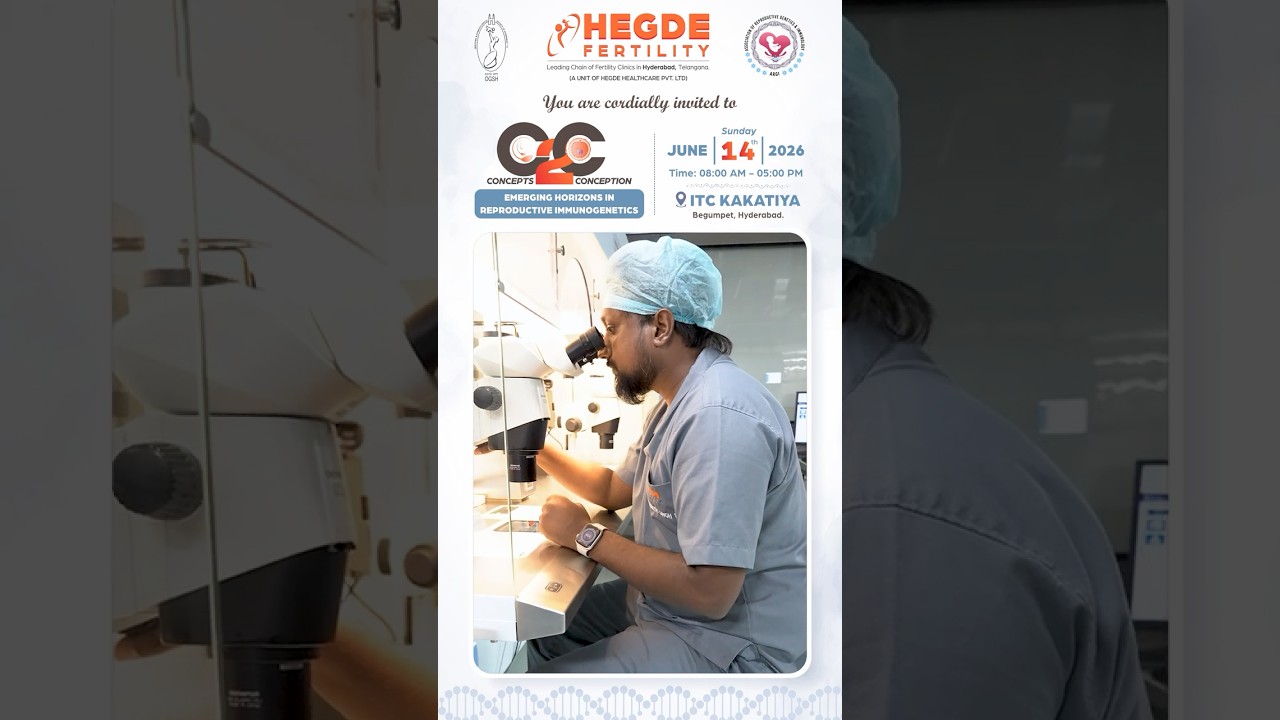
C2C | Concepts 2 Conception #Conference 2026 | Fertility Conference #C2C #Event #ReproductiveHealth
Hegdefertility
891 views•2026-05-28

KPV Peptide Benefits
ReganArchibald
168 views•2026-05-29

A Paper Mill Dumped Wood Fiber on Her Farm for Years...She Used It to Grow 800-Pound Pumpkins
FarmlandChronicles
436 views•2026-06-02

The Prague Chimera – What We Know So Far and Our Experiments
themulberries
619 views•2026-05-28

Every Genetic Gift You May Have Explained
ChefCalebYT
211 views•2026-05-31

Mechanical Characterization and Modelling of Tissues (Intro Video)
npteliitd
109 views•2026-06-02

Skipping Breakfast Everyday is Not Smart Anymore, and the Reason will Surprize You
Sciencebasedlife-o8k
119 views•2026-05-30



