This video delivers mechanical efficiency that cuts through academic noise to focus on the core logic of sentence structure. It’s a refreshingly pragmatic approach for anyone who values clear results over abstract linguistic theory.
Install our extension to search inside any video instantly.
Download Vashista 360 App and Join in Express English 21 Days Spoken English CourseAdded:
For example, we are planning to buy a new car. This means that we are planning to buy a new car.
And I am not planning to buy a new car. We use no or not to say that we are not planning to buy a new car. Here we all know that anywhere, not not means that a sentence should be changed to a negative sentence.
That is, it is enough to put not not next to the helping verb. Let's see what we mean by " We are not planning to buy a new car". We are saying that we are not planning to buy a new car. I have doubts again. R is planning to buy a new car. If you want to ask again as a question, such as whether we are planning to buy a new car, just bring R forward. Leaving aside the arva, the rest of the sentence should be written like this. arva arva planning to buy arva planning to buy a new car This is a question, so if you put a question mark at the end, you can ask whether we are planning to buy a new car. To change the question to a negative interrogative sentence, we can say that we are planning to buy a new car or planning to buy a new car or if we bring it forward, how do we write this? Look at what this means. We can write arva not arva not plan t arva not planning to buy a new car or we can write it in another way: arvantvi arvantvi planning to art v planning to buy a new car We are planning to buy a new car or since this is a question, we can put a question mark at the end. It's enough to mark it.
So if we take a sentence like this, it is a positive sentence, meaning we are planning to buy, meaning we are not planning to buy, meaning we are planning to buy, meaning we are planning to buy, it is a positive interrogative sentence, and if we ask whether we are planning to buy or not, it is a negative interrogative sentence. This is how we should practice. If we take a sentence, we have to practice it in four ways: from positive to negative, interrogative to negative interrogative.
Related Videos

Trump’s Reflecting LAKE update
concussiontalks_slp
15K views•2026-05-28

WIL in Afrikaans is not WILL in English? | Ek leer Afrikaans | Part 6
afrikaanswithannelize
229 views•2026-05-28

How Brits Say British Pronunciation
MrBranicus
1K views•2026-05-30

🎵 A to Z Kids Song | Cute ABC Animation for Children
ABC_Little_Heros
10K views•2026-05-30

basque influence uniquely different spanish
Davantsi
761 views•2026-05-31

10 German Grammar Rules That Unlock the German Language | A1-B1 | Learn German
LearnGermanOriginal
357 views•2026-05-29

How To Express Disappointment In English #english #speakenglish #languagelearning #airlearn #viral
english_w_remi
6K views•2026-05-29
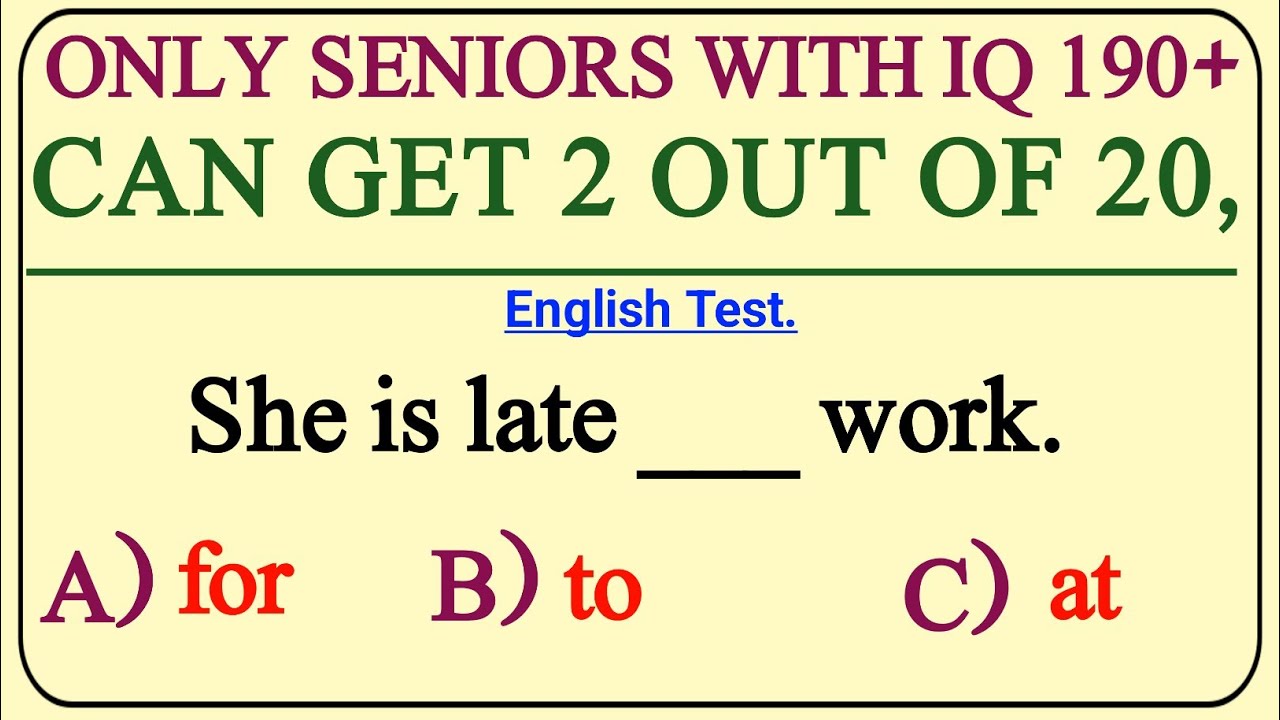
ONLY SENIORS WITH IQ 190+ CAN GET 2 OUT OF 20, | English grammar skills
EforEnglish161
582 views•2026-05-29



