Millipedes are ancient detritivores that have existed for over 400 million years, playing a crucial role in garden ecosystems by consuming fallen organic matter and creating tiny pathways that allow air and water to penetrate soil, thereby maintaining soil structure and plant health; their removal through pesticides disrupts this natural balance, leading to soil compaction and plant weakening over time.
Install our extension to search inside any video instantly.
Never Kill the Millipede — Here's What It's Really Doing in Your Garden
Added:Most people see this creature and their first instinct is to destroy it. A shoe lickers, a broom lure, a quiet, quick decision. And that reaction is understandable. It looks unfamiliar. It moves in a way that feels unsettling and no one ever taught you what it truly is.
But before you kill the next one you see pause a little longer because what this small creature is doing beneath your feet, no chemicals, no fertilizers, no tool can ever replace. And once you understand it, you may never look at it the same way again. Part two, the MYRIAPOD. This creature has existed for more than 400 million years. Let that settle. Long before dinosaurs, long before trees, long before most life as we know it, it was already here. And through all that time, nature never removed it because nature does not keep what it does not need. It refines it, it simplifies, it removes the unnecessary.
And yet the millipede remained. It adapted quietly, patiently, spreading across forests, across continents, into the soil of your own garden.
So the question becomes, why?
Why would something so easily ignored be allowed to exist for so long? The answer is hidden just below the surface.
Part three, the revelation. The millipede belongs to a group known as detritivores. A simple idea with quiet importance. They consume what has fallen, what has ended, what is no longer alive. Leaves, wood, plant matter returning to the earth. A millipede breaks it apart slowly, gently, and gives it back to the soil what remains.
What becomes nourishment. Rich, dark, living soil, the kind gardeners try to create with effort and expense. But here, it happens naturally. Every night without sound, without attention. Then as it moves the millipede, leaves behind something else, tiny pathways, almost invisible.
These pathways allow airs and waters to travel deeper down to where roots are waiting. This is how soil breathes.
Without it, the ground hardens. When it tightens, it resists. And slowly plants begin to struggle from below. But the millipede prevents this without being seen, without being thanked. Not a pest or but a caretaker. Part four, the warning. And this is where the story becomes fragile. Because when we act without understanding, we break something we cannot easily restore. When pesticide is used, even with good intention, the millipede is lost as well. And its absence is not immediate.
It is quiet, subtle. At first nothing seems different. But over time, leaves remain unchanged. The soil becomes dense. Heavy water lingers on the surface instead of sinking in. Plants begin to weaken, not suddenly but slowly. And the cause remains hidden because it is no longer visible. The balance once maintained below has been disturbed. And no product, no matter how advanced, can truly replace it. Part five, the recognition. And yet there is still a way forward. Because the millipede asks for very little. It does not seek you. It does not harm you. It simply continues its quiet work. All it needs is a place to exist. A little moisture, a little shade, and what nature already provides. Fallen leaves, pieces of wood, the remains of what once was. If you leave these things behind, just a small corner, life will return.
And with it, the slow rebuilding of your soil. This is how nature works. Not through forces, but through balance. And those who learn to see it begin to work with it instead of against it. Part six, closing. If today something small has changed, if one creature now feels a little less unfamiliar, then this moment mattered. Because understanding is often the beginning of care.
And in the quiet spaces around you, there are still many stories waiting, and we will find them together.
Related Videos
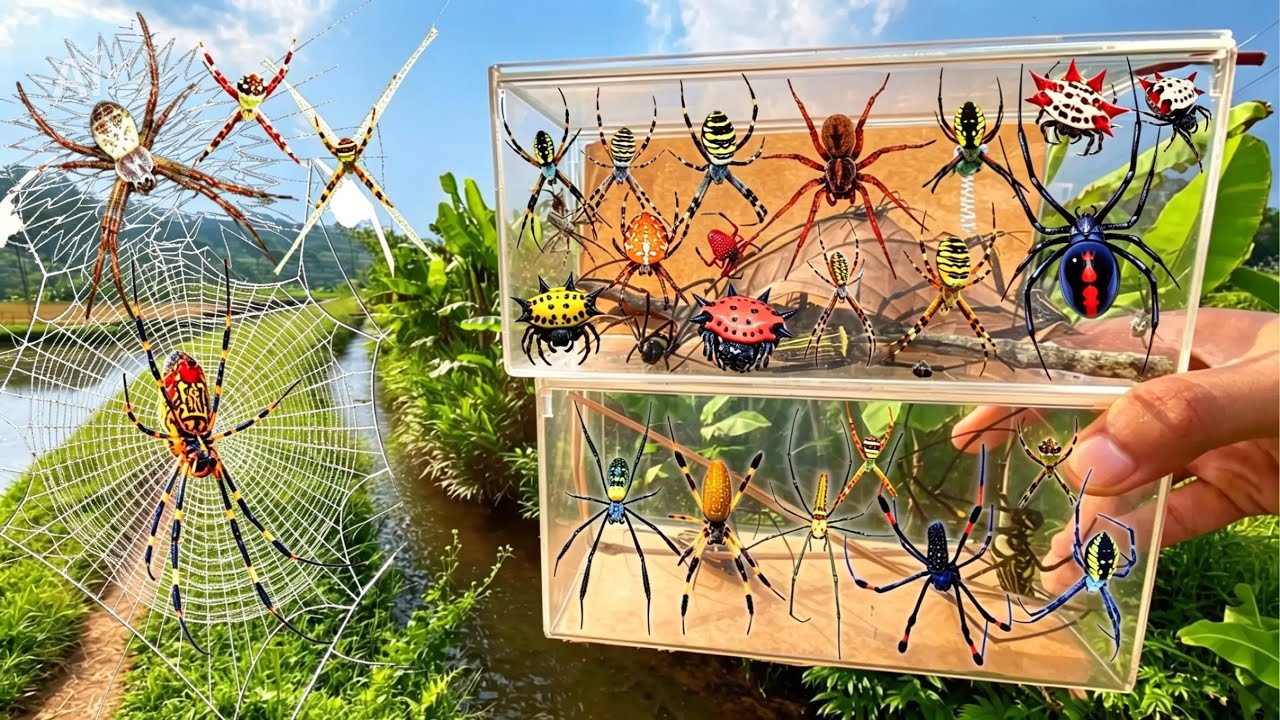
I Found 7 Golden Orb Spider In The River !! Spiny Spider, Weaver orb Spider
insect_geography
1K views•2026-06-16

Your nose is more than a breathing tube...
HealthInSeconds_1
2K views•2026-06-16
Why do marmots always look so dramatic
CodeFauna
3K views•2026-06-16

Your Axolotl Is a Salamander That Never Grew Up
dailywildreports
661 views•2026-06-17

King Vulture: The Colorful King of the Rainforest Skies!
NatureChirps-05
185 views•2026-06-18
The Biggest Lies In The Animal Kingdom!
InfiniteFactssofficial
1144K views•2026-06-15

Meet the "Wolverine Frog": It Weaponizes Its Own Skeleton!
FactNuke-everyday
309 views•2026-06-18
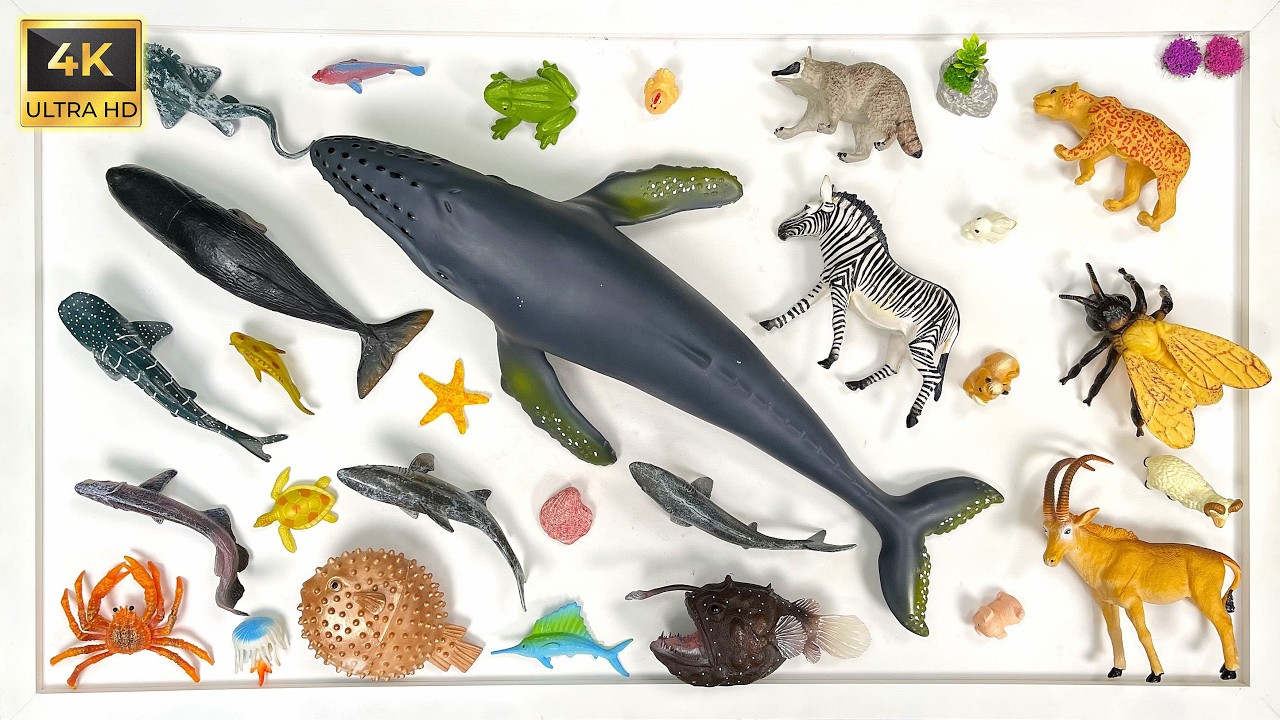
Humpback Whale, Whale Shark, Great White Shark and Mako Shark Giant Ocean Adventure for Kids
EvieWildTales
5K views•2026-06-18



