This system effectively replaces aimless scale-running with intentional voice leading, grounding melodic improvisation in the actual harmonic structure. It provides a clear, actionable framework for guitarists to move beyond patterns and start playing through the changes.
Installieren Sie unsere Erweiterung an, um sofort in jedem Video zu suchen
Use This Chord Tone System for More Melodic SolosHinzugefügt:
You already feel [music] like you know enough scales to solo, but your solos just don't sound connected to the chords, then stop. This lesson is 100% for you. In the next [music] few minutes, I'm going to show you a simple way to connect arpeggios and pentatonics that you already know [music] so that your solos actually follow the chord changes instead of just sounding like random scale patterns. And make sure you stick around till the end because the little pentatonic trick I'm going to show you is what really makes [music] this sound smooth, melodic, and musical instead of just sounding like a boring exercise. So, here's the big problem.
Most players learn their scales first.
So, when the chords change, they just keep running the scale the same way. You probably do that, too. That's why solos end up sounding very disconnected. The goal is not to abandon scales or pentatonics. The goal is to connect those to the chord changes. One of the best ways we can do this is through arpeggios. So, what we're going to do is talk about the full arpeggios of each scale, which is basically outlining triads as well. So, let's take a look at this chord progression. We've got a C major.
>> [music] >> We've got an A minor.
We've got a D minor.
>> [music] >> And we've got a G, which we can either play here or up here. But, here's the deal. We're going to kind of relate this to caged in a way that shows us how closely related each chord [music] is. So, we're looking for the closest arpeggio of each [music] of these. Well, the only way we can do that is to find the closest chord.
We've got C major.
We've got an A minor, but we don't want to go all the way down there. So, what we're doing is looking for the closest [music] A minor, which is this A minor in kind of a D minor shape.
[music] Right, there's the triad. Right. And then we've got D minor. So, we can do that a couple different ways.
We can come here [music] and can this bar chord of it.
You can play just the triad of it here, or you can play the G minor [music] shape of that out of cage. I'm thinking of the G minor shape right here. Now, you can jump around, of course, when you're playing these, but we want the closest one. So, G, but we don't want to [music] jump. We're trying to keep it all within four frets. So, we've got this shape right here. This is our C [music] shape of G.
All right? Now, if you're looking for a deeper dive on triads and how to solo more melodically, check out my triad magic course. I've got a $50 off coupon link in the description below. Let's get back to the video. Now that we found all the chords, let's break these down into arpeggios. Arpeggios are just simply the notes that make up the chord being played individually. For example, our C major arpeggio would just look like this.
>> [music] >> Just like that. Sounds exactly like the chord, except for I'm playing them as individual notes. Now, let's break down the rest of these.
>> [music] >> And you want to play it up and down.
And then play [music] the chord, make sure you've got it. So, I would say, once you can play it, slide into some notes.
Makes it feel less like an exercise and more like a lick. So, [music] there's your C major arpeggio. And the good news is, anytime you see this E shape of a chord [music] off the sixth string, you can know that shape now. So, we've got A minor right here. So, we're going to try to find the closest A minor [music] arpeggio that we possibly can. So, we've got this.
>> [music] >> And then just literally every note in there is outlined, besides this first little minor third right here. So, it's [music] root, third, fifth.
Root, third, right?
>> [music] >> And you can experiment with where you slide.
>> [music] >> Right? But, look how closely related each of these are. That last note of the C was our last note of the A minor arpeggio when we went up.
So, we know that's [music] a good connection point.
This was in both chords as well, this E.
C was in both chords as well. So, we've got C E and then C here as well. So, we have overlapping notes here, right? Out of this C major, you had Well, that last note of the C is our last note of the A minor arpeggio. It's the last one we can get [music] to in this position. So, All right, so we know that's an overlap.
This E is also an overlap for for both arpeggios.
And then this C is also an overlap for both arpeggios. So, you have to notice how little movement there is between both the C and the A minor arpeggio.
This is the secret most guitar players miss. Good melodic soloing usually comes from the smallest movements. And that's why we shifted our chords to stay within one four-fret span. Now, we'll do the same for the D minor and the G major arpeggio. So, we had our D minor which we're using >> [music] >> this D minor in the G minor shape of cage right here, [music] which is just an odd shape, but it's worth learning. So, when we do this one, our arpeggio would look like this.
>> [music] >> So, make sure if you want the tab that you go ahead and download that. That link is in the description and in the first comment as well. So, that D minor arpeggio is like this. 10 8 >> [music] >> 7 7 barred, and then I use my ring 10 10 10 barred.
>> [music] >> So, make sure you can play that up and down.
Right? And then we've got the G.
The G [music] is in our C shape, right?
So, instead of thinking new chord, giant new shape by going from here to all the way down to this G or all the way up to this G, right? The two most common ones, we want to think of how does this D [music] minor connect to our G? Well, it connects right here. [music] So, that's what we're trying to do. We want to think what's the closest possible chord tone. Not what's the chord that I know the best. You have to be willing to practice to get to the point where you can find the closest chord, therefore closest chord tone, therefore closest scale that fits everything, okay? You have to keep all of that in mind. So, when we're playing this, after the D minor, you've got the G. The D minor went up and then the G.
Right? So, here's our G in the [music] C shape. You can start by just playing the arpeggio from the root. You go root, third, >> [music] >> third, fifth. So, 10 9 7 8 7 [music] 10.
And you want to be able to go up and down that.
>> [music] >> So, the D minor >> [music] >> G and then back to C, >> [music] >> just like that.
The key is really thinking I want to be able to play the arpeggio as a stand-alone arpeggio, and then I want to be able to connect.
>> [music] >> Right? And you have your D minor.
All good voice leading right here. This is training your ear, it's training your fingers to connect chord tones. That is the first assignment. Get the shapes down, and then connect them and practice them with the backing track that's included with that download. So, here's our second thing. This is where it starts to sound musical instead of just sounding like an exercise. So, here's the trick. We're going to take the first part of each arpeggio and then use a couple pentatonic notes to connect ourselves to the next chord. So, the idea is this and you're going to have to come up with a little bit of the lick stuff kind of on your own, but I'm going to give you some I ideas and some inspiration here. So, you're just going to do a few notes of the arpeggio and then a few notes of pentatonic and get to your A minor arpeggio. So, that's your first step.
>> [music] >> And then A minor.
You can even use the same lick in between each [music] for now. D minor, a little bit of arpeggio.
And then G major.
>> [music] >> Something like that, right? So, I'll do that again. So, a few notes of the C major into a lick and then a few notes of the A minor into the lick first. So, >> [music] >> few notes [music] of the D minor and then a few notes of the G.
Right? [music] So, if I put all that together and try to play it in time, maybe something like this. 1 2 3 4.
>> [music] >> Basic idea, right? So, I'm just giving you a little rough draft here of what you could potentially do. I'm just kind of making this up as I go and you're going to kind of have to do the same thing. I'll do it one more time.
>> [music] [music] >> Something like that, all right? That's kind of what you're going for. A few notes of the arpeggio and a few notes of the pentatonic and then landing in time to the next arpeggio as that chord is being played. This is going to really teach you how to connect arpeggios and pentatonics together. Notice, I'm not trying to play a million notes. I'm mostly targeting chord tones and then using pentatonics to glue it all together. This is one of the fastest ways to stop sounding scaly. So, let's listen to the whole thing with a backing track. And remember, you can get this backing track, just click the link in the description below and I'll give you the tabs and the backing track for the whole thing. So, we're just trying to get these all together here. Arpeggio scale connection.
>> [music] [music] [music] [music] [music] >> Most players memorize scale shapes.
Better players learn how to hear chord movement and once you start connecting chord tones with your pentatonics just like this, your solos instantly sound more musical and more intentional. So, if this lesson was helpful for you, you want to check out this next one that's going to be over here right now and that will help you really kind of keep digging into this concept. All right?
Don't stop here. Keep learning. Make sure you get the free PDF and uh yeah, check out this next video.
Ähnliche Videos

HOW to VISUALIZE the FRETBOARD like a PRO/LEGEND
NassorTafari
273 views•2026-05-31
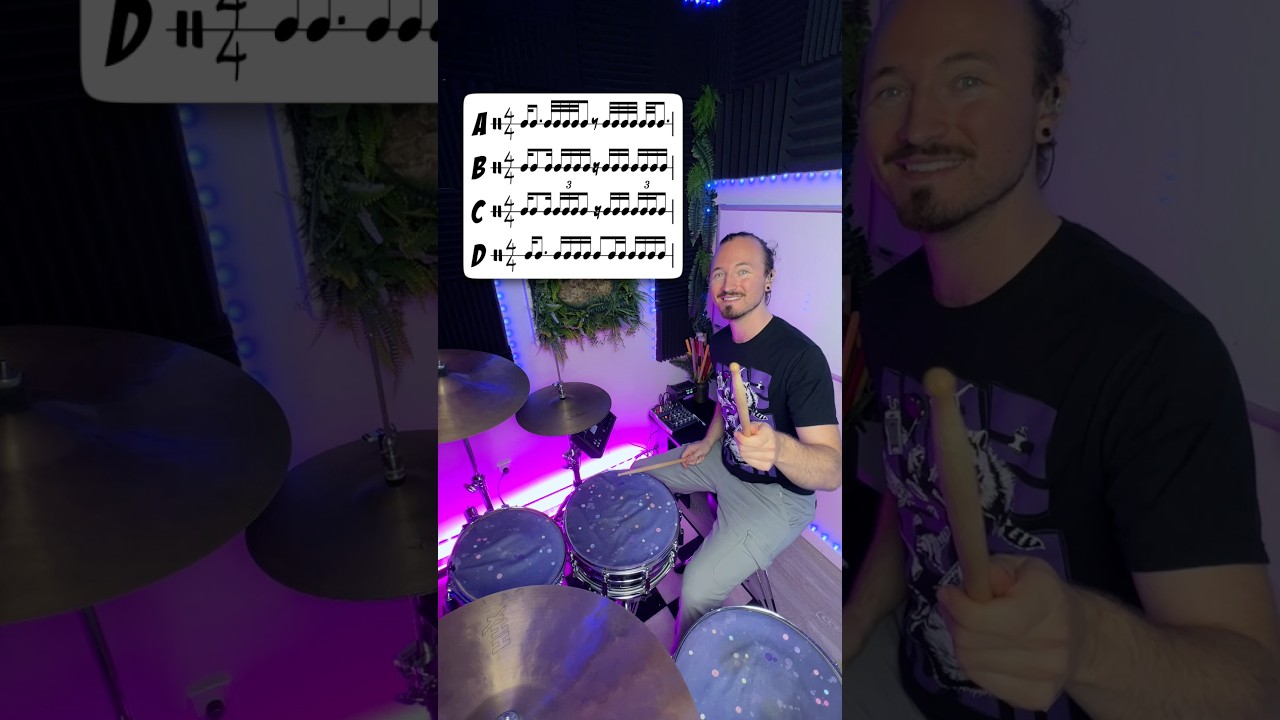
Guess the Rhythm! 🎵💥
sheldondeithdrums
34K views•2026-06-01
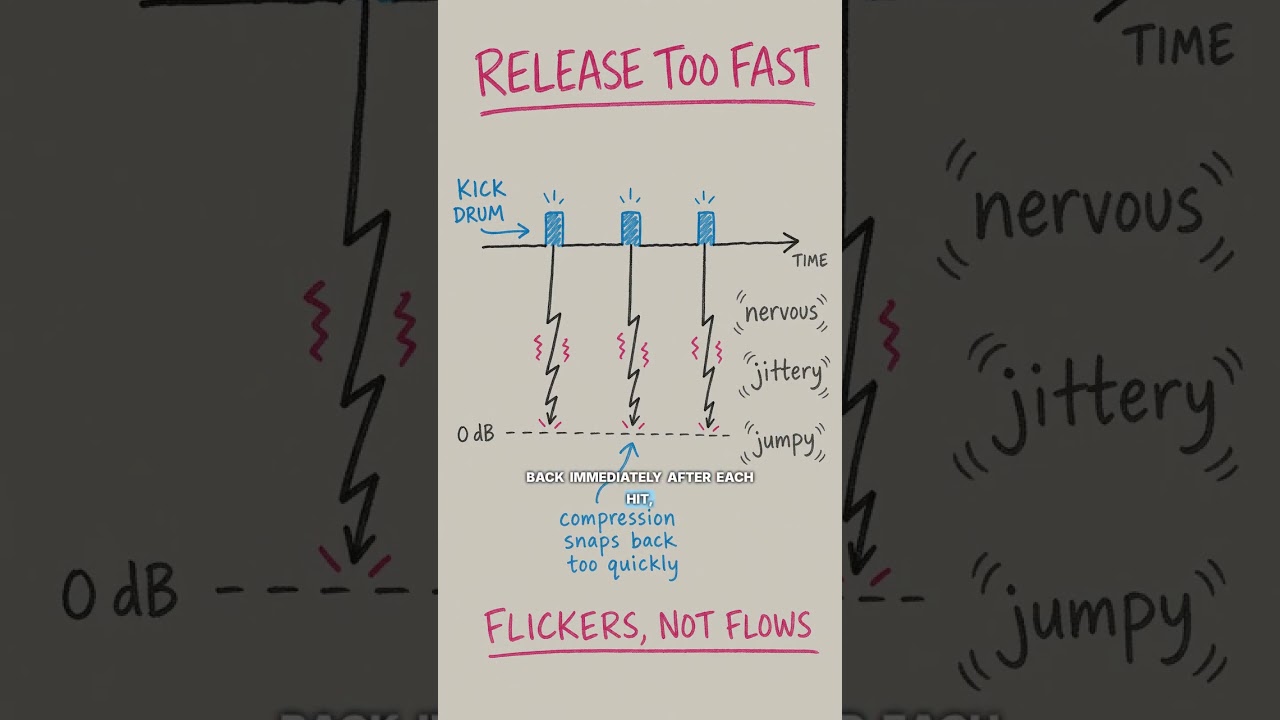
Your Release Time Is a Tempo Decision, Not a Feel Decision #musicproducer #musicproduction #typebeat
abletonppr
995 views•2026-06-01

Music Teacher reacts - Beauty and the Beast - Gabriel Henrique, Jade Salles
jennifersmusicpage
178 views•2026-06-03
Don’t be the fool
ijadamademusic
2K views•2026-05-31

An Evening with the UCSB Middle East Ensemble
ucsantabarbaradepartmentof5290
134 views•2026-05-31

SpaZm - Cake
TheSpaZmMusic
313 views•2026-06-06

REMRUATKIMA - 13 ( Mizo Ngaihnawm ) By Mawitei Bawihtlung
Rp_Huapzau_Channel
9K views•2026-06-02



