In Texas criminal law, a 35-year sentence means the defendant must serve at least 50% (approximately 17-18 years) before becoming eligible for parole, though parole eligibility does not guarantee release; the parole board reviews each request based on the inmate's rehabilitation and behavior during incarceration.
Install our extension to search inside any video instantly.
Karmelo Anthony Sentenced to 35 YearsAdded:
Yesterday, Carmemelllo Anthony was found guilty of murder and he was sentenced to 35 years in prison. That sentence also came down yesterday. And I was very surprised that sentencing came down so quickly because, as I've pointed out in some of the other videos, there are subtle differences and even sweeping big differences between California law and Texas law. And that's, you know, just how it works. But in California, typically after you have, well, always after you have a verdict, then you're going to have sentencing, which is going to be a number of weeks, sometimes months out. So, you definitely would not have uh uh the jury reach verdict and find the person guilty of murder and then get sentenced on the spot. And I'm going to talk about a little more uh differences on that topic. But uh before I get into that, I just want to welcome you back if you've watched some of my videos. Also, thanks so much for the birthday love. I've tried to respond to most of the comments or a lot of the comments, but there were a lot of them.
I really appreciate the overwhelming support. I kind of taken um a break from YouTube to focus on, you know, my actual casework. Um, now I'm trying to strike a bit of a balance and so to get back into the groove and have um over those past couple videos well over 100,000 views.
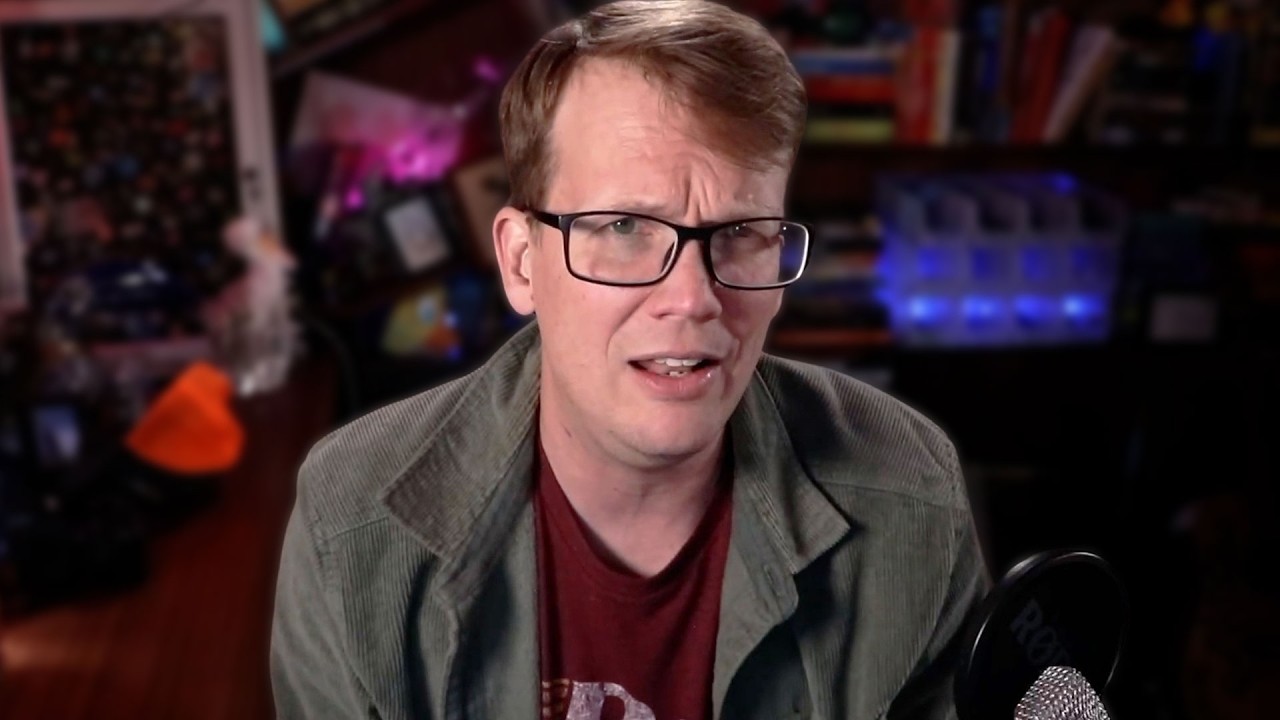
That's really nice of you guys. I appreciate the support and all the complimentary words. Um, my name is Jamal Kersy. If you don't know who I am, I am a criminal defense attorney, been practicing law for over 17 years. On this channel, we're breaking down legal concepts so you're in the know. All right, so we're talking about this Carmela Anthony trial. They reached a verdict yesterday. And just as a brief recap of the facts, if you weren't aware, this was a stabbing, which the jury ultimately found to be murder. This took place at a track meet. Carmemella Anthony was a student at Centennial High School. Austin Metaf was a student at Memorial High School. Austin Metaf was under the Memorial High School tent.
Carmel Anthony made his way into that tent. He had exchanged words, pleasantries if you will, with a guy named Eddie who went to memorial as well. Then at some point, um, you know, he was just kind of sticking around.
They asked him to leave. He refused to leave. He was unresponsive. That then escalated to, you know, more aggressive back and forth. Um, Carmelo had told him, you know, touch me and see what happens. Apparently Austin ended up touching him and then ended up shoving him and at that point almost in an instant uh Carmel Anthony pulled out a knife which you know had the blade already out and stabbed Austin Metaf in the chest. Austin Metaf died at the scene and again these were two individuals who did not know each other.
This was a tragic incident that really um ideally could have been avoided by so many different decisions that could have been made on that day. But nonetheless, there was a self-defense position that was put u before the jury um in cross-examination um and presumably during closing arguments. But the issue was that you had an unarmed victim and you had Carmelo Anthony as the defendant in this case who was armed. He had a knife on him and uh the prosecution basically made the argument that hey you cannot as what they considered him to be the initial aggressor basically bait somebody or provoke somebody into attacking you and then use that as a basis to respond with self-defense. And then there was a uh proportionality argument and the prosecution said and quote, "You don't get to meet a shove with a stab." And so that is um you know that that's what the law is essentially says. And that was very problematic for the defense in that they simply could not establish that lethal the the use of legal force, excuse me, the use of lethal force would be justified given the facts and circumstances. And so one of the issues that came up and was very prominent in this case had to do with race. And um it's undeniable that there was going to be some racial issue in this case. I mean, we had a young black boy, a young white boy um the young black boy stabbing the young white boy to death in the south. So in Texas, in the United States, um you know, the the history, right, um of racial relations in the United States and even present day is uh is very tense. And as it relates to the legal system, it is just undeniable. It is a fact that the justice system has not been historically favorable to blacks. the justice system has been in fact unfavorable and unfair to blacks and I'm not going to debate that with anybody whether in conversation or in the comment se section if you can't accept that as a fact then you know I we have no business talking that is the reality but when it came to this case right we can have a history that we have in terms of racism in the United States um individually and systemic, right? Um, and when it came to uh the idea of whether Carmemelllo Anthony could get a fair trial as a young black boy who uh killed a young white boy, that was a fair concern, right? This took place in Colin County, Texas, which, you know, I'm not familiar with Texas. Um, and it's, you know, counties, but I've read that Colin County is a very upper class, um, you know, community. It's, uh, a very conservative community. Um, it's majority white community. And so there certainly would be concerns as to whether um a young black boy uh who's accused of murdering a white boy, whether they could get a fair trial.
But, you know, I I I really believe that based on the facts of the case that they ultimately got it right. And there was the issue of uh three prospective black jurors being uh removed from the panel.
And to kind of give you some insight on how that works, basically jury selection is a process where you're trying to ultimately get 12 people who are committed to being fair and impartial and they're going to listen to the evidence. They're not going to be overly swayed by emotion. They're not going to be overly swayed by their personal history. they are going to put us in the best possible position for both sides to get a fair trial because it's not just about, you know, the accused or the defendant, the the prosecution, they want a fair trial as well, right? So, if you have uh let's just say I like to illustrate points in exaggerations. If you had a jury of 12 people who were like, "F the cops, you know, there's no such thing as an honest cop. They're all pigs. They all desire to die and and all of that." you know, the the the the district attorney is going to have concern as to whether they would be able to have a fair trial when you have a jury full of 12 people who distrust and don't like the cops, right?
And the other side would be true as well. And that's an exaggerated example, but sometimes you may have a prospective juror, say in a domestic violence case, right? So the accused is being accused of, you know, strangling his wife, right? And if a prospective juror is a middle-ag middle-aged woman who recently got out of a relationship in which she was abused by her husband, um, in fact, choked by her husband consistently, she might have a very difficult time being fair and impartial in a domestic violence trial. Now that doesn't mean that she could not be fair and impartial, but a lot of times when people have such a history, they will say, "Hey, listen. This is something that I've been through and I think that this is going to be triggering for me and so I don't believe I can be fair and impartial." And on the other side, I mean, you could have, let's say, in an in a robbery case, right? Uh where a person's dad was uh robbed at gunpoint.
You know, the a prospective juror's dad was robbed at gunpoint. and you may have a robbery case where your client is accused of robbing someone, that might raise a concern. But if they're like, "Hey, no, that was like 30 years ago. My dad, you know, he was okay. Um, it was traumatic in the moment. I do believe I can be fair and impartial." Then that person could potentially be a very good juror for you. So, if a person demonstrates that they simply cannot be fair and impartial, then that person should be removed what's called for cause, right? So you you know that the explanation is that that person simply can't be fair and impartial.
Once you get past all the people that should be removed for cause, then you have what are called peremptory challenges. And permpary challenges, you don't have to give any reasoning for why you're removing that prospective juror.
And so the defense and the prosecution, they both get, you know, a number of perempary challenges where they're able to excuse somebody as um you know, from being a prospective juror based on their permpter challenges. And that's all well and good until it becomes a situation where it appears that the prosecution is removing um people of color from the jury. as you know and their sole reasoning for doing so is because they're people of color, right? And so there's a case um it's called Batson and it addresses that issue which you know basically indicates that you have to have a separate reason other than hey I'm I'm kicking this juror because they're black, right? So, you have to have a separate reason you can point to. Otherwise, if the defense raises this as an issue, the judge is going to inquire as to what the real reasoning was um or what the reasoning was behind the prosecution wanting to kick this potential juror. And then when they give the reasoning, if it doesn't hold water, then that can be um an issue. And so, um, that's going to be something that, uh, you know, people are concerned about in terms of this particular jury, but apparently the prosecution had their reasons for why they had these black jurors removed.
And, um, you know, again, the the the racial aspect and undertones, overtones in this case um, you know, became problematic. I read that there were what are called swatting calls made to you know the metaf home and this is where you uh you know call law enforcement and inform them of you know an urgent situation and then they end up sending the SWAT team to someone's house and you know it's obviously aggressive and it's traumatizing and and it's just over the top when you've already lost a son referring to the metafs and that's just you know unfair it's inappropriate. It's just not right. Apparently, you know, white supremacist groups speaking out and rallying and doing ever whatever they do. I read that Austin Metaf's father had done, you know, taken steps to kind of disassociate himself and his family from all that activity. And they're like, "Hey, man, we lost a son.
This is about us losing our son. Um, we just don't want to buy into that stuff."
And I I think that, you know, that's commendable on his part. Um, on the other side, you had uh people uh rallying behind Carmelo Anthony, talking about justice for Carmelo and things like that. And and to me, I just I think that um kind of missed the mark because I don't see how he was really unfairly treated in this case. Uh again, um the live streaming was closed off in this trial. no cameras. So, you know, we didn't get to hear live testimony. We're only going off of what's been reported to us by the media who was present during the trial. And I just haven't seen anything or heard anything that would suggest that he did not get a fair trial or um the racial makeup of the jury um you know, was a a huge factor in this case. you know, the reality is he just, you know, did what he was alleged to have done and the jury ultimately found that it was murder. And so going into um what happened at this uh punishment phase, and this is where uh things very much differ because here or or in Texas, you apparently can elect to have the jury decide what the sentence is going to be, whereas in California, that's left to the judge, right? So, in Texas, you have the option. You can say, "Okay, I'll have the judge, uh, issue the sentence," or you can have the jury do it. And so, um, apparently the defense was shooting for, um, trying to get, um, Carmemelllo Anthony within the 2 to 20year range versus facing from 5 to 99 or life in prison. And the way they were seeking to do that was by using the theory of sudden passion. And so basically when you're using sudden passion, you're you're you're saying that there was a triggering event that caused the person to be so overwhelmed with emotion that they simply were incapable of cool reflection. So they were just acting in the moment on the basis of being triggered and and based on that provocation, you know, they weren't acting in their right mind. So that doesn't mean that, you know, they then get off scot-free and and and walk out of the jail the jail. It just means that it's not the same as somebody just acting in a premeditated fashion and acting, you know, with intent to kill with a cool uh rational mind, right? Um, but the thing is you can't just make up the provocation. It has to there has to be the triggering event and then it has to be reasonable. And so the classic example where this applies um you know just a law school textbook example is going to be um in infidelity cases. And this is the example that's just been used for centuries. And so, you know, a man gets off of work early, goes home, you know, walks through the door, he hears moaning noises, goes upstairs, you know, sees his wife in the throws of passion with another man and in that moment grabs a, you know, a light stand and just starts beating the guy to death in that situation. So in Texas, the way that would go is, you know, the the the trial, you know, the prosecution would obviously have to put on the evidence that um the defendant took the victim's life. And then, you know, there would be the inevitable guilty verdict. And then at the punishment phase, that's when the defense would be able to present the information of the uh sudden passion, right? This provocation. Oh, he was so overcome. He was so overcome with uh you know rage at the sight of seeing his woman uh having sex with another man that he you know lost his mind and acted the way he did. So if the jury believes that again he doesn't then get a you know he doesn't get a pass a get out of jail free card. he just gets um as the consideration the the sentencing exposure shifts downward from 5 to 99 to life down to 2 to 20. So then the max you could do is 20 or you know you could end up doing just two years in prison for killing somebody right so it is a very powerful thing but again it's a pretty high standard and interestingly enough another change or deviation or difference between California and Texas is that that's not presented in the punishment phase in California. It's actually presented in the guilt phase.
So during the trial is when you would present the information that you were acting, we call it in the heat of passion versus sudden passion. And if you followed the the Nipy Hustle murder trial, right? You know, Eric Holder um unfortunately killed Nipy Hustle, that's what the defense tried to use. They tried to argue that Eric Holder was acting in the heat of passion. And obviously the jury simply did not buy that position. They found him guilty of first-degree murder. and um you know so so it just didn't work. um you know and and that goes to the point of there has to be sufficient provocation and so whatever Nipy told him whether it was you know there's word out there that you're a snitch or there's you know paperwork on you or whatever it was for him to go back and turn around and uh kill Nipy Hustle you know the the the argument that he was acting in he passion uh simply you know was not sufficient and so that's the uh the sudden passion issue that was put before the jury The jury ultimately rejected that and sentenced him based on the murder uh statue. And obviously they came back with 35 years. And so, um, for me, as I was mentioning why this case didn't resolve via some sort of plea agreement, um, you know, the prosecution simply, even for a firsttime offender, 17year-old at 17 years old at the time of the incident, they just would not have accepted probably anything less than 20, 25 years as a plea negotiation. There probably were no deals on the table. it was just going to be, you know, trial was inevitable. Um, you know, with the jury coming back at 35, I mean, they had a range of five to 99 to life. So, you know, that means that they, you know, they they really um listened to the evidence and I think that they probably opined that uh that Carmela Anthony was not some cold-hearted killer. Um, but they felt like he needed to sit down for a while, for a long while. He needs to be removed from society and he needs to, you know, spend some decades in in prison. And, you know, it's it's hard to dispute whether that was a fair um punishment for what ultimately happened.
I mean, you know, that that that just doesn't seem uh out of the realm of reasonleness for um the the conduct that was proved at trial. Um, one of the things that is uh you may see on TV when uh people give what are called victim impact statements. These are so powerful. Um, and interestingly enough, you didn't always have victims or victims family members in the case of somebody who is uh is murdered. Um, making statements.
That wasn't always a thing. Um, but the law changed first in uh in federal court, and I read that this was back in 1982.
um where they allowed um alleged victims or their families to make these statements. Right? So, we're at sentencing they're able to talk about how the defendant's conduct affected and impacted their life. And sometimes that's emotionally, sometimes it's financially, sometimes it's psychologically. Um you know, they're they're just really going into this. And the other day I was in court, a driver ended up somehow like they didn't get into the details of how it happened, but he ended up in driving killing somebody.
And there wasn't alcohol involved or anything like that. It was, you know, it was an accident, but I think he was found to have been reckless in so doing.
And the person who died, his wife ended up giving an impact statement. And it was just so sad because this guy seemed like he was such a nice, genuine person.
I mean, she really brought this man to life in her statement. And to hear her talk about how she lost her best friend, how every morning she wakes up expecting to roll over and see her best friend and she'll never see him again. and just the weight of that and the details and his daughter spoke and you know I got misty eyed. How how could you not how could you not listen to um a a victim or their families talking about what happened to them and how they were impacted and not be moved by that. And so that's something that hey, when you're having that conversation with your client about what's going to happen, it's, you know, sometimes when people do things in the moment, you know, out of anger and they're like, man, you know, f you, you know, die slow and you stab them or you shoot them or you knock them out and and and they're paralyzed for life or something like that. In the moment, yeah, adrenaline is running high. But when you're in that courtroom and you've been found guilty and then you have to listen to the aftermath and impact of your actions, it is oh boy, it is it's just it's it's it can be overwhelming the amount of emotion that pours out from victims during these impact statements. And um you know Austin Metaf's appar uh mother apparently addressed the court and uh she had said hey I'm sentenced to a lifetime without my son and that's you know that's that's massively impactful right you know she's never going to have an opportunity to kiss her boy again to hug her boy to you know wish him a happy birthday you know any of these things, you know, go to his high school graduation. These are things that she's she and her family have been robbed from and it's just nothing short of a tragedy. Um, well, going into the sentence itself, right? So, he was sentenced to 35 years in Texas.
Essentially, in order for him to be parole eligible, he's got to do at least 50% of the sentence. So on 35 years, that's about 17 to 18 years before he has his p his first parole review. And you know, there's going to be a panel and he's going to be interviewed and ideally you want to, you know, put your best foot forward. Ideally, you've been doing productive things in prison. You know, maybe you gotten a little job in there and you're going to school and taking classes, right? Anger management. And um some prisons have access to mental health uh tools. If if you haven't graduated yet, maybe you get your GED.
There's just a lot of things that you can do to be productive while in prison and show that you're reformed and show that you deserve to be reintegrated into society, right? Um and so you know you go through that panel and then um you know if they opt or if they decide he should be released then you know he could be released after say 17 or 18 years but he also could be denied parole every time he goes before the board and end up having to do every single one of those 35 years. But one way or the other um this is again just such a sad situation. It's a tragedy that could have been avoided. Um I I definitely again offer my sincerest thoughts and prayers to the Metcavs, to the Anony's as well, to their loved ones, to their families, to the Frisco community, and um yeah, just you know, you hate to see something like this. Two lives uh you know, essentially thrown away. Although Carmelo Anthony has an opportunity, you know, to, you know, fortunately he wasn't sentenced to, you know, 99 years or sentenced to life, so he's got a shot. Um, but, you know, it's it's going to be after a long time. Well, you know, I hope you got something out of this.
Hope you learned something new. Again, I want to appreciate and thank you for all the the the big massive wave of support over the last couple days. Thank you.
Um, you know, leave me comments below, leave me questions. You guys have asked some really brilliant questions or try and get to them and, you know, even incorporate um, answers to those questions in these videos. But, you know, I just want to uh, uh, appreciate you sincerely for all the love. So, if you got something out of this video, show me some love. Hit that like button.
Make sure you subscribe, turn on the notifications, and uh, until next time, we'll talk to you soon. Peace.
Related Videos

Who Really Wrote Church-State Separation Into Law?
ingodwetrustedpodcast
1K views•2026-06-05

ترمب وأسواق المال الأميركية.. كيف أنعش "رأسمالية المطلعين"؟ - شرق غرب
AsharqBusiness
282 views•2026-06-04

They Dismissed Every Black Juror in the Karmelo Anthony Trial — Every Single One
Tim_Black
406 views•2026-06-04

Crashes involving e-bikes can mean gray area regarding insurance coverage
fox31
210 views•2026-06-05
HOA Cut MY Grandmother's Trees While I Was Gone — A 1944 Iron Pin Made It a $225K Mistake
HOAJustice-u1l
2K views•2026-06-06
Commissioner Baloyi exposed how corrupt police use IPID to fight their battles, Madlanga is angry
Evidence-d3q
9K views•2026-06-08

Detroit Put Him on Trial
Off-LimitsAmerica
121 views•2026-06-05
WITHOUT PREJUDICE
RobertElderSoftware
2K views•2026-06-07