The heart is a four-chambered organ (right atrium, right ventricle, left atrium, left ventricle) that functions as a discontinuous pump through systole (contraction) and diastole (relaxation), with the myocardium being the primary contractile layer. Blood flows through the heart via four essential valves (tricuspid, mitral, pulmonary semilunar, and aortic semilunar) that ensure unidirectional flow. The heart's natural rhythm is controlled by the SA node (sinoatrial node), which acts as the pacemaker generating approximately 100 beats per minute. Electrical signals travel from the SA node through the AV node, bundle branches, and Purkinje fibers to ensure coordinated contraction from the apex upward. Heart rate is regulated by the autonomic nervous system, with sympathetic input increasing heart rate during exercise and parasympathetic input decreasing it at rest.
The Heart [Sunday Slides]Ajouté :
hey everyone it's me again welcome back to another episode of physiology 2 especially for you in this video we will look at the heart so we will start with the basic anatomy some of the basic functioning of the heart and then we will move on to all the other aspects of the cardiovascular system so that we can basically make the transition from basic physiology to exercise physiology bye the first thing I would like to remind you and encourage you to do is to explore all these great animations that are out there so whether it's a real live animation or a virtual animation please make use of these great apps especially the visible body app that you can see right here that will allow you to actually make a augmented reality experience of the heart inside your own home you can rotate it around you can look inside you can look out so it's definitely a great tool to help understand the anatomy in 3D of the heart and definitely something that will add to what you can see in the book for example now before we actually look at the heart itself we have to explore the whole cardiovascular system so what you can see right here is basically the entire system with the heart being the motor the the pump right in the middle sending blood through the systemic circulation right here and through the pulmonary circulation right there and the heart is basically separated into a right and a left part and we will get to the differences later in this video but the arteries and the capillaries and the veins are basically the yeah the pathways for the blood to flow through from the heart to the body and then back to the to the heart the blood obviously is what makes everything possible in terms of gas exchange because without the blood we would not have the possibility to to transport so much CO2 and O2 so what you can see here on the right side is a sample a sample of blood that has been put in a centrifuge and then you can see if you spin it for a while that the different components separate so what you see is that it basically is more than 50 just water and slightly less than 50 normally are the red blood cells so 45 percent of the volume of the blood that you can see in this sample is basically red blood cells and that's why the so-called hemosecrete value is also 45 percent so the remaining more than half is water and then in between you can see just a few leukocytes and platelets that will complete the 100 of the blood composition so what does the heart do well basically head the heart is one big muscle and the biggest compartment or the biggest layer inside the heart is what we call The myocardium and that is really where the contraction occurs and we will have a look at the different layers um in a few slides from now the right side of the heart is basically receiving blood that is low in oxygen in order for it to either pump it through the lungs and then receive it back on the left side so the left side will start with blood receiving in the left atrium full of oxygen because it was just transported from the lungs towards the heart and then it can pump all that blood into the rest of the system so through the systemic circulation the left side the left ventricle will basically pump the blood through the rest of the body and especially for exercise that is relevant for all the active muscle tissues now the contraction is basically a mix of contraction and relaxation so it's a discontinuous pump which means that the heart will contract and then it will relax now this contraction phase is what we call the systole the relaxation phase is what we call the diastole and especially at rest the diastole will last a little bit longer so that the heart can really take its time to fill with blood and then during the systolic phase the blood is squeezed out into the circulations in this image you can see the different layers and for this course we're not going to focus too much on all the other layers except for this big one right here The myocardium so The myocardium is actually where all the cardiac muscle cells are located and where the real contraction happens and that will cause the heart to be this this pump this very powerful pump on the inside we have some layers on the outside we have some other layers in some pathologies you see that those layers definitely have can have a serious impact for this course our focus is going to be on this myocardium because that's really where everything happens in this image you can see a cross-sectional like a frontal plane view of all the different parts of the heart what you can see right here is on the right side we have the right atrium right here we have the right ventricle right here we have the left ventricle and right here we have the left atrium and right here you can see there's a septum which basically separates completely the right from the left side and in a normal functioning heart there should never be any blood flow from right to left directly but in some pathological cases as you might have seen before there is a possibility for blood to flow through this septum and then someone could really have some major issues the different valves are not so clear to see or at least the AV valves are not so clear to see but right here you can see that we have one valve that is called the tricuspid valve and that is positioned on the right side between the right atrium and the right ventricle on the left side we have the mitral valve or the bicuspid valve and that is the connection between the left atrium and the left ventricle the pulmonary semiluna valve is clear to see the semiluna valve towards the aorta is hidden right here it's right behind it so these four valves are really essential and at the end of the video we will finish up with the actual function of these valves so have a look at all these different structures and see if you can make sense out of them if you look at a transversal cut so basically here we're looking from top down where the top part of the heart basically both Atria are taken away in order for us to clearly see the different valves so on the right side you can see right here that we have the tricuspid valve with these three cusps three flaps basically and on the left we have two cusps bicuspid valve here you see the semilunar valves and these four valves again will are and these four valves are really essential for the functioning of the heart and having blood flow in the right direction in this picture especially here you can see how in real life those valve would function so here you see those cups cusps being partially open and here you can see them almost being closed and these cusps will basically ensure that blood will only flow in One Direction so in this picture you can see that the blood is only able to flow towards you as the viewer in that direction whereas if the blood is trying to flow backwards into the image that you can see here on the right it will be automatically pushed to close so this is the way valves function just by pressure differences and by having them shaped in Only One Direction in order for blood to flow in only that particular direction now in this video we will show you a nice overview of the whole process of contraction and relaxation opening and closing of the valve so please have a good look at this video and after this video I will pick up with the final parts of this video ventricular contraction causes the atrioventricular valves to close which signals the beginning of ventricular systole the semilunar valves were closed during the previous diastole and remain closed during this period continued ventricular contraction increases pressure in the ventricles above the pressure in the aorta and Pulmonary trunk causing the semilunar valves to open when the ventricles relax and their pressures drop blood flowing back toward the relaxed ventricles causes the semilunar valves to close which is the beginning of ventricular diastole note that the atrioventricular valves remain closed when the pressure in the ventricles becomes lower than the pressure in the Atria the atrioventricular valves open and blood flows into the relaxed ventricles this accounts for most of the ventricular filling the Atria then contract and complete the ventricular filling all right so there you can see this beautiful process where the contraction actually starts at the bottom trying to squeeze out the blood from the bottom upwards and then because of the shape of the valves again allowing blood flow in the right direction so you have an efficient flow so again here you can see which valves are open at one point which valves are open at another point so here summer lunar valves are closed while the AV valves are open and in the next image you can see basically the opposite the tricuspid and bicuspid valves are closed and the aortic valve and the pulmonary valve are open so this is in the rhythm of diastole and Sicily constantly repeating cycle and also the origin of the sounds of the heart and that's what we'll get to at the end of this video but let's let's have a look at the activity of the heart because the activity the heart rate the heart rate frequency but later on also the contractility depends on several factors we can have physiological factors mainly chemical factors but also emotional and nervous system input in order for us to measure the activity or the heart rate frequency a manual method is very easy to do so that's something I would encourage you to do just while you're watching this video right now by taking the following steps if you have a smart watch or you have another heart rate monitor of course it's also very easy to use that but in this case I think it's a good practice to try and record your manual resting heart rate just now while you're just pausing this video sit back and relax and try to take the Pulse with two or three fingers and and then just count for 15 seconds how many heart beats or how many pulses you can actually detect multiply the number by four to have an idea of of your heart rate at this moment whether you're at rest or not is something I cannot decide from here but it definitely will give you a good idea of what your relatively normal numbers are and that's something I would always recommend as a good Vizio know your numbers start with yourself measure your heart rate as much as possible to get a good idea of what a good heart rate is during exercise during maximal exercise or during rest the natural Rhythm of the heart the heart rate that is there by yeah by nature is determined by the SA node and the SA node is basically a cluster of cells that depolarize spontaneously and that will act as a pacemaker and when they function at their normal frequency they will generate a depolarization rate of 100 beats per minute so that means your heart will naturally pump at 100 beats per minute if during surgery for example you will be able to take the heart out of the body put it in a bowl of water with some ATP and some other nutrients that it needs then it will actually continue to pump without any further input at a frequency of 100 beats per minute so that is caused by the SA node the SA node is located right here in the top corner of the right atrium so it's a couple of cells that are connected and that will trigger the rest of the heart to follow its Rhythm so as soon as the action potentials originate from the SA node they will travel through the both Atrium they will travel left they will travel right but they will stay within the atrium until they reach the AV node and the AV node will function as a relay station for the signal because the electrical signal will not travel from Atria to ventricles directly but it will travel first all the way down to the Apex through these nerve fibers and then through these purkinje fibers the signal will spread upwards and from that point the signal is is able to spread from cell to cell and it's very very important for the heart to always have the contraction so the first ventricular contraction in a Cell happening at the bottom of the heart so that in that particular order from bottom to top the rest of the heart will depolarize if the depolarization will start at the top of the ventricles for example you can get very chaotic fibrillation ultimately which will make the heart completely lose its pumping power so the electrical signal is always starting at the bottom in the Apex and then it will travel up from there foreign you can see again in a nice way visualized how this electrical flow is running through the heart so I'm going to play the video and then I'm going to follow up directly after potentials originate in the sinoatrial node and travel across the wall of the atrium from the sinoatrial node to the atrioventricular node Action potentials pass slowly through the atrioventricular node to give the atriot time to contract they then pass rapidly along the atrioventricular bundle which extends from the atrioventricular node through the fibrous skeleton into the intraventricular septum the atrioventricular bundle divides into right and left bundle branches and action potentials descend rapidly to the Apex of each ventricle along the bundle branches Action potentials are carried by the purkinje fibers from the bundle branches to the ventricular walls the rapid conduction from the atrioventricular bundle to the ends of the purkinje fibers allows the ventricular muscle cells to contract in unison providing a strong contraction all right so here you can nicely see how the different parts of the heart contract in unison but definitely in a certain particular order in order for the heart to function as an efficient pump so again how is this all regulated well we have some chemicals in the blood epinephrine for example we have some neural input and they basically operate in parallel to make sure that we have the best regulation possible depending on the different conditions the sympathetic nervous system input is through the yeah the the response that is related to exercise so this is always an easy thing to remember that if you would need something during exercise then it's part of the sympathetic input so during exercise you want heart rate to go up for example so that is something that through adrenaline for example the sympathetic system can actually push the parasympathetic parasympathetic aesthetic system on the other hand basically does the opposite so if you start an exercise then the parasympathetic input should actually go down because at rest we have a relatively High parasympathetic input because if you remember that the resting heart rate was 100 beats per minute or the natural heart rate would have been 100 beats per minute if there would be no input at rest you could say 60 or 70 or 50 would be a normal resting heart rate in beats per minute which means that the parasympathetic input is more active than the sympathetic inputs at rest and that is something that will go away if you start exercising so it's like the gas and the brake so by hitting the gas by hitting the sympathetic system you can bring up the heart rate but you can also release the brake which would be then releasing the proper sympathetic input in this picture you can see how the two parts of the autonomic nervous system influence the heart and the key message here is to understand that the sympathetic input is towards both Atria as well as the ventricles whereas the parasympathetic input is only directed to the Atria and not the ventricles so how does it go well as the animation and the previous pictures already mentioned the AV note is important for the yeah as a sort of a relay station so from the sa note the signal will spread and will reach the AV node at some point from The Av node it will go all the way down to the apex of the heart and then the bundle branches and the purkinje system will make sure that the signal will reach the Apex and the outer layers of the heart in order for the depolarization to start from the bottom and move upwards what you can see in this picture is the timing of the different people are the different contraction moments in this whole cycle so you see here the signal starts at the sa note and you can see after it has passed the AV node that the parts right here at the bottom they are Contracting earlier than the cells that are a little bit more up makes sense again if you want to make sure that the contractions start from the bottom so you can really have the heart so squeeze the Blood Out From The Bottom towards the top into the semolina valves all right now finally to show you how everything is connected the cardiac muscle cells are similar in certain ways to skeletal muscle cells but they are also different and one of those differences is in the fact that they are interconnected through Gap Junctions which will allow electrical flow to go from one cell to the next and that's the reason why the heart can actually contract in unison by having the signal start from the bottom and then each cell that is the next cell in the right direction will get the signal from the previous cell and that is how they can basically spread the signal in one direction through these Gap Junctions that will allow the electrical signal to flow through them so through Gap Junctions and decimal zones the different cardiac cells are connected and that's basically how the heart can function as one amazing pump that usually performs very well and only in some exceptional cases we'll show some signs of pathologies that was it for this video thanks for watching I really hope to see you in the next one
Vidéos Similaires

3 Reasons Eating Meat Will Kill You?
Professor-Bart-Kay-Nutrition
1K views•2026-05-28

Group launches palliative care training campaign – May 29, 2026
cpac
593 views•2026-05-29

#shorts | First Guess of Brain Stroke? | Dr Manoj Vasireddy | Neurology | Sri Sri Holistic Hospitals
SriSriHolisticHospitals
103 views•2026-05-28

Whether you have chronic infections or mystery symptoms, Evvy’s Vaginal Health test can help you
evvybio
584 views•2026-06-01

🍉 Benefits of Watermelon During Pregnancy | Healthy Fruit for Mom & Baby #medicoabhijit #healthymum
medicoabhijit_br
1K views•2026-05-30

7 Sneaky Attacks on Women's Womb Health You Never See Coming
DrBobbyPrice
1K views•2026-05-29
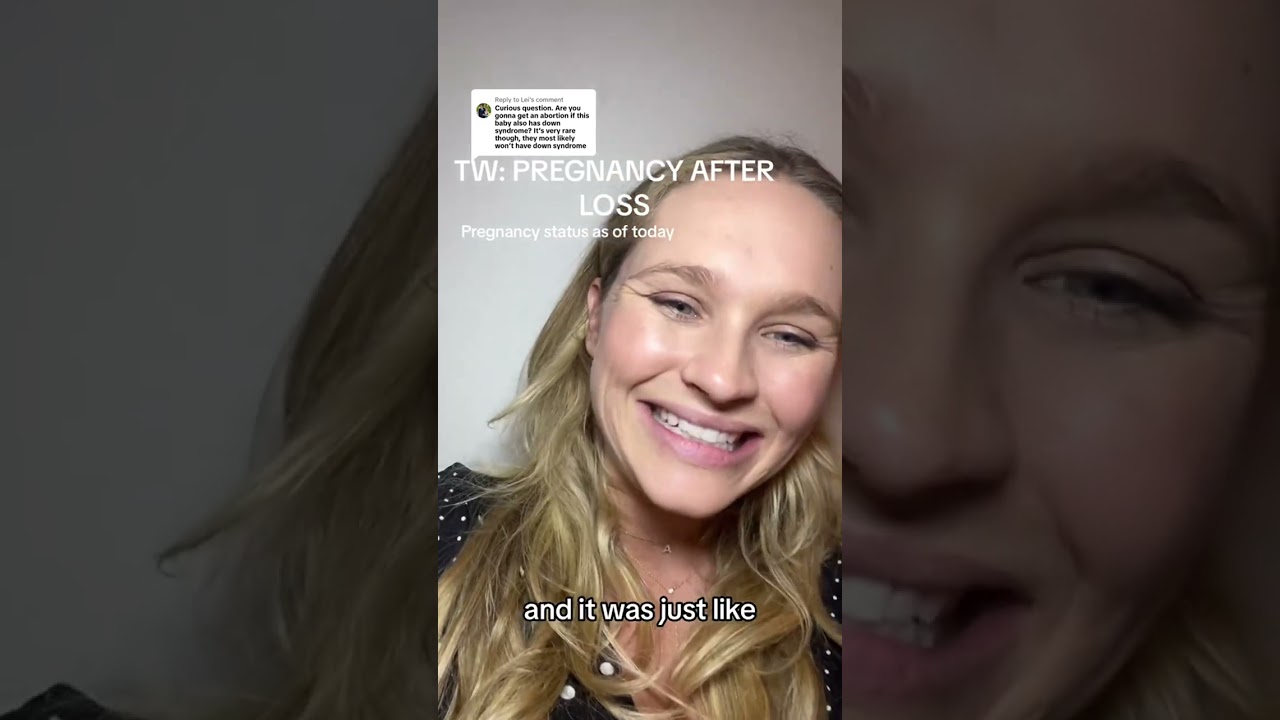
#pregnancyafterloss leaves you feeling very scared and all i can go on is the information i have
Changedbygrief-TFMRMama
498 views•2026-05-31

Beyond Liver Disease: The Hidden Role of Protein in CLD Recovery | Dr. Karan Jain & Ms. Reshma Aleem
VoiceofHealthcare
420 views•2026-05-29



