The 90-second response time is a comforting luxury, but it cannot mask the inherent risk of being isolated from advanced terrestrial medical infrastructure. Ultimately, this floating clinic is a high-priced safety net that still relies entirely on the shore-based world its residents seek to leave behind.
Install our extension to search inside any video instantly.
What Happens If You Get Sick Living on a Cruise Ship?
Added:I'm Johan.
>> And I'm Lynette. And we bought a cabin on a ship.
>> Yes, we sure did. And uh one of the biggest questions we get about living full-time on a cruise ship is what happen when you get sick >> or injured?
>> Yeah. Uh so today we're taking you inside the medical facility on board the Odyssey. Uh we'll show you the entire facility, the medical equipment uh that's available on board and introduce you to the real Dr. Odyssey. Praep's a great doctor. Um we'll find out what can be treated on board, how routine and emergency care are handled, and what happens if somebody becomes seriously ill while we're at sea.
>> Let's go meet the doctor.
>> All right, Lynette, what are we doing today?
>> We are going to go tour the medical facility.
>> Yes. and talk with the doctor on board.
>> Yes, we are. And the facility is on deck, too. Right over there.
>> All right. Medical facility.
They're always available, but uh for walk-ins, these are the hours.
8:00 a.m. to 11:00 a.m. and 400 pm to 700 p.m.
But you can always call 911 on your phone if you have an emergency.
>> Hi, my name is Dr. Praep. I'm the doctor on board VV Odessa and this is our medical center which is located on deck 2 forward. So I will just give you a small tour of my medical center. Please, you're all welcome.
>> Thank you.
>> Yes. So yes, please come in.
So, yeah. So, as you can see, this is our medical storage room where we store all our medications on board.
>> Uh-huh.
>> Okay. And then to your left is the nurses nurses area office where the nurses sit and do all their, you know, uh, hold the files and do all the job on the computer of saving all the records.
>> I see. I see.
>> Yeah.
>> And the billing.
>> Yeah. [laughter] And the >> don't forget that.
>> And this is our triage room uh where we try all the patients to and uh first aid room to do the first aid triage you know and everything.
>> Oh yeah.
>> Then we go forward to our ward which is also our emergency room.
>> As you can see we are well equipped with everything. So this is our monitor defibrillator which is also a pacemaker. So we are fully equipped with things you know if a patient has uh you know low heart rate so we can even externally pace the patient and defibrillate the patient.
>> That's good to know.
>> Yeah. Yeah. Yeah. So yes and in arythmia cases we can also do synchronized cardio version of the patient.
>> Oh wow.
>> Okay. So we have things and this is our infusion pump, syringe pump, the vacuum machine to do the suction.
>> Yeah.
>> You know if the patient is having some obstruction or fluid in the upper respiratory tract >> and this is our you know ventilator Hamilton >> which is also connected to the oxygen.
>> Oh I see. I see.
>> So we also have ventilator on board. So if anybody is in serious condition who needs ventilation support we can put it within do the endotrachial intubation and put it on the ventilator >> and if somebody needs just uh you know some oxygen just by the nasal canula or the face mask just a small you know support and he who is ventilating on its own then we have two oxygen concentrators on board. This really helps not to use the oxygen which is there. They make their own oxygen. So they are the concentrators. We can give up to 10 L per minute you know from this. So we'll not be consuming from our bottles and saving it you know if anybody just needs up to 10 L of oxygen.
So we can provide with so we have two on board. They are really good machine.
>> Wow that's impressive.
>> And I love that you know they most of the time they really help and help us conserve you know the real oxygen and the bottles even though we have a good supply of them in the oxygen room which is other side. Yeah.
>> Oh that's fantastic. There's another bed with the cardiac monitor.
>> Oh yeah, it is so much bigger here than I expected.
>> Yeah. So, and uh on the on your left is the crash cart which contains all the emergency drugs, airway devices to be used during emergency.
>> Yeah.
>> Yeah. So it's all uh you know as per the protocol and as per the list maintained uh monitored and uh you know it's always checked weekly checkings is done that if there is something expiring or getting then it gets replaced by the nurse on board the senior nurse. Yeah.
>> Oh wow.
>> And this is our ECG to do the ECG on board.
>> Yes.
>> Yeah. Also we have lot of fridge to keep the medication which requires you know refrigeration or to maintain it at a particular temperature. So there is here >> and also we have one fridge here.
>> Okay.
>> Just kept the door open of our washroom.
Yes. Because it's uh made it so that even person on a wheelchair will be able to use that.
>> Oh yes.
>> So it's quite big enough.
>> Yeah. This is huge.
>> Huge. Yes.
And then we have uh sterilizer on board and it's currently going on. So you can see it in the working condition.
>> Okay.
>> Because today we had to use uh you know surgical equipments to do a minor you know uh uh you know incision and drainage.
>> Yeah.
>> Okay. So now they have been put for sterilizing.
>> So how long do they go in there for?
>> Uh it depends on how much and what it is. So usually it is uh 1 hour.
>> 1 hour and it's preset you know. So you just select and then it does the thing you know.
>> Oh wow. Wow. Now this is all very impressed there.
>> Yes. So >> a mini hospital down here.
>> Yeah. Mini hospital. Yes. Absolutely.
And then here is the picolo machine which is a very important piece of equipment here to do the blood analysis.
>> So all the biochemistry, liver function, kidney function test and the uh cholesterol you know the lipid profile everything is done on this machine. And this is the pixel machine with just the complete blood count that is WBC, hemoglobin and all other tests you know.
Okay. So, so >> we can also do all the blood uh you know test which is required in an emergency as well as in normal condition. Yeah.
>> Yeah.
>> Yeah. And this is again a storage area for our injectables, >> injectable medication.
>> Also, we have all the tests you know rapid test in here. As you can see uh you know we have for >> for you know hepatitis B uh then uh you know malaria then all all everything you know also we can do the troponin test in case of anybody having a heart attack and if the uh troponin levels are high then it is an indication that he is suffering a myioardial inffection and there is a damage to the cardiac muscle.
So we have all the test here so we can do and rapid you know so it's fast you know so we can get results in quickly you know >> yeah this is all very impressive >> yeah and also all other tests you know HIV and then streptococcus if there is any throat infection malaria leonava yeah so we have everything so that you know we can do the rapish test and immediately know what is going on to do take care of the patient and do the proper care you know >> and in case if Still we need uh something uh which the patient has to be sent to a center of excellence you know higher care then we can stabilize the patient here inform the captain as uh of course because we are on a ship >> so he is there in charge of everything >> and then if we can send him send the patient by boat or by chopper we can we can decide on that you know.
>> Yeah.
>> So basically we are fully equipped here and we have everything also this is the X-ray machine. Oh yeah. Oh yeah.
>> So we can see if there is any fracture or anything you know.
>> Yeah.
>> Oh that's amazing.
>> And uh that is like a chair and you know you can complete the stretcher. Yes.
>> Yeah.
Yeah. You got it all.
>> So you can treat just about everybody on board then.
>> Yes. And uh we can take care stabilize the patient. If we can not treat completely uh you know we can do the first aid stabilize the patient and then send it a shore you know for like in case of for an example a patient is having MIDA infaction so we can uh do the ECG and ECG comes STEMI you know stem ST elevation myioardial infection entroponine is high so we also have the medication to dissolve the thro and after dissolving the throm the patient may require you know a PCI percutaneous you know intervention which we call as like you know gold standard to check how is the coronary arteries you know uh to do an uh angography. So for angography we can stabilize patient here and send in there you know to the hospital which has the facility and and if required a standing but medical thrombolysis we can do it on board. We have >> like um simple things like stitches.
>> Of course, we have that area where I said and I already did today. We I did an incision and drainage. We put the drainage there to get the absess, you know, the drained and uh Yeah. So, we can do all minor surgeries and everything on board as well.
>> Yes.
>> And whatever you can't treat, you just um send it to a doctor.
>> Yeah. Yeah. Mostly we can handle all the cases on board. So, that's why the uh residents feel so confident. So, we can do everything. But then of course they may require further you know management and care. So for that yes we have to we can send it outside you know.
>> Yeah.
>> Oh this is this is awesome.
>> Yeah. Do you have any further questions on that too?
>> Um what is the most common health issues you see on board?
>> Um mostly upper respiratory cold cuff.
This is very common because it spreads very fast and depending upon the area we are sailing. If it is a hot humid area we get these cases more frequently. But we can get any case on board you know because we have all group of all age group of people traveling on board. So you know they also have their croning diseases and other things like that. So I get different different different kinds of but most commonly it's upper respiratory tract you know.
>> Yeah.
>> Yeah. How about um preventative um maintenance things that you could do?
And >> yeah, of course on board the ship also we have some health wellness packages where uh residents can come and do you know the complete blood count to know their hemoglobin levels, fasting blood glucose and biochemistry such as you know to know what is the liver function and kidney function test. So and we encourage the residents to come uh to do this at least once in six months or at least once in a year so that they can have a baseline and know how is their health condition.
>> And what kind of a cost are we looking at for a resident?
>> Uh it depends you know there are four packages in it. One package is just you know minimum of $80 or $45 and $80. I like the third package which is $185 which has mostly everything and is economical even compared to when done outside. So that is the one I already did you know on this uh uh small you know uh program in the u launch and I explained about this wellness package.
So I and the and the residents showed a good response. They keep coming and doing it also if they want to do because we frequently visit different ports.
They can go outside and do it depending on what they want you.
>> Now can you bill insurance too or?
>> Uh no the thing is we provide the uh bill and then the guest is being assisted which they can send to their insurance company activate you know so they can record and then uh you know refund them back that money you know through their insurance. Yeah. Yeah. So we give all the documentation so that it is easier for them to process everything and if they need any letter from the doctor explaining why it was done how I'm always available so I can provide that type of a document if the insurance company needs >> great and um like prescriptions can you write them >> absolutely I write down the prescriptions and in this part of the world mostly they respect the prescription given by me and then the residents are able to get the you know the medications yes which is required.
So how is this um different from regular traditional cruising?
>> The only difference here is because people here they don't uh get off the ship after every 10 days or you know 15 days whereas on other cruise lines there is always a rotation of the of the passengers because depending upon what kind of program they have sometimes they have a cruising of four five days maximum of 1 week to 10 days. So every time there are new people embarking and disembarking but here >> all the residents are called residents that's why they are not called the passengers because they live here live here. So this is little different because uh the uh their expectations are high. They want their doctor who is on board to be much more aware about their conditions and that is myself also I take uh you know proactively I participate in it so that I know each and every resident on board nicely their allergies their different conditions so that in case if there is an emergency I can treat them to their optimum level you know.
>> Yeah that's amazing.
>> Yeah I think we're in good hands. Yeah, I think we're in good hands >> and and I try to make my residents uh because they are my family and I'm their family doctor so that they are confident in me and they can rely on me you know so the trust is very important so I make sure when they come I give them due time to explain whatever it is and you know and have their confidence in me you know because most of the thing is how you interact with them you know if you give them time you give them opportunity to describe everything because body is not only you A person is not only the body, it's uh mind as well. So you know and wellbeing of both needs to be there, you know, in balance, you know, healthy body plus healthy mind to be a complete, you know, thing. So it's it's important to give attention to them.
>> Excellent. Well, thank you for taking the time to share this with us.
>> You're always welcome. Always welcome.
And I'm always ready proactively for anything which can create more knowledge about our medical center or you know what is being provided. So the residents are more and more confident you know that we have a capable team which can take care of everything. And just to add day before yesterday we had a code alpha. This is the code which is used for medical emergency when immediately response is required to any cabin to the resident you know. So we had a code alpha which was around 6:30 in the morning and I was very happy with my team and myself that we responded in just 90 seconds >> and did the needful. Yeah. And it was not a drill. It was a real situation where my stretcher team also we all responded in 90 seconds. We were there with the guest. We did the needful brought the guest down safely and and sound you know and she's all okay now.
>> Oh wow.
>> Wonderful. Wow. That's impressive.
>> And we keep having these code alphas till the time I have come on board we had six or seven code alphas and all touchwood ending up in good good outcomes. Yeah.
So I'm happy and I'm happy with my team because it's not only team who acts. So it's always we not I believe >> you are as good as you are as your team is. So >> So you it's you and two nurses.
>> Two nurses. Yes. Maggie Magdalina and Camea. They are really nicely trained and they have also a lot of experience and I have full faith in them.
>> Yeah. There's there's they're awesome.
Yeah. So, >> well, thank you very much.
>> This is this is my my life here on [laughter] >> We're so glad to have you and and I think the residents and other people are considering uh coming to VV will feel very uh safe and confident.
>> Yeah, I can give my whole this uh they no need not worry about anything. We will take care of them as our family member so they can be confident you know to come on board.
>> Thank you very much. Yeah, you're welcome.
Related Videos

0:19
Medicine
How Strong Are Breast Implants? Watch This Demo at LPH
londonprivatehospital
967 views•2026-04-20
4:16
Medicine
What is an Office Hysteroscopy? | Fertility Testing Explained at DIRM
DelawareInfertility
17K views•2019-05-06
13:25
Medicine
Pharmacological Management of Stroke Antiplatelet-Acute and Secondary Prevention
Learningin10
8K views•2019-03-04

3:25
Medicine
PMG - Pediatric Pain Management
EASTtraumasurgery
3K views•2019-07-01
20:29
Medicine
Anemia Symptoms And Treatment for Chronic Kidney Disease (CKD) patients
DADVICETV
27K views•2019-08-07
12:30
Medicine
Prostate Cancers and Mimics - Diagnosis
Pathologyminitutorials
3K views•2019-11-20

11:55
Medicine
Vitamin A for Vaccines & Viruses (including Measles!)
DrDavidMD
691 views•2025-03-11
4:10
Medicine
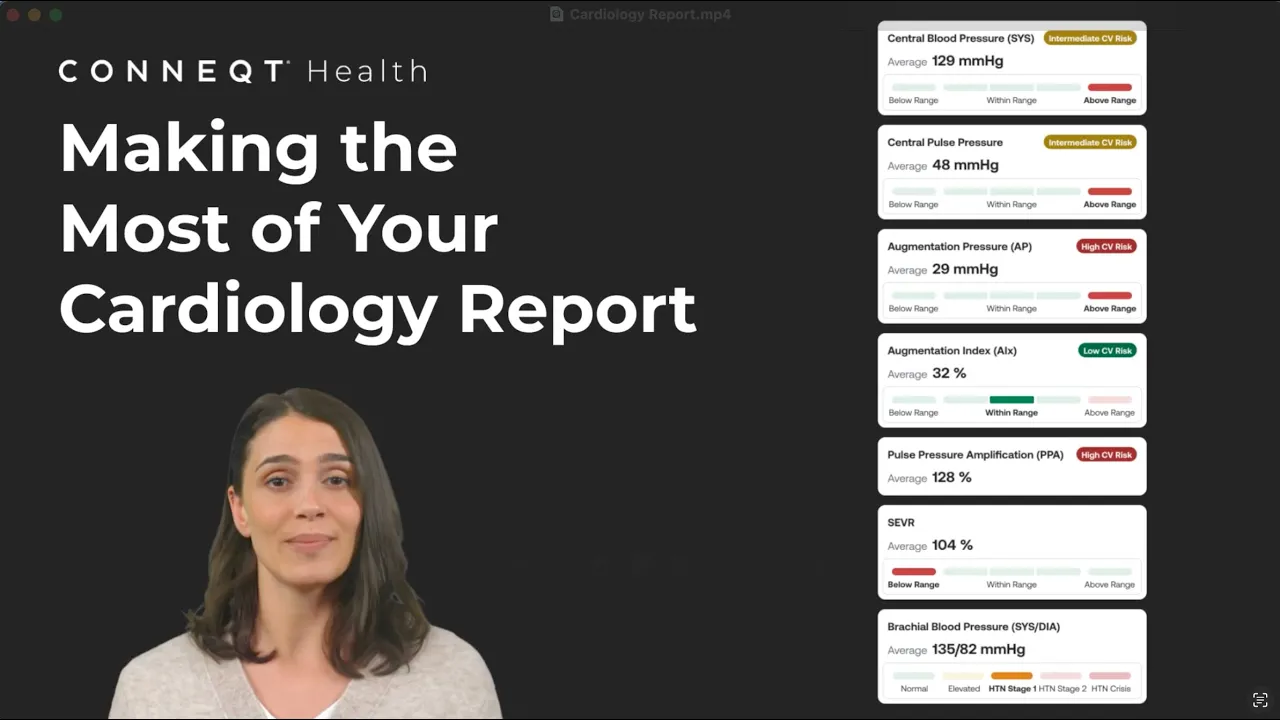
Making the Most of Your Cardiology Report | CONNEQT Cardiovascular Health Resources
conneqthealth
774 views•2025-03-04
Trending

13:25
Business
Playstation NO DISC/NO BUY Fight Is Over...
DavidJaffeGames
4K views•2026-07-23

22:40
Business
Steam and Xbox Just Dropped The Hammer On PlayStation
OhNoItsAlexx
9K views•2026-07-23

16:52
Anthropology
Americans Confused in Australia for 17 Minutes Straight
IWrocker
17K views•2026-07-23

20:36
Business
SuperBike Factory Has Gone... What's Next for the Motorcycle Industry?
thatbikersimon
11K views•2026-07-22