When multiplying two numbers that end in zeros, you can multiply the non-zero digits first and then add all the zeros at the end to get the final product. For example, 100 × 200 = 20,000 (1×2=2, then add 4 zeros), 200 × 300 = 60,000 (2×3=6, then add 4 zeros), and 400 × 500 = 200,000 (4×5=20, then add 4 zeros).
Install our extension to search inside any video instantly.
Numberblocks - Multiplication of TWO HUGE Numbers | Learn to Count | Learning MATH | MathPlayID
Added:Let's multiply two huge numbers together and see what happens.
100 * 200 >> [music] >> = 2 20,000 200 * 300 >> [music] >> = 2 60,000 [music] 300 * 300 = 2 90,000 200 * 400 >> [music] >> = 2 80,000 >> [music] >> 400 * 500 >> [music] >> = 2 200,000 How about it?
Can you guess all the numbers correctly?
You see, multiplying huge numbers with zeros behind them is the same as multiplying small numbers, then add all the zeros at the end.
Like, share, and subscribe this video if you want to watch more Numberblocks stuff.
Related Videos
Why is 1 not considered as a prime number?
curiosphere1499
1K views•2026-06-07
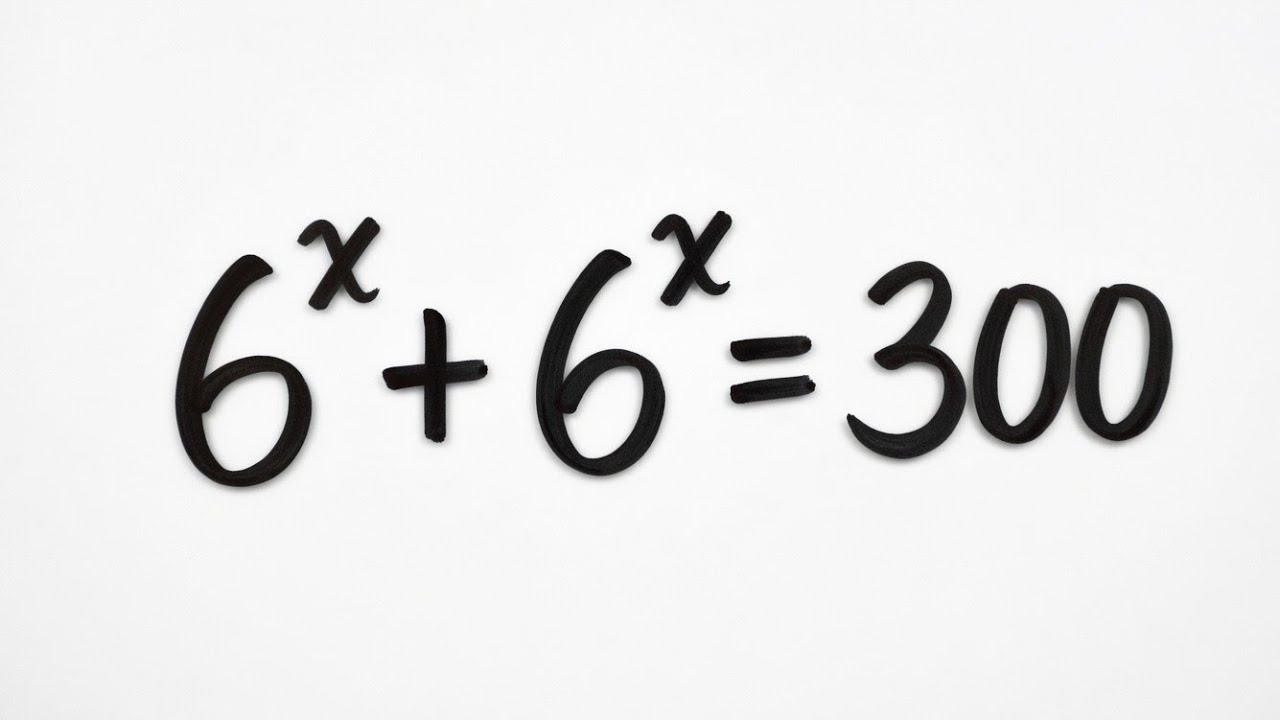
Olympiad Mathematics | Germany | Can You Solve This One?
PhilCoolMath
155 views•2026-06-09

470 Great Ideas for a Puzzle ... ?
CrackingTheCryptic
1K views•2026-06-11

Ages in 2030 birth years 2010 -2019
VeleaKornlorng
822 views•2026-06-08

BS-2 | BUSINESS STATISTICS-2 | UNIT-4 BAYES THEOREM | OU | SEMESTER-4 | @shivanipallela
shivanipallela
401 views•2026-06-07

Linear algebra question paper tough aaaa⁉️yaru sona very easy .....
3gvmaths
684 views•2026-06-11

Can Math Recreate Rembrandt? (Fourier Transform) 🎨
EquationtoArt
1K views•2026-06-08

0.12 vs 0.121212... How to convert a decimal to a fraction (regular decimal vs repeating decimal)
bprpmathbasics
34K views•2026-06-07