In 1908, a mysterious explosion over Siberia flattened 80 million trees and was 1,000 times more powerful than Hiroshima, yet left no crater, suggesting it was caused by an asteroid air burst rather than a ground impact, though modern science still debates the exact cause.
拡張機能をインストールして、あらゆる動画内を即座に検索しましょう
Tunguska: Siberia's Sky Split Open追加:
In 1908, the sky over Siberia literally split in two. A blue light brighter than the sun vanished into a roar. The explosion was 1,000 times more powerful than Hiroshima. [music] It flattened 80 million trees across the lonely taiga.
For nights, the sky over Europe stayed bright enough [music] to read by. Yet, there was no crater, no impact, just a massive air burst from a ghostly asteroid. [music] Modern science still debates what truly happened in the clouds that morning.
The Earth trembled [music] and we still do not know why.
Subscribe for more.
関連おすすめ

Spiral Galaxy NGC 3370 from Hubble | NASA APOD 2025-11-05 #Shorts
galaxygallery
938 views•2026-05-30

SOMETHING inside the SUN is CHANGING
RaysAstrophotography
1K views•2026-06-03

Captured the Blue Moon (with a twist) 🌙✨ #space #bluemoon #telescope
realAstroExplorer
674 views•2026-06-01

There May Be A Giant Hole In The Universe... And We Might Be Inside It | The Cosmic Ledger Entry 015
TheCosmicLedger
145 views•2026-05-31

The Map We Sent to the Stars in 1977 — Why Scientists Now Regret It
TheAncientRecord7
183 views•2026-06-03

10 Planet Where a Black Hole Replaces the Sun
cosmicexplorer-EN
147 views•2026-06-02

Is this a copy of our galaxy? Discover Galaxy M81!
UniverseDocumentaries-cc4mb
995 views•2026-05-31
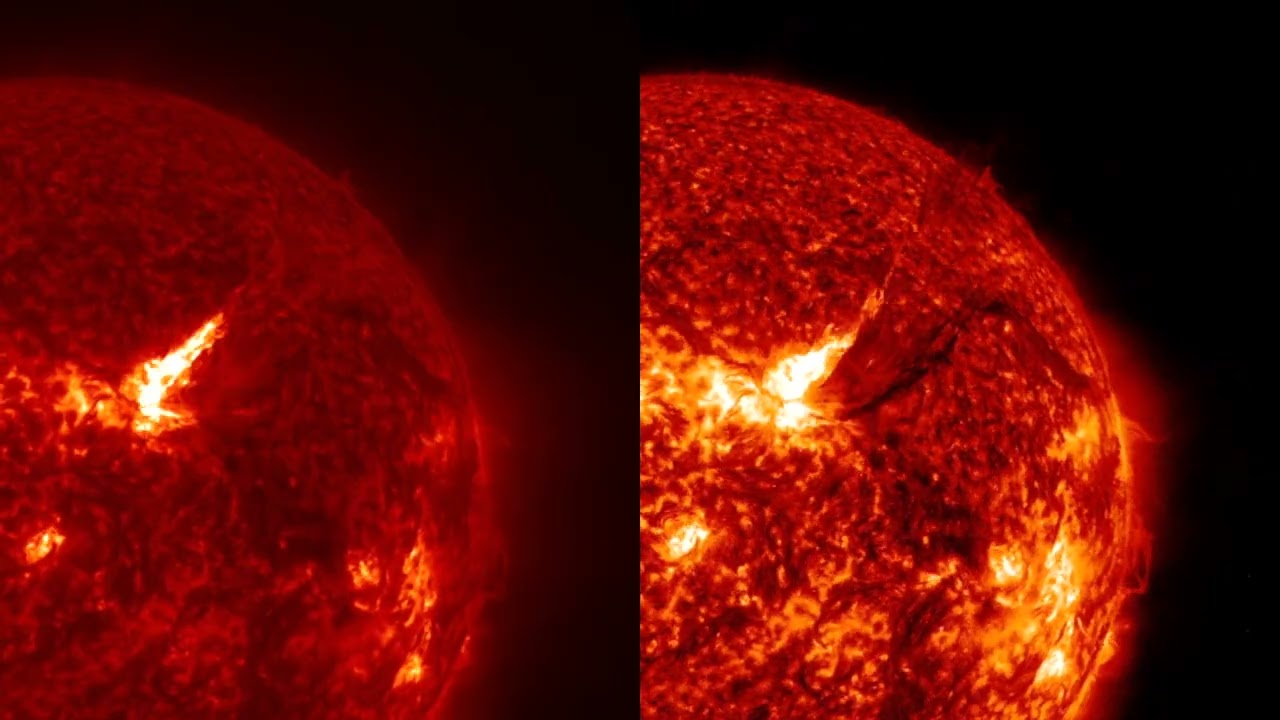
Solar Flares and CMEs at Earth - More Likely | S0 News June.3.2026
SpaceWeatherNewsS0s
2K views•2026-06-03



