To solve exponential equations containing square roots, convert the fractional exponent to a radical form, square both sides to eliminate the square root, isolate the variable term, and then take the square root of both sides to find the solution, which may include both positive and negative values.
Install our extension to search inside any video instantly.
How to solve exponential equations
Added:Let me show you how to solve this amazing exponential equation.
Now, the question says 8 x squared minus 1 all to the power of 1 over 2 is equal to 9. So, we are asked to find the value of x. Can we solve this? Yes, we can. So, let's write down the solution to this equation.
Okay. Now, the question says 8 x squared minus 1 all to the power of 1 over 2 is equal to 9.
Now, from the law of indices okay now, this 1 over 2 can become a square root of this expression.
So, all together, we shall have the square root of 8 x squared minus 1, okay, is equal to what? 9.
I am looking for a way to clear this square root. So, what I'm going to do, let me square both sides. So, if I square this side, of course, I also square this side.
Okay. So, this will cancel out this. We shall have uh 8 x squared minus 1 is equal to 9 times 9 squared is 9 times 9, which is what?
81, right?
Now, look at this.
Look at this. Minus 1 can cross over.
Let's collect terms, which means minus 1 cross over to this side. So, we shall have uh 8 x squared to be equal to 81.
81 plus Okay.
plus uh 1.
Okay. So, we shall have 8 x squared to be equal to 81 plus 1 give us 82.
All right. So, let's divide both sides by 8. So, you will divide here by 8 and also divide here by 8. This cancels out.
Now, we shall have our x squared to be equal to Now, if 1 / 8 is Let's say, if we use two to divide 8, two we shall have 41.
All right? If we use two to divide 8, we shall have four.
All right? So, we shall have our x squared to be equal to this, okay?
So, now Let's find the value of x. Let's square both sides.
Okay. By squaring both sides, we shall have Um by taking the square root of both sides, we shall have the square root of x squared to be equal to plus or minus square root of 41 over four.
So, this will cancel out this. We shall have our x to be equal to plus or minus So, we can separate the square root to both numerator and denominator, which become the square root of 41 divided by square root of four. Of course, we know that the square root of four is two, which means our x will equal to plus or minus square root of 41 divided by two.
So, this happens to be our final answer. Thank you for watching this video. Share and follow and subscribe to this channel for more math tips like this. Thank you.
Related Videos

Solving a 'Harvard' University entrance exam question
AsadInternationalAcademy
125 views•2026-06-14
Algorithms for Generalized Signed Distance and Winding Numbers (PhD thesis)
NicoleZFeng
269 views•2026-06-15

Notes 6.3 Rectangle, Rhombus, Square
matthewmills6952
1K views•2026-06-18

Does the math actually hold up? Let's break down the logic.
rawXopinion
1K views•2026-06-15

NYT Hard Sudoku Walkthrough | June 17, 2026
Rangsk
2K views•2026-06-17
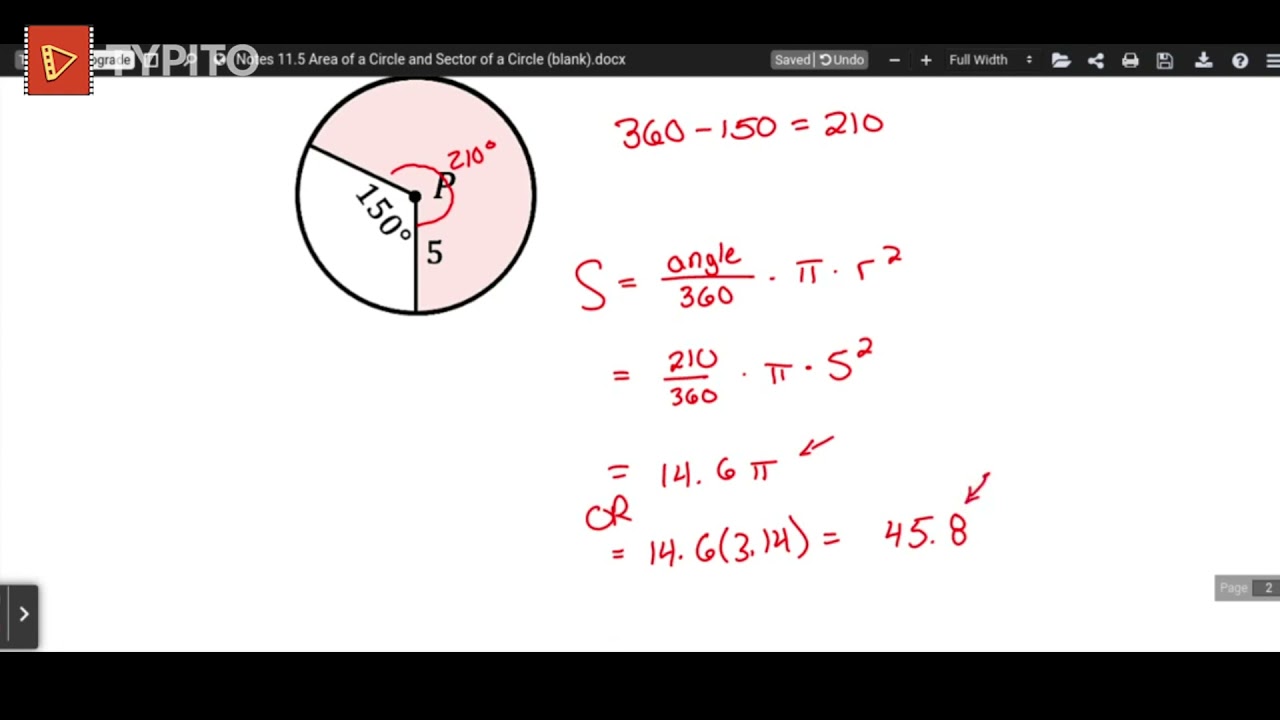
Notes 11.5 Area of a Circle and Sector of a Circle
matthewmills6952
251 views•2026-06-18

Notes 4.2 Isosceles and Equilateral Triangles
matthewmills6952
444 views•2026-06-18
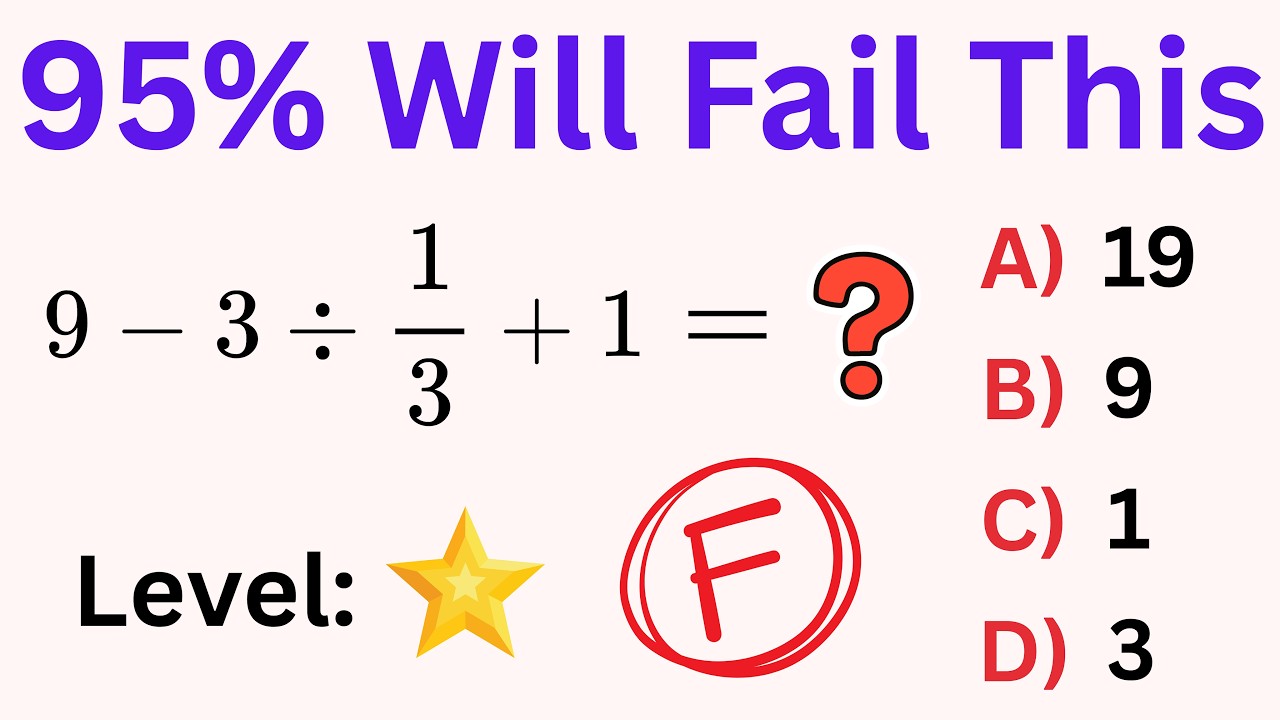
Can You Solve This?
brain_station_videos
1K views•2026-06-15



