In the 12th century, King Lalibela of Ethiopia carved entire churches directly into volcanic rock in the highlands, creating a sacred city where every arch, column, and window was hewn from a single piece of stone without mortar or joints, representing an extraordinary feat of precision engineering and spiritual devotion that has remained a living heritage for nearly a millennium.
Installieren Sie unsere Erweiterung an, um sofort in jedem Video zu suchen
Lalibela - Ethiopia's Churches Carved into the MountainsHinzugefügt:
They didn't build these churches. They didn't haul stones to a site or stack block upon block. They carved them from the earth itself. [music] In the 12th century, King Lalibela saw a vision, a new Jerusalem in the heart of Africa, a city not of walls, but of depths. High in the Ethiopian Highlands at an elevation where the air is [music] thin and the spirit is tested, faith became part of the landscape. This wasn't just construction, it was an act of absolute surrender to the stone, a conversation between the divine and the volcanic [music] rock. 1,200 years ago, thousands of tons of basalt were removed not to create a hole, but to reveal a sanctuary, entire churches cut downward into the earth. Passages [music] were narrow, walls were thick, and every arch, every column, and every window was carved [music] from the same single piece of stone. There is no mortar here, no joints, no mistakes. To carve incorrectly was to lose the church forever. It required a precision that defies modern [music] explanation.
Within these walls, the Ge'ez language, one of the oldest in the world, has been chanted without interruption for nearly a millennium. For centuries, the monastic tradition has been the heartbeat of Lalibela. Monks and clergy preserved more than just buildings, they preserved a living heritage. Prayer, scripture, isolation, continuity, these are the pillars of a faith that stood its ground against time itself.
>> [music] >> Some churches were built so high into the mountains they seem to touch the heavens. Reaching them requires a steady foot and a focused mind.
>> [music] >> Reaching these heights became an act of devotion itself, a physical manifestation of the [music] soul's ascent toward the divine. This is not a forgotten ruin. It is not of a dead era.
It is a living, breathing, sacred world, pulsing with the same energy it had centuries [music] ago. Every day, thousands still gather. Every day, the stone echoes with the same ancient prayers. Ethiopia resisted. Sovereignty mattered. In Ethiopia, history wasn't just written, it [music] was carved into the very stone of the earth. Learn, research, remember. Subscribe for more great moments in African history.
Ähnliche Videos

क्या भगवान शिव हारिती की नकल हैं? झूठे दावे का पर्दाफाश | हारिती बौद्ध देवी बनाम भगवान शिव
sanatansamiksha
1K views•2026-05-30

This is one of the biggest street art exhibitions in London but there’s a twist 👀 Danish
ExploringLondonCity
1K views•2026-05-30

They stole his entire life on his deathbed #history #art
Nocthera
1K views•2026-06-01
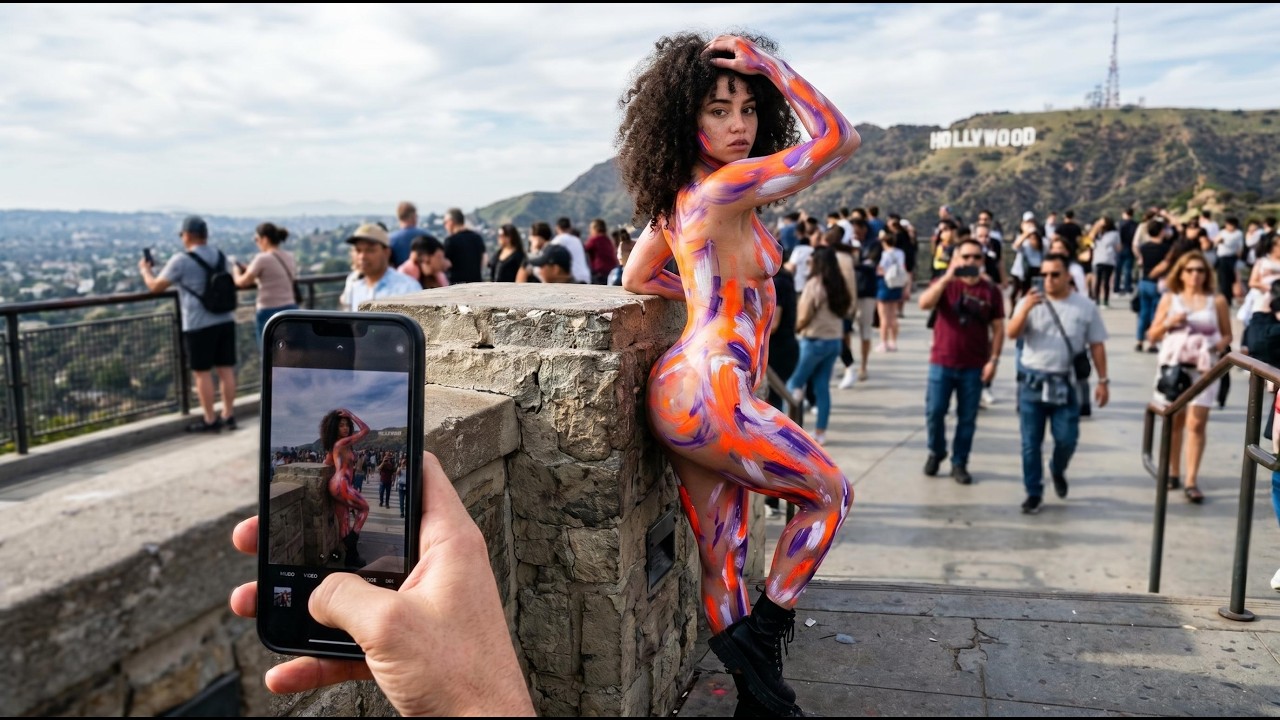
How Hollywood Body Art Changed the Way America Sees the Human Body Forever
Ink_and_Instinct
213 views•2026-06-02

Praying Hands — Albrecht Dürer (c. 1508) #shortvideo
ArtMysteries-r2d
276 views•2026-05-30

[ 🇸🇪 ] Sveriges Television (SVT 1 & SVT 2) ident history
bekdesign
1K views•2026-05-31

Between Heaven and Earth: The Art of Ancient Assyria -- Dr. Kiersten Neumann -- #ARCC26
AssyrianCulturalFoundation
849 views•2026-06-04
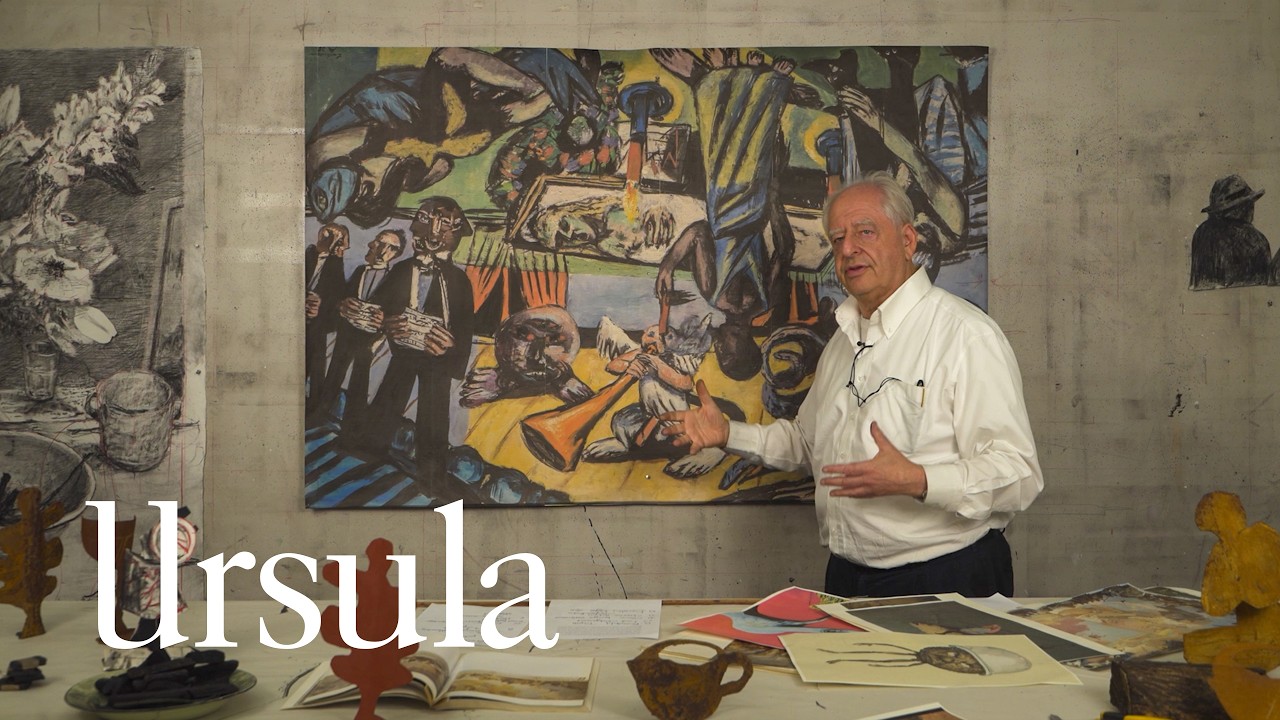
William Kentridge on Max Beckmann’s 1938 painting ‘Death (Tod)’
HauserWirth
163 views•2026-06-04