Iran has established the Persian Gulf Strait Authority (PGSA) to centralize control over the Strait of Hormuz, implementing a unified command structure that manages, regulates, and coordinates shipping through this critical global energy chokepoint through real-time monitoring and official communication channels, thereby institutionalizing oversight of one of the world's most sensitive maritime waterways.
Instala nuestra extensión para buscar dentro de cualquier video al instante
HORMUZ UNDER NEW CONTROL? Tehran Unveils Powerful Shipping Command | ET Now | Latest NewsAñadido:
Motor vessel. Is it Iran has moved decisively to tighten its grip on the strait of Hormuz. According to Al Jazzer, Thran has activated a new command structure, the Persian Gulf Strait Authority, and launched its official X account. The message is clear. Realtime control, realtime updates, and a centralized system now overseeing one of the world's most critical maritime choke points.
The newly formed PGSA is not just administrative. It is a full spectrum control mechanism. Iranian authorities say it will manage, regulate and coordinate shipping through Hormuz from issuing instructions to tracking vessel movement. This marks a shift from fragmented oversight to a single window command model backed by state authority and positioned at the heart of regional maritime operations.
Reducing the issue of the new arrangements to ensure safe passage through the straight of Hormuz to merely a financial matter is I think a deviation from the core issue.
Naturally, any coastal country bordering the strait because of the services it provides, navigation services and matters related to environmental protection may logically receive certain fees.
Crucially, the PGSA is also expected to formalize how ships interact with Iran while transiting the strait. With official communication channels now active, including email and social media, vessels could be required to follow structured procedures for passage. This signals a transition toward a more regulated corridor where movement is monitored, guided, and potentially conditioned in real time.
However, the main issue is ensuring safe passage through the straight of Hormuz while simultaneously preserving Iran's national security, territorial integrity, and national sovereignty.
Iranian officials frame the move as a system to enhance coordination and provide clarity to maritime traffic, promising realtime operational updates via the new platform. However, the broader implication lies in institutionalizing control over a choke point that carries a significant share of global energy flows. The development comes amid ongoing tensions in the Persian Gulf region involving US-led naval presence.
The Strait of Hormuz has long been a strategic pressure point, but the creation of a dedicated authority marks a new phase, one defined by structure, visibility, and direct communication.
With the PGSA now operational, Iran is positioning itself at the center of decisionmaking over transit dynamics, shaping how vessels move through one of the world's most sensitive waterways.
Heat. Heat.
with
Videos Relacionados

Guess Which Country Trump Is Threatening To Bomb Next! w/ Chris Hedges
thejimmydoreshow
5K views•2026-05-30

Why Was There No Mention of Israel or Gaza in The DNC's Autopsy Report
wearefindout
227 views•2026-05-29

Trump Just Got HUMILIATED... And It's Going VIRAL
harryjsisson
46K views•2026-05-29
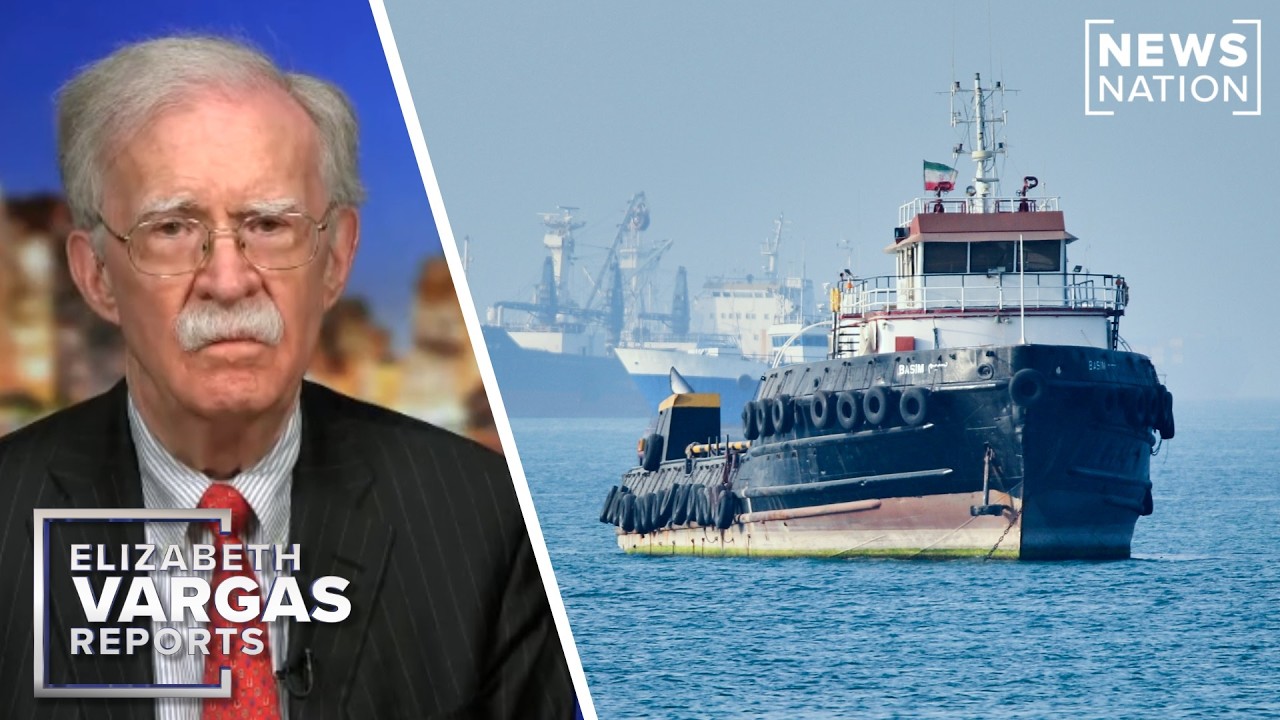
Potential Iran deal is 'a big defeat' for US: John Bolton | Elizabeth Vargas Reports
NewsNation
1K views•2026-05-29

Russia Clashes With Romania, U.S. And EU At Security Council Meeting | DWS News | AC1F
dwsofficial
344 views•2026-06-02

Independence Calendar (Episode #25) - With Cory Morgan & Keith Wilson
JohnBoltonAB
3K views•2026-05-31

BREAKING: TRUMP ADMITS HE LIED ON CIA
DarrenMonroePolitics
10K views•2026-06-01

Why Reynosa Is Burning Now: The Truth Explained
THEFACTFACTORYF
560 views•2026-05-30


