The video effectively simplifies complex galactic dynamics for the public, though it trades some scientific nuance for dramatic flair. It serves as a vivid reminder that cosmic silence is often just a prelude to the next phase of structural evolution.
Install our extension to search inside any video instantly.
Scientists Just Saw a Black Hole Wake Up 😱 #space #shortsAdded:
Have you ever thought about a black hole waking up after millions of years?
Imagine a super massive black hole suddenly becoming active again.
This just happened.
Scientists discovered that this black hole resumed feeding on gas, dust, and stars.
This event brings bursts of energy much like a cosmic volcanic eruption.
It impacts star formation and the structure of galaxies.
So, what does waking up mean for a black hole?
They don't eat endlessly.
They can stay dormant for millions of years.
When new material arrives, they start feeding again, emitting intense bursts of energy and light.
Think of a volcano.
Instead of lava, a black hole pushes out high energy jets and radiation.
This eruption followed a long period of energy buildup and happened suddenly just like a volcanic blast.
Why is this discovery so important?
First, it shows black holes can lie dormant for eons before erupting again.
Understanding these eruptions helps us learn more about galaxy development.
Second, it highlights our limited knowledge of space.
These rare events are hard to see, but they provide valuable information for astronomers.
Lastly, comparing black holes to volcanic eruptions may seem dramatic, but it highlights our universe's activity.
Exploring such phenomena helps uncover the mechanisms driving our universe.
Stay curious and keep discovering the wonders of space.
Related Videos

Spiral Galaxy NGC 3370 from Hubble | NASA APOD 2025-11-05 #Shorts
galaxygallery
938 views•2026-05-30

SOMETHING inside the SUN is CHANGING
RaysAstrophotography
1K views•2026-06-03

🎬 Title: Milky Way & Andromeda Collision: The Future of Our Galaxy 🌌 #astroph #askap
SulaimanKhanSulaimani
429 views•2026-06-01

NOAA Warning! Massive Double Cannibal CME Impacting Earth: G4 Storm Watch!
worldnewsreporttoday
1K views•2026-06-04
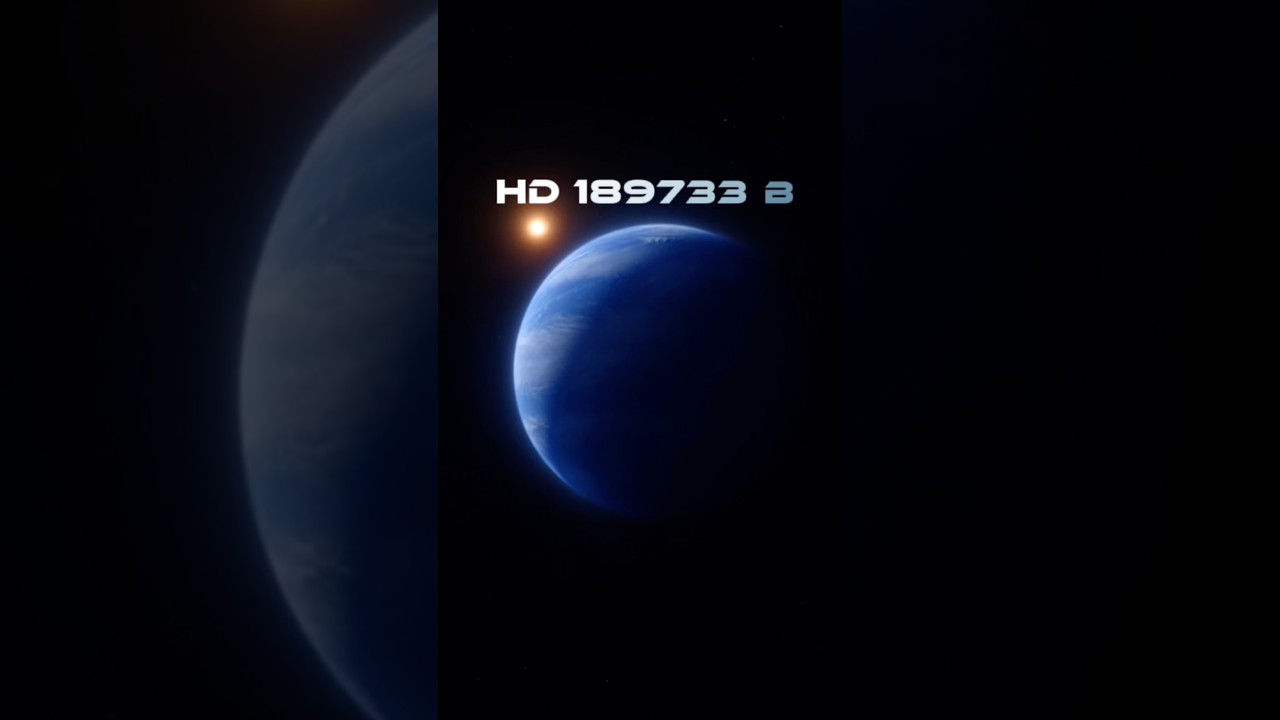
🌌 HD 189733 b | The Planet Where Glass Rains Sideways
EVENTHORIZONUK
3K views•2026-05-31

Captured the Blue Moon (with a twist) 🌙✨ #space #bluemoon #telescope
realAstroExplorer
674 views•2026-06-01

10 Planet Where a Black Hole Replaces the Sun
cosmicexplorer-EN
147 views•2026-06-02

Is this a copy of our galaxy? Discover Galaxy M81!
UniverseDocumentaries-cc4mb
995 views•2026-05-31



