Matter is classified into five key categories: atoms are the smallest particles of matter made of protons, neutrons, and electrons; elements contain only one type of atom and are listed on the periodic table; molecules consist of two or more atoms covalently bonded together (cannot be ionic); compounds contain two or more different types of atoms bonded together (ionic or covalent); and mixtures contain two or more elements or compounds in the same space that can be easily separated. Not all compounds are molecules, and not all molecules are compounds, making it essential to understand the distinction between these terms.
Install our extension to search inside any video instantly.
Element, Compound or Mixture
Added:so in the first of these small videos about the introduction to chemistry we're gonna have a look at what we mean by the terms wanna compound a mixture and a few of the key terms in chemistry so I'm gonna look at these key definitions one of them is for the word actor one of them's for the word molecule one of them so for the word element one of them is for the word mixture and one of them's for the word compound so pause the video and decide if you can which one you think is an accent which one you think it's a compound which one you think it's an element which one you think is a mixture how much one you think is a molecule there you go I filled that in an optin smallest particle of matter from which everything is made it's made personnel's neutrons or electrons and everything is made up of atoms elements are the things that are on the periodic table they've only got one sort of atom in them and they're all listed on the periodic table molecules two on our atoms really key this word that i Kerviel and ly bonded together you cannot have an ionic molecule not allowed so covalently bonded together no atoms can be elements or compounds so try and think of an element that is a molecule any of those diatomic elements would count here so nitrogen oxygen hydrogen they are two or more atoms covalently bonded together but they're of the same element so their molecular elements but we could have molecular compounds as well compound is two or more different types of atoms where the different types of atoms bonded together this bonding could be ionic or covalent so we could have an ionic compound like sodium chloride it's made of sturdy McClory ionically bonded we could have a covalent compound like me thin which is made of carbon and hydrogen covalently bonded and then mixture is where you have two or more elements compounds in the same space but they can easily be separated into the components these five key terms what I want you to do is just kind of think about those five key terms and think wait you're fine now more than one tick might be possible in each row so is bromine a leave us with this first one with you and then you can have a go it's bromine an element so the definition of elements said made of one type of atom only so it's only made of BR so it must be an element there's only one type of atom in that formula is it therefore a compound can you be both an element and a compound well no because compounds are made of two or more different types of atoms so it can't be a compound is it a molecule is it made of two or more atoms covalently bonded and because there's two nonmetal atoms joined together there and it is a molecule it's a molecular element so pause the video again and see if you can fill in this table and when you restart the video you should hopefully have all the answers filled in so go have a look we've got a water which is made of more than one type of element and it's curvy and we bonded because oxygen and hydrogen are building on metals so it's a compound under molecule sodium is made of only one tiger button just na atoms so it's an element it's neither a compound or a more there's no covalent bonding and there is no more than one at him potassium chloride is made of more than one atom so it's a compound but because that's got a metal and a nonmetal it's that ionically bonded and therefore it's not a molecule it's just the compound oxygen is very similar to bromine it's a molecular element methane is a covalent compound so it's both a compound and a molecule a simple molecule made from two nonmetals magnesium oxide is an ionic compound so it's just in our compound column so what you might notice is that not all compounds are molecules and not all molecules compounds and you really need to understand the difference between these two words and where we use them so take some time to go over these two words compound an molecule and when you would use them because if you use these incorrectly in an exam you will lose marks at ear level
Related Videos
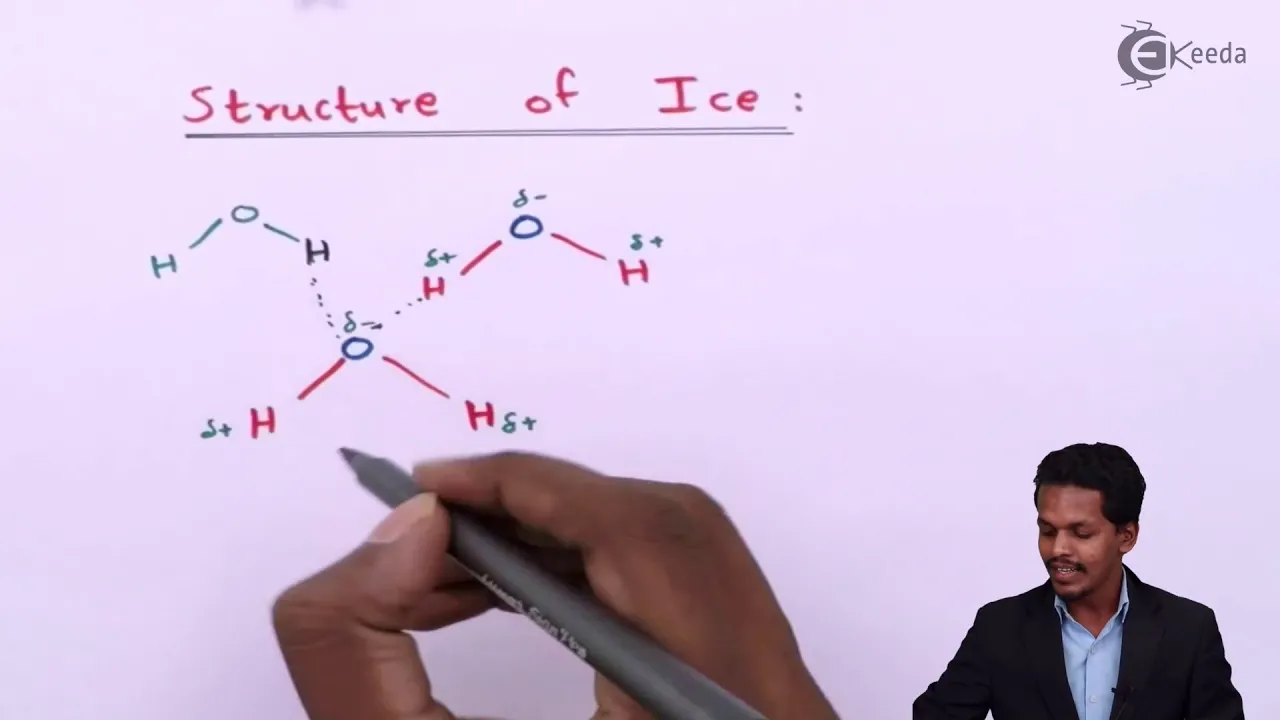
5:56
Chemistry
Structure of Ice - Hydrogen - Chemistry Class 11
Ekeeda
50K views•2019-05-06
45:56
Chemistry
2019 O Levels revision - O Levels Combined Chemistry 2018 revision
acescorers3110
646 views•2019-10-29
6:56
Chemistry
Study Organic Chemistry with Lluís: Total Synthesis of Vilmoraconitine
NROChemistry
2K views•2025-01-09
1:08
Chemistry
How to Write the Formula for Tin (II) sulfate
wbreslyn
11K views•2019-02-26
18:46
Chemistry
Why “Chemical-Free” is a Lie | Exposing Chemophobia
PaleBlueThoughts
978 views•2023-10-13

1:55
Chemistry
OCl2 Lewis Structure (Dichloride monoxide)
geometryofmolecules6271
5K views•2022-03-28

3:31
Chemistry
Lets Talk About Peacock Ore! Are Those Colors Natural?!
YeOldeRockShop-com
14K views•2021-03-09
2:42
Chemistry
Use of strontium in daily life
Viveksirmotivation
599 views•2022-01-18
Trending

13:25
Business
Playstation NO DISC/NO BUY Fight Is Over...
DavidJaffeGames
4K views•2026-07-23

22:40
Business
Steam and Xbox Just Dropped The Hammer On PlayStation
OhNoItsAlexx
9K views•2026-07-23

16:52
Anthropology
Americans Confused in Australia for 17 Minutes Straight
IWrocker
17K views•2026-07-23

20:36
Business
SuperBike Factory Has Gone... What's Next for the Motorcycle Industry?
thatbikersimon
11K views•2026-07-22