Family estrangement is rarely a sudden act of rebellion but rather a culmination of accumulated micro-trauma, emotional neglect, and toxic family dynamics that gradually erode relationships over years, leading individuals to choose distance as a survival strategy to reclaim their identity and mental health.
Install our extension to search inside any video instantly.
The psychology of people who cut off contact with their families
Added:They say that blood is thicker than water. From the moment we are born, we are taught a singular universal truth.
Family is everything. It is our foundation, our safety net, and the one bond that is supposed to be unbreakable.
But what happens when that bond becomes the very thing that breaks you? Right now, across America and the world, there is a silent epidemic.
It's happening in millions of households.
Yet, it remains one of society's last great taboss.
Adult children are making the agonizing decision to cut ties with their parents.
Siblings are drifting into silence. It is called family estrangement.
To the outside world, it looks like a sudden act of rebellion, a child being ungrateful, a parent being abandoned. But if ye you look closer behind the silence, there is rarely a simple story of anger. Instead, there is a profound complex psychology of survival.
Why do people actually do it? Music. Is it an impulsive decision or is it a desperate measure to preserve one's own sanity? In this video, we are diving deep into the psychology of family estrangement. We will debunk the myth of the sudden break, explore the cumulative trauma that forces a person to walk away, and analyze the toxic dynamics from emotional neglect to narcissistic control that make no contact the only viable option.
If you are struggling with guilt or trying to understand why someone you love has walked away, this is the explanation you've been looking for.
This is the truth behind the silence.
Let's begin.
Arangement almost never begins with a dramatic explosion. It begins with erosion.
Slow, quiet, almost invisible to everyone except the person living through it. For years, even decades, the relationship looks normal from the outside. Birthdays are celebrated.
Holidays are endured. Smiles appear in photos, but beneath the surface, something is wearing down layer by layer. Not because of one catastrophic event, but because of hundreds of small ones that accumulate like sediment at the bottom of a river. Psychologists call this micro trauma. The subtle criticism disguised as concern, the boundary that gets pushed just a little further each year. The dismissive tone that tells you your feelings don't matter. The constant pressure to be who they want you to be, not who you are. Individually, these moments seem minor. Together, they become a psychological climate. And over time, your body begins to respond before your mind does. You tense before the phone rings. You rehearse conversations before family gatherings. You shrink parts of yourself to keep the peace.
What you once called family dynamics becomes chronic anxiety woven into your daily life. This is the erosion most people never see. Arangement doesn't happen because someone suddenly stops caring. It happens because they have gradually run out of capacity, out of energy, out of hope, out of space to keep music absorbing the same wounds.
Before the break comes the exhaustion.
And before the exhaustion comes years of being slowly worn down. This is the true beginning of arangement. Not anger but depletion.
From the outside, estrangement often looks abrupt, like someone woke up one morning, got angry, and music decided to disappear.
Parents describe it as out of nowhere.
friends say, "But everything seemed fine." But that's the illusion of the volcano effect. A volcanic eruption looks sudden only to those who weren't paying attention to the pressure building beneath the surface. Lava doesn't appear overnight. It forms quietly, silently over years. The mountain holds it in until it can't.
family estrangement works exactly the same way. The final argument, the holiday meltdown, the hurtful comment, those are never the true cause. They're simply the moment the internal pressure becomes unbearable.
The final trigger in a long chain of ignored boundaries, invalidated emotions, and unresolved pain.
To the parent, it feels like you cut me off because of this. But to the adult child, it sounds like, "No, I'm stepping away because this has happened for 20 years." The break looks sudden only because the suffering was silent.
Arangement is rarely a reaction. It is a culmination, a release of years of pressure that could no longer be contained. And once the volcano erupts, everything changes. Long before someone chooses distance, many have already been cast into roles they never agreed to play. In dysfunctional or narcissistic family systems, identity is not discovered. It is assigned. And those assignments shape a child's entire emotional reality. There is the golden child, the extension of the parents ego, praised, protected, idealized.
Their purpose is to fulfill the family's narrative of success, even if it means sacrificing authenticity.
Then there is the scapegoat, the one blamed for tension they didn't create.
music.
The truth teller, the emotionally aware member who refuses to accept the family's dysfunction as normal.
Ironically, the scapegoat is often the healthiest one, but also the first to be pushed out when they stop absorbing everyone else's shame. But these aren't the only roles. There is the invisible child who survives by disappearing, keeping quiet, needing little, and learning that attention is dangerous.
They grow up skilled at self-reliance, but chronically unsure if they deserve to exist loudly. And then perhaps the heaviest role of all, the parentified child, the child who becomes the emotional caretaker for their own parents, the mediator, music, the peacekeeper, the one who carries responsibilities far too heavy for their age. These children grow up believing love must be earned through service, sacrifice, [snorts] and silence.
None of these roles allow a child to develop a true self. They create patterns of guilt, obligation, and emotional suppression that follow a person well into adulthood. And when someone finally steps out of the role, when they try to become a whole human instead of a family function, the system reacts. It resists, it blames, it punishes. Because music in families like these, the moment you reclaim yourself is the moment you become a threat. For many, estrangement music isn't about leaving the family. It's about escaping the role that was breaking them.
Some wounds bleed, others don't. And those are music, often the ones that shape us the most. Emotional neglect is quiet. Music. It leaves no bruises, no scenes, no clear moment you can point to and say, "That's when it happened."
Instead, it is defined by what never happened. The comfort that wasn't offered, the protection that never came, the curiosity about your inner world that no one ever showed.
Growing up without emotional attunement teaches a child something devastating that their feelings are either too much or not worth noticing. And as adults, these same individuals often become the ones who seem strong, independent, even unbothered, while carrying a private ache that never fully goes away. This is the empty well. You keep going back to your family, hoping just once to draw water. Maybe this time they'll listen.
Maybe this time they'll ask how you really are. Maybe this time they'll meet you at the level you've always reached for. But every visit ends the same. A dry bucket, a hollow chest, a familiar disappointment.
Most people don't leave because of what their parents did. They leave because of what their parents could never give.
Because returning again and again to an empty well eventually becomes a form of self-abandonment.
Arangement for many is not about rejecting their family. It is about finally choosing to stop thirsting for a kind of love that has never been there.
The pain of what happened can be healed.
The pain of what never happened takes longer because your grieving aversion of childhood you never got to live. If arangement seems sudden to outsiders, the staying is even harder to understand. Why do people endure years, sometimes decades of pain before stepping music away? The answer lies in two powerful psychological forces.
Trauma bonding and the hope cycle.
Trauma bonding forms when moments of harm are intertwined with moments of warmth. A cutting remark followed by an apology. A cold silence followed by a rare expression of affection. A boundary crossed, then a promise that things will be different. The nervous system becomes conditioned to confuse inconsistency with love. You start believing that if you just try harder, give more, stay calmer, you'll finally earn the version of your parent you needed as a child.
And that is where the hope cycle begins.
It keeps you waiting. It keeps you forgiving. It keeps you returning to situations that slowly dismantle your sense of music self. Hope isn't the problem. It's that the hope is always about who they could be, not who they consistently are. Many adult children stay because they were taught that leaving makes them disloyal, that protecting themselves makes them selfish, that wanting peace means they are the problem. So they endure, they shrink, they rationalize, they wait for the breakthrough moment that never comes. When someone finally walks away, it's not because they stopped loving their family. It's because they realized the cycle wasn't going to change. And staying meant losing pieces of themselves one year at a time.
Arangement often begins with a heartbreaking realization.
If I stay, I'll disappear. When people hear the words no contact, they often imagine a drastic emotional cut off, an act of punishment or revenge. But in reality, distance is rarely a declaration of anger. It is a strategy of survival, and it doesn't always come in one form. Some choose low contact, reducing conversations, shortening visits, keeping topics surface level.
It's a way of saying, "I still care, but I can't give you the same music access to my inner life anymore." Low contact is often the first attempt at reshaping the relationship without ending it.
Others use gray rock, a method designed to minimize emotional engagement. They become neutral, music predictable, and unreactive because reacting is exactly what fuels the old patterns of conflict, manipulation, or guilt. Grey rock isn't coldness. It's self-p protection.
And then, after years of trying, some choose no contact. Not because they hate their family, but because every lesser boundary was ignored. No contact becomes the final tool. The last available way to stop the cycle, reclaim mental health, and rebuild identity.
Psychologically, choosing distance activates grief, guilt, and relief all at once. You mourn the parent you hoped for, feel guilty for wanting peace, and breathe easier music when the chaos finally stops. It is a deeply conflicted decision, one made only after every other attempt has failed. Distance is not rejection. It is clarity.
It is the moment someone says, "I can't change you, but I can protect myself."
And for many, that distance, whether small or total, is the first time they finally feel safe. When someone chooses music distance from their family, the world often assumes the hardest part is the separation itself. But the deeper pain, the part almost no one talks about, is the grief that follows. Ambiguous loss is a unique kind of mourning. It happens when the person you're grieving is still alive, still walking around, still posting photos at Christmas, yet emotionally unreachable.
There is no funeral, no final goodbye, no ritual to help you move forward. Just a lingering ache, a question mark where clarity should be. You're grieving not only the relationship you lost, but the relationship you never had. Music, the version of your parent who might have protected you, understood you, or loved you without conditions. And letting go of that imagined parent, the one you wished for your entire childhood, can feel like losing them twice.
Then come the holidays.
Thanksgiving tables with an empty seat.
Christmas mornings that feel too quiet.
Everyone else seems wrapped in warmth.
While you're navigating a complicated, invisible grief no one knows how to comfort. And yet, even in grief, there is relief. The anxiety is gone. The chaos has stopped. Your nervous system finally exhales.
But that relief often comes with guilt, as if choosing peace makes you disloyal to the people who raised you. This is the emotional cost of freedom. The heartbreak of choosing your well-being over your history. It is not easy. It is not simple, but for many, it is the only way to stop inheriting the pain they were never meant to carry. And healing begins the moment you realize you can mourn what you lost and still move toward the life you deserve.
Music. For many people, estrangement is not the end of a story. It is the beginning of a life they were never allowed to fully live. Because once the noise quiets, music and the guilt softens, something unexpected begins to emerge. A sense of self that had been buried under years of roles, expectations, and emotional survival strategies.
Reclaiming identity is not a sudden revelation. It's a slow, tender rebuilding. You learn to ask questions you were never permitted to ask. What do I actually want? What do I enjoy? What feels safe for me? And perhaps for the first time, your choices are not filtered through fear of judgment or punishment. You stop shrinking. You stop apologizing for existing.
You begin to trust your inner voice, the one that was silenced for so long.
Healing also means breaking the generational cycle. Many adults who step away do so not out of resentment but out of clarity.
This ends with me. They refuse to pass on the chaos, the emotional starvation, the conditional love. They begin to parent themselves with gentleness.
And if they eventually have children, they offer them a version of safety they never received. And along this path, something beautiful happens. You discover the concept of a family of choice. A partner who truly listens, friends who feel like home, mentors, communities, and connections built on mutual respect, warmth, and emotional honesty. People who don't love you because of obligation, DNA, or tradition, but because they see you, value you and choose you. This is where the cycle breaks. Not when you walk away from the family you were born into, but when you begin building the family your spirit always needed.
Reclaiming identity is an act of courage. Creating a family of choice is an act of liberation. and together they form the foundation of a life no longer defined by pain but by possibility.
In the end, estrangement is not truly about breaking a family apart. It's about redefining what family means. For some, family is the people who raised them. For others, it becomes the people who finally made them feel safe. Both truths can exist at the same time.
Walking away doesn't mean you are heartless. It means you stopped walking back into the fire just because you were told to. It means you chose peace over chaos, clarity over confusion, healing over history. And that choice, though painful, is profoundly brave. As you move forward, you are allowed to grieve.
You are allowed to grow. You are allowed to build a life shaped not by the wounds of your past, but by the love you choose, the boundaries you deserve, and the future you're finally giving yourself permission to live. And if this video made you feel seen, even in a small way, I want you to know you're not alone. There are thousands of people walking this same quiet, complicated path.
music. If you'd like to stay connected, consider subscribing. We explore the hidden corners of the human heart here every week. And if you feel comfortable, share your experience or music reflections in the comments below.
Someone else might find strength in your story. Take care of yourself. You deserve to heal.
Related Videos

0:39
Psychology
Inside Ronaldo’s Team Meeting
RonoSphereCR7
1K views•2026-04-17

7:25
Psychology
You Are Not So Smart: Chapter 4 Hindsight Bias, What is it?
TheBey8nD8
230 views•2019-09-15
49:35
Psychology
Sigmund Freud's Mind - Master Your Inner World (Your Unconcious Mind)
Ngaslife
1K views•2025-01-25

11:29
Psychology
What affects your mood?
RandyPaterson
602 views•2019-05-16
3:45
Psychology
Can you outsmart this logical fallacy? - Alex Gendler
TEDEd
2164K views•2019-11-25

1:02:21
Psychology
Understanding the Relationship between Fear of Falling and Mobility in Older Adults
fallpreventioncommunityofp3788
823 views•2019-04-08
54:04
Psychology
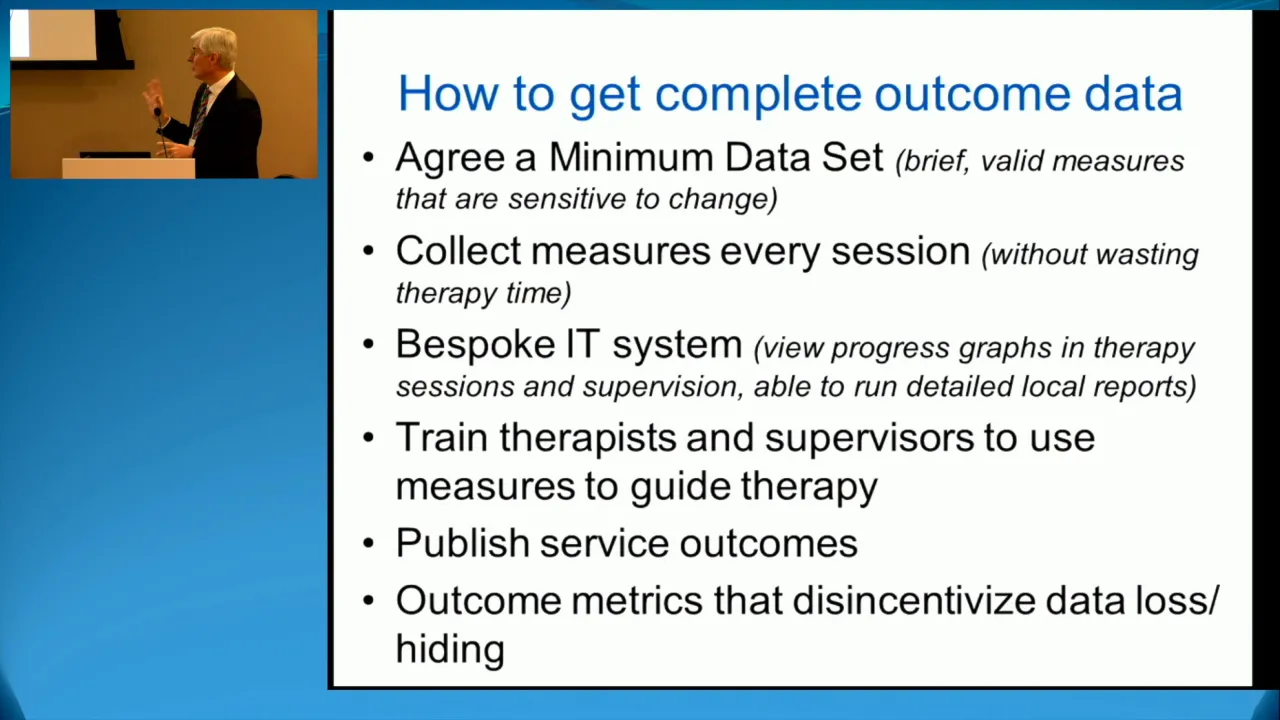
Measurement-based Care in Psychotherapy Workshop - Future of Psychotherapy Conference 2019
UofTPsych
243 views•2019-04-25

51:52
Psychology
Dr. Carol Tavris — Mistakes Were Made (But Not by Me)
skepticmagazine
14K views•2019-05-02
Trending

13:25
Business
Playstation NO DISC/NO BUY Fight Is Over...
DavidJaffeGames
4K views•2026-07-23

22:40
Business
Steam and Xbox Just Dropped The Hammer On PlayStation
OhNoItsAlexx
9K views•2026-07-23

16:52
Anthropology
Americans Confused in Australia for 17 Minutes Straight
IWrocker
17K views•2026-07-23

20:36
Business
SuperBike Factory Has Gone... What's Next for the Motorcycle Industry?
thatbikersimon
11K views•2026-07-22