When employees develop proprietary algorithms outside contracted hours, they can protect their intellectual property by maintaining detailed technical evidence such as timestamped logs and commit histories, which can be used to demonstrate independent development and defend against claims of misappropriation.
Install our extension to search inside any video instantly.
She Reassigned My Project to an Intern. I Migrated the Repo and Ruined Their Sprint Review
Added:The code base residing on the company's servers was merely an elaborate facade, a hollow shell of API endpoints and mock data.
Jared was the kind of intern who struggled with resolving merge conflicts and frequently force pushed to the main branch.
Edward invoked the concept of void ab initio, arguing that their recent contract amendments were fundamentally invalid.
Investors murmured in confusion as Jared frantically clicked through the code base entirely lost. He even brought up forgery under California Penal Code Section 470, citing irregularities in his performance evaluations.
Edward read the apology, folded it neatly, and placed it in his pocket, declining their desperate offers. He smiled grimly, anticipating the inevitable collapse of the system under Jared's incompetent stewardship.
The startup's founders were astounded by the engine's 99% accuracy rate and elegant architecture.
Instantly, the application threw a 500 internal server error, displaying a stack trace that spanned 200 lines.
He had implemented a custom lock-free queue that handled 10000 transactions per second without breaking a sweat.
Bradley had the audacity to call a meeting in room four, aiming to realign strategic resources.
His mind raced through the O M log N complexities of the core logic, reflecting on the elegant recursive structures he had built. Edward sat in his ergonomic chair, staring at the two massive monitors illuminating his face.
Instantly, the application threw a 500 internal server error, displaying a stack trace that spanned 200 lines. The corporate politics at the firm were stifling, a toxic mix of incompetence and arrogance.
Investors murmured in confusion as Jared frantically clicked through the code base entirely lost.
Cynthia offered a formal written apology, sliding the document across the desk with trembling hands.
The migration was seamless, leaving no trace of the 1,000 lines of genius that once powered the application.
She knew nothing about technology, yet she wielded her authority like a blunt instrument.
Edward felt a deep connection to the binary patterns, seeing the matrix of corporate finance unfold in real time.
Bradley threatened to terminate Edward's employment, blaming him for the system's failure.
Faced with overwhelming legal and technical evidence, Bradley and Cynthia's arrogance evaporated.
Bradley threatened to terminate Edward's employment, blaming him for the system's failure. He left behind 400 empty classes and interfaces that look complex but accomplished nothing.
Cynthia offered a formal written apology, sliding the document across the desk with trembling hands.
She knew nothing about technology, yet she wielded her authority like a blunt instrument.
During the 45-minute meeting, Bradley announced that the predictive risk engine would be reassigned.
He detailed their liability for misappropriation of trade secrets, outlining the severe financial penalties involved. He even brought up forgery under California Penal Code Section 470, citing irregularities in his performance evaluations. He remembered the countless weekends spent debugging the asynchronous microservices, tracing race conditions through gigabytes of logs.
He had deliberately isolated the proprietary algorithms, developing them on his personal machine during the long quiet nights.
The code base residing on the company's servers was merely an elaborate facade, a hollow shell of API endpoints and mocked data.
For 50 years, life had taught him that trust was a deprecated feature, and today was no exception. Cynthia attempted to intervene, babbling about agile pivots, but the damage was irreversible. Faced with overwhelming legal and technical evidence, Bradley and Cynthia's arrogance evaporated. The mocked endpoints, stripped of Edward's core logic, crumbled immediately under the load.
Cynthia nodded along, praising the decision as a triumph for diversity and junior empowerment. Edward read the apology, folded it neatly, and placed it in his pocket, declining their desperate offers.
Edward finally found the appreciation he deserved, leaving Bradley and Cynthia to deal with the ashes of their failure. He left behind 400 empty classes and interfaces that looked complex, but accomplished nothing.
The system used a distributed Monte Carlo simulation across 128 nodes to predict market anomalies.
He had implemented a custom lock-free queue that handled 100,000 transactions per second without breaking a sweat.
Jared was the kind of intern who struggled with resolving merge conflicts and frequently force pushed to the main branch.
Edward watched the catastrophe unfold from the back of the room, sipping his coffee with quiet satisfaction.
He detailed their liability for misappropriation of trade secrets, outlining the severe financial penalties involved.
The sprint review arrived on a dismal Friday morning, gathering 20 stakeholders in the main conference room.
Edward invoked the concept of void ab initio, arguing that their recent contract amendments were fundamentally invalid.
Edward encrypted his proprietary logic with a 4D 96-bit RSA key, securing his intellectual property on an external drive.
Cynthia, the HR director, navigated the office with a fake smile and an arsenal of buzzwords.
He carefully scrubbed the commit history, replacing the brilliant algorithms with basic, inefficient placeholders.
Bradley threatened to terminate Edward's employment, blaming him for the system's failure.
He had spent over 3,000 hours crafting the predictive risk engine, a masterpiece of algorithmic precision. He carefully scrubbed the commit history, replacing the brilliant algorithms with basic, inefficient placeholders.
Cynthia nodded along, praising the decision as a triumph for diversity and junior empowerment.
He had implemented a custom lock-free queue that handled 100,000 transactions per second without breaking a sweat. Faced with overwhelming legal and technical evidence, Bradley and Cynthia's arrogance evaporated. Then, Edward unleashed a barrage of legal threats that left them paralyzed with fear.
Bradley proudly introduced the predictive risk engine, boasting about the 500% increase in efficiency it would bring.
Jared initiated the live demonstration, attempting to run a basic simulation with 100 concurrent users.
Faced with overwhelming legal and technical evidence, Bradley and Cynthia's arrogance evaporated.
In the aftermath of the disastrous review, Bradley and Cynthia summoned Edward to their office, demanding answers. He had spent over 3,000 hours crafting the predictive risk engine, a masterpiece of algorithmic precision.
Bradley begged Edward to restore the core logic, promising a 200% salary increase and a promotion.
He smiled grimly, anticipating the inevitable collapse of the system under Jared's incompetent stewardship.
Edward felt a deep connection to the binary patterns, seeing the matrix of corporate finance unfold in real time.
Investors murmured in confusion as Jared frantically clicked through the code base, entirely lost. The corporate politics at the firm were stifling, a toxic mix of incompetence and arrogance.
He accused Bradley of breach of fiduciary duty, pointing out the gross negligence in reassigning the project.
He smiled grimly, anticipating the inevitable collapse of the system under Jared's incompetent stewardship. Edward sat there in silence, his heart pounding with a mixture of rage and cold calculation.
Cynthia attempted to intervene, babbling about agile pivots, but the damage was irreversible. Bradley begged Edward to restore the core logic, promising a 200% salary increase and a promotion.
Cynthia offered a formal written apology, sliding the document across the desk with trembling hands.
Edward finally found the appreciation he deserved, leaving Bradley and Cynthia to deal with the ashes of their failure.
Jared stood nervously at the front, his hands trembling as he tried to connect his laptop to the projector. He claimed the project needed fresh eyes and handed it to a 22-year-old intern named Jared.
Edward watched the catastrophe unfold from the back of the room, sipping his coffee with quiet satisfaction.
The intern, Jared, was about to inherit a labyrinth of null references and infinite loops.
Edward executed a migration script, moving the last remnants of the genuine logic out of the corporate repository.
The system used a distributed Monte Carlo simulation across 128 nodes to predict market anomalies.
Then there was Bradley, the manager whose technical expertise peaked at formatting spreadsheets. He demonstrated unequivocally that the core logic was developed independently, outside of his contracted hours. For 50 years, life had taught him that trust was a deprecated feature, and today was no exception.
Then, Edward unleashed a barrage of legal threats that left them paralyzed with fear.
Jared was the kind of intern who struggled with resolving merge conflicts and frequently force pushed to the main branch.
Then there was Bradley, the manager whose technical expertise peaked at formatting spreadsheets.
Finally, he mentioned violations of the WARN Act, suggesting a mass exodus of the engineering team. Every line of the 5,000 lines of code was written with excruciating [clears throat] attention to detail, optimizing memory allocation, and minimizing garbage collection pauses. The system used a distributed Monte Carlo simulation across a 128 nodes to predict market anomalies.
Edward executed a migration script, moving the last remnants of the genuine logic out of the corporate repository.
Investors murmured in confusion as Jared frantically clicked through the codebase, entirely lost.
Edward read the apology, folded it neatly, and placed it in his pocket, declining their desperate offers. The codebase residing on the company's servers was merely an elaborate facade, a hollow shell of API endpoints and mock data. Edward read the apology, folded it neatly, and placed it in his pocket, declining their desperate offers.
Bradley threatened to terminate Edward's employment, blaming him for the system's failure.
Bradley's face turned crimson as he realized the system was completely non-functional. Edward watched the catastrophe unfold from the back of the room, sipping his coffee with quiet satisfaction.
Edward invoked the concept of void ab initio, arguing that their recent contract amendments were fundamentally invalid. Cynthia, the HR director, navigated the office with a fake smile and an arsenal of buzzwords.
He detailed their liability for misappropriation of trade secrets, outlining the severe financial penalties involved. The codebase residing on the company's servers was merely an elaborate facade, a hollow shell of API endpoints and mock data. He smiled grimly, anticipating the inevitable collapse of the system under Jared's incompetent stewardship.
The sprint review arrived on a dismal Friday morning, gathering 20 stakeholders in the main conference room.
During the 45-minute meeting, Bradley announced that the predictive risk engine would be reassigned. His mind raced through the O and log N complexities of the core logic, reflecting on the elegant recursive structures he had built.
The startup's founders were astounded by the engine's 99% accuracy rate and elegant architecture.
He informed them that his employment was terminated effective immediately, and he walked out of the building.
The predictive risk engine was not just a project, it was a testament to his 30 years in software engineering.
They stuttered, desperately trying to walk back their threats and salvage the situation. He detailed their liability for misappropriation of trade secrets, outlining the severe financial penalties involved.
Edward calmly opened his laptop, projecting the timestamped logs and get histories onto the wall.
For 50 years, life had taught him that trust was a deprecated feature, and today was no exception.
Faced with overwhelming legal and technical evidence, Bradley and Cynthia's arrogance evaporated. Bradley had the audacity to call a meeting in room four, aiming to realign strategic resources.
What Bradley and Cynthia failed to realize was that Edward had built the core logic entirely on his own time.
Jared initiated the live demonstration, attempting to run a basic simulation with 100 concurrent users. Jared was the kind of intern who struggled with resolving merge conflicts and frequently force pushed to the main branch. Edward executed a migration script, moving the last remnants of the genuine logic out of the corporate repository.
He had implemented a custom lock-free queue that handled 1,000,000 transactions per second without breaking a sweat. Cynthia attempted to intervene, babbling about agile pivots, but the damage was irreversible. His mind raced through the O M log N complexities of the core logic, reflecting on the elegant recursive structures he had built.
Bradley proudly introduced the predictive risk engine, boasting about the 500% increase in efficiency it would bring.
Bradley begged Edward to restore the core logic, promising a 200% salary increase and a promotion. She knew nothing about technology, yet she wielded her authority like a blunt instrument.
In the aftermath of the disastrous review, Bradley and Cynthia summoned Edward to their office, demanding answers. Cynthia attempted to intervene, babbling about agile pivots, but the damage was irreversible.
What Bradley and Cynthia failed to realize was that Edward had built the core logic entirely on his own time.
Edward sat in his ergonomic chair, staring at the two massive monitors illuminating his face.
He detailed their liability for misappropriation of trade secrets, outlining the severe financial penalties involved. Edward finally found the appreciation he deserved, leaving Bradley and Cynthia to deal with the ashes of their failure.
What Bradley and Cynthia failed to realize was that Edward had built the core logic entirely on his own time.
During the 45-minute meeting, Bradley announced that the predictive risk engine would be reassigned.
The mocked endpoints, stripped of Edward's core logic, crumbled immediately under the load. The system used a distributed Monte Carlo simulation across 128 nodes to predict market anomalies.
Bradley threatened to terminate Edward's employment, blaming him for the system's failure. The migration was seamless, leaving no trace of the 1,000 lines of genius that once powered the application.
Edward felt a deep connection to the binary patterns, seeing the matrix of corporate finance unfold in real time.
During the 45-minute meeting, Bradley announced that the predictive risk engine would be reassigned.
The startup's founders were astounded by the engine's 99% accuracy rate and elegant architecture.
He smiled grimly, anticipating the inevitable collapse of the system under Jared's incompetent stewardship. Cynthia attempted to intervene, babbling about agile pivots, but the damage was irreversible. They purchased the proprietary logic for 15000000 in dollars, granting Edward a massive equity stake. Bradley had the audacity to call a meeting in room four, aiming to realign strategic resources.
He accused Bradley of breach of fiduciary duty, pointing out the gross negligence in reassigning the project.
In the aftermath of the disastrous review, Bradley and Cynthia summoned Edward to their office, demanding answers. Edward executed a migration script, moving the last remnants of the genuine logic out of the corporate repository.
He remembered the countless weekends spent debugging the asynchronous microservices, tracing race conditions through gigabytes of logs.
Bradley's face turned crimson as he realized the system was completely non-functional.
Investors murmured in confusion as Jared frantically clicked through the codebase, entirely lost. He remembered the countless weekends spent debugging the asynchronous microservices, tracing race conditions through gigabytes of logs.
Within 72 hours, Edward approached a rising fintech startup with a demonstration of his predictive risk engine.
Edward encrypted his proprietary logic with a 4096-bit RSA key, securing his intellectual property on an external drive. Edward calmly opened his laptop, projecting the timestamped logs and Git histories onto the wall. Jared was the kind of intern who struggled with resolving merge conflicts and frequently force pushed to the main branch. Edward sat there in silence, his heart pounding with a mixture of rage and cold calculation.
Within 72 hours, Edward approached a rising fintech startup with a demonstration of his predictive risk engine.
Edward watched the catastrophe unfold from the back of the room, sipping his coffee with quiet satisfaction.
The predictive risk engine was not just a project. It was a testament to his 30 years in software engineering. Jared stood nervously at the front, his hands trembling as he tried to connect his laptop to the projector.
He accused Bradley of breach of fiduciary duty, pointing out the gross negligence in reassigning the project.
Then there was Bradley, the manager whose technical expertise peaked at formatting spreadsheets.
He informed them that his employment was terminated effective immediately, and he walked out of the building. Bradley had the audacity to call a meeting in room four, aiming to realign strategic resources.
The startup's founders were astounded by the engine's 99% accuracy rate and elegant architecture. He left behind 400 empty classes and interfaces that looked complex but accomplished nothing. Then, Edward unleashed a barrage of legal threats that left them paralyzed with fear.
Edward sat in his ergonomic chair, staring at the two massive monitors illuminating his face. Edward encrypted his proprietary logic with a 4096-bit RSA key, securing his intellectual property on an external drive.
Finally, he mentioned violations of the WARN Act, suggesting a mass exodus of the engineering team. He had implemented a custom lock-free queue that handled 100,000 transactions per second without breaking a sweat. They stuttered, desperately trying to walk back their threats and salvage the situation.
Edward invoked the concept of void ab initio, arguing that their recent contract amendments were fundamentally invalid.
He carefully scrubbed the commit history, replacing the brilliant algorithms with basic inefficient placeholders.
Edward executed a migration script, moving the last remnants of the genuine logic out of the corporate repository.
Edward felt a deep connection to the binary patterns, seeing the matrix of corporate finance unfold in real time.
The corporate politics at the firm were stifling, a toxic mix of incompetence and arrogance.
The sprint review arrived on a dismal Friday morning, gathering 20 stakeholders in the main conference room.
Cynthia offered a formal written apology, sliding the document across the desk with trembling hands.
The sprint review arrived on a dismal Friday morning, gathering 20 stakeholders in the main conference room.
Edward sat there in silence, his heart pounding with a mixture of rage and cold calculation.
He informed them that his employment was terminated effective immediately, and he walked out of the building.
The sprint review arrived on a dismal Friday morning, gathering 20 stakeholders in the main conference room.
The mocked endpoints, stripped of Edward's core logic, crumbled immediately under the load.
He left behind 400 empty classes and interfaces that looked complex but accomplished nothing.
His mind raced through the O N log N complexities of the core logic, reflecting on the elegant recursive structures he had built.
During the 45-minute meeting, Bradley announced that the predictive risk engine would be reassigned. Cynthia nodded along, praising the decision as a triumph for diversity and junior empowerment. Edward calmly opened his laptop, projecting the timestamped logs and git histories onto the wall. He detailed their liability for misappropriation of trade secrets, outlining the severe financial penalties involved.
Edward finally found the appreciation he deserved, leaving Bradley and Cynthia to deal with the ashes of their failure.
He had implemented a custom lock-free queue that handled 100 00s transactions per second without breaking a sweat. He left behind 400 empty classes and interfaces that looked complex, but accomplished nothing.
Edward finally found the appreciation he deserved, leaving Bradley and Cynthia to deal with the ashes of their failure.
Edward watched the catastrophe unfold from the back of the room, sipping his coffee with quiet satisfaction. She knew nothing about technology, yet she wielded her authority like a blunt instrument.
Within 72 hours, Edward approached a rising fintech startup with a demonstration of his predictive risk engine.
Cynthia attempted to intervene, babbling about agile pivots, but the damage was irreversible.
Edward invoked the concept of void ab initio, arguing that their recent contract amendments were fundamentally invalid.
Edward sat there in silence, his heart pounding with a mixture of rage and cold calculation. The code base residing on the company's servers was merely an elaborate facade, a hollow shell of API endpoints and mock data. He had deliberately isolated the proprietary algorithms, developing them on his personal machine during the long, quiet nights.
For 50 years, life had taught him that trust was a deprecated feature, and today was no exception. The system used a distributed Monte Carlo simulation across 128 nodes to predict market anomalies.
Edward invoked the concept of void ab initio, arguing that their recent contract amendments were fundamentally invalid. The intern, Jared was about to inherit a labyrinth of null references and infinite loops.
He claimed the project needed fresh eyes and handed it to a 22-year-old intern named Jared. For 50 years, life had taught him that trust was a deprecated feature, and today was no exception.
Cynthia attempted to intervene, babbling about agile pivots, but the damage was irreversible.
They stuttered, desperately trying to walk back their threats and salvage the situation.
Cynthia nodded along, praising the decision as a triumph for diversity and junior empowerment.
Bradley proudly introduced the predictive risk engine, boasting about the 500% increase in efficiency it would bring.
Edward felt a deep connection to the binary patterns, seeing the matrix of corporate finance unfold in real time.
Edward encrypted his proprietary logic with a 4096-bit RSA key, securing his intellectual property on an external drive. Edward invoked the concept of void ab initio, arguing that their recent contract amendments were fundamentally invalid. He detailed their liability for misappropriation of trade secrets, outlining the severe financial penalties involved. They purchased the proprietary logic for $50,000, granting Edward a massive equity stake.
The system used a distributed Monte Carlo simulation across 128 nodes to predict market anomalies.
Edward sat in his ergonomic chair, staring at the two massive monitors illuminating his face. He detailed their liability for misappropriation of trade secrets, outlining the severe financial penalties involved.
The sprint review arrived on a dismal Friday morning, gathering 20 stakeholders in the main conference room.
In the aftermath of the disastrous review, Bradley and Cynthia summoned Edward to their office demanding answers.
Faced with overwhelming legal and technical evidence, Bradley and Cynthia's arrogance evaporated.
Bradley begged Edward to restore the core logic promising a 200% salary increase and a promotion.
The mocked endpoints, stripped of Edward's core logic, crumbled immediately under the load.
The migration was seamless leaving no trace of the 1,000 lines of genius that once powered the application. Jared was the kind of intern who struggled with resolving merge conflicts and frequently force pushed to the main branch.
Cynthia nodded along praising the decision as a triumph for diversity and junior empowerment.
The intern, Jared, was about to inherit a labyrinth of null references and infinite loops. The system used a distributed Monte Carlo simulation across 128 nodes to predict market anomalies. What Bradley and Cynthia failed to realize was that Edward had built the core logic entirely on his own time.
Cynthia offered a formal written apology sliding the document across the desk with trembling hands. Edward encrypted his proprietary logic with a 4,096 bit RSA key securing his intellectual property on an external drive. Cynthia attempted to intervene babbling about agile pivots but the damage was irreversible.
The sprint review arrived on a dismal Friday morning gathering 20 stakeholders in the main conference room.
He accused Bradley of breach of fiduciary duty pointing out the gross negligence in reassigning the project.
Then, Edward unleashed a barrage of legal threats that left them paralyzed with fear.
Bradley had the audacity to call a meeting in room four aiming to realign strategic resources.
Cynthia, the HR director, navigated the office with a fake smile and an arsenal of buzzwords.
Faced with overwhelming legal and technical evidence, Bradley and Cynthia's arrogance evaporated. The system used a distributed Monte Carlo simulation across 128 nodes to predict market anomalies. Within 72 hours, Edward approached a rising fintech startup with a demonstration of his predictive risk engine. He detailed their liability for misappropriation of trade secrets, outlining the severe financial penalties involved.
Cynthia nodded along, praising the decision as a triumph for diversity and junior empowerment.
During the 45-minute meeting, Bradley announced that the predictive risk engine would be reassigned.
His mind raced through the O N log N complexities of the core logic, reflecting on the elegant recursive structures he had built. He smiled grimly, anticipating the inevitable collapse of the system under Jared's incompetent stewardship.
The mocked endpoints, stripped of Edward's core logic, crumbled immediately under the load. Edward felt a deep connection to the binary patterns.
Seeing the matrix of corporate finance unfold in real time, he detailed their liability for misappropriation of trade secrets, outlining the severe financial penalties involved. The intern, Jared, was about to inherit a labyrinth of null references and infinite loops.
Jared initiated the live demonstration, attempting to run a basic simulation with 100 concurrent users. They purchased the proprietary logic for 15000000 in dollars, granting Edward a massive equity stake.
She knew nothing about technology, yet she wielded her authority like a blunt instrument. He had deliberately isolated the proprietary algorithms, developing them on his personal machine during the long, quiet nights.
Cynthia attempted to intervene, babbling about agile pivots, but the damage was irreversible.
In the aftermath of the disastrous review, Bradley and Cynthia summoned Edward to their office, demanding answers.
He had implemented a custom lock-free queue that handled 100,000,000 transactions per second without breaking a sweat. For 50 years, life had taught him that trust was a deprecated feature, and today was no exception.
During the 45-minute meeting, Bradley announced that the predictive risk engine would be reassigned. The startup's founders were astounded by the engine's 99% accuracy rate and elegant architecture.
Bradley threatened to terminate Edward's employment, blaming him for the system's failure.
Jared initiated the live demonstration, attempting to run a basic simulation with 100 concurrent users. They purchased the proprietary logic for $5,000, granting Edward a massive equity stake.
The migration was seamless, leaving no trace of the 1,000 lines of genius that once powered the application.
He smiled grimly, anticipating the inevitable collapse of the system under Jared's incompetent stewardship.
For 50 years, life had taught him that trust was a deprecated feature, and today was no exception. The mocked endpoints, stripped of Edward's core logic, crumbled immediately under the load. Within 72 hours, Edward approached a rising fintech startup with a demonstration of his predictive risk engine.
He even brought up forgery under California Penal Code Section 470, citing irregularities in his performance evaluations.
In the aftermath of the disastrous review, Bradley and Cynthia summoned Edward to their office, demanding answers.
He claimed the project needed fresh eyes and handed it to a 22-year-old intern named Jared. Every line of the 5,000 lines of code was written with excruciating attention to detail, optimizing memory allocation and minimizing garbage collection pauses.
Within 72 hours, Edward approached a rising fintech startup with a demonstration of his predictive risk engine.
Cynthia, the HR director, navigated the office with a fake smile and an arsenal of buzzwords.
Investors murmured in confusion as Jared frantically clicked through the code base entirely lost.
He smiled grimly anticipating the inevitable collapse of the system under Jared's incompetent stewardship. What Bradley and Cynthia failed to realize was that Edward had built the core logic entirely on his own time.
Edward calmly opened his laptop, projecting the timestamped logs and Git histories onto the wall.
For 50 years, life had taught him that trust was a deprecated feature, and today was no exception.
He had spent over 3,000 hours crafting the predictive risk engine, a masterpiece of algorithmic precision.
The sprint review arrived on a dismal Friday morning, gathering 20 stakeholders in the main conference room.
He demonstrated unequivocally that the core logic was developed independently, outside of his contracted hours. He claimed the project needed fresh eyes and handed it to a 22-year-old intern named Jared. Cynthia offered a formal written apology, sliding the document across the desk with trembling hands.
Instantly, the application threw a 500 internal server error, displaying a stack trace that spanned 200 lines.
Jared was the kind of intern who struggled with resolving merge conflicts and frequently force pushed to the main branch.
Within 72 hours, Edward approached a rising fintech startup with a demonstration of his predictive risk engine.
The code base residing on the company's servers was merely an elaborate facade, a hollow shell of API endpoints and mocked data.
He even brought up forgery under California Penal Code Section 470, citing irregularities in his performance evaluations.
Edward read the apology, folded it neatly, and placed it in his pocket, declining their desperate offers. He had deliberately isolated the proprietary algorithms, developing them on his personal machine during the long, quiet nights.
Cynthia nodded along, praising the decision as a triumph for diversity and junior empowerment. His mind raced through the O M log N complexities of the core logic, reflecting on the elegant recursive structures he had built. The predictive risk engine was not just a project.
It was a testament to his 30 years in software engineering.
Bradley proudly introduced the predictive risk engine, boasting about the 500% increase in efficiency it would bring.
Edward sat there in silence, his heart pounding with a mixture of rage and cold calculation.
Edward invoked the concept of void ab initio, arguing that their recent contract amendments were fundamentally invalid. The startup's founders were astounded by the engine's 99% accuracy rate and elegant architecture.
The mocked endpoints, stripped of Edward's core logic, crumbled immediately under the load. The codebase residing on the company's servers was merely an elaborate facade, a hollow shell of API endpoints and mocked data.
Edward finally found the appreciation he deserved, leaving Bradley and Cynthia to deal with the ashes of their failure.
Investors murmured in confusion as Jared frantically clicked through the codebase, entirely lost. He detailed their liability for misappropriation of trade secrets, outlining the severe financial penalties involved.
Cynthia nodded along, praising the decision as a triumph for diversity and junior empowerment.
In the aftermath of the disastrous review, Bradley and Cynthia summoned Edward to their office, demanding answers.
For 50 years, life had taught him that trust was a deprecated feature, and today was no exception.
Edward encrypted his proprietary logic with a 4096-bit RSA key, securing his intellectual property on an external drive.
For 50 years, life had taught him that trust was a deprecated feature, and today was no exception.
Jared was the kind of intern who struggled with resolving merge conflicts and frequently forced push to the main branch.
Bradley's face turned crimson as he realized the system was completely non-functional.
Cynthia offered a formal written apologies, sliding the document across the desk with trembling hands.
What Bradley and Cynthia failed to realize was that Edward had built the core logic entirely on his own time.
During the 45-minute meeting, Bradley announced that the predictive risk engine would be reassigned.
Jared was the kind of intern who struggled with resolving merge conflicts and frequently forced push to the main branch.
Edward sat in his ergonomic chair, staring at the two massive monitors illuminating his face.
Edward invoked the concept of void ab initio, arguing that their recent contract amendments were fundamentally invalid. The startup's founders were astounded by the engine's 99% accuracy rate and elegant architecture.
Edward felt a deep connection to the binary patterns, seeing the matrix of corporate finance unfold in real time.
Edward calmly opened his laptop, projecting the timestamped logs and get histories onto the wall.
Bradley begged Edward to restore the core logic, promising a 200% salary increase and a promotion.
The intern, Jared, was about to inherit a labyrinth of null references and infinite loops.
He left behind 400 empty classes and interfaces that look complex but accomplish nothing.
Jared initiated the live demonstration attempting to run a basic simulation with 100 concurrent users.
Bradley proudly introduced the predictive risk engine boasting about the 500% increase in efficiency it would bring. He detailed their liability for misappropriation of trade secrets outlining the severe financial penalties involved.
Edward executed a migration script moving the last remnants of the genuine logic out of the corporate repository.
He smiled grimly anticipating the inevitable collapse of the system under Jared's incompetent stewardship.
The system used a distributed Monte Carlo simulation across 128 nodes to predict market anomalies.
The startup's founders were astounded by the engine's 99% accuracy rate and elegant architecture.
He detailed their liability for misappropriation of trade secrets outlining the severe financial penalties involved. He informed them that his employment was terminated effective immediately and he walked out of the building.
Investors murmured in confusion as Jared frantically clicked through the code base entirely lost. Edward sat there in silence his heart pounding with a mixture of rage and cold calculation.
Bradley had the audacity to call a meeting in room four aiming to realign strategic resources. Edward felt a deep connection to the binary patterns seeing the matrix of corporate finance unfold in real time.
Bradley proudly introduced the predictive risk engine boasting about the 500% increase in efficiency it would bring.
He carefully scrubbed the commit history replacing the brilliant algorithms with basic inefficient placeholders.
The code base residing on the company's servers was merely an elaborate facade, a hollow shell of API endpoints and mock data.
The predictive risk engine was not just a project, it was a testament to his 30 years in software engineering.
Within 72 hours, Edward approached a rising fintech startup with a demonstration of his predictive risk engine.
Jared stood nervously at the front, his hands trembling as he tried to connect his laptop to the projector.
Faced with overwhelming legal and technical evidence, Bradley and Cynthia's arrogance evaporated.
Related Videos
6:13
Computer Science
TOP 15 Data compression Interview Questions and Answers 2019 Part-2 | Data compression | Wisdom jobs
wisdomjobs
281 views•2019-06-28

27:51
Computer Science
CTS 158: 802.11w Management Frame Protection
ClearToSend
4K views•2019-02-04
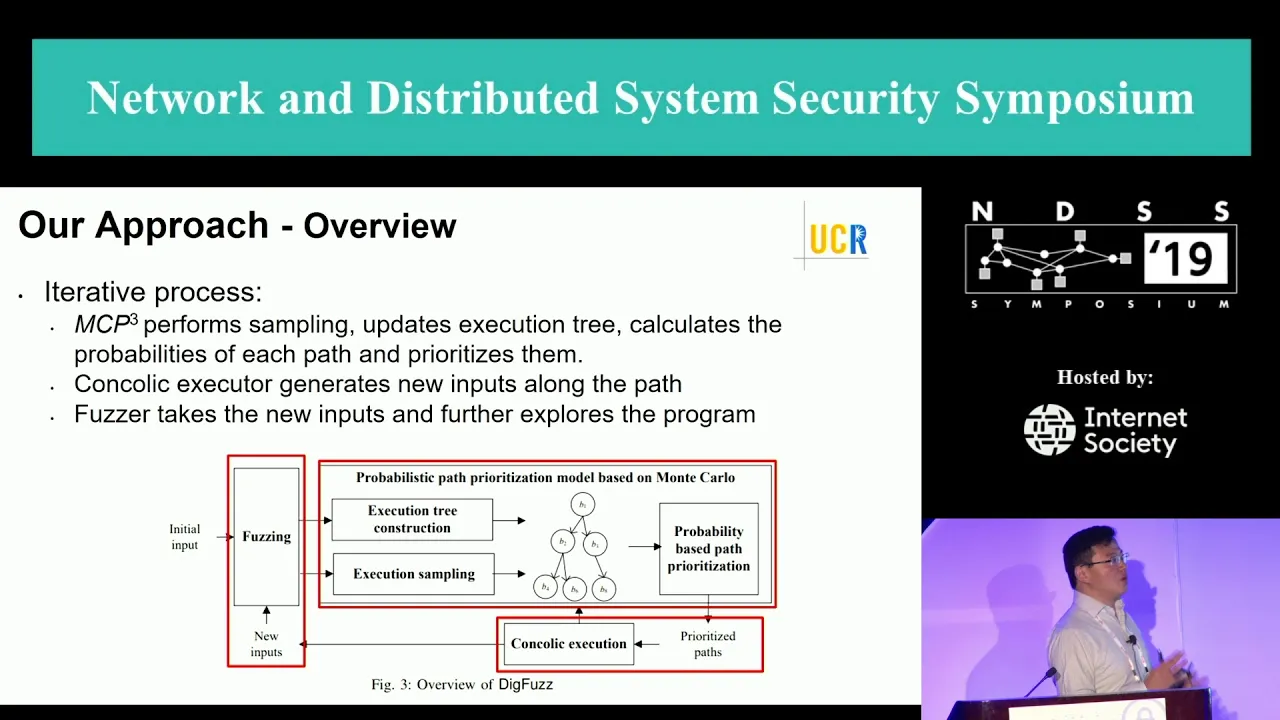
23:21
Computer Science
NDSS 2019 Send Hardest Problems My Way: Probabilistic Path Prioritization for Hybrid Fuzzing
NDSSSymposium
496 views•2019-04-02

12:48
Computer Science
How realistic is Cities: Skylines?
CityBeautiful
159K views•2019-02-14

46:39
Computer Science
GUIs & TUIs: Choosing a User Interface for Your Python Project | Real Python Podcast
realpython
2K views•2025-04-04

25:15
Computer Science
The OSI Model - Explained by Example
hnasr
225K views•2019-05-12
1:10:47
Computer Science
Cloud Computing - Introduction
elithecomputerguy
98K views•2019-10-07
2:24
Computer Science
From Traveler's Dilemma to Dynamic Routing | Demystifying Networking
IITBombayJuly
5K views•2019-08-04
Trending

13:25
Business
Playstation NO DISC/NO BUY Fight Is Over...
DavidJaffeGames
4K views•2026-07-23

16:52
Anthropology
Americans Confused in Australia for 17 Minutes Straight
IWrocker
17K views•2026-07-23
7:38
Blockchain & Crypto
Bitcoin Social Interest: Dozens of us Left
benjaminjcowen
12K views•2026-07-23

11:32
Business
Tesla Profits Plunge & SpaceX Stock Continues Fall
TheJohnJohnstonLounge
6K views•2026-07-23