Scientists have discovered planets orbiting extremely close to their stars in regions previously thought to be too harsh for planetary survival, challenging existing theories about planet formation and demonstrating that the universe can create worlds in environments once considered impossible.
Install our extension to search inside any video instantly.
Scientists Found Planets in a Region Where Planets Shouldn’t ExistAdded:
Scientists [music] found planets in a place where planets shouldn't exist.
The region is so extreme, astronomers once thought planets there [music] would be destroyed.
But new observations revealed something unexpected. The planets were there anyway.
Some orbit incredibly close to their stars [music] inside one of the harshest environments scientists have studied.
Now researchers are trying to understand how these worlds managed to survive at all.
And discoveries like this [music] are changing what scientists thought they knew about how planets form in space.
Which means the universe may be capable of creating worlds in places humans once believed were impossible.
Right now, [music] there may already be planets surviving in regions of space we still barely understand.
Related Videos

Spiral Galaxy NGC 3370 from Hubble | NASA APOD 2025-11-05 #Shorts
galaxygallery
938 views•2026-05-30

SOMETHING inside the SUN is CHANGING
RaysAstrophotography
1K views•2026-06-03

There May Be A Giant Hole In The Universe... And We Might Be Inside It | The Cosmic Ledger Entry 015
TheCosmicLedger
145 views•2026-05-31

Captured the Blue Moon (with a twist) 🌙✨ #space #bluemoon #telescope
realAstroExplorer
674 views•2026-06-01

The Map We Sent to the Stars in 1977 — Why Scientists Now Regret It
TheAncientRecord7
183 views•2026-06-03

Is this a copy of our galaxy? Discover Galaxy M81!
UniverseDocumentaries-cc4mb
995 views•2026-05-31

10 Planet Where a Black Hole Replaces the Sun
cosmicexplorer-EN
147 views•2026-06-02
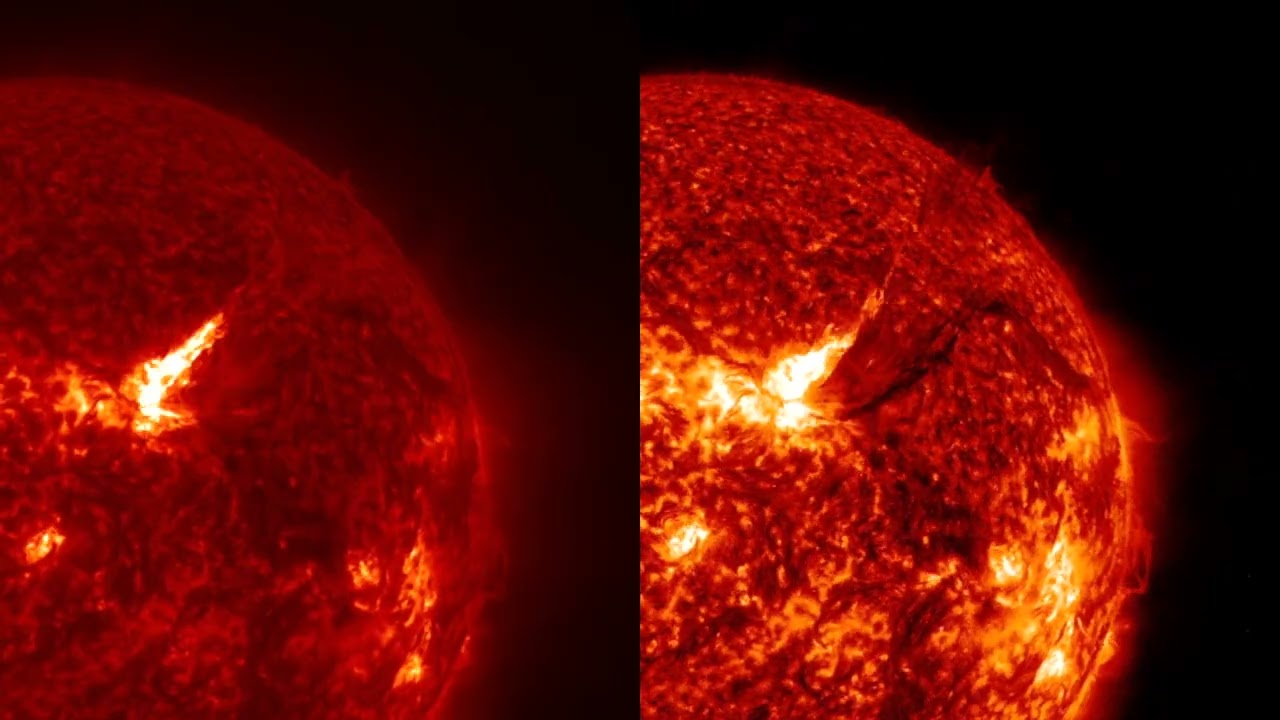
Solar Flares and CMEs at Earth - More Likely | S0 News June.3.2026
SpaceWeatherNewsS0s
2K views•2026-06-03



