Standard fasting glucose and A1C tests are late-stage markers that only detect insulin resistance after years of metabolic damage; five essential labs that can identify insulin resistance 5-10 years before A1C changes include fasting insulin (optimal 2-10 mIU/L), HOMA-IR (optimal below 1.5), triglyceride-to-HDL ratio (optimal below 1.5), hs-CRP (optimal below 1.0 mg/L), and a full thyroid panel (TSH, Free T3, Free T4, and antibodies).
Install our extension to search inside any video instantly.
Ask Your Doctor for These 5 Labs (They're Checking the Wrong Ones)
Added:Your fasting glucose is normal. Your A1C is fine. Your doctor says, "Hey, see you next year." But gang, you are gaining belly fat you cannot lose. You are crashing after every meal. You're waking up exhausted. Something's wrong. And the labs your doctor ran are not finding it.
Because they checked the wrong ones.
Today, I'm giving you the five specific labs you need to ask for at your next appointment. Including the one test that can catch insulin resistance 5 to 10 years before your A1C ever moves. Most women with prediabetes go undiagnosed for years because these labs are never ordered. That ends today. And I also have a special offer about those labs.
I'm Shelly. I'm a registered dietitian.
And your body is screaming that something is wrong.
Here is the problem with the standard diabetes screening panel. Your doctor orders a fasting glucose and an A1C.
That's it. These tests measure your blood sugar level. But blood sugar is a late-stage marker. By the time your blood sugar is elevated, your insulin has been struggling for years. Think of it this way. Blood sugar is the symptom.
Insulin resistance is the disease. And the standard labs only measure the symptom after it's already showing up.
If your doctor is only checking fasting glucose and A1C, they are essentially checking the oil light after the engine is already started overheating. You need the full picture. Here are the five labs that give you the full picture. The single most important lab most doctors have never ordered is your fasting insulin level. Not fasting glucose, not A1C, fasting insulin. A normal fasting glucose is 70 to 99. You can have a fasting glucose of 88, completely normal, a fasting insulin of 25, which signals your pancreas is working five times harder than it should to keep that glucose stable. That is insulin resistance in its early stages.
Undetected, untreated, getting worse every year. What to ask for? I would like a fasting insulin level included with my next lab panel. Optimal range, two to 10. Anything above 15, a serious conversation, and above 20, and your metabolic health is actively in distress, even if your blood sugar looks perfect.
Number two. Once you have your fasting insulin and your fasting glucose, you can calculate something called HOMA-IR, homeostatic model assessment of insulin resistance. This is the gold standard clinical measure of insulin resistance.
The formula, fasting insulin times fasting glucose divided by 405.
Your doctor can calculate this, and so can I, or you can do it yourself with both numbers. Optimal HOMA-IR, below 1.5. A score above 2.0 indicates insulin resistance. 2.9, hey, we need to do some immediate dietary intervention. This one number tells you more about your metabolic health than any other single marker available without a specialist referral. And it costs nothing extra. It uses the labs you're already getting.
Lab number three. Your lipid panel is probably already being ordered, but most people never look at the ratio between their triglycerides and their HDL cholesterol. And this ratio is one of the most powerful predictors of insulin resistance available. Take your triglyceride number and divide it by your HDL number.
Optimal ratio, below 1.5. A ratio above 2.0 is a major red flag for insulin resistance and metabolic syndrome. A ratio above 3.0 means your cardiovascular risk from insulin-driven inflammation is actively elevated. This is a number you can calculate right now from the labs you already have at home.
Pull out your last blood work and do this math. If your ratio is above two, that is a conversation to have with your doctor today. Number four, high-sensitivity C-reactive protein.
Insulin resistance is an inflammatory condition, and the best lab marker for systematic inflammation is CRP. Standard CRP detects acute infection.
High-sensitivity CRP detects the low-grade chronic inflammation. Super important, these are two different tests, so make sure to ask for the high-sensitivity version. Optimal below 1.0. Between 1.0 and 3.0 is elevated risk. Above a 3.0 is high risk and requires immediate attention. If your hs-CRP is elevated alongside high fasting insulin, that is the metabolic storm pattern. Inflammation feeds insulin resistance, insulin resistance feeds inflammation, they cycle together, and both have to be addressed nutritionally. Now, lab number five is a full thyroid panel, not just TSH. The fifth lab most docs miss is a complete thyroid panel. The standard test is thyroid-stimulating hormone, TSH.
THS alone misses subclinical hypothyroidism, which affects up to 20% of women over 40 and directly worsens insulin resistance, weight gain, and fatigue. What to ask for? TSH, free T3, free T4, and thyroid antibodies to screen for Hashimoto's.
These four markers together give you the complete picture. Why does this matter for blood sugar? low thyroid function, slow cellular metabolism, and reduces insulin receptor sensitivity. Women with undiagnosed thyroid issues often blame themselves for the inability to lose weight when the actual problem is a thyroid that's been quietly underperforming for years. Write down these tests. Bring it to your appointment. Say it like this, "I would like to add fasting insulin, hs-crp, homa-ir calculation, a triglyceride to HDL ratio, and a full thyroid panel to my next lab order." You have every right to request these, and a wonderful doctor will already know what you're asking.
Now, if your doctor pushes back or you don't have a PCP, you can request to self-pay for many of these tests through labs like Quest Diagnostics, and yes, through me. I am so excited to tell you that I am offering labs through Fullscript. If this is something you're interested in, scroll in the description box, shoot me an email, and I can send you those exact labs for you to do. You can print out and take it to your local phlebotomist or Quest. If you're serious about using food and nutrition to get real results and real GLP-1 results, I have a signature program specifically built for this. The link to join is in the description box, and I'm also building a pre- and a perimenopause program as well. So, make sure you sign up for that.
I would love to work with you. We can continue working together, continue watching these videos. Be sure to give this video a like and subscribe, and I hope to hear from you in my email.
Thanks, gang.
Related Videos

0:19
Medicine
How Strong Are Breast Implants? Watch This Demo at LPH
londonprivatehospital
967 views•2026-04-20
4:16
Medicine
What is an Office Hysteroscopy? | Fertility Testing Explained at DIRM
DelawareInfertility
17K views•2019-05-06

13:25
Medicine
Pharmacological Management of Stroke Antiplatelet-Acute and Secondary Prevention
Learningin10
8K views•2019-03-04

3:25
Medicine
PMG - Pediatric Pain Management
EASTtraumasurgery
3K views•2019-07-01
20:29
Medicine
Anemia Symptoms And Treatment for Chronic Kidney Disease (CKD) patients
DADVICETV
27K views•2019-08-07

12:30
Medicine
Prostate Cancers and Mimics - Diagnosis
Pathologyminitutorials
3K views•2019-11-20

11:55
Medicine
Vitamin A for Vaccines & Viruses (including Measles!)
DrDavidMD
691 views•2025-03-11
4:10
Medicine
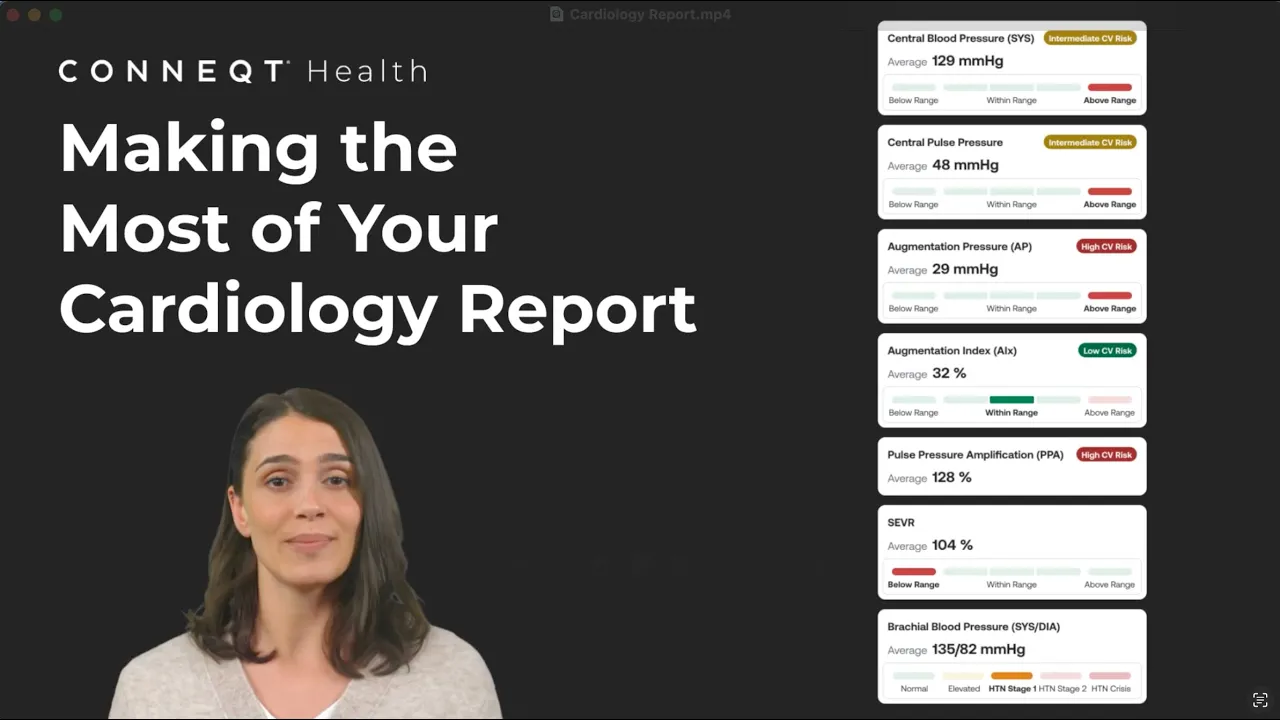
Making the Most of Your Cardiology Report | CONNEQT Cardiovascular Health Resources
conneqthealth
774 views•2025-03-04
Trending

13:38
Law
WOW! Judge TURNS THE TABLES on Trump in His OWN $10B LAWSUIT!!!
MeidasTouch
197K views•2026-07-23

13:25
Business
Playstation NO DISC/NO BUY Fight Is Over...
DavidJaffeGames
4K views•2026-07-23

22:40
Business
Steam and Xbox Just Dropped The Hammer On PlayStation
OhNoItsAlexx
9K views•2026-07-23

16:52
Anthropology
Americans Confused in Australia for 17 Minutes Straight
IWrocker
17K views•2026-07-23