Falling in love creates a fundamental paradox where the very experience that brings joy and connection simultaneously triggers fear and vulnerability, causing some people to pull away as a protective response; this withdrawal is not a sign of disinterest but rather evidence of deep emotional investment, as the brain's reward and fear systems are activated simultaneously, making the person feel both drawn to and threatened by the intensity of their feelings.
Install our extension to search inside any video instantly.
60 Signs Someone Is Pulling Away Because They're Falling in Love | Psychology Of Love
Added:Welcome back to this deep dive into one of the most confusing, most misunderstood, and most emotionally complex phenomena that exists within the world of human romantic relationships.
Today we are talking about something that has left countless people lying awake at 3:00 in the morning staring at the ceiling replaying every conversation, every text message, every moment of eye contact trying to figure out what went wrong. We are talking about the moment when someone starts pulling away from you. And not just pulling away in the ordinary sense, not the kind of pulling away that signals disinterest or fading attraction, but pulling away precisely because they are falling deeply, terrifyingly, and irrevocably in love with you. Now, before we go any further, let me acknowledge something important.
This topic sits at the intersection of psychology, neuroscience, attachment theory, and raw human emotion. It is not a simple topic. It is not something you can reduce to a quick list of bullet points and call it a day. Because what we are really talking about here is the extraordinary paradox that lives at the heart of human intimacy. The fact that falling in love, one of the most beautiful and sought-after experiences in human life, can simultaneously be one of the most destabilizing, most frightening, and most overwhelming experiences a person can go through. And when a person is overwhelmed by something, when something threatens to upend the careful organized structure of their emotional life, the instinct, whether conscious or unconscious, is often to create distance, to pull back, to breathe, to think, to protect themselves even while part of them desperately wants to move closer. This is what we are exploring today. 60 signs that the person in your life who seems to be pulling away from you may actually be doing so because they are falling in love with you. We will look at each sign through the lens of psychology, examining the underlying emotional and neurological mechanisms at work, drawing on what researchers and clinicians have observed about human attachment, fear, vulnerability, and love. This script is going to be long. It is going to be thorough and it is going to ask you to sit with some complexity and some nuance because that is what this subject demands. So settle in because we are going to cover this from every possible angle. Let us begin understanding the paradox why love causes withdrawal.
Before we get into the 60 signs themselves, we need to lay the psychological foundation. We need to understand why love, something that is universally described as warm, connecting, and positive, would cause someone to withdraw. The answer at its core lies in vulnerability. When you fall in love with someone, you are not simply experiencing a pleasant emotion.
You are on a very deep and fundamental level handing another person the power to devastate you. You are opening up the most tender, most protected parts of yourself and saying even if only internally, even if the words never leave your mouth, that this person's opinion of you, this person's presence in your life, this person's feelings toward you matter enormously to you. You are creating an emotional dependency that you did not choose intellectually.
It simply happened through chemistry and circumstance and connection. And that is terrifying. Think about it from a purely logical standpoint. Before you fell in love with this person, losing them would have been sad, perhaps disappointing, but manageable. You would have recovered. You would have moved on. But the moment you fall in love, that equation changes dramatically.
Now, losing this person would hurt in a way that is qualitatively different, deeper, more destabilizing, potentially shattering.
And your nervous system knows this before your conscious mind fully processes it. This is why researchers who study romantic love, including neuroscientists who have used brain imaging technology to observe what happens in the brain during early romantic attachment, describe falling in love in terms that sound more like addiction or anxiety than simple happiness. The brain regions activated during intense romantic love include areas associated with motivation, reward, and crucially fear and threat detection. When you are falling in love, your brain is simultaneously lighting up with desire and reward and also scanning the environment for threats. And the biggest threat when you are falling in love with someone is the possibility of rejection. the possibility that you might open yourself up completely and find that the other person does not feel the same way that you might become vulnerable and get hurt. This is where withdrawal comes in for some people especially those with certain attachment styles which we will discuss at length throughout this script. The response to this threat is to create emotional distance, to slow things down, to retreat into themselves, to become quieter, more cautious, more guarded, not because they want to push the other person away, but because the intensity of what they are feeling is overwhelming them, and they do not yet know what to do with it. Understanding this paradox is the key to understanding every single one of the 60 signs we are about to discuss. Now, one more important note before we dive in. Not every instance of someone pulling away means they are falling in love. People pull away for many reasons. Sometimes they are genuinely losing interest. Sometimes they are dealing with personal problems that have nothing to do with the relationship. Sometimes they are in a different emotional place entirely. The signs we are about to discuss need to be read in context as a cluster of behaviors, not as isolated events. And at the end of the day, the most healthy and productive thing you can do is not try to decode someone's behavior from the outside, but rather to create an environment of open, compassionate communication. That said, let us explore these 60 signs. The 60 signs. Sign number one, they suddenly become less communicative, but their messages become more meaningful. This is one of the first and most noticeable signs. You might have been in a rhythm of daily conversations, long flowing exchanges that covered everything from what you had for breakfast to your deepest thoughts about life. And then, seemingly out of nowhere, the frequency drops.
There are longer gaps between messages.
They do not respond as quickly as they used to. Your immediate interpretation might be panic. They are losing interest. They are pulling back because something has changed. But here is what the psychology tells us. When someone begins to fall deeply in love, their relationship to communication often shifts. The casual constant flow of messages starts to feel insufficient, even inadequate for expressing what they are actually feeling. They start to become more selective about what they say because they are increasingly aware that everything they say to you matters.
There is weight to their words now that did not exist before. So, they might write a message, reconsider it, delete it, and start over. They might take longer to respond because they are actually thinking carefully about what they want to say. And when they do send a message, it tends to be more thoughtful, more considered, more personal. The paradox here is profound.
They are communicating less frequently, but the communication they do offer is richer, more vulnerable, more revealing than anything they shared before.
Pay attention not just to how often someone is communicating with you, but to the quality and depth of what they are saying. Sign number two, they start asking questions about your future. A person who is falling in love cannot help but think about the future. Your future specifically and how they might fit into it or how you might fit into theirs. These thoughts are sometimes exciting and sometimes terrifying, but they are almost always present. When someone is pulling away because they are falling in love, you might notice that despite their withdrawal in some areas, they suddenly start asking different kinds of questions. They want to know about your long-term goals, where you see yourself in 5 years, whether you want a family, what kind of life you envision for yourself. These are not casual questions. These are questions that someone asks when they are unconsciously or consciously trying to assess compatibility on a deep long-term level. They are trying to figure out whether there is a future here because the feelings they are developing are making them think about a future in a way they never anticipated. The pulling back and the future oriented questioning happen simultaneously because the person is caught between the warmth of their growing feelings and the fear of those feelings. They are withdrawing to protect themselves while also almost compulsively gathering information about whether this is something worth being vulnerable for. Sign number three, they become uncharacteristically nervous around you. Before the depth of feeling set in, they were relaxed around you, easy, comfortable, perhaps even casual.
But now, something has shifted. You notice that they seem more anxious in your presence. They fumble their words.
They laugh a little too quickly. They seem to be paying attention to themselves in a self-conscious way that was not there before. This is a fascinating psychological phenomenon and it is rooted in the neuroscience of romantic attachment. When you fall in love with someone, your desire to make a good impression on them intensifies dramatically because the stakes have gone up. Before being rejected by this person would have been fine. Now the thought of that rejection is genuinely frightening. This heightened self-consciousness creates anxiety which manifests as nervousness. They are hyper aware of how they are coming across to you. They are monitoring themselves.
They care deeply about what you think of them and that caring makes them nervous.
The fact that they were not nervous before but now are is actually a significant indicator of deepening feelings. Comfort can sometimes coexist with love, but in the early stages of falling in love, particularly for people who are not accustomed to vulnerability, anxiety, and nervousness are common companions. Sign number four, they become protective of you in subtle ways.
You might notice that they have started to pay more attention to your well-being in ways that are quiet, almost imperceptible. They remember that you mentioned being stressed at work and they check in on you. They hold the door open a little longer, a little more attentively. They notice when you seem tired or sad, and they ask about it, even when you have not said anything.
This kind of quiet protectiveness is a hallmark of developing love. When you start to fall for someone, your attention to them sharpens in a very particular way. You become attuned to their emotional state. Their well-being begins to matter to you in a way that is personal and felt, not abstract. What makes this interesting in the context of pulling away is that the protectiveness tends to become more pronounced even as the emotional distance becomes more apparent in other ways. They might be less communicative, less overtly warm.
But when something actually happens, when you need something, when you are struggling, they show up and they show up in a way that is attentive and careful and revealing. This is because the love is real. It is just wrapped in fear. And fear can dampen many things, but it tends to have a harder time dampening the instinct to protect someone you love. Sign number five, they talk about you to other people. You find out often through mutual friends or through something they mention in passing that they have been talking about you not in a gossipy way, not in a casual, "Yeah, I've been hanging out with this person way, but in a way that is revealing. They mentioned something specific," you said. They brought you up in a conversation that had nothing to do with you. They referenced you when describing something they were thinking about. When someone is falling in love with you, you occupy real estate in their mind that is difficult to ignore.
You come up in their thoughts constantly while they are in the middle of a conversation with someone else, while they are watching a movie, while they are trying to fall asleep. And inevitably, these thoughts spill out.
They cannot contain them entirely. The fact that they are talking about you to other people while pulling back from you directly is another expression of the paradox. They are creating distance with you because they are overwhelmed by their feelings. But those feelings are so present, so persistent that they come out sideways through conversations with friends, through the way they describe their week, through the associations they make between things in their life and things you have said or done. Sign number six, their body language contradicts their emotional distance.
This is perhaps one of the most important signs on this list because the body does not lie in the way that behavior and words sometimes can. A person who is genuinely losing interest in you will often show congruent signals. Their body language will be closed off. They will reduce eye contact. They will orient themselves away from you. They will create physical space. But a person who is falling in love while simultaneously pulling away will often show a striking contradiction.
Their words might be fewer and their responses slower. But when they are with you, their body is telling a completely different story. They lean toward you without realizing it. Their pupils dilate when they look at you. They find reasons to touch you. a hand on your arm, a shoulder brush, a touch that lingers just a moment too long. They mirror your body language unconsciously.
These are autonomic responses. They are not things a person can easily control or perform. They happen because the body is responding to the presence of someone it has become deeply attracted to and attached to. No amount of conscious withdrawal can fully suppress these physiological responses. If you are noticing a gap between someone's overt emotional behavior and their physical presence with you, that gap itself is meaningful. It suggests an internal conflict between what they are feeling and how they are choosing consciously or unconsciously to express it. Sign number seven, they share something deeply personal, then seem to regret it. This is one of the most telltale signs of someone who is falling in love and frightened by it. You are in conversation and suddenly they share something, something real, something they do not usually tell people, a fear, a wound, a memory, a secret. And for a moment, there is this beautiful raw openness between the two of you. And then it closes almost immediately, or perhaps in the hours after, you notice them pulling back harder than before.
They become more guarded. They might even make a joke about what they said, trying to walk it back, trying to minimize the vulnerability of the moment. What happened? They got scared.
The act of sharing something so personal with you revealed to them, if not to you, the depth of the feelings they have for you. They do not share that kind of thing casually. The fact that it came out in conversation with you means that something in them trusts you, is drawn to you, wants to be known by you. And that realization can be frightening especially for people who have been hurt in the past. So they share feel the exposure of that sharing and then retreat. The retreat is not a rejection of you. It is a response to their own vulnerability. Sign number eight, they start paying attention to the little things you said. You mentioned once weeks ago that you have a favorite kind of ice cream or that you had a difficult relationship with a sibling growing up or that you always wanted to visit a particular city. You said it once in passing, not thinking much of it. And then somehow they remember it. They bring it up. They ask a follow-up question. They reference it in a context that shows they were actually listening, actually storing the information, actually caring about the details of your life and your preferences. When someone is falling in love, their memory for things connected to the beloved becomes sharper and more retentive. This is not a conscious effort. It is a function of emotional significance. The things you say matter to them, so their brain encodes them more deeply. Your preferences, your stories, your opinions, the small details that make you who you are. All of these become important because you have become important. This sign is particularly meaningful in the context of pulling away because it demonstrates that the withdrawal is not indifference. Someone who is truly becoming disinterested in you does not remember the small details you shared months ago. Someone who is falling in love with you even if they are also running from that feeling will carry those details with them like carefully kept stones in their pocket.
Sign number nine. They seem conflicted when they are around you. You can see it on their face or perhaps in the way they hold themselves.
There is something happening internally that is not entirely comfortable. They seem to be navigating some kind of internal tension. Pulled in one direction by what they are feeling.
Pulled in another by whatever makes them want to hold back. This internal conflict manifests in behavior that can seem inconsistent or confusing. They are warm then cooler. They move toward you then step back. They seem happy to be with you and then something shifts and they become quieter, more contained.
This kind of observable internal conflict is a significant sign that a person is dealing with powerful feelings that they have not yet fully integrated.
People who feel nothing do not look conflicted. People who have completely lost interest do not show signs of tension or ambivalence. The conflict itself is evidence of something real and significant happening beneath the surface. Sign number 10. They make subtle references to you being different from others they have known. Pay attention to the language they use when they talk to you or about you. You might notice that they make comparisons, sometimes subtle, sometimes more explicit, between you and people they have known before. You're not like most people I talk to. I don't usually share this kind of thing with someone so quickly. There's something about you that I can't quite put my finger on.
These kinds of statements are not empty flattery. They are expressions of genuine surprise and recognition. The recognition that this person is having an experience with you that they have not had before or that they have not allowed themselves to have in a long time. When someone is falling in love, part of what they are experiencing is the stunning realization of the other person's uniqueness.
You become to them singular. Not just another person they are dating, not just another friend, but someone who occupies a specific and irreplaceable position in their emotional landscape. The fact that they express this even while pulling away is revealing because if they truly felt nothing special about you, they would not be noting your difference from others, it would simply not be a relevant observation. Sign number 11, they create distance right after an intensely connected moment. This is one of the most classic patterns associated with fear of intimacy and vulnerability.
You have a conversation or an experience together that is unusually deep and connecting. There is warmth. There is openness. There is perhaps a moment of genuine emotional closeness that feels different from your usual interactions.
And then almost predictably there is a withdrawal. They pull back. They are quieter, more distant, less available.
And you are left wondering what you said or did wrong. You did not do anything wrong. What happened is that the intensity of the connected moment triggered their fear response. Getting close to someone when you love them is simultaneously the most desired and most frightening thing because getting close makes you more vulnerable. And vulnerability as we have established is the great fear at the heart of falling in love. This pattern, closeness followed by withdrawal, which then gradually gives way to more closeness followed by withdrawal again, is sometimes called the intimacy dance. It is particularly common in people with anxious or avoidant attachment styles, and it is not a sign of dysfunction so much as it is a sign of a person navigating the genuine tension between their desire for connection and their fear of getting hurt. Sign number 12.
They talk about past heartbreak more than they used to. Something about falling in love with you is making them think about their past. Not just fondly or nostalgically, but in a way that is tinged with caution or even pain. They mention old relationships. They reference times they were hurt. They bring up stories that reveal something about how love has gone wrong for them before. This is not random. This is the psyche doing its preparatory work. When we begin to fall in love again after being hurt, the old wounds become more present, not less. They surface because they are relevant because the current situation is activating similar emotional territory. The fact that they are talking about past heartbreak while also pulling back from you suggests that they are aware on some level of the risk they are taking by falling for you. They are remembering that this kind of openness, this kind of vulnerability can end in pain and they are pulling back partly as a way of protecting themselves from a pain they have experienced before and do not wish to experience again.
Sign number 13, they are more irritable or emotionally reactive around you. This might seem like an odd sign of falling in love, but it makes complete psychological sense. When we care about someone deeply, they have the power to affect our emotional state in ways that people we feel neutral about simply cannot. If someone is pulling away because they are falling in love with you, they may find that you simply your presence, the things you say, your actions provoke stronger emotional reactions than they are comfortable with. Small things you do might bother them in a way that seems disproportionate. They might seem moodier or more sensitive around you than they are with others. This heightened emotional reactivity is actually a function of deep caring. You have moved from the periphery of their emotional world to its center. And that means everything you do has more emotional weight. The irritability is not directed at you personally. It is a response to the intensity of what they are feeling and the discomfort of not knowing what to do with it. Sign number 14, they start making jokes about the two of you being together. Humor is one of the oldest and most reliable mechanisms for testing emotional waters.
When someone is falling in love with you, but is not ready to say so directly, they might start making jokes or off-hand comments that have a kernel of truth wrapped in the safety of humor.
I was telling my friend about you and she asked if we were dating.
We should just get married at this point.
Imagine if we actually ended up together, said with a laugh, said as if it is clearly just a joke, but with a look in their eyes that is just slightly too interested in your reaction to be entirely casual. These comedic probes are a way of gauging your response without the vulnerability of a direct admission of feelings. If you laugh it off entirely, they can retreat behind the joke. If you respond with warmth or playfulness, it tells them something important about where you might stand.
The irony, of course, is that the person making these jokes is often the one who is simultaneously pulling away. They are withdrawing in some ways while also through the vehicle of humor, reaching out and testing the waters. Sign number 15. They remember your schedule and check in at key moments without being asked without being prompted. They seem to know when you have something important happening. A job interview, a difficult conversation with a family member you mentioned, a doctor's appointment you were anxious about and they check in, a text, a message, even just a quick how did it go that arrives right around the time the thing was scheduled to happen. This kind of attentiveness requires that they are holding you in mind throughout their own day. They are thinking about you while they go about their life. And the thinking is specific and caring. They are not just passively aware of you.
They are tracking the contours of your life and your emotional landscape. A person who is pulling away because they are losing interest does not do this. It requires too much emotional investment.
But a person who is pulling away because they are falling in love cannot help doing this because you are already so present in their mind that your important moments are registered there without effort. Sign number 16. They seem to celebrate your successes genuinely sometimes more than their own.
When something good happens to you, a professional achievement, a personal milestone, a piece of happy news, their response is striking. They are genuinely delighted. You might even notice that they seem as pleased as you are, or perhaps more pleased in the sense of being deeply happy on your behalf. This kind of vicarious joy is a marker of deep emotional investment. When you love someone, their well-being becomes intertwined with yours. Their joy becomes your joy. Their pain becomes your pain. This is what psychologists sometimes refer to as empathic connection. The capacity to feel another person's emotional experience as if it were your own. The fact that someone is pulling away from you while also demonstrating this kind of genuine investment in your happiness is one of the clearest contradictions that points toward love. You do not celebrate a stranger's success with that kind of warmth. You do not feel a friend's achievement in your chest the way you feel the achievement of someone you love. Sign number 17. They become more self-aware and self-critical. Falling in love often coincides with a heightened self-consciousness and paradoxically a heightened self-criticism.
When you love someone and you want them to love you back, your own flaws and limitations suddenly feel more visible and more significant. You become more aware of the ways in which you might fall short, the ways in which you might disappoint them, the ways in which you might not be enough. This can manifest as a person pulling away while also speaking more critically about themselves. They might make comments about their own failings, their own inconsistencies, their own difficulty with relationships. They might express doubt about whether they are capable of being what someone else needs. These are not just self-deprecating remarks. They are windows into the internal dialogue of someone who cares deeply what you think of them and who is afraid that knowing them fully the whole imperfect complicated truth of them might cause you to feel differently. Sign number 18.
They create rituals or inside references between you. Even in the midst of pulling away, there is this persistent tendency to create and maintain the small particular things that belong only to the two of you. An inside joke that has developed naturally over the course of your interactions, a specific way they greet you, a reference that only makes sense between you because of a shared experience. A ritual as small as the way you always end your calls or messages. These inside references are significant because they represent the construction of a shared world, a private language, a us that exists separately from the rest of the world. People do not build these things with people they do not care about. They are timeconsuming. They require emotional investment and they are inherently connective. The fact that someone is both pulling away and building these kinds of intimate references simultaneously is one of the most revealing signs of the love paradox at work. Sign number 19. They seem jealous without admitting it. You mention another person, someone you are spending time with, someone who has been reaching out to you, someone you find interesting, and something flickers across their face. They might ask a question, casual on the surface, but with an edge underneath. Or they might become quieter, a little stiffer, a little more contained. They are not going to admit to the jealousy because admitting to it would require acknowledging the feelings that are driving it. But jealousy is nearly impossible to fake in the other direction. It is also nearly impossible to perform convincingly when you do not feel it. Jealousy arises from the fear of losing something you value. If you did not care about someone, their attention to other people would be entirely irrelevant to you. The fact that someone who is pulling away from you shows signs of jealousy when other potential romantic interests are mentioned is one of the clearest contradictions between their behavior and their feelings. Sign number 20, they ask mutual friends about you. You find out from someone in your social circle that they have been asking questions about you, not in a suspicious or invasive way, but in the way that someone who is trying to understand another person better would do. They might ask about your past, your personality, how you handle certain situations. They might ask whether you seem happy. They might ask questions about your history with relationships.
This kind of indirect inquiry happens when someone is trying to gather information without the vulnerability of asking you directly. If they ask you directly how you feel about love, what you have experienced in past relationships where you see yourself emotionally, they are revealing their own interest. By going to mutual friends, they maintain some distance while still satisfying the need to know more about you. It is worth noting that this behavior is more common in certain personalities, particularly those who are more introverted or more conflict avoidant, but it appears across a wide range of people who are falling in love and trying to navigate that experience carefully. Sign number 21. They write to you differently than they speak to you.
In person they might be more guarded, more measured, more clearly in the mode of maintaining emotional distance. But in writing, in texts, in messages, in the occasional email, something different emerges. The writing is warmer, more open, more revealing. They say things in writing that they would not say face to face. This disparity is significant. Writing creates a different kind of space than face-to-face interaction. There is less immediacy, less vulnerability in the sense of having your reaction witnessed in real time. And for someone who is falling in love but managing that feeling with distance, writing can become a safer channel for the feelings that cannot be entirely suppressed. Pay attention to the difference between how someone presents in person and how they present in their written communications with you.
If there is a warmth or openness in the writing that you do not see when you are together physically, that discrepancy is telling you something about what is happening beneath the surface. Sign number 22. They show you their taste.
They recommend a book. They share a piece of music they love. They tell you about a film that has been important to them or a podcast they have been listening to or an artist whose work moves them. And there is something almost tender about how they share it. A slight vulnerability, a curiosity about what you will make of it. When someone is falling in love, they want to be known by the person they love. They want you to see the things that are meaningful to them to understand the cultural and aesthetic landscape of their inner life. Sharing your taste is an act of self-revelation.
It says this is part of who I am. What do you think of it? What do you think of me? The fact that someone is doing this kind of sharing even while pulling away in other respects shows again the paradox at work. They cannot help wanting to be known by you even when they are also trying to create distance.
Sign number 23. They seem to process their feelings about you through creative expression.
You discover perhaps accidentally that they have been writing or painting or playing music or engaging in some other creative practice with a new kind of intensity. Perhaps they mention it casually. Perhaps someone else tells you, perhaps you see something they have created. Creative expression is one of the most common channels through which people process intense emotional experiences that they cannot yet fully verbalize or confront directly. When someone is falling in love and simultaneously afraid of those feelings, the creative channel often opens up as a release valve. The feelings have to go somewhere. They are too large to be contained and if they are not being expressed directly in the relationship they will emerge through other means.
This sign is particularly common in people who are naturally creative or who have an artistic sensibility but it is not limited to them. Many people find themselves drawn to forms of expression journaling, gardening, cooking, even long runs when they are processing powerful emotions. Sign number 24, they are more present when you are together, even if they are less available. This is a subtle but important distinction. They might be harder to reach, they might be slower to respond, they might initiate contact less often, but when you actually are together, when you are in the same room, on the same call, sharing the same space, they are entirely present. They are not checking their phone. They are not half listening while thinking about something else. They are there with you fully and attentively.
This quality of presence is itself an expression of the depth of their feeling for you. When we love someone, being with them feels different from being with others. There is a quality of attention and aliveness that is specific to their presence. And even if a person is managing their feelings by reducing the frequency of contact, the quality of their presence when they are with you will tend to reveal the truth of their feelings. Sign number 25. They make plans and then pull back from them. You make a plan together, something you have both agreed you want to do, a trip, an evening out, a shared experience. And then as the date approaches, they become vague. They do not cancel outright, but they are less enthusiastic, harder to pin down, seemingly more hesitant.
This pattern of making plans and then pulling back from them is frustrating and confusing to experience from the outside, but it makes psychological sense in the context of the love paradox. Making plans with someone is a forward-looking act. It implies a future. It implies continued presence in each other's lives. For someone who is falling in love but frightened by it, the reality of making future plans can trigger the fear response. The sense that this is becoming very real, very serious, and very vulnerable. The retreat from the plan is not a retreat from you so much as it is a retreat from the implications of the plan. They are not ready to commit to the future because committing to the future means acknowledging fully and irrevocably how much they care. Sign number 26. They mirror your values and beliefs more than before. You notice that in conversations they are aligning more closely with positions you have expressed. They agree with you more or they engage more thoughtfully with your perspective or they find themselves surprisingly open to views they might have dismissed before. This is not superficial people pleasing. When we fall in love with someone, we become genuinely more interested in their perspective. We are more willing to consider their viewpoint, to be influenced by their thinking, to see the world through their eyes. Love opens us up in this way. It makes us more porous, more receptive, more willing to revise our own positions. The fact that someone is becoming more aligned with your values and beliefs while simultaneously pulling away is another facet of the paradox.
Their intellectual and moral world is being shaped by their relationship with you, even as they try to manage the emotional intensity of that relationship. Sign number 27. They notice changes in your appearance immediately. You get a haircut. You wear something new. You change something small about your presentation and they notice immediately specifically and with a warmth that goes slightly beyond the casual. This kind of attentiveness to physical appearance is a function of fascination. When you love someone, you study them. You know them, their face, their gestures, the way they carry themselves. And precisely because you know them so well, you notice when something changes. Even small changes register because you are paying a level of attention that most people do not. A person who is pulling away but notices every change in your appearance who comments on it with specific appreciation or interest is revealing through that attentiveness the degree to which they are absorbed by you. Sign number 28. They are reluctant to define the relationship. If the topic of what the two of you are comes up, if there is a conversation about labels, about where this is going, about what either of you wants, they become evasive, uncomfortable, or explicitly resistant to the conversation. This avoidance of definition is often read as disinterest, but it can indicate the opposite. When someone is falling deeply in love and is also afraid of that love, the idea of defining the relationship is genuinely threatening. A label makes things real.
It creates expectations. It raises the stakes of everything. If it is official, then losing it would be officially devastating. By keeping things undefined, the person who is falling in love while pulling away maintains a degree of psychological safety, an escape hatch, even if they have no intention of using it. The ambiguity is not about you. It is about their relationship to the risk of loving you.
Sign number 29. They bring up your name in unrelated conversations. You might not know this directly, but it tends to filter back. A mutual friend mentions that they brought you up at a party. A colleague of theirs mentions that your name came up in conversation. Someone who knows them casually asks if you are friends with them. Because your name has come up more than once in contexts that had nothing to do with you. When someone is falling in love, the beloved has a tendency to colonize their thoughts and their language. You come up because you are present in their mind, in their emotional experience, in the way they understand things. They make connections between things happening in their life and things they know about you. And those connections, often without their realizing it, emerge in their speech.
Sign number 30. They seem to soften when the conversation turns to you specifically.
Even in the middle of a difficult day, even when they are stressed or preoccupied or not fully themselves, something changes when the conversation turns to you specifically. Their posture shifts slightly. Their voice changes.
there is a quality of softness or warmth that appears in a way that is noticeably different from their baseline. This softening is almost impossible to fake and very difficult to suppress entirely.
It is the physical expression of an emotional warmth that is specifically associated with you. Other people and other subjects do not produce this shift. It is specific to you. Signs rooted in attachment theory. Now let us turn our attention to a series of signs that are specifically rooted in attachment theory. The body of psychological research pioneered by John Bulby and expanded by Mary Ainsworth and subsequent researchers which describes the patterns of emotional bonding that form in early childhood and persist throughout adult life. Attachment theory is essential to understanding why some people pull away when they fall in love.
Because the pattern of withdrawal in the face of intimacy is most often associated with what attachment researchers call an avoidant attachment style. People with avoidant attachment styles learned typically in childhood that emotional needs were often met with inconsistency or unavailability.
As a result, they developed a strategy of self-sufficiency, a way of managing their own emotional needs without relying heavily on others.
They learned to suppress or downregulate their attachment needs as a way of coping with environments in which those needs were not reliably met. As adults, people with avoidant attachment styles often genuinely want intimacy and connection. They are not incapable of love. Quite the contrary. But when love becomes real and close, it activates old patterns of anxiety and defense. The instinct to withdraw is not a choice so much as it is an ingrained response to the threat of emotional exposure.
Understanding this can make the signs that follow more legible. Sign number 31. They value independence strongly and begin talking about it more. They start making statements about independence, about the importance of having their own space, about not losing themselves in a relationship. These statements might seem designed to put some distance between the two of you to signal that they are not the kind of person who becomes entirely absorbed in a partnership. But in the context of someone who is falling in love while managing avoidant tendencies, these statements are often less about you than they are about their own internal negotiation. They are reminding themselves and perhaps reassuring themselves that they will not disappear into this love, that they will maintain their own identity, that they will be safe. The irony is that people who feel secure in their sense of self and in their attachments rarely need to assert their independence so explicitly.
The fact that it is coming up frequently suggests that something the depth of their feelings for you is making them feel like their independence is under some kind of pressure or threat. Sign number 32. They idealize solitude and self-sufficiency. Related to the above, they might begin romanticizing the idea of being alone. They talk about how much they love their own company. They describe solitude as a virtue, as a preference, as something they have cultivated and protect. They might talk admiringly about people who are entirely self-sufficient in their emotional lives. This idealization is often a way of defending against the vulnerability that their feelings for you are creating. If solitude is the ideal, then moving toward intimacy is a deviation from that ideal, something to be justified or managed rather than simply experienced. For someone who is falling in love and frightened by it, framing solitude as the default and superior state is a way of rationalizing the withdrawal. It gives the behavior a philosophical or even moral grounding that makes it easier to sustain. Sign number 33. They are unusually attuned to any sign of pressure from you. A person with a tendency toward withdrawal will become particularly sensitive to any suggestion that you want more from them than they are currently offering. Even gentle expressions of your feelings or mild requests for more communication or time can be felt as pressure, as an encroachment on the independence and emotional space they are trying to maintain. This sensitivity can make navigation feel treacherous because the natural response to someone pulling away is often to try to close the distance, to reach out more, to express your feelings, to ask what is going on.
But in some cases, particularly with people who have avoidant tendencies, these actions can paradoxically increase the withdrawal. The person feels the pressure and pulls back harder, not because they do not care, but because their nervous system has registered the reaching as a threat to their carefully maintained emotional equilibrium. Sign number 34. They are fiercely loyal in practical ways while emotionally guarded. They will show up for you when something goes wrong. They will help you move apartments. They will drive you to the airport at an inconvenient hour.
They will be there when there is something concrete they can do. They are reliable in practical terms in a way that is genuine and consistent. But emotional expression, saying how they feel, being openly vulnerable, initiating the deeper conversations, that is where the walls go up. There is a clear distinction between what they will do for you and what they will say to you or reveal to you. This pattern is characteristic of people who have learned to express care through action rather than words often because expressing it through words felt too vulnerable or was not modeled for them in childhood. They love you and that love shows up in what they do. But the emotional layer, the spoken, the acknowledged, the named, that is where they struggle. Sign number 35. They pull back right when things feel the most natural and easy. You might notice that the withdrawal does not happen when things are difficult or strained between you. It happens when things feel good, when the connection is warm and easy and mutual. When you have just had one of those conversations that leaves both of you feeling understood and seen. This is counterintuitive, but it makes complete psychological sense within the framework of attachment theory.
Moments of easy natural closeness are moments of vulnerability. They are moments when the defenses are down, when the love is most palpable, when the loss of this connection would be most felt.
And it is precisely in those moments that the fear is most activated. The alarm goes off not when things are difficult. The distance provides some protection then, but when things feel beautiful, when the attachment is clearest, when the stakes feel highest.
Sign number 36. They downplay the significance of the relationship to others. You might hear through the social grapevine that they have described what the two of you have in minimizing terms to others. We're just friends. We hang out sometimes. It's nothing serious. These descriptions might stand in striking contrast to the depth and quality of what you actually experience together. This minimizing is a protective maneuver. By not acknowledging the significance of the relationship to others, they keep it in a category that feels safer. It is not official. It is not serious. It is not something that others have expectations about. And that means that the pressure and the vulnerability associated with a real acknowledged significant relationship are partially avoided. This behavior can be hurtful if you hear about it and it is worth acknowledging that. But understanding it through the lens of fear rather than indifference can help put it in context. They are not dismissing you. They are managing their own anxiety by keeping the relationship in a less defined, less threatening category. Sign number 37. They become more present in digital spaces while withdrawing in person.
You notice that they are active on social media, liking posts, posting themselves, engaging with content. But when it comes to direct personal communication with you, they are less available. They seem to be around digitally present but not specifically present with you. This pattern can be baffling, but it makes sense in the context of managing emotional intensity.
Social media and broad digital engagement are low stakes. Interacting with your specific content, with your specific life, with your specific feelings, that is high stakes. The person who is falling in love while managing fear might find it easier to be present in the general digital space while being more guarded in their direct relationship with you. Sign number 38.
They give you advice that reveals deep understanding of who you are. When you share a problem or a challenge, their advice is remarkably good. Not in a generic surface level way, but in a way that shows they understand the specific contours of your personality, your history, your fears, and your strengths.
They know what will resonate with you and what will not. They know what you need to hear, not just what is technically accurate. This depth of understanding does not develop accidentally. It is the product of paying close attention over time, of being interested in who you are on a level that is genuinely caring, and the quality of the advice they offer you is evidence of that attention and caring, even when other aspects of their behavior suggest distance. Sign number 39.
They become philosophical about love and relationships. You start having conversations in which they wax philosophical about love. its nature, its purpose, its difficulty, its value.
They might express views about how rare real love is or how difficult it is to maintain or how it requires a kind of courage that most people do not have.
They might talk about love in abstract terms that feel almost academic as if they are analyzing it from the outside.
This philosophical discourse about love while they are simultaneously falling in love with you is a way of thinking through their experience at a safe remove. They are wrestling with the questions that their feelings for you have raised. Questions about what love means, what it requires, what it risks, but they are doing it in the third person rather than the first person, in the abstract rather than the specific.
If the conversation turns personal, if you ask them whether they have ever felt what they are describing, watch what happens. That is where the armor will show most clearly.
Sign number 40. They admit in oblique ways that they are afraid.
Not directly, not I am falling in love with you and I am terrified, but in oblique sideways ways. I'm not always the best at letting people in. I have a tendency to shut down when things get too intense. I know I can be difficult when it comes to feelings.
I'm working on some things about the way I handle closeness. These admissions, carefully indirect as they are, are actually significant. They are the person telling you as much as they are currently able that there is an internal struggle happening. They are warning you and perhaps themselves that the behavior you might be experiencing from them is not a reflection of your worth but of their own process. They might not be able to say I love you and I am frightened but they are saying something very close to that in their own language in their own way at the level of disclosure they can currently manage signs in the context of specific relationship stages. Let us now look at some signs that are particularly relevant depending on where you are in the relationship. Early stages, middle stages, and more established connections. Sign number 41. They take longer to introduce you to their inner circle. In the early stages of a relationship, someone who is falling in love while managing their fear might be reluctant to introduce you to their close friends and family. Not because they are hiding you. They might speak highly of you. They might even mention you frequently to the people in their life. But because introducing you to their inner circle is another act of acknowledgement. It makes things real in a social sense. It creates witnesses to the relationship which increases the accountability and the stakes. The delay in introduction is not rejection. It is a pacing of emotional exposure that the person is managing based on what they feel capable of at a given moment. Sign number 42. They are more spontaneous and open on unexpected occasions. The planned interactions, the dates you have arranged in advance might be where their guardedness is most apparent. They have had time to prepare themselves to put the walls up to be ready. but catch them off guard, run into them unexpectedly, call them at an unusual time, engage them in a situation that they had not anticipated, and something different emerges. They are warmer, more relaxed, more openly themselves. This is because the unexpected moment has not given them time to activate their defenses. They are responding from the immediate unguarded level of their actual feeling.
And on that level, what you see is often much closer to the truth of what they experience with you. Sign number 43.
They have a hard time saying goodbye. At the end of your time together, whether it is wrapping up a conversation, saying good night, parting ways after an evening, there is something that lingers. The goodbye takes longer than it should. There are always a few more things to say, a few more moments to extend. They seem almost reluctant to let the time end. This reluctance to say goodbye is a quiet but eloquent sign of how much they value the time they share with you. If you meant little to them, leaving would be easy. The fact that it is not, the fact that there is always something that extends the farewell makes it take just a little longer. Is the feeling showing through? Sign number 44. They reach out after periods of silence without explanation. They have been quiet for a few days. You have not heard from them and you have been wondering where they are. And then seemingly out of nowhere, they send a message. It might be casual, a link to something you might find funny, a question about something they know you are interested in, but it appears after a silence that had felt significant.
This reaching out after a period of withdrawal is one of the most revealing behaviors in this entire list. It shows the pushpull dynamic of the love paradox in real time. They pulled away, managed the distance, and then inevitably the pull toward you was too strong to maintain the distance indefinitely. They reached out not because something external prompted them but because the absence of contact with you was itself creating a kind of discomfort that they needed to relieve. They will not often say this. The reach out will be casual as if no time has passed as if the silence was unremarkable.
But the fact of it the fact that they broke the silence and came back is telling. Sign number 45. They tell you that you deserve better. This particular statement, you deserve better than me or you deserve someone who can give you more is heartbreaking in its misguided selflessness. But it is a sign of deep caring that is wrapped in self-doubt.
When someone who is falling in love tells you that you deserve better, they are not rejecting you. They are expressing a fear that they are not capable of being what you need. that their withdrawal, their guardedness, their difficulty with emotional expression means they will ultimately let you down. They are preemptively taking themselves out of the equation because they are afraid of failing you.
This is a painful place to be in a relationship because the person saying it is often the one you most want to be with.
And the tragedy is that the statement itself is an expression of love. It takes loving someone deeply to worry so much about whether you are enough for them. Sign number 46.
They treat small acts of kindness from you as deeply significant. You do something small. You remember a preference they mentioned. You bring them something when they are not feeling well. You send a message at a moment that happens to be exactly when they needed it and their reaction is out of proportion to the act itself. They seem genuinely moved almost more than the situation calls for. This heightened sensitivity to kindness is a function of how important you have become to them.
When we love someone, their small acts of consideration carry enormous weight.
Because they are not just nice things that any person might do. They are expressions of the specific attentiveness of a specific person whose opinion of us matters enormously. The disproportionate response to small kindnesses is a window into the depth of their feeling for you, even if they are managing that feeling with distance in other respects. Sign number 47. They express more curiosity about your inner life. They want to know what you think about, what keeps you up at night, what your relationship with your own mind is like, what fears you carry that other people might not know about. These are the questions of someone who wants to know you. Not just your surface, not just your biography, but the interior of your experience. This kind of curiosity about your inner life is one of the most intimate forms of interest a person can show. It is not casual or peruncter. It requires the other person to be willing to go deep to reveal something of themselves in the asking as well as the listening. The fact that someone is asking these questions while simultaneously pulling back in other ways reflects the tension at the heart of falling in love while being afraid of it. They want to know you completely.
They also do not want to be known by you too quickly and so they ask the deep questions while managing the level at which they expose their own depth. Sign number 48. They pay close attention to your relationships with others. They are interested in your friendships, your family relationships, the way you navigate conflict, the way you show up for the people who matter to you. And they seem to be taking notes not in a suspicious way but in the way of someone who is building a comprehensive understanding of who you are in relationship. This interest in how you relate to others is significant because it reveals that they are thinking about you in a long-term context. They are not just experiencing you in the specific context of your dynamic together. They are understanding you as a full person who exists in a network of relationships and they are assessing what kind of person you are in those relationships.
This is not the kind of attention someone pays to a person they are indifferent to. This is the attention of someone who is seriously considering what it would mean to be part of your life. Sign number 49. They are more vulnerable with you when they are under stress. Paradoxically, the person who has been guarding their feelings and creating distance might show you a more open side of themselves when they are going through a difficult time. Stress, loss, illness, professional setbacks, these can temporarily dissolve the defenses that the fear of love erects.
In moments of genuine vulnerability, when the resources required to maintain emotional distance are being used up by the stress of difficult circumstances, the true nature of the attachment can become more visible. They call you when they do not call others. They lean on you in ways that they would not ordinarily allow themselves to. They let you see them when they are not at their best. This is both touching and revealing. The person they turn to in their most vulnerable moments is rarely an indifferent one. It is the person who matters most. Sign number 50. They ask for your opinion on things that matter to them. Career decisions, creative work, life choices. The kind of decisions that require real thought and that carry real consequences. They are asking for your input and not just in a casual seeking any available input way.
They are asking specifically for your perspective and they are listening carefully to what you say. Seeking someone's opinion on important matters is an act of trust and an acknowledgment of significance. You do not ask just anyone to weigh in on your career decisions. You ask the people whose judgment you respect and whose perspective you value. The fact that they are bringing you into their significant decision-making process tells you something about where you stand in their internal hierarchy of important relationships. The deeper psychology, what is actually happening?
Let us pause and go deeper into the underlying psychology. We have cataloged many signs. But what is the unified theory? What is actually happening inside a person who is falling in love while pulling away? At the most fundamental level, we are looking at a conflict between two deeply human needs.
The need for connection and the need for safety.
The need for connection is what is driving the love, the attraction, the care, the fascination, the joy in the other person's presence. All of this arises from the fundamental human need for intimacy and belonging. We are social creatures. We are wired for connection. And when we find someone who meets us in a particular way, who sees us, who makes us feel alive and understood and desired, that pull is powerful and real. But the need for safety is equally fundamental. And when connection has been associated with pain, through past heartbreak, through early experiences of emotional unavailability, through the simple fact of having been vulnerable and hurt before, then the path toward deep connection is also the path toward remembered danger. The brain in its extraordinary complexity manages this conflict in a variety of ways. One of the most common is the pushpull dynamic we have been describing throughout this script. Move toward the person. Feel the warmth of connection.
Feel the joy of it. And then feel the fear, the vulnerability, the exposure.
Pull back. Breathe. Regroup. Then feel the pull toward them again. Move toward them. And again the cycle begins. This is not conscious manipulation. It is not a game being played. It is the nervous system doing its best to manage a genuine internal conflict between opposing needs. What helps resolve this conflict? Time usually safety. The accumulation of experiences that demonstrate that the other person is trustworthy.
Reciprocity. The growing understanding that the feelings are mutual, that the vulnerability is shared. and sometimes therapy or other forms of self-work that help a person understand and gradually heal the wounds that make love feel so dangerous. Sign number 51, they seem to be working on themselves. You notice that they are engaging in self-development in some way, reading books about personal growth, seeing a therapist, reflecting more explicitly on their patterns, talking about wanting to change certain things about how they operate in relationships. There is an intentionality to this self-examination that feels connected to what is happening between the two of you, even if they never say so directly. When someone is falling in love and wrestling with the fear of it, the love can motivate self-work. The recognition that their own patterns might be getting in the way of something they actually want, you, the relationship, the future they can begin to imagine can create enough motivation to begin the harder work of self-examination and change. This is one of the most hopeful signs on this list.
A person who is actively working on themselves, who is trying to understand and address the patterns that drive their withdrawal is a person who is taking the possibility of this relationship seriously. They may not be there yet, but they are moving toward it. Sign number 52. They talk about wanting to be ready. Not for a specific conversation or event, but in a general sense. I want to be in a better place.
I'm working on some things. I'm not sure I'm ready for what I might want. These statements speak to an awareness of their own limitations in the current moment and an aspiration to move beyond them. The acknowledgment that they are not ready is itself significant.
Someone who had no feelings and no investment would not be thinking in terms of readiness. Readiness implies that there is something they are getting ready for, something they want, something that is worth the work of becoming ready for. Sign number 53. They have good days and bad days with remarkable correlation to your interactions. You begin to notice a pattern. On the days when things are warm between the two of you, when you have had a good exchange or spent time together, they seem lighter, more energized, more themselves. On the days when there has been distance or tension, they seem more subdued. This emotional correlation between their state and the state of your connection is a sign of how deeply intertwined their well-being has become with your relationship. When someone matters to you enough that their presence or absence meaningfully affects your mood and your energy, that is a sign of genuine emotional investment.
The fact that they might not acknowledge this explicitly or might deny it if asked does not make it less real. The correlation in their emotional state is evidence that does not require their verbal confirmation. Sign number 54.
They find reasons to extend time with you even when they had planned to leave.
They say they can only stay for an hour.
An hour and a half passes. They say they need to get going. And then they are still there 20 minutes later having found another topic to explore, another question to ask, another reason to linger. The body and the heart often know better than the mind what they want. Even when someone has made a decision to maintain distance, to keep things limited, to not let themselves get too close, the desire to be with you can override those intentions in real time. They plan to leave and then they do not. This is not indecision. It is the love asserting itself against the more defensive rational decision to go.
Sign number 55. They express admiration for you in unexpected contexts.
Not in the predictable moments. Not when they are supposed to say something nice, not in the context of a compliment exchange, but unexpectedly.
in the middle of an unrelated conversation in response to something you said that they find remarkable. In a moment when they seem almost caught off guard by how they feel about you, these unexpected expressions of admiration are particularly authentic because they are not performed or prepared. They emerge because what they feel in that moment is too strong to contain entirely.
Something you said or did or simply were triggered a wave of genuine admiration and it came out before the usual filters could catch it. Sign number 56. They become territorial without being possessive. There is a protectiveness to the way they interact with you in social settings that does not take the form of overt possessiveness or jealousy but is nonetheless present. They position themselves near you. They are attentive to how others interact with you. There is a subtle awareness of you in a room that is specific and different from how they pay attention to others. This territorial instinct kept in check by the same impulse toward distance that characterizes their overall pattern is a physical expression of the emotional claim their feelings have made on you.
They have not explicitly claimed you. In fact, they might be actively resisting the idea of claiming you, but the body again knows what the mind is still negotiating. Sign number 57. They tell stories about themselves that show their best and worst qualities. As the relationship deepens, you notice that the stories they share about themselves are becoming more complete. They are not just showing you the polished, favorable version. They are letting in the embarrassing moments, the times they failed, the ways in which they are complicated or contradictory or imperfect. This kind of fuller self-disclosure is a sign of growing trust and growing investment. To show someone your flaws, your failures, your contradictions, to let them see the whole picture rather than the carefully curated highlight reel requires trust.
It requires the belief or at least the hope that the real you is acceptable.
And that hope requires caring enough about the relationship to risk the real self-disclosure. Sign number 58. Their humor becomes more personal and specific to you. Early in the relationship, any humor was probably somewhat generic. The kind of humor that works in a broad social context. But as they have fallen deeper and simultaneously pulled back, their humor with you becomes increasingly personal. It is specific to you. Your particular sensibilities, the things you have shared, the way your minds work together. It could only land with you because it is built from the specific material of your relationship.
This kind of specific inside humor is an intimacy builder. It creates a shared world between two people. And the fact that it is developing and deepening even as other aspects of their behavior suggest distance shows that the intimacy is growing regardless of what the defensive behavior is trying to prevent.
Sign number 59. They make sacrifices for you without being asked. They rearrange their schedule. They go out of their way. They do something inconvenient or uncomfortable because they know it matters to you and they do it without making a production of it, without requiring acknowledgement or gratitude, without even framing it explicitly as a sacrifice. When someone sacrifices something for you quietly, when they simply do the thing without fanfare, it is one of the clearest expressions of love that exists because it is purely given. There is no performance in it, no expectation of reward. It comes from the place of simply wanting to do right by you. A person who is pulling away but making these kinds of quiet sacrifices is showing you something essential about what lives beneath the surface of their behavior. Sign number 60. They cannot fully commit to leaving. This is in many ways the most important sign of all. If someone is truly losing interest in you, they leave. Maybe not dramatically, maybe not all at once, but the trajectory is clear and consistent. The distance grows and does not contract.
The communication diminishes and does not renew. The presence becomes less frequent and stays that way. But if someone is pulling away because they are falling in love, the withdrawal is never clean. It is never complete. There is always something that pulls them back. A message when you were not expecting one.
A moment of sudden warmth after a period of distance. A return to closeness just when you had begun to accept the distance as permanent. They cannot fully commit to leaving because they do not actually want to leave. Everything in them that is pulling away is in conflict with everything in them that is falling in love. And that conflict is itself evidence of the love. The person who is truly indifferent has no such conflict.
They can leave with relative ease. The person who is fighting themselves to stay distant, who keeps being pulled back, who cannot maintain the withdrawal indefinitely. That person is fighting against feelings that are stronger than their fear. What do you do with this information? Understanding that someone is pulling away because they are falling in love is one thing. Knowing what to do about it is another. Let us spend some time in this final section addressing this practical question. First, it is important to hold what you have learned with some lightness and humility. You cannot read another person's inner experience with certainty from the outside. You can observe behaviors and make thoughtful interpretations, but those interpretations can be wrong. The most honest position is to acknowledge that you are seeing signs that suggest possibility, not certainty. Second, it is worth reflecting on what you actually want. If someone is pulling away from you, even if it is because they are falling in love, that pulling away affects you. It can create anxiety, confusion, and pain. And you are entitled to your own needs in this situation. Just because someone's withdrawal is rooted in love does not mean you are obligated to tolerate the uncertainty indefinitely. Third, consider the role of communication.
Many of the most painful dynamics in romantic relationships persist not because the feelings are absent but because the feelings are not being talked about. Creating an environment in which both of you feel safe enough to be honest about what is happening without pressure, without ultimatums, without the weight of expectation can sometimes dissolve the withdrawal by removing the fear that is driving it. Fourth, understand that you cannot fix another person's fear. You can be patient. You can be consistent. You can show through your own behavior that you are safe to be vulnerable with. But you cannot force someone to open up before they are ready. And trying to do so often backfires.
The person who is pulling away because they are afraid of love needs to come to terms with that fear on their own timeline. Fifth, take care of yourself.
In the middle of a dynamic like this, it is easy to become so focused on the other person, on their signals, their behavior, their internal world that you lose track of your own needs and your own emotional experience. Your feelings in this situation are real and important. Your uncertainty is real.
Your need for clarity is real. Do not abandon those things in the service of waiting for someone else to figure themselves out. Finally, remember that love at its best is mutual. It is shared. It is two people moving toward each other with equal willingness to be seen and to see. If the person you are discussing ultimately cannot even after time, even with patience, even with open communication move toward you in the way that you need, that is important information too. Love that remains perpetually caught in the fear of itself that never breaks free of its own paradox is love that has not yet found a way to become relationship.
And you deserve a relationship that can actually become the courage that love requires. We have covered 60 signs today and in exploring each of them we have returned again and again to the same central truth that falling in love is one of the most vulnerable experiences a human being can have. It requires a person to open themselves up to another human being in a way that carries real risk. The risk of rejection, the risk of loss, the risk of being fully seen and found wanting. For some people, perhaps for many of us at different points in our lives, that risk is almost unbearable.
And the response to it, the instinct to pull away and create distance even as the love grows, is not a failure of feeling. It is in its own way evidence of how real the feeling is. You do not run from something that does not matter.
You run from the things that matter most. If you are watching someone pull away from you right now and if the signs in this video are resonating with something you recognize in your situation, I want to offer you this thought. The love that frightens us most is usually the love that could matter most.
The person who is afraid of what they feel for you is often afraid precisely because what they feel is real. Because you have gotten past defenses that others could not. Because something about you has broken through in a way that is new and unfamiliar and wonderful and terrifying all at once. That does not mean the outcome will be what you hope for. It does not guarantee that the fear will be overcome, that the walls will come down, that the love will be allowed to become what it could be. Love is not enough on its own. It also requires courage. The courage to stay when staying is frightening. to speak when speaking feels dangerous, to choose vulnerability over safety even when everything in you is saying run. But the love is real and that even in its complicated paradoxical pulling away form is something worth understanding.
Thank you for spending this time exploring the psychology of love with me today. This has been a deep and nuanced conversation about one of the most complex emotional experiences in human life. And I hope that what we have explored together has given you not just information but perspective, a new way of understanding both yourself and the people who matter to you. Take care of yourselves and we will see you in the next one.
Related Videos

0:39
Psychology
Inside Ronaldo’s Team Meeting
RonoSphereCR7
1K views•2026-04-17

7:25
Psychology
You Are Not So Smart: Chapter 4 Hindsight Bias, What is it?
TheBey8nD8
230 views•2019-09-15
49:35
Psychology
Sigmund Freud's Mind - Master Your Inner World (Your Unconcious Mind)
Ngaslife
1K views•2025-01-25

11:29
Psychology
What affects your mood?
RandyPaterson
602 views•2019-05-16
3:45
Psychology
Can you outsmart this logical fallacy? - Alex Gendler
TEDEd
2164K views•2019-11-25

1:02:21
Psychology
Understanding the Relationship between Fear of Falling and Mobility in Older Adults
fallpreventioncommunityofp3788
823 views•2019-04-08
54:04
Psychology
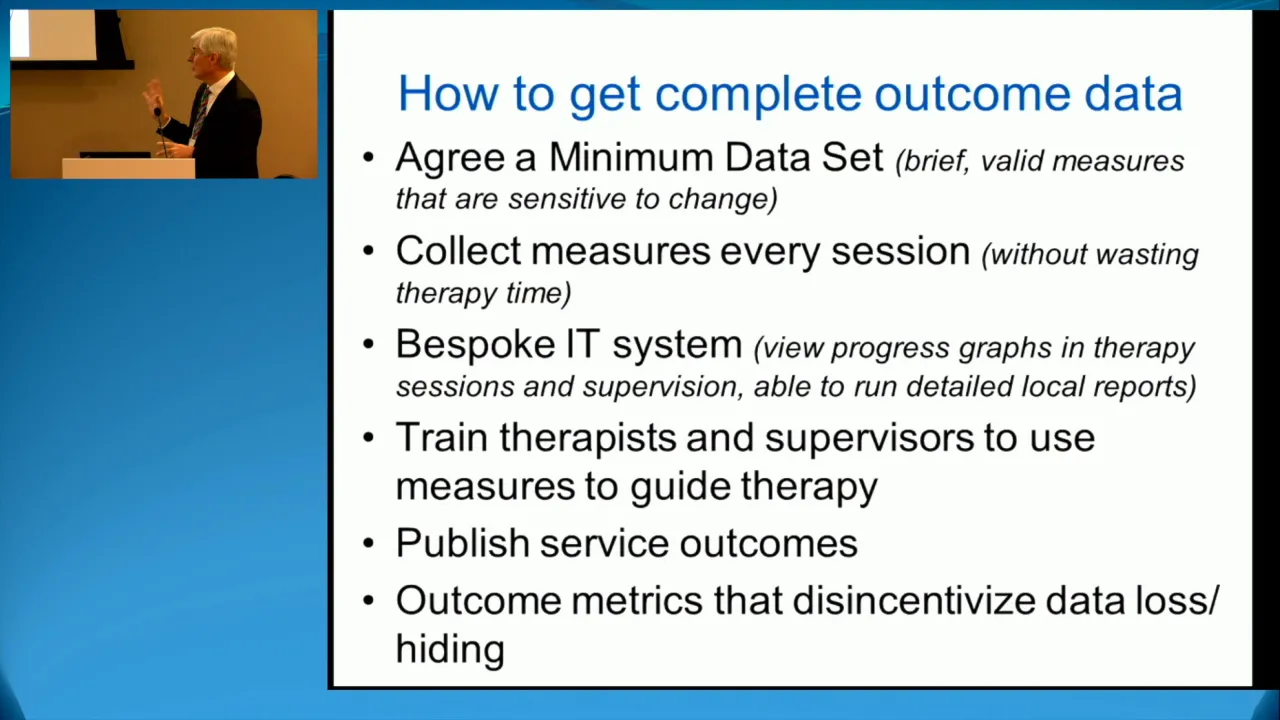
Measurement-based Care in Psychotherapy Workshop - Future of Psychotherapy Conference 2019
UofTPsych
243 views•2019-04-25

51:52
Psychology
Dr. Carol Tavris — Mistakes Were Made (But Not by Me)
skepticmagazine
14K views•2019-05-02
Trending

13:25
Business
Playstation NO DISC/NO BUY Fight Is Over...
DavidJaffeGames
4K views•2026-07-23

22:40
Business
Steam and Xbox Just Dropped The Hammer On PlayStation
OhNoItsAlexx
9K views•2026-07-23

16:52
Anthropology
Americans Confused in Australia for 17 Minutes Straight
IWrocker
17K views•2026-07-23

20:36
Business
SuperBike Factory Has Gone... What's Next for the Motorcycle Industry?
thatbikersimon
11K views•2026-07-22