Asteroids that enter Earth's atmosphere but do not reach the ground typically cause localized damage through airburst shockwaves, as demonstrated by the 2013 Chelyabinsk meteor event, which shattered thousands of windows and caused injuries but posed no global threat; however, asteroids passing Earth at safe distances, like Asteroid 2026 JH2 at 90,000 km, pose no danger.
Install our extension to search inside any video instantly.
Asteroid 2026 JH2 Just Missed Us… 🛰️ #shortsAdded:
A school bus sized asteroid is hurtling past Earth right now. [music] Don't worry, asteroid 2026 JH2 is making a completely safe flyby at 90,000 km away.
But what if a rock this size actually entered our atmosphere? It wouldn't end the world. [music] It would air burst in the sky like the infamous Chelyabinsk meteor, releasing a massive shock wave.
It could shatter thousands of windows and cause local injuries, but zero global danger. Subscribe to Fact Vault for real space updates.
Related Videos

Spiral Galaxy NGC 3370 from Hubble | NASA APOD 2025-11-05 #Shorts
galaxygallery
938 views•2026-05-30

SOMETHING inside the SUN is CHANGING
RaysAstrophotography
1K views•2026-06-03

Captured the Blue Moon (with a twist) 🌙✨ #space #bluemoon #telescope
realAstroExplorer
674 views•2026-06-01

There May Be A Giant Hole In The Universe... And We Might Be Inside It | The Cosmic Ledger Entry 015
TheCosmicLedger
145 views•2026-05-31

The Map We Sent to the Stars in 1977 — Why Scientists Now Regret It
TheAncientRecord7
183 views•2026-06-03

10 Planet Where a Black Hole Replaces the Sun
cosmicexplorer-EN
147 views•2026-06-02

Is this a copy of our galaxy? Discover Galaxy M81!
UniverseDocumentaries-cc4mb
995 views•2026-05-31
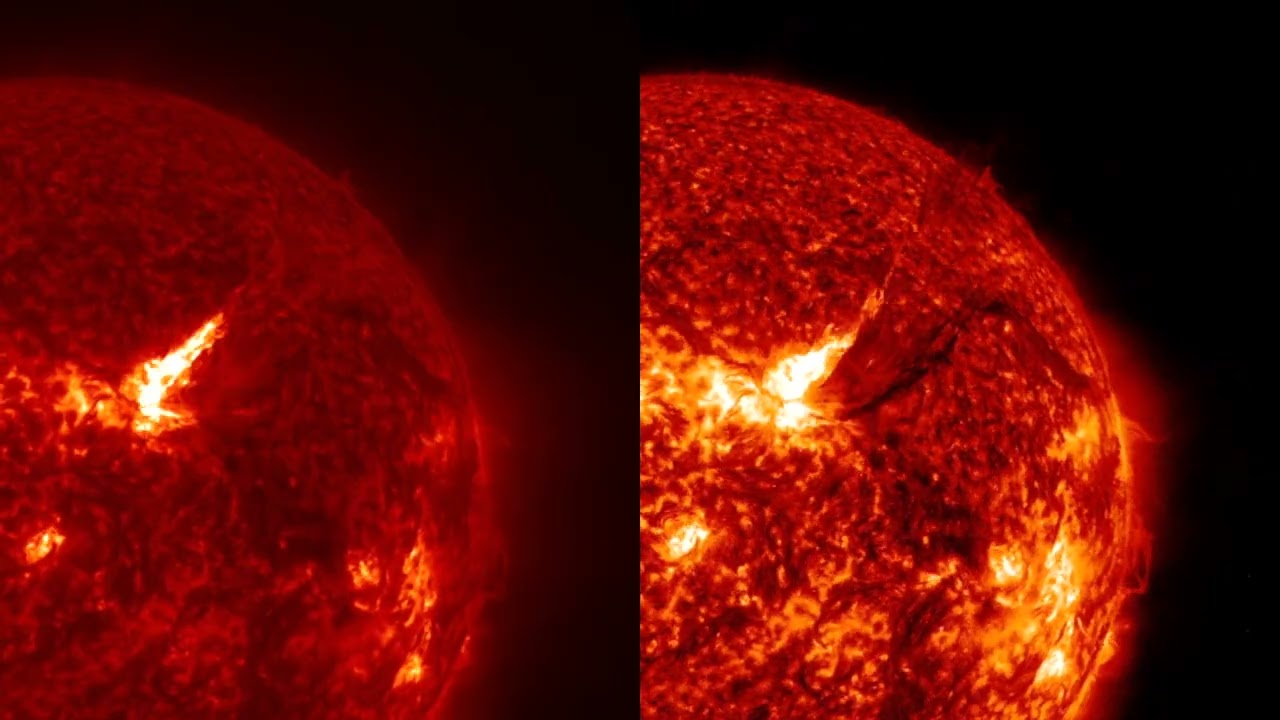
Solar Flares and CMEs at Earth - More Likely | S0 News June.3.2026
SpaceWeatherNewsS0s
2K views•2026-06-03



