Rehearsing conversations is a common coping mechanism for neurodivergent individuals, particularly autistic people, that helps them feel prepared and included in social situations by pre-populating answers for anticipated questions; while this practice can make them appear smooth and neurotypical, it serves as a protective defense mechanism driven by the fear of rejection or feeling like an outcast, and combining rehearsal with regular social practice in everyday environments can help improve social skills over time.
Install our extension to search inside any video instantly.
Autism vs ADHD vs AuDHD: "Rehearsing Conversations"
Added:I practice conversations in my head before having them.
>> I say whatever comes to mind immediately.
>> You prepare your words, you think it through, you just say it and figure it out after.
>> That's risky. That's real.
>> Okay, so here's the problem. You practice, you spoke.
>> I did both. I rehearsed everything.
>> Good.
>> The opening, strong. The tone, important. The exact wording.
>> So, what did you say? Not that.
>> Why? It felt different in the moment.
>> Correct.
>> So, I said something else.
>> And the result?
>> I confused myself.
>> Relatable.
>> I had the perfect sentence and didn't use it.
>> Yes.
>> What did you say instead?
>> I don't know.
>> This is why I prepare.
>> This is why I just talk.
>> This is why I plan everything.
>> I still improvise the wrong thing.
>> Will you use a script next time?
>> I'll practice it again.
>> I hate that I understand this.
>> How long did you practice?
>> The conversation?
>> Yeah.
>> Two days.
>> The actual conversation.
>> How long was that?
>> 4 minutes.
>> Two days.
>> 4 minutes.
>> Yes.
>> And you didn't use any of it.
>> I used the feelings behind it.
>> What does that mean?
>> The prep facing told me how I wanted it to go, what I wanted them to understand.
>> How do I want them to feel after?
>> I just couldn't say the actual words.
>> I used the actual words.
>> I know.
>> I write them down sometimes.
>> So, I don't lose them.
>> And in the conversation, I say them as close to the original as I can.
>> Does this always work?
>> The words work.
>> The reaction is sometimes unexpected.
That's the part I practice for.
>> All the possible reactions.
>> Me, too.
>> I don't practice reactions.
>> I know.
>> I just react to the reaction in real time.
>> It sounds terrifying.
>> It sounds terrifying.
>> It sounds exhausting to you.
>> It feels normal to me.
>> What I said instead of the script?
>> I've been thinking about it.
>> Do you remember it now?
>> I think I said something about the weather.
>> The weather? We were inside. There was no need to mention the weather.
>> What did they say?
>> They agreed it had been cold. So, the conversation went okay.
>> That's why I practice.
>> About the weather.
>> Instead of the important thing.
>> Did the important thing need to be said?
>> Yes.
>> Will you say it?
>> I'm going to practice it again. And then? And then I'm going to say it.
>> Whatever comes out.
>> Even if it's wrong?
>> Even if it's not the practice version.
>> Even if it's about the weather?
>> Even if it's about the weather and then gets to the point.
>> That's progress.
>> That's small.
>> Small is still progress.
>> I'll come with you if you want. I'm good at filling silence. I know. That's why I want you there. I'll help you prepare.
We'll write the words down, the real ones. So you don't lose them. Okay, both of those things. Yes. When? When I'm ready. When will that be? Soon. I really hate that I understand this. If you made it this far in the video, I have two pieces of good news for you. So first and foremost, the video is not over, and the second thing that I have to say is that my comedy tour is underway. I'm putting together a 1-hour comedy special. And in order to do that, I'm traveling across the country and around the world. And I'm looking for my neurodivergent people.
Y'all make the best crowd, and y'all are my online family. My comedy tour is underway. For more information on the cities that I'm headed to, hit the link in the bio. We're also going to put that down here in the description. So I could be coming to your city, and if so, I would love to meet you. I'd love to shake your hand, take a photo, and laugh with you. And with that being said, let's get back to the video. Many undiagnosed neurodivergent individuals don't realize the one of the main things that they do that makes them neurodivergent is rehearsing conversations. Especially for those people who are undiagnosed autistic.
Rehearsing conversations is one of the best ways to ensure that when you approach a certain social situation that you're smooth.
You have these answers that you've already populated in your head. So that way when you're asked certain questions you already know how to answer them. I got to answer for this. I got to answer for that. Oh, you didn't think that I knew you were going to ask that question, but I knew you were going to ask that question. So I prepared for that. I got a third answer over here. I got a fourth one. I got a fifth one. I got a sixth one.
So now you get to the deep conversations with strangers. They ask you all these things and you're quick with it.
You're quickly responding.
And it makes you look like you're so smooth. You don't even look like you're autistic at this point. You look neurotypical. You look smooth. You look calm and collected.
What a person. What a cool person to hang out with.
Or is that so we think.
That's what we think because when we don't rehearse in advance, we go to these foreign situations. We go out to a work party, to a baby shower, a graduation, or just a kickback at somebody's house. We go out into the wild and people ask us questions. And these can be simple questions, but for some reason we freeze. And somebody freezes when they're asked their name, that's embarrassing.
And somebody freezes when they're asked about their favorite hobbies or what they like to do for fun.
It's kind of embarrassing.
So when we find ourselves in these situations where we have nothing to say, the embarrassment leads us to practicing for social situations that haven't happened.
And I think the best way to get good at socializing is to do it more. Now you can rehearse and you probably still will rehearse in some capacity because that masking genius is embedded within us.
That feeling that you get when you look at somebody's face and you can look into their eyes. You can tell that they think that you are bad at being human.
That feeling doesn't go away. And that feeling makes you want to mask over and over and over again because you do anything that to feel that feeling again. That all too familiar feeling of being rejected or feeling like an outcast. We don't want that. So we have to plan for these situations so we kind of know what to say.
So if you rehearse conversations in advance, don't feel bad about just know that you're doing this as a way to protect yourself. You want to feel included. You don't want to stand out too much. You don't want to stand out like a sore thumb. That's fine. But as we rehearse for difficult social situations and potential situations that we could find ourselves in where we're out and about in the real world, we should make more of a concerted effort to have conversations with the people around us. At the grocery store, in the line, when you're at Disney, just talking to random strangers. When you're at a doctor's appointment and you're the third person to be called and you just start talking to people who are also waiting for the doctor.
Just practicing your social skills in these environments can help you be smoother without always feel like you have to rehearse everything. So yeah, I rehearse. And to be honest, I still rehearse for situations that have never happened.
It's a protective and a defense mechanism. So, you know, I still do it.
But I made more of an effort to put myself out there socially.
Stand up comedy helps. It really helps.
But I made more of an effort to put myself out there socially so that I can practice my social skills.
And over time you just get better and better and better and better. Anything that you do with regularity, guess what?
You will get better.
You'll just get better. So, that's what I want to say for this video.
I also want to say that my comedy tour is underway. I already spoke about it in the promo half of this video. But I just want to say that I could be coming to your city. So, double check the dates that we have listed. I could be coming to your city and if so, I would love to hang out with you, take a photo, laugh.
It's going to be a great time. We kicked off the tour in Houston back in April.
Since then, we've had six, seven shows in four cities. And the next show right now as of this recording, I think it's going to be in Springfield, Massachusetts. So, I'm just so excited to meet you all and to come to your cities and to to laugh with you all. I've been doing this online thing for years. But finally, I'm starting to meet my community and it's a beautiful thing.
So, I just want to say if you made it to this point in the video, you are my community regardless of whether you're neurodivergent or not, whether you buy tickets to my show or not, you're a part of my community. And even if you don't buy anything or buy anything, I still appreciate you cuz your attention is like gasoline to me. That's the fuel that keeps me going.
So, I just want to say thank you so much for your attention. I appreciate you. I love you. And I will see you at the very next video.
Related Videos

0:39
Psychology
Inside Ronaldo’s Team Meeting
RonoSphereCR7
1K views•2026-04-17

7:25
Psychology
You Are Not So Smart: Chapter 4 Hindsight Bias, What is it?
TheBey8nD8
230 views•2019-09-15

49:35
Psychology
Sigmund Freud's Mind - Master Your Inner World (Your Unconcious Mind)
Ngaslife
1K views•2025-01-25
11:29
Psychology
What affects your mood?
RandyPaterson
602 views•2019-05-16
3:45
Psychology
Can you outsmart this logical fallacy? - Alex Gendler
TEDEd
2164K views•2019-11-25

1:02:21
Psychology
Understanding the Relationship between Fear of Falling and Mobility in Older Adults
fallpreventioncommunityofp3788
823 views•2019-04-08
54:04
Psychology
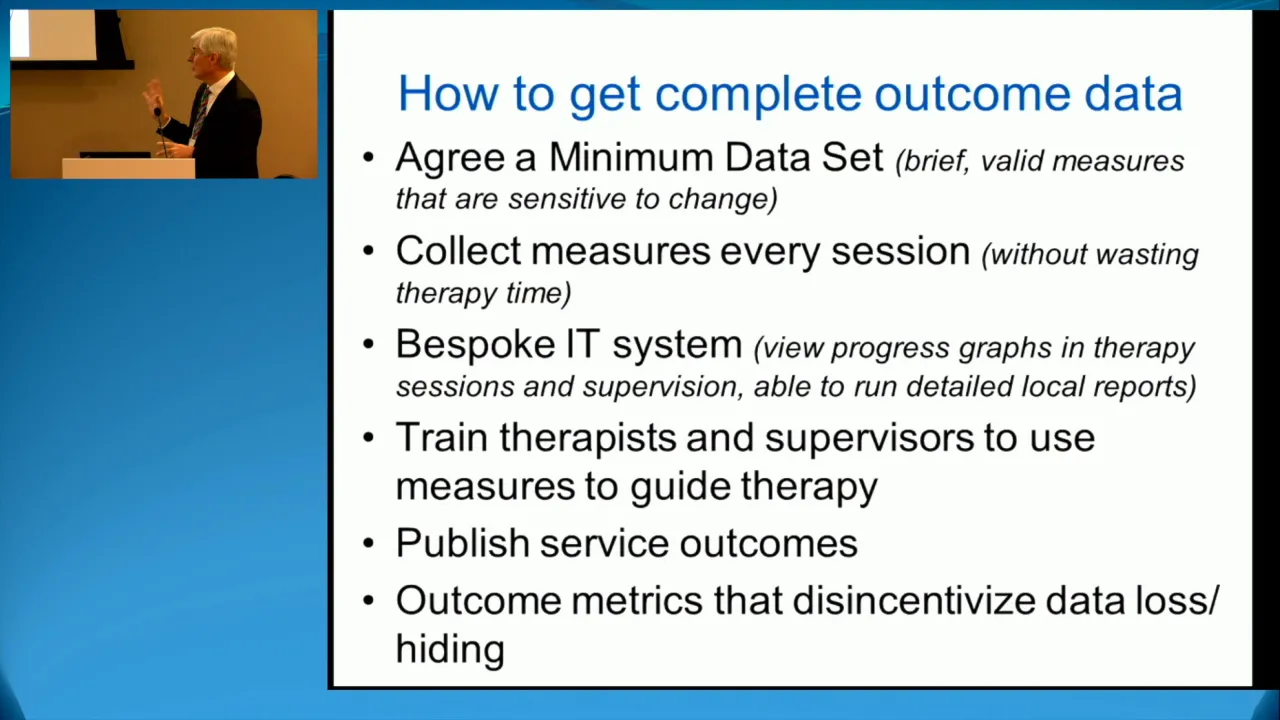
Measurement-based Care in Psychotherapy Workshop - Future of Psychotherapy Conference 2019
UofTPsych
243 views•2019-04-25
51:52
Psychology
Dr. Carol Tavris — Mistakes Were Made (But Not by Me)
skepticmagazine
14K views•2019-05-02
Trending

13:25
Business
Playstation NO DISC/NO BUY Fight Is Over...
DavidJaffeGames
4K views•2026-07-23

22:40
Business
Steam and Xbox Just Dropped The Hammer On PlayStation
OhNoItsAlexx
9K views•2026-07-23

16:52
Anthropology
Americans Confused in Australia for 17 Minutes Straight
IWrocker
17K views•2026-07-23

20:36
Business
SuperBike Factory Has Gone... What's Next for the Motorcycle Industry?
thatbikersimon
11K views•2026-07-22