The Canadian government implemented new border measures requiring foreign nationals who traveled to the Democratic Republic of Congo within 21 days to spend 21 days outside the country before entry, while Canadian citizens must quarantine for 21 days upon return; these measures are part of broader public health strategies including community outreach, rapid identification, and appropriate care facilities, though the Bundibugyo strain of Ebola virus presents challenges as no licensed vaccine or treatment currently exists, with clinical trials underway for prophylaxis, treatment, and prevention.
Install our extension to search inside any video instantly.
Are new Ebola travel restrictions necessary? Dr. Bogoch on what you need to know
Added:The federal government is implementing temporary new border measures to combat the spread of Ebola. Cases of Ebola and deaths caused by the disease are rising around the world. The Public Health Agency of Canada says it will deny entry to foreign nationals who have traveled to the Democratic Republic of Congo within the past 21 days. The measures went into effect today. They remain in effect until the end of August. Joining me now is infectious disease specialist Dr. Isaac Bogoch. Dr. Bogoch, good morning to you. So, the risk of Ebola to Canadians remains low. Are these measures necessary?
>> It's not entirely clear what these measures add to the measures that existed before this. So, before this policy took place, people from anyone traveling from the impacted area to Canada, either Canadian citizens or foreign nationals, would have to quarantine for 21 days when they're in Canada. Now, foreign nationals uh just can't come to Canada uh for a period of 21 days if they've been in, for example, the Democratic Republic of Congo. They They still can come to Canada. They just have to spend 21 days outside of that country prior to coming to Canada. It's just not quite clear how that adds any additional protection to the existing policy.
>> How challenging is this strain, and are we any closer to finding a treatment for it, doctor?
>> Yeah, so the this strain, this is the Bundibugyo strain of Ebola virus, uh poses some challenges because we don't have yet a licensed vaccine or licensed therapeutics. Having said that, there is some tremendous research and development happening uh in in real time. And in fact, they've already started clinical trials for treatment, uh prophylaxis, and prevention.
Prophylaxis means someone's exposed to the virus. Can you give them tablets right away to prevent them from getting infection? And of course, treatment and vaccines as well have now started clinical trials. So, I think this is going to be a very significant um component to getting this outbreak under control, but by no means is it the major component. The major component is still sound public health measures, community outreach, rapid identification of people, ensuring they get appropriate care in a facility where the virus is not going to be amplified, and reducing the risk of spread in the community. And that's going to be the weight-bearing pillar that gets us under control.
>> And for anyone planning on traveling to that region from Canada, your advice would be what, doctor?
>> Well, for starters, you have to be aware that even if you're Canadian and you're traveling to the region and you're coming back, you're going to have to quarantine for 21 days. And that's enough to prohibit a lot of travel. Uh The other thing, too, is remember, obviously, there's a there's a lot of cases out there. This is probably going to turn into the second largest Ebola virus outbreak on record. We're at about close to coming up to 3,000 cases. You know, it's a huge region. There's a lot of people there, and you know, this isn't rampant. It's still an issue.
People should be aware of it if they're traveling to the area. Yes, of course, there's recommendations to not travel to the area, but I mean, if if people have to go back to see, you know, sick family members or deal with business, you can take appropriate precautions to not get this infection.
>> Dr. Bogoch, thank you so much for being with us. Dr. Isaac Bogoch is an infectious disease specialist.
Related Videos

0:19
Medicine
How Strong Are Breast Implants? Watch This Demo at LPH
londonprivatehospital
967 views•2026-04-20

4:16
Medicine
What is an Office Hysteroscopy? | Fertility Testing Explained at DIRM
DelawareInfertility
17K views•2019-05-06
13:25
Medicine
Pharmacological Management of Stroke Antiplatelet-Acute and Secondary Prevention
Learningin10
8K views•2019-03-04

3:25
Medicine
PMG - Pediatric Pain Management
EASTtraumasurgery
3K views•2019-07-01
20:29
Medicine
Anemia Symptoms And Treatment for Chronic Kidney Disease (CKD) patients
DADVICETV
27K views•2019-08-07
12:30
Medicine
Prostate Cancers and Mimics - Diagnosis
Pathologyminitutorials
3K views•2019-11-20

11:55
Medicine
Vitamin A for Vaccines & Viruses (including Measles!)
DrDavidMD
691 views•2025-03-11
4:10
Medicine
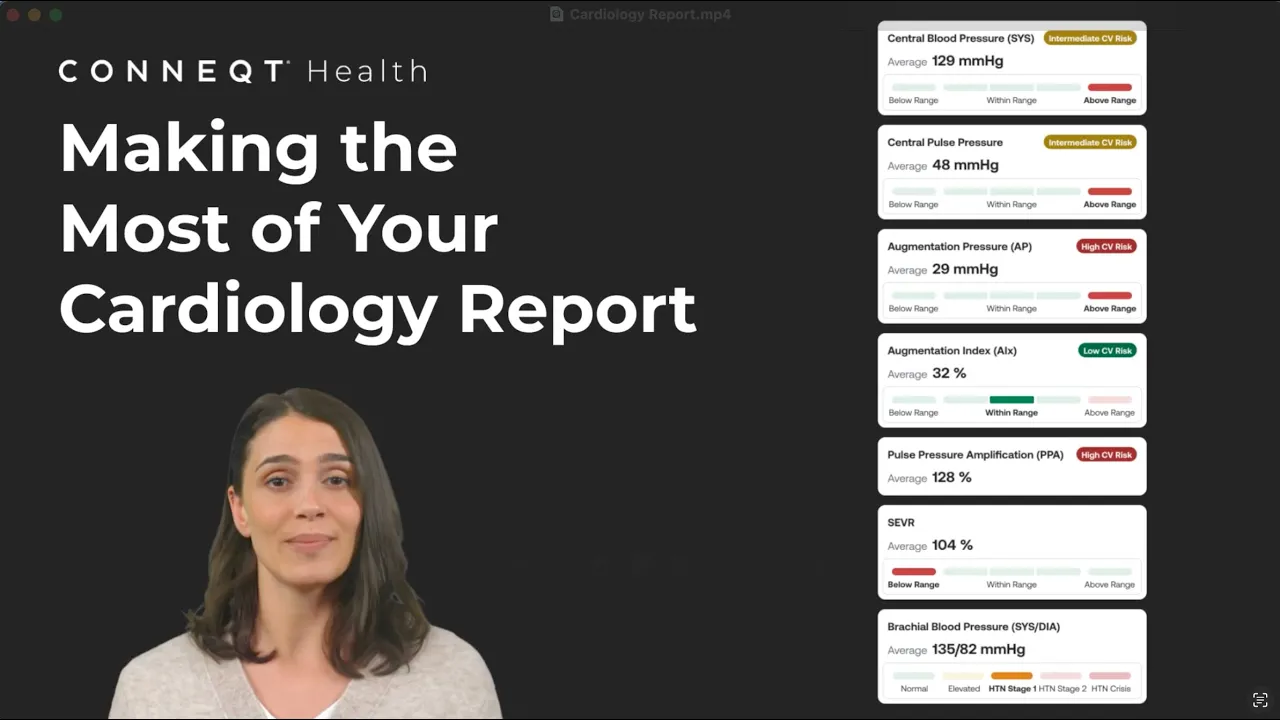
Making the Most of Your Cardiology Report | CONNEQT Cardiovascular Health Resources
conneqthealth
774 views•2025-03-04
Trending

5:07
Philosophy
One Must Imagine Sisyphus Happy
vlogbrothers
61K views•2026-07-21

25:15
Business
Future of Taylor Farms
maighstirtarot5385
11K views•2026-07-21

12:30
Business
The Downfall of OnePlus!
techwiser
65K views•2026-07-21

23:12
Engineering
My Friend Locked Up The Engine On His K-Swapped Bug...
boostedboiz
128K views•2026-07-21