A sharp illustration of how even the most exceptional talent remains hostage to the structural whims and gatekeeping of the entertainment industry. It proves that in the pursuit of a legacy, timing and politics often carry more weight than individual merit.
Install our extension to search inside any video instantly.
THE ROYAL KNIGHT ON A ROAD TO NOWHERE
Added:[music] >> You know, one of our greatest stars over here in the United Kingdom, I was lucky enough to call a friend. And to me, when I was growing up, he was sort of everything I really wanted to be, because he was just super talented. He could tap dance, he could sing, he could play the piano, he was funny, he could command an audience. When I first went to London, I actually saw him live, literally taking myself off to the Palladium, just to sit and watch and see exactly how he did it. See, the only way to learn in this job, isn't it? Look at other people that are doing great things, and you think, "Wow, you know, he knew how to command an audience." And we often think, when we look at people like this, that they've had brilliant careers. We're talking, of course, about the wonderful Sir Bruce Forsyth. And what I liked about Bruce, as I said was, he was a nice man, very kind, ruthlessly ambitious, don't get me wrong, but equally just a nice, pleasant soul, you know what I'm saying?
What was interesting though, is not everything went the way that you would have would have thought with his career.
And what's interesting is, he missed out on a huge Hollywood break, all thanks to this. As ever, let me explain. Morning, chums, welcome back, and as ever, lovely to see you, and thank you so much for your time today. You know, we think that, don't we, with people's careers. I don't It doesn't really matter whether it's show business careers at all, or anything, isn't it? What happens is, you talk to somebody, and they say, "Well, then I was made the area manager." Or, "Then I was made head of this." And you think, "Oh, right." You know, it all seemingly goes glowingly without any problems. Of course, nothing really goes glowingly without any problems, does it?
There's always a problem, really, I think, behind the scenes. We just don't necessarily know it. Now, Bruce Forsyth, you know, was very lucky, because the boss of Sunday Night at the London Palladium, way back in the late 1950s, spotted Bruce at a very small show down in Eastbourne, and suddenly, you know, thought, "Wow, this guy could be big."
They were having problems with their other host of the show, Tommy Trinder.
And so, Tommy found out very bluntly by the bosses of Sunday nights at the London Palladium that he was going to be replaced by the much younger Bruce Forsyth. They never really spoke. They never really got on. And Bruce told me that when they both appeared in pantomime together at Wimbledon, they never were on the stage at the same time. Such was the feud, right? Now, you think about this and you think of what Bruce got that big, big job, you know, at the Palladium and it must have been great. He met and introduced everybody from, you know, the Mario Lanza's to Eartha Kitt's to all the big, big stars of the day. And as he said, he was riding high. So much so in 1962, he was lucky to be make friends with the super comedian that was Bob Hope. And they had something in common, you see, golf.
Bruce loved golf, Bob loved golf, right?
So, consequently, a friendship was formed and you would have thought, "Oh, this is going quite well." Now, Bob and Bing Crosby were making their very final road picture at Pinewood Studios. And I mentioned the previous video before, things weren't going smoothly because their original co-star, the beautiful Dorothy Lamour, the sarong girl, right?
She'd been sidelined to a small cameo because Bing Crosby felt that she was too old to play the girl. Forgetting that they got older as well. You understand how this works, girls, right?
So, in drafted was the beautiful Dame Joan Collins. Joan didn't particularly get on that well with Bing. You can see how this is going. Well, Bob basically thought this was, you know, a good idea maybe to include the very funny and none other huge, huge British star that is Sir Bruce Forsyth. Simply then, just Bruce. They got on really well.
He'd introduced him at Sunday nights at the London Palladium and a bond was formed. So, you can understand how this was working. Bruce told me this personally on various interviews and it was just lovely talking to him because it made me realize that it didn't matter what you did or how hard you worked, everything can just go like that because the bosses, it's money, whatever. Now, this time around, it wasn't Paramount Studios that were backing this final Road picture, The Road to Hong Kong. No, this was part now of United Artists. And Bruce Forsyth was put through and they said, "Well, we've not really heard of him, you know." And he wasn't an international star, but he was big with the British audiences. Bob Hope knew that the Road pictures did well over here in the United Kingdom and figured a cameo from Bruce would work very well.
It was all going really well, according to Bruce. He went to Pinewood. He thought, "Finally, you know, film stardom's round the corner."
This is show business. He found out that in fact, well, it didn't really necessarily work out to the best advantage. And suddenly, because of the equally talented and probably more internationally known Peter Sellers had agreed to make a cameo, Peter was in and so Bruce was out. And I said, "Um, how did this work out then with your golfing buddy, Bob Hope?" And he said, "Well, you know, it was just never talked about again."
And I said, "Well, you must have wanted to bring it up, Bruce. You must have said, 'Hey, what happened to my, you know.'" He said, "Well, you didn't." He said, "Because I was advised that, you know, he was very powerful. Other things might happen. You don't want to fall out with somebody of that magnitude." He said he knew Bing Crosby as well. They got on all very well, but he did feel very annoyed it was the role that slipped away from him. Eventually, he did appear in movies, but Bruce told me, even though he's a favorite of the royal family, the big thing that he really wanted to do, and I think this was a missed opportunity, was to be a baddie in Bond. And when you look at it and you put him in a costume, you could really see that Bruce could indeed be bad. But he wasn't allowed to take The Road to Hong Kong way back in 1962.
Neil Sean in the very heart of the United Kingdom.
Related Videos

How a jobs crisis helped Tibet become the centre of the Buddhist world
ThePrintIndia
2K views•2026-06-22
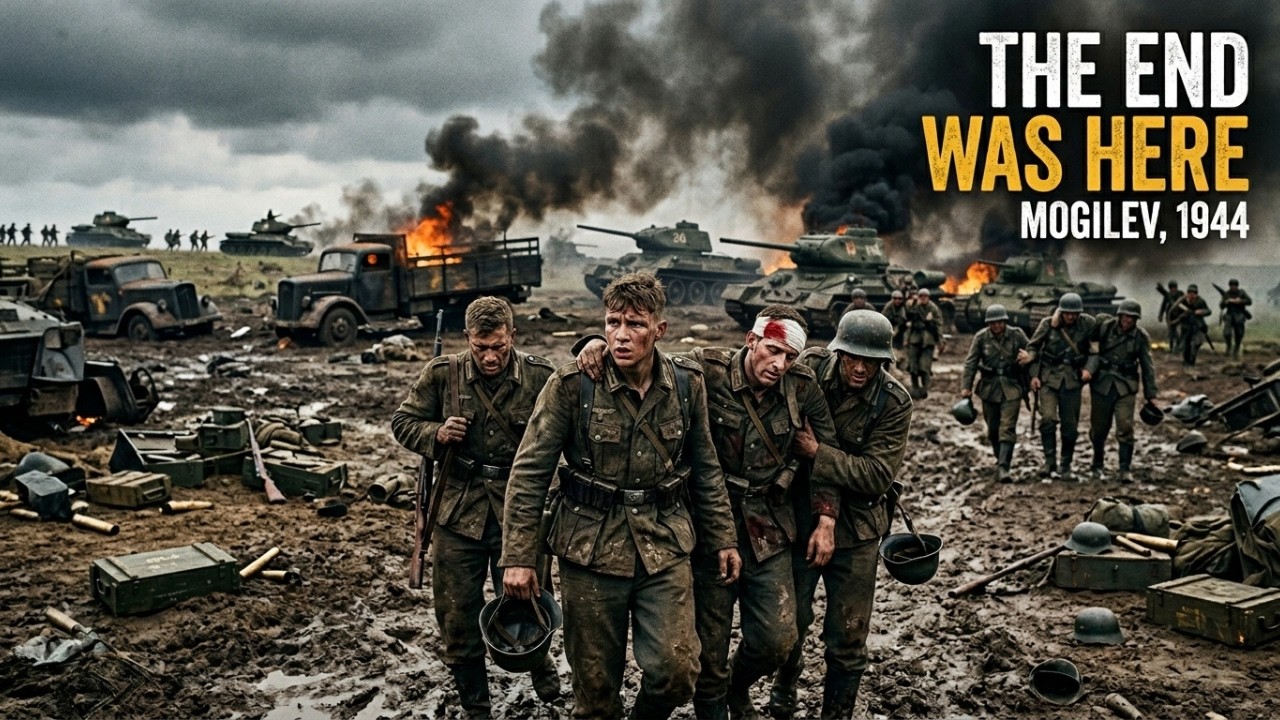
The Mogilev Pocket: The Soviet Encirclement That Became a Mass Grave – WW2 Documentary
HistoryCommand
589 views•2026-06-21

How WWII Became a Global War - Pearl Harbor, U-Boats, and the Fall of Empires
WW2VaultChannel
187 views•2026-06-21
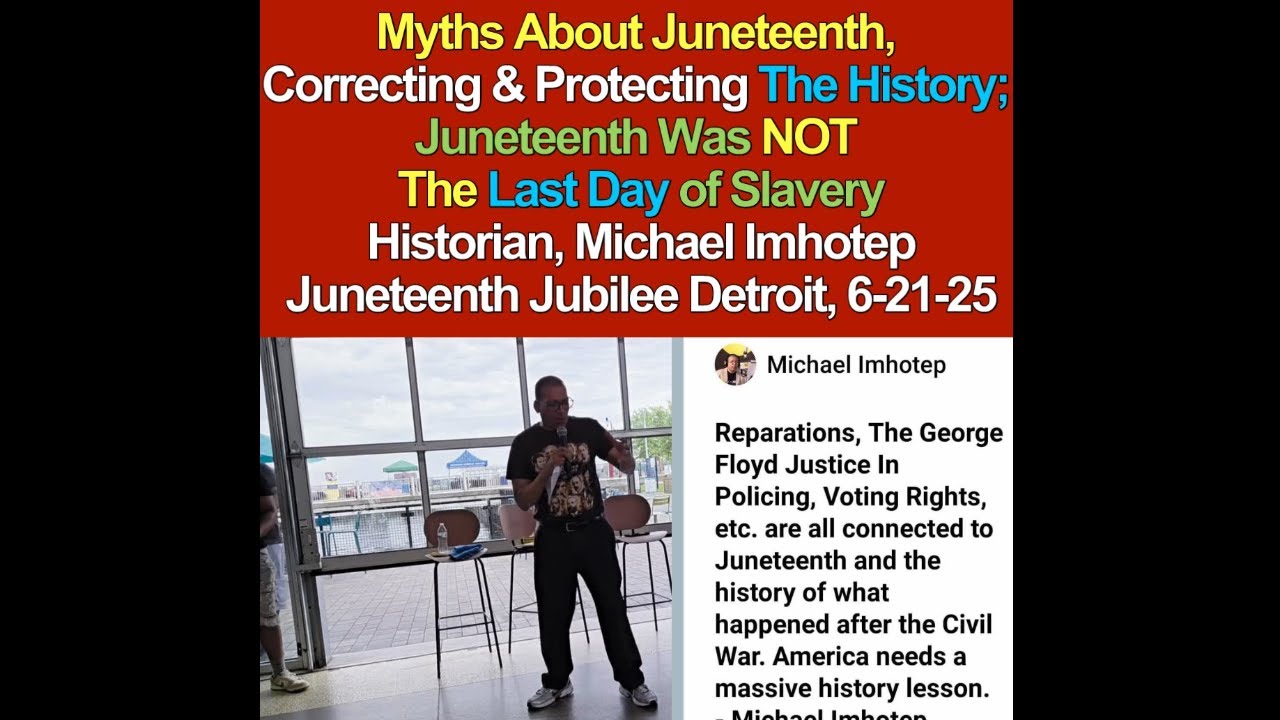
Myths About Juneteenth, Correcting & Protecting The History; Was NOT The Last Day of Slavery
MichaelImhotep
330 views•2026-06-22

Juneteenth NYC: A celebration of history and culture
PIX11News
687 views•2026-06-19

Japan Called Truk "Untouchable" — America Erased It in a Day
SinceWWII
4K views•2026-06-19

THE BELGRADE MEET THAT TITO'S UDBA TURNED INTO A MANHUNT
WarStoriesInspiredbyBillyWaugh
743 views•2026-06-19
Who Benefited from Karl Liebknecht's Death? The Murder That Changed Germany
TheRedCentury
169 views•2026-06-18