Viral hepatitis B and C are treatable and curable conditions that cause chronic liver disease and liver cancer, with approximately 3 million Ghanaians infected; the disease spreads primarily through mother-to-child transmission during birth and contact with infected blood or body fluids, and can be prevented through vaccination and treated with free medication available at Ghana's teaching hospitals, with the goal of eliminating hepatitis by 2030 through increased awareness, screening, and treatment access.
Install our extension to search inside any video instantly.
From Awareness to Action: Ending viral Hepatitis in Ghana || 20th July 2026 || 20th July 2026
Added:If you know your hepatitis B status, have you ever checked it before? Have you heard about it? What do you call it in your local language? What do you think it is? Do you have any myths or misconceptions about it this morning? We demystify all of it and we'll better understand it. Even if you've heard it before, well, there'll be other dimensions you have not heard of. So bear with us this morning as we discuss that. I am Ality Sadik and that's how you can find me every social media on GTV Ghana as well. If you want to step out of their house, you can still take us along with you by going on Facebook GTV Ghana and you can watch the show there uh live whilst you go about your duties. Viral hepatitis is said to be a major public health challenge in Ghana around the world affects millions of people and is a leading cause of liver disease, liver cancer and premature death. So in Ghana there's an estimate about 3 million people living with hepatitis and I'll let my doctor tell us um the people who are living with hepatitis C as well many people who are unaware that they have the infection because hepatitis often causes no symptoms until serious issues start to happen and to which part of your organs will it start to happen the doctor will tell us this morning with us in the studio is Dr. John Gerald Adibuka he's programs manager national viral hepatitis C control program from the Ghana Health Service and he'll be explaining what viral hepatitis is. Do good morning to you.
>> Good morning.
>> Hope you're well.
>> I'm doing well.
>> Okay. When we say viral hepatitis is it different from our usual hepatitis or is the same?
>> Um it's the same.
>> Okay.
>> Um but we know that for when we say hepatitis >> it means inflammation of the liver.
>> Okay. So but we have different causes.
We can have hepatitis A, >> hepatitis B, hepatitis C, hepatitis D and E.
>> Oh wow.
>> Yeah. But the one we are worried about is hepatitis B and C >> because they cause chronic liver disease and liver cancer and that is why we are concerned about >> definitely have to be concerned. So how does one even contract hepatitis? Where does it come from? So it's a viral disease as we say viral hepatitis is a viral disease as as you know viral disease are common just like the covid that came >> right you know about HIV too >> so um hepatitis 2 as we call it can be caused by viruses >> so when is caused by viruses we call it bar hepatitis >> and as I said there about about there are many but the ones we are concerned about is the her B and her C. M how serious is the B and C?
>> Um so in Ghana there are a lot of people who are infected with chronic hepatitis B and C. Uh we know that the prevalence in Ghana is about 8 to 9%. Which means about 3 million Ghanaians are infected with chronic hepatitis B.
>> And for hepatitis C we have about 500,000 people who are infected with chronic hepatitis B. And because it's a silent um >> disease and also cause chronic disease just like hypertension and diabetes.
There are a lot of people are walking around with their BP being high and having diabetes without knowing. It's the same thing. People with chronic hitis B and C may not know their status >> until they check and because of that a lot of they may it may not show any symptoms.
>> You only have the symptoms when you have complications and that is how serious it is. And by the time you get to the hospital, it may be advanced. You may have liver failure, you may have liver cancer, may have liver cerosis of which sometimes difficult to manage at the hospital.
>> So under usual circumstances, we should just check every time or once in a lifetime at least know that you've tested.
>> So we encourage everybody in Ghana >> to check to know his or her status. Mhm.
>> The first thing to know whether you have it or not is by checking to know your status.
>> If you have it the you can see your doctor, you can see your health professional to advise you what to do.
Um you know foritis B there's treatment after C is curable which means that if you are tested positive and you go through the process for treatment at the end of the day you're able to cure it.
Just like malaria, you go to the hospital, the test is positive, they give you treatment for three um 3 days and the malaria is gone.
>> Right?
>> For for HEC, we give you treatment for only 3 months and then you are cure.
>> So it's good when you are positive you seek medical care that's better than to rely on other her and other medication.
do that a lot as I said for when we talk about hepatitis can be caused by her medications just about inflammation on the liver. So if the the medical and her medications can cause inflammation now you have inflammation caused by the her and then you also have inflammation caused by the virpatitis. So you have double infection.
>> Wow.
>> Or double uh um risk factors >> causing the problem.
>> Why why would people use traditional medicine though? Is it because they are trying orthodox medicine and it's not working? That is B can be treated too, right?
>> Yes.
>> Okay.
>> Very treatable.
>> So why with the treatment then you prevent complication.
>> So you know usually with the hera medications >> the orthod the orthodox medicine we believe that we treat.
>> You know most of the hea medication they preach cure >> and you know Ghana would like cure than what we call treatment. So if I know that when I come to you can give me drugs for and they assure you that oh when I give the treatment within 3 months you are fine and then you clear the infection. So and then that is why people rely a lot on that when they come and we tell them the truth that for virpatitis it's quite difficult >> to to to to treat and clear it only few people will be will be able to clear the virus when you treat but you need to contain the virus and that is the main aim of treating for v treating virpatitis >> B in the sensitization that Ghana health service is doing are you targeting some of these traditional medicine vendors I mean I know that some are approved Some two are not approved and people buy from all sorts of places but are you targeting them to let them refer people to the hospital? For now we don't have approved >> okay >> hea medication by the FDA for treatment of virpatitis.
>> Uh most of the drugs that they are given uh it's an assumption that it it pulls the immune system >> to fight against the virus and based on that but you have to you have to be aware that for virpatitis your body itself especially those of us who get it when we adult food >> we can clear the virus by itself. So assuming you happen to be the one who's clearing the virus, you go to the person, he gives you medication, >> then you take it. At the same time, your immune system has cleared it and he thinks that it's his drug that has cleared it.
>> True.
>> So that is some of the things that you need to know.
>> Okay.
>> So I think when we come to the mode of transmission, >> right? Which we are going to now. So how is it transmitted?
>> So in Ghana there's what horizontal transmission. Most of the treatment the most of the transmission in Ghana is through mother to child during birth and uh during pregnancy. So about 95% of the infection we see chronic hepatitis B in Ghana is through mother to child >> just like how the HIV was until you know sensitization about preventing the child from getting it >> and and that is why Ghana health service we are worried about it because we've seen a lot of people uh coming to the hospital with chronic liver disease and then when you end up checking you realize that it's from chronic hepatitis B or heitis C. So that is why we are worried. So as I said the commonest one is the mother to child >> and and and uh aside that mainly is body fluid and then blood.
>> Okay.
>> So aside that >> uh people who use um needles then sharing needles or things that probably involve blood or body fluid you're likely to get it.
>> You can also get for blood transfusion.
Even though now every blood in Ghana is being screened, but CNB >> if it's not screened very well, it means that you can still get the virus from it. And then for sexual contact, it's also possible. Even though it's quite limited, but it's so possible you can get it from body fluid and to sexual contact.
>> Wow.
>> Yeah.
>> And and where is it prevalent the most as well? So when we look at the the the the prevalence as I said >> the national prevalence is between 8 to 9%.
>> And when you look at the geography >> Mhm.
>> Um the high prevalence is in the northern part of Ghana.
>> We have the Savannah region >> who has about 22.1%.
that followed by northern region >> that also about 20 21 something then upper west then from upper west and upper east >> then as we're moving down the middle belt >> okay >> the lowest region with the lowest infection is greater region >> wow >> yes >> how what's accounting for that that's interesting it's populated what's accounting for that >> yes so there are so many factors as I said you know the higher the prevalence the likelihood you are likely to get it right?
>> Especially from mother to child.
>> So it means that the more mothers who are infected with the virus you are likely to transmit to your children. So which has been there.
>> So it's recently that you know in 202 they introduce their immunization.
>> So every child that was born after 202 every child is being vaccinated.
>> Okay.
>> Uh even though with that one is not totally covered because you are supposed to take the vaccine within 24 hours after birth. So the between but most of them either some of them may not go to the antal clinic for immunization >> or the the they may not have the vac the vaccine available. So these are some of the things that we we see. There are other cultural practices that we see as clarification. Those days that we used they used to gather the babies at one one family to actually give them scarification. And some of them they will circumcise them and all that. You have one man with one bleed.
>> The oneam >> the oneam.
>> So they go around with either scissors or one.
>> So they same cut. Yes. Cut this baby and ask the baby to bring bring another one and then they are not able to sterilize the the the equipment or whatever they are using before they get to the next person. So these are so many things that can probably lead to that. for the adult food as I said few get it and they would declare and the 5% that would would actually continue to have it until they get chronic infection.
>> Wow.
>> Yes. But the rest is from mother to child >> and and so the mother to child what's the targeted efforts like >> so for for mother to child you know the Ghana health service and then the mun in Ghana they have um there's a policy for every mother to be skinned at antiatal clinic. So if you are pregnant and you go to the hospital, it's a must >> for them to screen.
>> Yeah. So when they screen you and you are positive for her B or her C, you are you are linked to the doctor and the doctor would take care of you. And for mothers who are also positive, some of them are put on treatment. And for the babies, some of them give some medications. They are targeted medications we give called iminoglobin to >> prevent the baby from getting the easy infection.
And sometimes we also give the vaccine.
>> But now the government is also putting things in place to bring what we call the birth dose after it is birth. Yes.
>> So within Yeah. within 24 hours after the baby is being delivered then they give the vaccine and that will reduce it.
>> But we've realized that even with the immunization we we give you know after 6 weeks that we we give the immunization.
Uhhuh. So meaning that >> there's a window period that is left. So and you know the transmissions from mother to child during child birth the blood contact and all that window is missed.
>> So at the end of the day you realize that the child is has some risks of getting it. So that is why the government is working out to make sure >> the birth comes >> wow it's it's quite interesting what how is the treatment like? So is it on the national health insurance scheme? Let's say a mother has it and has given birth and you say they'll put her on treatment. One is tested positive or not positive. Is the vaccines given for free?
>> So the vaccines are for those um people who are negative and that one um is individual.
>> Okay.
>> But for babies who mothers are positive and they need to give the vaccine to them, >> that one they need to pay immediately.
But if it is for the immunization the normal immunization you know that one is the expanded program that one is free >> okay for the babies >> for the babies but what the government is introducing the birth do which is going to also be free is a the birth do within 24 hours so that every child has the opportunity to take the vaccine within 24 hours. M m so what happens if it is left untreated the B and the C in adults and in children what what are the signs we even see the children start facing >> as we said for the signs most of times is is what we call asytomatic meaning that it doesn't show any sense >> even in a child >> in a child sometimes it doesn't >> okay >> we know that for for for the acute we have chronic and acute infection >> usually when you have the acute infection you you can have what we call flu like symptoms. You can have body weakness. You can have maybe sometimes your eyes can be yellow.
>> Sometimes you you see that you may have maybe vomiting and and and all that.
Okay.
>> That's the acute component and usually >> like joint dis. Yeah.
>> So usually if the acute phase pass then you develop the chronic phase but there only few people who develop acute face and develop acute liver failure. But most of the people we see they have the chronic infection >> which can lead to the liver failure can lead to liver cerosis when the liver becomes small >> and then you can lead to liver cancer.
>> Wow. I know you've talked about um herbal medication but um what are some of the myths or stories that you've also heard associated with how people treat hepatitis? People go to prayer camps like breast cancer when they are diagnosed of breast cancer. They go to pray for it to vanish.
>> Yes. So people believe that there are a lot of myths about fraitis B and C infection.
>> Okay.
>> The first thing that they think that is a curse.
>> So when you are having it or someone has cursed you in the family so they intend to seek >> spiritual >> care or help.
>> So they go to stay prayer comes praying all the time than seeking them >> and the liver will be destroying. So we've have people who would not even want to come to the hospital because they believe there is someone who has given it to them and they they have been cursed.
>> So but it's never true.
>> It's not a death sentence.
>> Yes, it's not at all. We know that for varietitis a medical condition >> that can be treated and forc it can be cured >> which is what they need to know. The other myth about it is that people think that oh if you're having varitis and you eat with someone you're likely to get it.
>> Exactly. That's what they say because they say saliva. Okay.
>> No kissing you won't get it. [laughter] Okay.
>> People just think as I said for the adults most of time when your immune system is built you're able to fight the viruses.
>> Yeah. And then some people also believe that you can't hurt someone, you can't live with someone when the person is infected and all those kind of things.
And because of there's a lot of stigma around and that's why we are trying to make sure that we create awareness to let the people know that parapitis is not a disease that when you touch just like the initi came we believe that the more I touch you likely to get [laughter] it. Now they social distance now because we understood the way is just like some >> some maybe some kata.
>> Now if people are having but we are not worried about it. Yes. Uhhuh. So it's the same thing.
>> Uhhuh. So because of the lack of awareness people don't know what it is.
So because of that when someone is infected we have a lot of people who are denied jobs >> because maybe they were tested positive for her B. We have people are denied traveling outside the country and then we have even the those people who the the chefs and then those who cook food when they ask you to go and test for her B and have C when you come B is positive they ask you to go and treat and come >> and until you are cleared we know that for B and C you treat it you don't you don't and it's not that the food that you give to the people that you you will get it not at all so it's it's a myth and people leave and give you a lot of stigma. You can imagine you are at your job, they come to do screening, you are the main person there and they ask you to leave because they think that you are having viratitis B or C infection.
>> So it's something that we we we are much worried and awareness is what we are talking about here. What happens when people are diagnos are they counseledled or like what support is given to them? So that's the unfortunate thing in terms of diagnosis and then the followup treatment you know everybody goes around to do there are a lot of people who go even houses to screen people >> people walk to thearmacies to do screening people also go for church activities and they come to screen them then when they screen they will tell you B and they leave you >> you see uh because of lack of understanding uh so what we we are encouraging is that If you screen someone, refer to the doctor. You know that people are already having the disease without knowing. If they dying, they would have died before you met them. So if you have you have seen them, you have screened and they are positive, direct them to the right people and they will follow them up.
>> Yeah.
>> Yeah. So that is the the best way to go.
So knowing is better than not knowing.
>> Okay.
>> Yeah.
>> Yeah. Because people will be in the denial that as far as they don't know, it won't kill them. You hear these African sayings for couples as well. Is it something that is part of the test that they usually do when you're about to get married?
>> So not all churches and then not um let's say the Muslims some few do.
>> Okay.
>> So they they refer people to go and do the screening >> which include HIV >> um sickling herb and he >> okay and he is part okay >> but some people don't screen for the her C. You see a lot of people skinning for only her B and there are a lot of who don't even know that >> her C even exists.
>> Hepsi exists.
>> True.
>> And it has the same risks of get causing liver cancer like the her.
>> So >> most of the couples that come >> the they are not asked to screen for C >> but those that they refer them they do.
Okay.
>> Which is which is very very very good.
>> Very good. Okay. So kudos to them. What can we do collectively to help reduce down the numbers the millions? What have other countries done that is has worked for them? Is it an African illness? No.
>> No. It's worldwide.
>> So every race >> over 3 million [laughter] 3 billion people are walking there. They are working a lot a lot a lot a lot of people are walking with this viritis.
So um a lot of countries have taken uh this into their own hands and they've done well. one of the countries Egypt right >> and we are also benefiting from Egypt I will come to that point >> but the first thing we need to do >> um as Ghanaians is awareness creation there's a negative thought about var he appitis in Ghana and that is why Ghana health service the health workers minister of health >> we are working together to make sure we create awareness >> and the awareness is not created by only the health workers it's created by created by all of us right >> you sitting here you can do a lot by talking to people about how it is being contacted and then give us more space for us to discuss this [laughter] >> kind of health service.
Absolutely understand.
>> Yeah. So it's it's very very important.
So we need everybody on board uh community leaders, church leaders, everybody on board to make sure that we talk create opportunity to invite health workers to talk to you about that.
That's the first thing that we need to do. The second thing we need to do as a government you know government to for screening of viritis BNC is part of the health insurance.
>> Okay.
>> Yeah. So if you go and you want to test and they actually provide the services there and we also as a free primary health care is coming.
>> We are also working with them to make sure that they can add the virus screening to it.
>> What difference will that make? It will be in the rural communities that compound. Okay. Vabitis is not for the rich. It's not for the poor. It's for all of us. So no one. So far you've been given birth in endemic country like Ghana. It mean you're at risk. So you don't know who is infected, who is not infected. So which means that at the end of the day all of us are infected. So >> we have to all do that and that's why we're encouraging everybody know your status now is very important. If you are positive there's medications for you >> then if you are negative then you go on to take your vaccine which is very important.
>> Absolutely. media sensitization. I hope you are engaging the local media for the various languages that they speak as well.
>> So yes, so we we are we so for from the Ghana Health Service point of view >> um from the headquarters we are doing a lot of activities and then we are also decentralizing it to the regional health direate and to the dist health diretory and to every clinic.
>> Okay. So we are encouraging everybody now the world day is come on the 20th but we have to use the whole of this one to do campaign. I think we have been on so many radio stations, so many TV to discuss this one, >> right?
>> Uh and then we we also some some of our colleagues health workers are also in other regions, other communities doing the same education. Some people are going to their communities to do free screening. I've had a lot of discuss with some of the MPs also trying to do screening in their constituency which is also good and some individual the civil society there are a lot of thematis allian liver foundation and all they also go around to do a lot of screening for people and I think we need a collective thing it's not a section of people you go and screen you can't screen all the people in Ghana so it must be some targeted and then all of us involved that will be better >> my foundation multi care international maybe we should start thinking of we are a maternal health foundation screening mothers as well in the rural communities really yes to >> so then you you'll be welcome so the Ghana health service they have some particular policies for the pregnant women >> right >> the first thing is about the mother to child transmission where all mothers are screen >> so there are sometime you go to the hospital they don't even have the strips to screen the mothers >> so we can look at that >> absolutely >> is some the rural areas >> absolutely Some may not even go to the antinator clinic >> at all. It's a problem we've been dealing with trying to encourage them.
>> So as we are coming out with the do we look at ways and means we can tackle the traditional birth attendance so that we can go once and they never come in labor even they deliver and then the child is there until the child is grown >> and you know the way of delivery no protection and all that. So we need you on board and then we have what we call triple elimination coming where you check for HIV check for B and for syphilis and the government is working to implement that syphilis. Yes.
>> So with the triple obnation is something is something that is being worked on and is being funded. So that one it mean every mother we screen for chronic B.
>> Uh so we're trying to see from there what can we do in terms of treatment.
>> Absolutely.
>> And then the birth dose too is important. So we need you to whatever you think you can reach >> whatever we can do we just might we definitely support but what are the before you go the projections if we do all of this together and I'll service you the medical people you know the patients the media what are the projections >> by 2030 is where the SDGs are headed to >> you know the who expect that by 2030 >> is it possible realistically in Ghana in the in the world that is what we say eliminate it.
>> Okay. But let me tell you one interesting thing >> in Ghana >> know expect that by 2030 about 90% of people who are infected chronic her should be diagnosed >> you know what Ghana >> misdiagnosed >> yes you know what Ghana is doing >> less than 10% >> of the diagnosis of the 90% >> of the 90% >> what >> so 10% now they also expect that about 80% of people who are diagnosed >> should be on treatment >> 80% >> to be on treatment In Ghana less than 1% are on treatment.
>> Oh my goodness.
>> So you can imagine that we are not even getting well. We have >> a lot of work.
>> We we have a lot of work to do and now we have how many years to enter?
>> 2030 we're in 26.
>> Yes. So we have only four years. So we have three years. It means that we have a lot we have a lot to do.
>> So we are not getting anywhere. um the the because we know that for for liver cancer in Ghana um the the all cancers in Ghana >> liver cancer is the second most common cancer >> and the one that cause death in Ghana is liver cancer >> and it's something that can be prevented can be treated just like cvical cancer you give the the HPV vaccine >> so herb B can be the vaccine is also there for you >> so it means that we have a lot to do and for her What we we are doing right now with Ghana Health Service Mal Health and then collaboration with the Egypt of the government of Egypt.
>> We have free HEPS medications available >> in all teaching hospitals, regional hospitals and some selected DC hospitals. Meaning that if you're infected with chronic heepsi and you go through the right process and you are you you meet the criteria for treatment, just walk to the hospital and they'll give you the treatment free. M >> the treatment is be when you look at the the the the normal cost of treatment it's between 6,000 to 10,000 >> the treatment of hepatitis.
>> I see. Yeah.
>> And and the government of Egypt and government of Ghana is giving it free now.
>> Free free free.
So you don't need to do anything. Yeah.
>> And then this one is working.
>> You you you you just need to take it for only 3 months and then you are killed.
>> Wow.
>> You are killed. And you prevent it a lot because the burden for the disease causing you know most of the people who had it from their child birth by the age between 40 to 45 that is the time that you develop the complication. So you can see that that's the time someone has gotten a new job that's the time that someone has married >> begins at 40.
>> Yes. That begins at 40 and then the person is gone. So a productive age group they dying. You wouldn't know until you understand.
>> You understand? If I tell you the gastroenterology, those who take care of the liver disease, when you come to their clinic, you'll be sad.
>> Wow.
>> You'll be sad. A lot of people are dying.
>> And young people, >> you get the point that you can't do much for them. kidney failure and things you didn't know the livers are.
>> Oh, when you come to some hospitals, they they equally they almost the same >> until you wouldn't get get to know until you get involved in taking care of those people.
>> This is quite serious. I I I think that really it's when they say knowledge is power for lack of knowledge >> because if there's free treatment for heepsi and look at the cost involved and people don't know >> it's quite a challenge because and also the misconception and the myths and not wanting to get diagnosed because it feels like a death sentence >> but hopefully collectively as you said we'll be able to get people to know understand the importance of knowing their status reduce the numbers drastically 2030 is around the corner and the goals and targets that we've set who WHO has set for Ghana Health Service and you know countries alike to be able to reduce the numbers of hepatitis B and C and chronic you know all the other chronic hepatitis uh viral infections across the world. So thank you so much doc for all the information that you've given us. You said world hepatitis is on the 28th of July.
>> Yeah 2. Where is it happening? is there like >> so um what we are doing on the 28th is that as I said the whole of this month is awareness and this one of the things we are doing >> um is across the whole country >> okay >> all the regional districts and then at the headquarters >> we are doing screening from tomorrow till Thursday >> okay >> um for all the staff so I encourage all managers all CEOs also screen their staff >> you can get you can get involved we can come and screen your staff for you >> absolutely GBC Yes. So we can come and screen your staff, talk to them and all that. Uh just do some education on that and we >> So any company that wants that you reach >> Yes. We can Yeah. We can we can do that for you. We can do that for you.
Absolutely. So on the 28th we'll be having the commemoration at Minister of Health.
>> Okay.
>> Where we inviting some big ministry to come want to create awareness. We're inviting the the minister. We inviting you know our director general will definitively be there and other stakeholders will be there and then the ambassador >> um >> to Egypt >> to Egypt.
>> Okay.
>> And because our main partners who provide us free HEPS treatment.
>> So we are encouraging everybody. You can do the screen at your village at your community at your church. Just do it. If you need help, we will help you in terms of um uh get education and then sometimes we may be able we get NGOs who are ready to provide mention the test strips. We'll be able to do that for you.
>> Okay. Thank you so much doc. So um when you go on Facebook you can see the conversation again doc mentioned a number of nos that you can reach out to and how collectively we all need to support to reduce the numbers. estimated 3 million people are living with hepatitis B in Ghana. Approximately 440,000 are living with hepatitis C and that's how serious it is. So know your status so that we can reduce the mother to child transmission as well because chronic uh liver acute chronic liver conditions you know may manifest if hepatitis B leave or go untreated. And so it's very important that you know your status and you create more awareness. Ask your colleagues at work, your family members if they have screened for hepatitis B and C so that you can be put on treatment. Thank you so much doc for all the information. Dr. John Gerald Adibboka is programs manager national viral hepatitis C control program Ghana Health Service and he says that all we climax on the 28th at the ministry of health and the commemoration will see the ambassadors the minister himself and herself the deputy among other dignitaries as they climb as a well hepatitis but before that there's a lot of conversations that's happening across the board to be able to create awareness uh for action to and the viral hepatitis in Ghana. I'm Alex and there's lots more on the show this Monday. Do stay with us.
[music] A tribute to the overlord of Dagbon by Nana Gazor and all musicians and actors [music] in Dagbon.
So come n [music] for.
Related Videos

0:19
Medicine
How Strong Are Breast Implants? Watch This Demo at LPH
londonprivatehospital
967 views•2026-04-20
4:16
Medicine
What is an Office Hysteroscopy? | Fertility Testing Explained at DIRM
DelawareInfertility
17K views•2019-05-06
13:25
Medicine
Pharmacological Management of Stroke Antiplatelet-Acute and Secondary Prevention
Learningin10
8K views•2019-03-04

3:25
Medicine
PMG - Pediatric Pain Management
EASTtraumasurgery
3K views•2019-07-01
20:29
Medicine
Anemia Symptoms And Treatment for Chronic Kidney Disease (CKD) patients
DADVICETV
27K views•2019-08-07
12:30
Medicine
Prostate Cancers and Mimics - Diagnosis
Pathologyminitutorials
3K views•2019-11-20

11:55
Medicine
Vitamin A for Vaccines & Viruses (including Measles!)
DrDavidMD
691 views•2025-03-11
4:10
Medicine
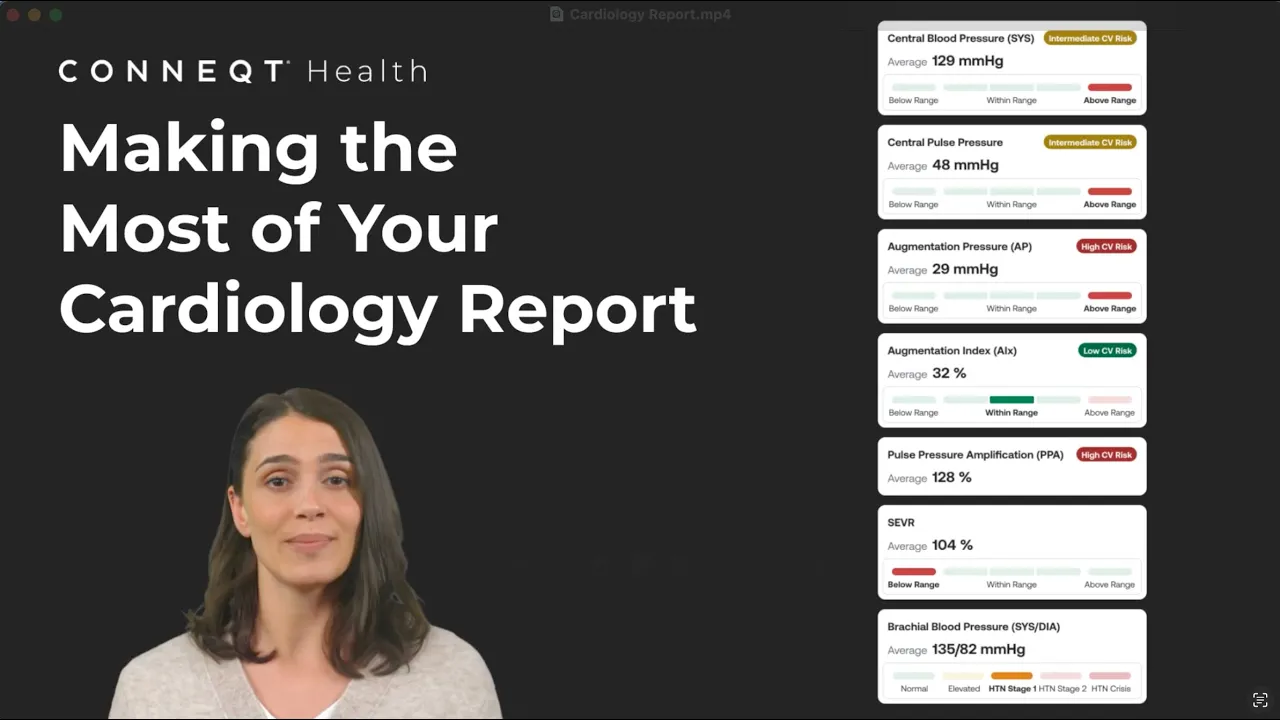
Making the Most of Your Cardiology Report | CONNEQT Cardiovascular Health Resources
conneqthealth
774 views•2025-03-04
Trending

5:07
Philosophy
One Must Imagine Sisyphus Happy
vlogbrothers
61K views•2026-07-21

25:15
Business
Future of Taylor Farms
maighstirtarot5385
11K views•2026-07-21

12:30
Business
The Downfall of OnePlus!
techwiser
65K views•2026-07-21

23:12
Engineering
My Friend Locked Up The Engine On His K-Swapped Bug...
boostedboiz
128K views•2026-07-21