These artists masterfully transform regional heritage into a sophisticated dialogue on survival, proving that the most profound cultural shifts occur within the "minor keys" of personal memory. It is a sharp, necessary look at how MENA creators are currently redefining the intellectual landscape of the global avant-garde.
Installez notre extension pour rechercher instantanément dans n'importe quelle vidéo
Five standout MENA artists at Venice Biennale 2026Ajouté :
Founded in 1895, the Venice [music] Biennale is one of the world's most important contemporary art events, taking place every 2 years across the city of Venice. Each edition brings together countries from around the world to present work that reflects their cultures, ideas, and artistic voices.
Titled In Minor Keys, this year's Biennale [music] features around 40 national pavilions, including the UAE, Saudi Arabia, Qatar, Oman, Syria, Lebanon, and Morocco.
Alongside [music] performances, exhibitions, and events staged across Venice's museums and cultural spaces.
While often described as the Olympics of the art world, this year's edition has also been marked by controversy.
With protests over the participation of Israel and Russia, leading to the resignation of the Biennale's prize jury.
Running until the 22nd of November 2026, here are five notable Middle East and North Africa participations at this year's Biennale.
First, Amina Agueznay presents A Seta in the Moroccan Pavilion, exploring traditional craft, shared memory, and quiet stories passed through generations.
Next, Dana Awartani's May Your Tears Never Dry, You Who Weep Over Stones in the Saudi Pavilion, creates an imagined archaeological space inspired by mosaic traditions and histories across different cultures in the Middle East that are endangered.
In the UAE Pavilion, Jawaher Al Malhi presents Naeeman, using recordings of men recalling wedding night rituals to reflect on memory, identity, and changing social realities.
Moving to the Lebanese Pavilion, Nabil Nahas's Don't Get Me Wrong brings together pattern, memory, nature, and geometry, reflecting Lebanon's layered identity.
Finally, Sarah Shamma's The Tower Tomb of Palmyra in the Syrian Pavilion uses light, painting, sound, [music] and scent to reflect on memory, loss, and survival.
Vidéos Similaires

क्या भगवान शिव हारिती की नकल हैं? झूठे दावे का पर्दाफाश | हारिती बौद्ध देवी बनाम भगवान शिव
sanatansamiksha
1K views•2026-05-30

This is one of the biggest street art exhibitions in London but there’s a twist 👀 Danish
ExploringLondonCity
1K views•2026-05-30

They stole his entire life on his deathbed #history #art
Nocthera
1K views•2026-06-01
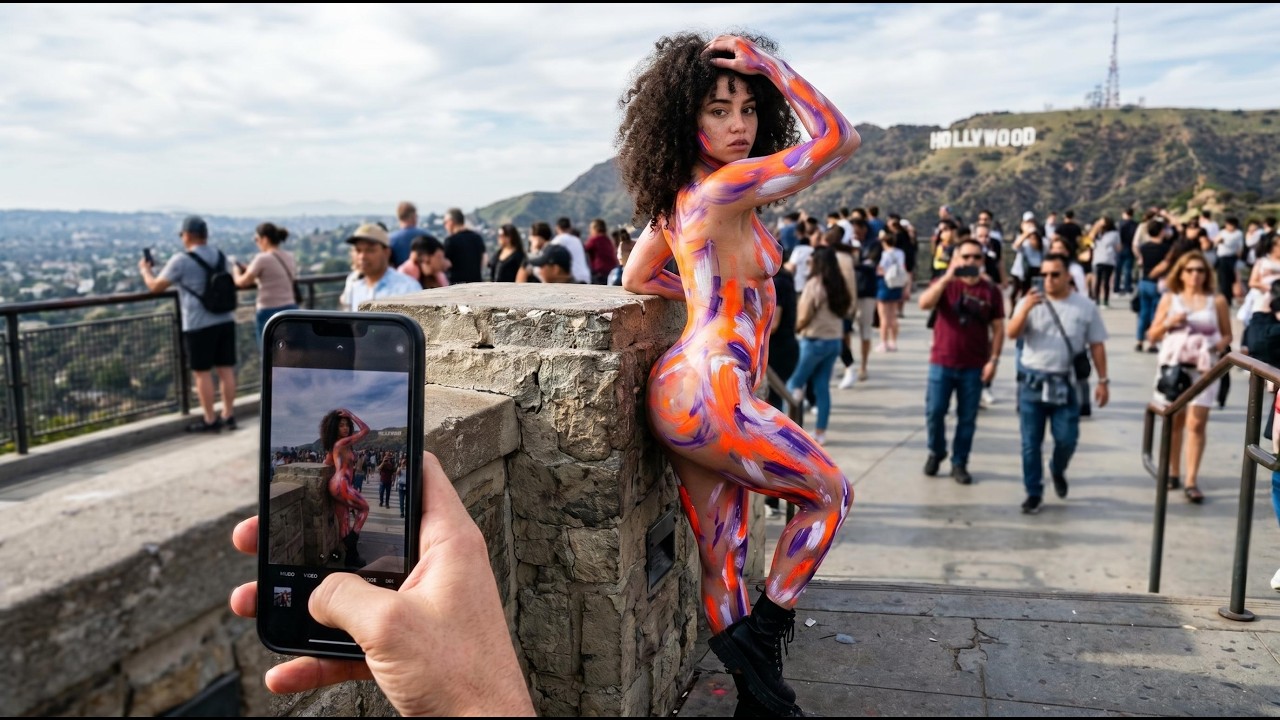
How Hollywood Body Art Changed the Way America Sees the Human Body Forever
Ink_and_Instinct
213 views•2026-06-02

Yayoi Kusama's Infinity Room where endless reflections, signature polka dots dissolve space and time
Brush-And-Beyond-2025
2K views•2026-05-30

Praying Hands — Albrecht Dürer (c. 1508) #shortvideo
ArtMysteries-r2d
276 views•2026-05-30

[ 🇸🇪 ] Sveriges Television (SVT 1 & SVT 2) ident history
bekdesign
1K views•2026-05-31

Between Heaven and Earth: The Art of Ancient Assyria -- Dr. Kiersten Neumann -- #ARCC26
AssyrianCulturalFoundation
849 views•2026-06-04



